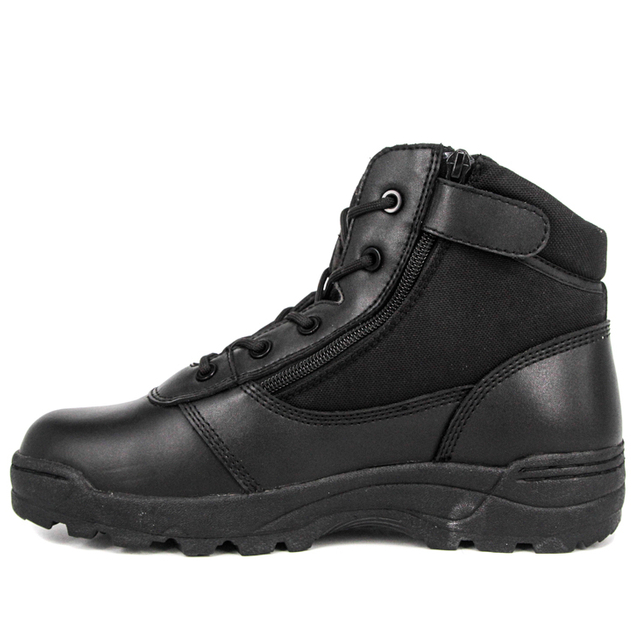
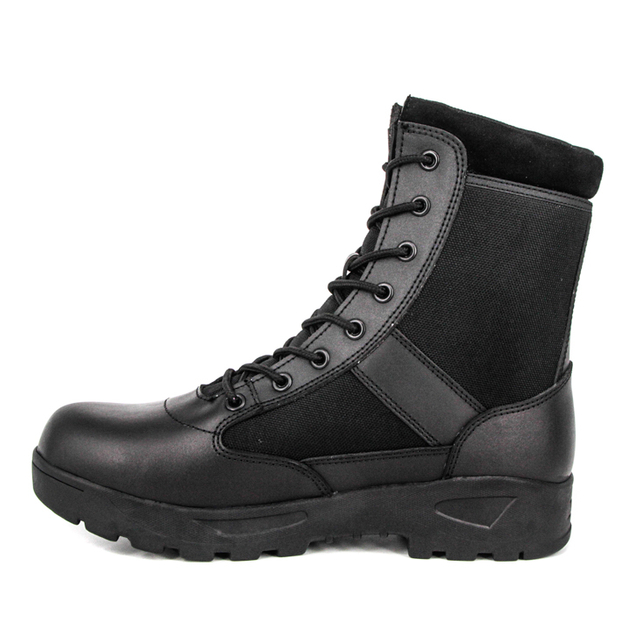
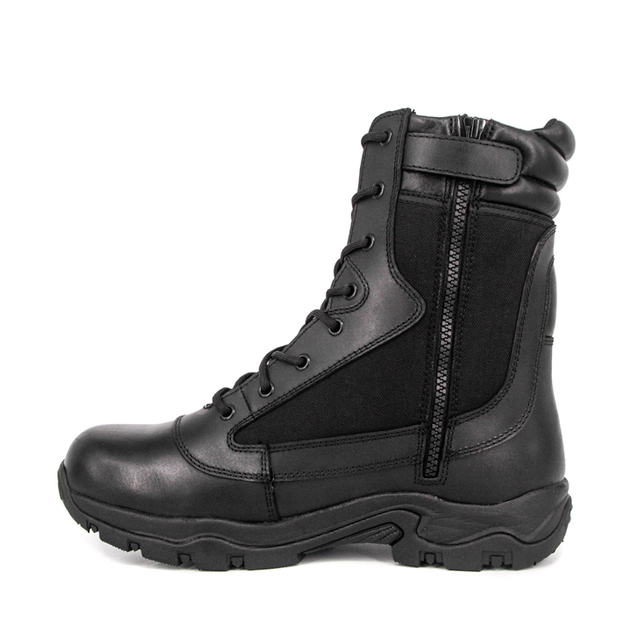
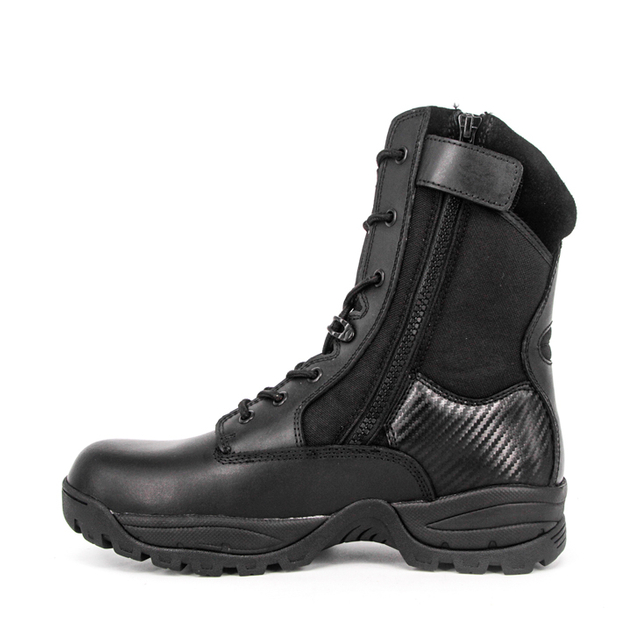
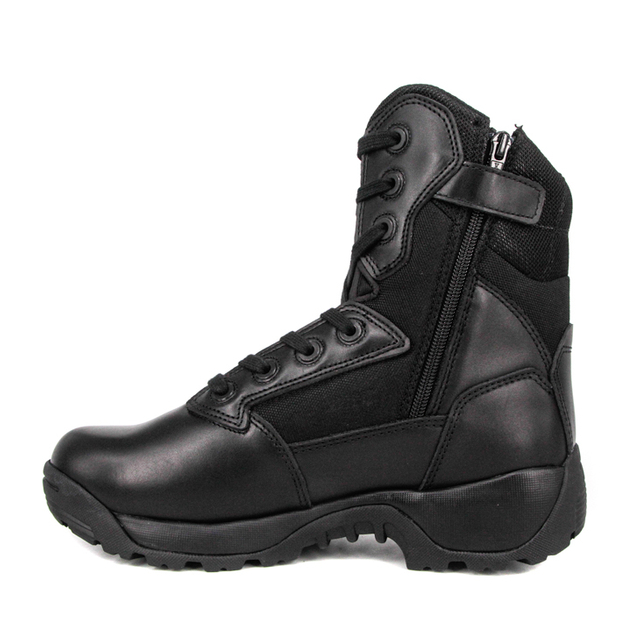
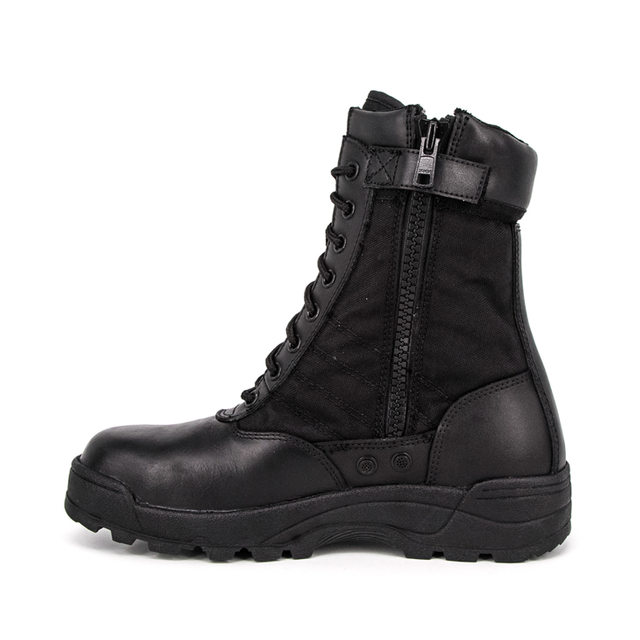
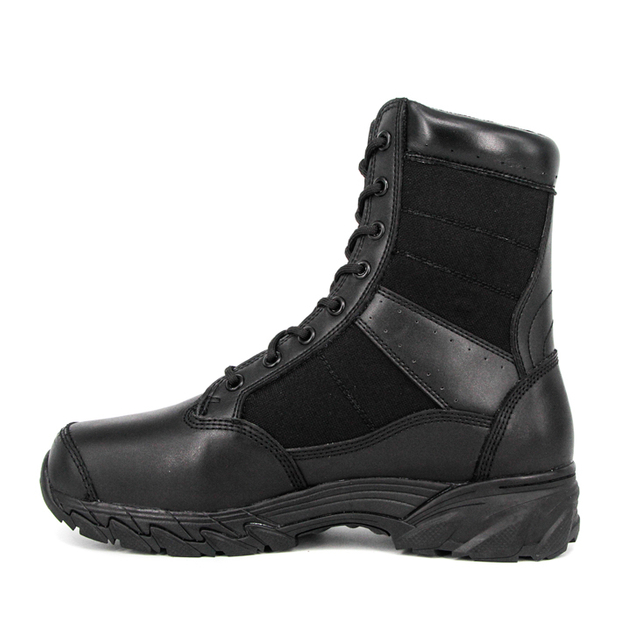
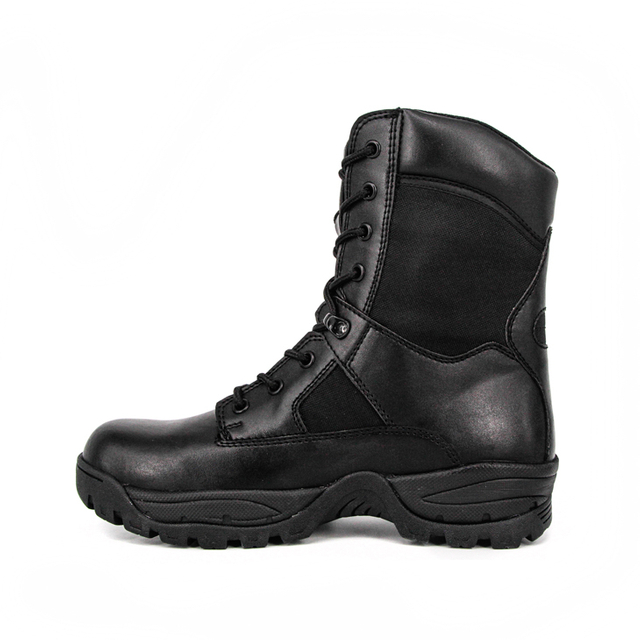
Rucking places exponential stress on your lower extremities. Standard footwear evaluation methods simply fail when you bear 35 to 70 pounds of load over uneven terrain. Uneven terrain punishes weak footwear choices. Mud, rocks, and steep inclines multiply the strain on your ankles. A static fit fails to account for these environmental hazards. A fit evaluated in a living room tells you nothing about operational performance.
Ill-fitting boots inevitably lead to severe friction blisters, biomechanical compensation, and dangerous stress fractures. These preventable injuries directly compromise your mission readiness. Your body acts as an interconnected kinetic chain. Foot pain translates directly into knee pain. Knee pain soon becomes lower back pain. You must stop this chain reaction immediately. Proper footwear acts as your first line of defense. A poor fit destroys your focus and physical capability in the field.
This guide delivers an objective, step-by-step breakdown of proper footwear fitting. You will learn exactly how high-performance boots must fit to mitigate common injuries. We also cover how to accommodate load-bearing foot swell accurately. Ultimately, you will discover how to guarantee true field-ready reliability for your next deployment.
Key Takeaways
Volume over Length: Custom military boots must account for a 0.5 to 1 full size increase in foot volume caused by blood pooling and arch flattening during a heavy ruck.
The Heel-Lock Imperative: Zero vertical heel slippage is the non-negotiable standard for preventing severe friction blisters on inclines.
Break-In is a Myth for Bad Fit: High-quality boots require material softening, but they will never stretch to fix an inherently flawed structural fit or narrow toe box.
Systematic Testing: Fit must be evaluated with operational weight (a loaded ruck) and specific tactical sock systems, not just standing in a living room.
The Biomechanics of Rucking: Why Standard Sizing Fails Under Load
Standard shoe sizing measures a static, unloaded foot. Rucking demands footwear built for dynamic, load-bearing realities. A boot feels perfect during a casual walk. It behaves entirely differently during a loaded march. Biomechanics change drastically under weight. You must understand these physiological shifts to select proper footwear. Standard off-the-shelf options ignore these extreme use cases completely.
First, consider arch compression carefully. Carrying a 50-pound pack forces your plantar fascia to elongate. The added weight drives your arch downward continuously. This compression effectively lengthens your foot mid-stride. Your foot also widens significantly upon impact. Off-the-shelf boots rarely account for this drastic dimensional change. They restrict natural foot expansion during heavy strikes. This restriction causes immense structural pain over long distances.
Next, blood volume swelling alters your foot size dynamically. Blood pools in your lower extremities during prolonged marches. This physiological reality causes massive swelling in the tissues. It requires a variable-volume upper design. Standard boots use rigid, unyielding lasts. They refuse to expand when your feet swell. This creates dangerous pressure points across your instep. You lose circulation rapidly when this happens.
A proper fit acts as a dynamic suspension system. It stabilizes the heel securely on all axes. It simultaneously allows your forefoot to expand naturally. Your toes must never hit the safety toe or leather cap. Achieving this delicate balance defines operational success. When you get this right, you eliminate internal friction. You preserve your biomechanical efficiency across miles of punishing terrain.
The 4-Point Evaluation Framework for Custom Military Boots
You need an objective system to evaluate your footwear objectively. We utilize a strict 4-point evaluation framework. It translates boot features into field-ready outcomes. Do not accept a subpar fit under any circumstances. You rely on your custom military boots for survival and mission success. Assess them using these specific dimensions.
The Heel Cup (Lockdown): The heel must sit completely flush against the back counter. Any movement creates immediate friction. Walk up a flight of stairs carefully. Notice your heel position during the upward step. More than 1/8 inch of vertical lift indicates a fundamental fit failure. You cannot fix a loose heel cup later. A slipping heel wastes energy constantly.
The Instep (Security): The lacing over the top of your foot secures the system. It must hold your foot firmly back into the heel cup. You must achieve this without restricting circulation. Tight lacing over a shallow instep causes lace bite. Lace bite inflames tendons rapidly. Proper instep volume balances security and vital blood flow perfectly.
The Toe Box (Splay & Clearance): You require adequate space upfront. You must have at least a thumb’s width between your longest toe and the front. This measures approximately 0.5 inches of clearance. Evaluate this clearance while standing under full weight. Toes must splay fully outward. Toe splay guarantees lateral balance on uneven, shifting terrain.
The Flex Point (Propulsion): Every boot develops a natural crease across the vamp. This crease must perfectly align with your anatomical flex point. We refer to the metatarsophalangeal (MTP) joints specifically. Misalignment causes severe arch cramping. It destroys your forward propulsion. Ensure the boot bends exactly where your foot bends natively.
Here is a summary chart outlining these critical evaluation criteria.
Evaluation Point | Anatomical Target | Pass/Fail Metric |
Heel Cup | Calcaneus (Heel Bone) | Less than 1/8 inch vertical lift on stairs. |
Instep | Top of Midfoot | Firm lockdown without tendon pinching. |
Toe Box | Phalanges (Toes) | Full toe splay plus 0.5 inches frontal clearance. |
Flex Point | MTP Joints | Vamp crease aligns exactly over toe joints. |
How to Test Your Boot Fit Before Field Deployment
You must test your footwear rigorously before deployment. However, you also want to avoid voiding return policies unnecessarily. Walking outside ruins the outsoles quickly. It makes returning them financially impossible. You can perform highly accurate tests indoors. You just need the right methodology and patience. Do not rush this critical evaluation phase.
First, implement the loaded protocol strictly. Static standing provides inadequate biomechanical data. Instruct buyers to wear a pack weighing at least 35 pounds. Try on your footwear for the first time fully loaded. The extra weight forces your arches down naturally. It simulates actual operational conditions perfectly. Stand on a hard surface indoors. Assess the volume changes in your feet immediately.
Second, execute the incline and decline test. Find a sturdy ramp or an indoor staircase. Walk downward first. Pay close attention to your toes. They must not aggressively jam into the front cap. A jammed toe leads to painful lost toenails. Turn around and walk upward slowly. Your heel must not piston up and down. Vertical movement creates debilitating friction blisters.
Third, perfect your sock and insole integration. You must test footwear wearing your exact tactical sock system. Factor in the precise thickness of Merino wool rucking socks. Thick socks consume significant interior volume instantly. Consider any aftermarket orthotics carefully. Adding a high-volume insole changes the internal geometry. It pushes your instep higher inside the upper. It alters the overall fit profile entirely. You must evaluate the entire system simultaneously.
Break-In Realities vs. Structural Fit Failures
Tactical communities often perpetuate the "tough it out" myth aggressively. Leaders tell recruits to simply suffer through the pain. We strongly dispel this dangerous, outdated misconception. High-quality heavy-duty leather requires a distinct break-in period. However, leather never stretches enough to fix structural flaws. You must learn to differentiate normal stiffness from fundamental failure.
Normal break-in symptoms look highly specific. Expect slight stiffness in the leather ankle collar. Anticipate rigid outsoles initially. The rubber softens over 20 to 30 miles of use. You might notice minor friction points across the tongue. These typically resolve through simple lacing adjustments. Your foot creates a micro-climate inside the boot environment. The leather eventually conforms to your unique structural shape.
Red flag fit failures demand immediate attention. Do not ignore persistent numbness in your toes. Numbness indicates inadequate volume or insufficient overall width. Pay attention to sharp pain on the medial malleolus. Ankle bone misalignment causes this sharp, stabbing pain. Deep heel friction represents another massive red flag. It means the last shape fundamentally contradicts your heel geometry.
Review the compliance notes regarding standard military footwear closely. Boots built to AR670-1 or DA PAM 670-1 standards use heavy-duty rough-out leather. The upper material will conform slowly over weeks of use. However, the underlying lasting board remains strictly static forever. The sole width never changes regardless of mileage.
Symptom | Diagnosis | Action Required |
Stiff ankle collar rubbing | Normal Break-In | Apply leather conditioner, walk short distances. |
Minor top-of-foot pressure | Normal Break-In | Adjust lacing tension, skip an eyelet entirely. |
Toe numbness under load | Fit Failure (Too Narrow) | Return footwear. Request a wider size immediately. |
Sharp medial ankle pain | Fit Failure (Misaligned) | Return footwear. Structural mismatch exists. |
Severe heel blistering | Fit Failure (Too Wide) | Return footwear. Heel cup lacks necessary lockdown. |
Shortlisting Logic: Ordering and Dialing In Your Custom Fit
Sometimes your initial fit evaluation reveals problematic issues. You must know how to proceed logically and calmly. Do not panic immediately. Certain minor issues require only simple adjustments. Major issues require you to order different custom military boots entirely. Follow a clear shortlisting logic to secure your optimal fit.
Start by adjusting your lacing techniques creatively. Many soldiers blame the boot size prematurely. Introduce the heel-lock lacing method. Runners call this technique the runner's loop. It pulls the ankle tighter into the rear counter. Use window lacing to fix minor instep pressure effectively. Skip an eyelet crossing over the painful area completely. These localized techniques often solve pressure points entirely.
Establish clear criteria for when to return your footwear. Do not hike 15 miles hoping a bad fit improves magically. Send them back if the flex point misaligns significantly. Send them back if your toes hit the front under load. Send them back if the width pinches your metatarsals painfully. Specify your exact requirements when ordering the replacement. Request a width adjustment. Ask for a specific last modification.
Choosing the right custom builder prevents these frustrating headaches. Look for manufacturers offering varied anatomical lasts. Ensure they provide specific custom width accommodations readily. Demand transparent return and complete rebuild policies. A reputable builder understands load-bearing dynamics intimately. They will gladly adjust the dimensions for you. Always consult their fitting experts directly. Share your exact foot tracings and precise measurements. Good communication guarantees far better results. Securing high-quality custom military boots requires patience, data, and precision.
Conclusion
Rucking relies heavily on the structural integrity of your footwear. A custom military boot serves as a direct investment in your operational longevity. Its actual value remains entirely dependent on strict adherence to load-bearing fit principles. Standard sizing rules simply do not apply in the rugged field environments.
Never compromise on your heel lock. Vertical slippage destroys heels and effectively ends missions prematurely. Never compromise on toe box volume either. Your toes require significant space to splay and accommodate blood swell naturally. A perfect fit prevents devastating lower-body injuries.
Take proactive action before your next deployment. Consult a professional sizing expert today. Submit accurate foot tracings and weight-bearing measurements precisely. Explore your chosen brand's custom ordering process fully. Do not settle for off-the-shelf compromises anymore. Dial in your fit meticulously to guarantee unwavering field readiness.
FAQ
Q: Should I buy custom military boots a half size larger for rucking?
A: Often yes, but volume matters as much as length. A half-size up accommodates load-bearing foot swell effectively. It prevents painful toe-strike on steep descents. Make sure the heel cup still locks down securely. A larger size fails entirely if your heel starts slipping vertically.
Q: How long should it take to break in custom leather boots for a 12-mile ruck?
A: Expect a 30 to 50-mile cumulative break-in period. Start with two to three-mile walks under light loads initially. Gradually increase your pack weight over several weeks. Do not attempt a full 12-mile standard ruck immediately. Heavy-duty leather needs adequate time to soften and conform.
Q: Can insoles fix a boot that is too big?
A: High-volume insoles take up excess vertical space in the instep. They snug up a loose upper very effectively. However, they cannot fix a fundamental length issue. They cannot correct a boot where the anatomical flex point misaligns permanently with your toe joints.
Q: Why do I get blisters on my heels even in custom boots?
A: Severe heel blisters usually stem from inadequate lacing tension at the instep. Improper sock pairing also causes intense friction. Always use a highly functional moisture-wicking liner sock. Finally, your heel cup might be fundamentally too wide. Excess width causes vertical slip on challenging inclines.