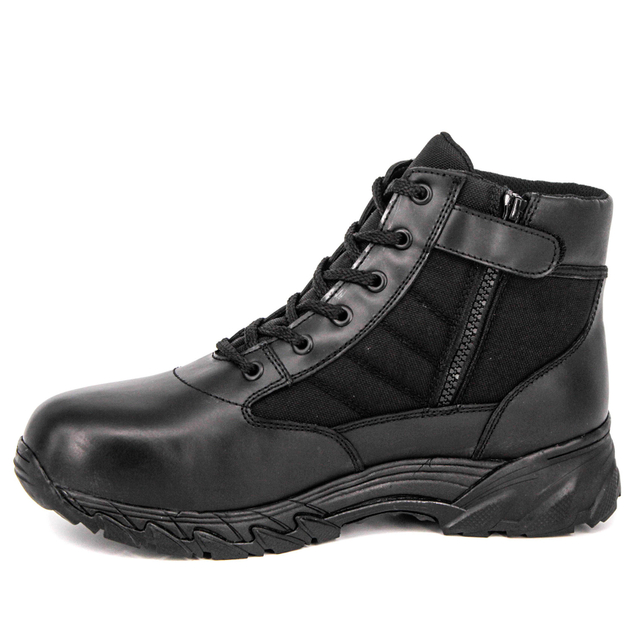
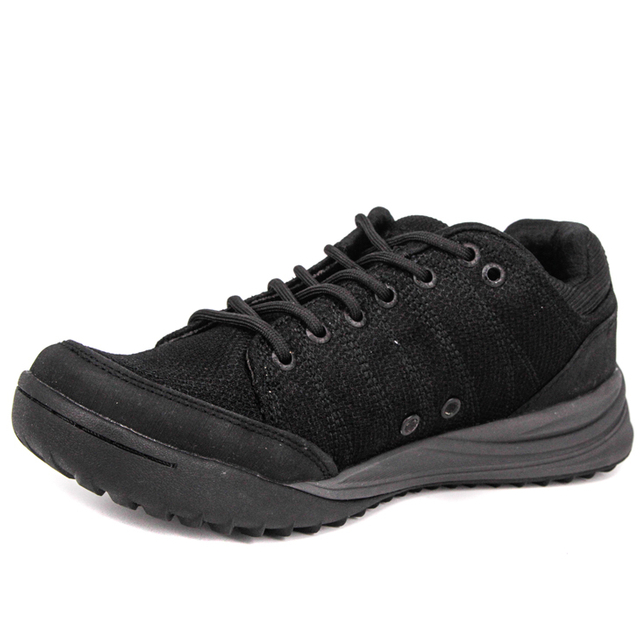
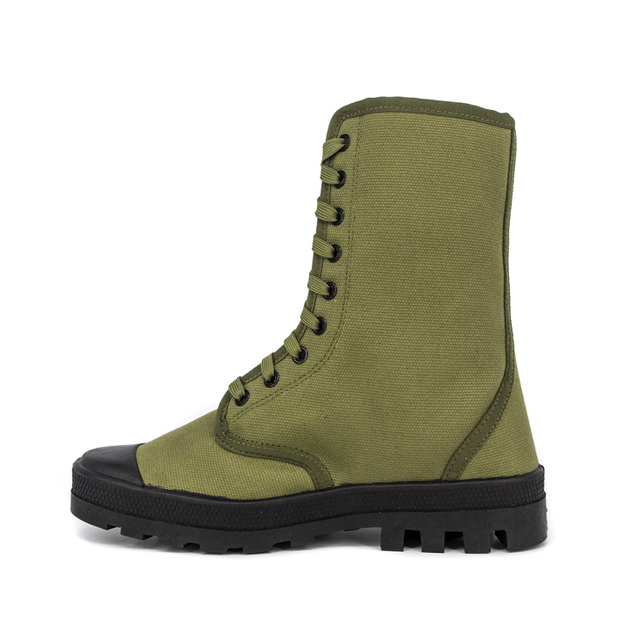
Receiving bulk tactical gear is not a standard warehousing task. Errors in sizing distributions or mismatched pairs directly impact troop readiness and deployment timelines. A rigid, standardized receiving protocol acts as the final line of defense. It stands firmly between manufacturer quality assurance (QA) and end-user issuance. When logistics teams fail to verify incoming shipments accurately, flawed inventory infiltrates the supply chain. This disrupts unit operations and creates significant compliance risks.
This article provides logistics managers and procurement officers with an actionable, compliance-ready checklist. You will learn how to verify bulk shipments systematically. We focus on ensuring complete alignment across physical inventory and shipping documentation. By mastering these verification protocols, you protect your supply chain integrity. You catch factory-floor errors before they reach the quartermaster. Ultimately, these steps guarantee maximum readiness and absolute compliance during every logistical handover.
Key Takeaways
Strict alignment between physical goods and military footwear quality documents is non-negotiable for audit compliance.
Pair matching goes beyond left/right checks; it requires verifying matching production date codes and widths to prevent uneven wear.
Handling custom military footwear requires immediate segregation at the receiving dock to prevent integration into standard-issue stock.
Systematic carton record discrepancies are a primary indicator that a supplier's internal QA processes are failing, warranting an immediate vendor review.
The Operational Stakes of Receiving Bulk Military Boots
Standard receiving procedures often rely heavily on carton-level scanning. This approach poses significant operational risks. Exterior scanning completely obscures inner-carton discrepancies. A barcode might confirm a box arrived, but it cannot verify the contents inside. When personnel open the boxes later, they frequently discover mismatched sizes, missing laces, or damaged insoles. These hidden defects turn standard bulk military boots into unusable inventory. Relying purely on exterior scans creates blind spots. It shifts the burden of quality control onto the end-user. This practice is unacceptable in military logistics.
Your primary success criteria must center on achieving a strict 100% three-way match. The Purchase Order (PO), Advanced Shipping Notice (ASN), and the physical floor count must align perfectly. This alignment guarantees you received exactly what you ordered. It proves the manufacturer shipped the correct quantities. It also validates your internal warehousing records. A flawless three-way match prevents phantom inventory from clogging your tracking systems. It establishes a verifiable baseline for future audits.
The cost of failure in this process remains exceptionally high. If defective or miscounted inventory enters the system, delayed issuances inevitably follow. Troops cannot deploy without compliant gear. Furthermore, reverse logistics costs skyrocket. You must pay to repackage, ship, and replace non-compliant items. Most importantly, compromised personnel safety becomes a genuine threat. Ill-fitting tactical gear causes blisters, joint stress, and mobility issues. In field conditions, a poorly matched pair of boots jeopardizes mission success.
Before breaking any seals on pallets, warehouse teams must conduct a thorough documentation audit. You must verify the Bill of Lading (BOL) and packing slips immediately. Teams should strictly review all required military footwear quality documents alongside the manifest. These critical documents include ISO certifications, Berry Amendment compliance certificates, and MIL-SPEC testing results. Missing certifications render the entire shipment non-compliant. Procurement officers cannot authorize the issuance of uncertified tactical gear. A stringent documentation audit prevents administrative failures.
Maintaining a secure chain of custody is equally vital. You must confirm tamper-evident seals match the manifest records exactly. Any discrepancy in seal numbers indicates a severe security breach. Broken seals suggest in-transit shrinkage or malicious substitution. If seals show signs of tampering, immediately quarantine the pallet. Do not process the inventory. Document the findings photographically and notify the supplier. Strict chain of custody protocols rule out unauthorized access during transit.
You must also conduct a rigorous environmental check. Inspect pallet exteriors for moisture, crushing, or pest ingress. Tactical boots utilize sensitive materials. Moisture ruins leather and degrades synthetic uppers. Crushed cartons often mean damaged internal structures, such as crushed toe boxes or bent shanks. Pest ingress compromises hygiene standards entirely. If you spot watermarks or structural damage on the pallet wrap, flag the shipment. These environmental factors destroy product integrity long before the boxes open.
The Core Physical Receiving Checklist
A structured physical receiving process eliminates guesswork. It replaces assumptions with hard data. This core checklist forces receivers to validate product integrity at the granular level.
Carton Records Verification
First, cross-reference external carton barcodes and RFID tags with the Advanced Shipping Notice (ASN). The physical tags must match the digital records. Next, verify the stated gross weight against the actual weight. This step helps quickly identify missing pairs. A carton weighing two pounds less than its label suggests an empty boot box inside. Finally, check for consistent box dimensions and structural integrity. Bulging boxes indicate improper packing, which often leads to crushed footwear.
Size Distribution Auditing
Massive shipments require statistical sampling based on Acceptable Quality Limit (AQL) standards. For standard bulk orders, pull a randomized sample size. However, you must conduct 100% verification for high-value or specialized POs. During this audit, ensure the received size curve strictly matches the ordered matrix. Military populations follow a distinct bell curve of sizes. Common sizes form the bulk of the order, while extreme sizes appear at the margins. If the shipment heavily skews toward rare sizes, issuance rates will plummet. The size curve must mirror your specific population demands.
Precision Pair Matching
Pair matching demands deep attention to detail. Do not simply check for a left and right boot. You must confirm the left and right boots share the exact size and width. Mixed widths represent a common factory error. Pairing a "Regular" left boot with a "Wide" right boot renders the pair unwearable. Furthermore, check internal manufacturing date codes and lot numbers. Both boots must display identical lot codes. Mismatched lot numbers in a single box indicate factory-floor sorting errors. These errors suggest potential variations in material batch performance. Differing batches wear down at uneven rates in field environments.
Common Receiving Discrepancies and Action Protocols
Discrepancy Type | Primary Indicator | Immediate Action Required |
Weight Variance | Carton weighs significantly less than ASN record. | Open carton immediately. Count individual pairs to find missing units. |
Mismatched Widths | Left boot marked "R" (Regular), Right boot marked "W" (Wide). | Quarantine the pair. Record the factory lot code for vendor reporting. |
Lot Code Mismatch | Left and right boots show different production dates. | Reject the pair. Differing materials risk uneven field performance. |
Missing Certifications | Packing slip lacks Berry Amendment or ISO compliance forms. | Halt receiving process. Place entire shipment on compliance hold. |
Specialized gear requires specialized handling. Standard receiving flows routinely ruin custom orders if teams do not segregate them quickly. Flagging exceptions at the dock saves countless hours of inventory sorting later.
You must quickly identify pallets or cartons designated as custom military footwear. These shipments might include extreme weather variants, orthopedic modifications, or custom fits for specialized units. Standard warehousing staff often overlook subtle label differences. Clearly mark these incoming shipments on the daily receiving schedule. Use brightly colored staging tape or distinct routing tags to mark them immediately upon offloading.
Establish strict handling protocols for these items. Create a separate, secure staging area on the warehouse floor. You must prevent cross-contamination between custom gear and standard-issue inventory. If a specialized cold-weather boot accidentally integrates into standard stock, it may issue out to the wrong personnel. Such errors waste expensive custom procurement budgets and leave specialized troops without proper gear.
Apply specific QA criteria to these unique shipments. Custom orders bypass standard AQL sampling entirely. They require a mandatory 100% individual inspection rate. You must measure every single pair against the specific end-user's measurement profile or unit requirement. Verify orthotic inserts, reinforced shanks, or specialized insulation levels manually. High-value gear leaves zero room for statistical error. Complete verification ensures the designated operator receives their exact technical requirements.
Evaluating Supplier Reliability Through Discrepancy Data
Receiving docks do more than intake boxes. They act as data collection points for vendor performance. Every error you catch tells a story about the manufacturer’s internal operations. Tracking these discrepancies allows procurement teams to make data-driven sourcing decisions.
Employ feature-to-outcome evaluation methods. A supplier's packing accuracy directly reflects their manufacturing discipline. If a vendor cannot reliably place two matching boots into a single box, their stitching and gluing tolerances likely suffer too. Frequent carton discrepancies usually precede product failure rates in the field. When packing errors spike, you should anticipate future reports of sole separation or leather tearing.
Acknowledge the implementation risks of rigid receiving. Strict inspections create quarantined inventory. Managing the bottleneck created by held shipments requires careful dock planning. You must allocate physical space for rejected pallets while waiting for vendor remediation. Communicate these holds to deployment planners immediately. If a shipment sits in quarantine, units will not receive their gear on schedule. Buffer stocks help mitigate this temporary supply shock.
Use shortlisting logic to define your next steps clearly. Develop a framework for holding vendors accountable:
Issue CAPA Requests: Determine exactly when to issue a Corrective and Preventive Action (CAPA) request. Standardize the threshold. For example, issue a CAPA if lot code mismatches exceed 2% of the total shipment.
Structure Chargebacks: Define how to structure chargebacks for internal sorting labor. If your team spends twenty hours repacking a vendor's messy shipment, the vendor must absorb that operational cost.
Pivot Manufacturing Partners: Establish hard limits. When a consistent failure to match carton records occurs over three consecutive shipments, pivot. Transition to a new, compliance-driven manufacturing partner who prioritizes QA.
Conclusion
A rigorous receiving checklist effectively safeguards procurement budgets and ensures total field readiness. Tactical gear logistics leave no margin for assumption. By verifying documents, auditing sizes, and checking lot codes precisely, you protect your supply chain from foundational errors. Every detail matters when outfitting personnel for demanding environments.
Your final takeaway remains simple: catching errors at the dock prevents systemic logistical failures down the line. A mismatched pair caught today saves a reverse logistics nightmare tomorrow. It also keeps operators focused on their mission, rather than failing gear.
Do not let poor vendor QA dictate your operational tempo. Upgrade your procurement strategy today. Contact our procurement specialists to learn how our transparent manufacturing and QA processes guarantee 100% accurate bulk deliveries.
FAQ
Q: What is the standard Acceptable Quality Limit (AQL) for bulk military boot shipments?
A: The tactical footwear industry typically utilizes standard AQL levels of 2.5 for major defects and 4.0 for minor defects. Major defects include sole separation or structural failure. Minor defects involve cosmetic blemishes. High-value or specialized orders often bypass AQL entirely, demanding 100% individual inspection.
Q: How should we handle a shipment with missing lot codes on individual boots?
A: Untraceable boots present a severe compliance risk. If lot codes are missing, you must immediately quarantine the entire affected shipment. Do not issue the boots. Contact the manufacturer directly for clarification and demand updated compliance documentation. Traceability is mandatory for recall management and warranty claims.
Q: What is the most common pair-matching error in bulk deliveries?
A: The most frequent error involves mixed widths. A factory might mistakenly pack a Regular width left boot with a Wide width right boot. While the length size matches perfectly, the varying widths cause severe blistering and uneven wear. Always verify the width stamps during inspection.