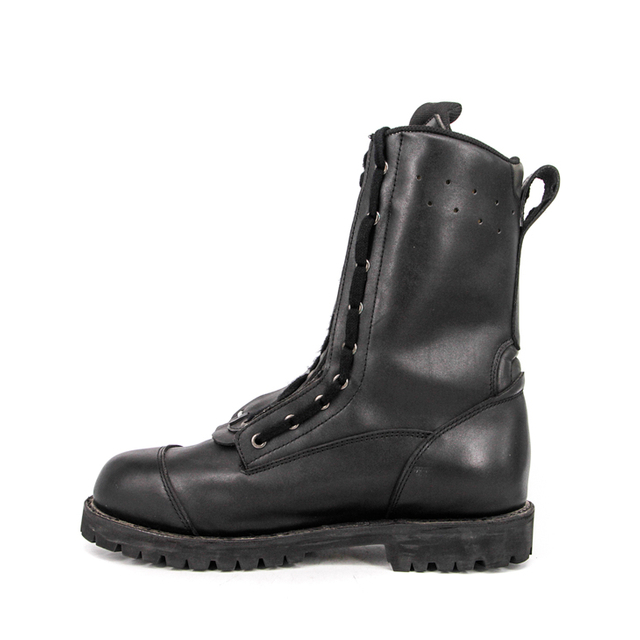
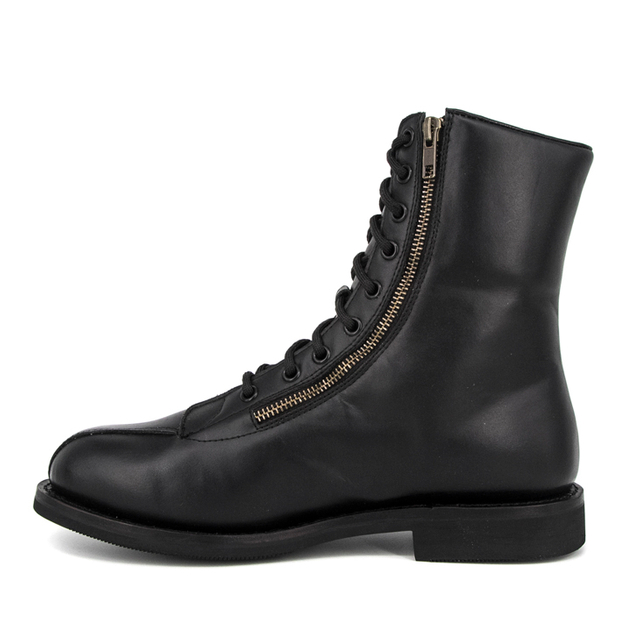
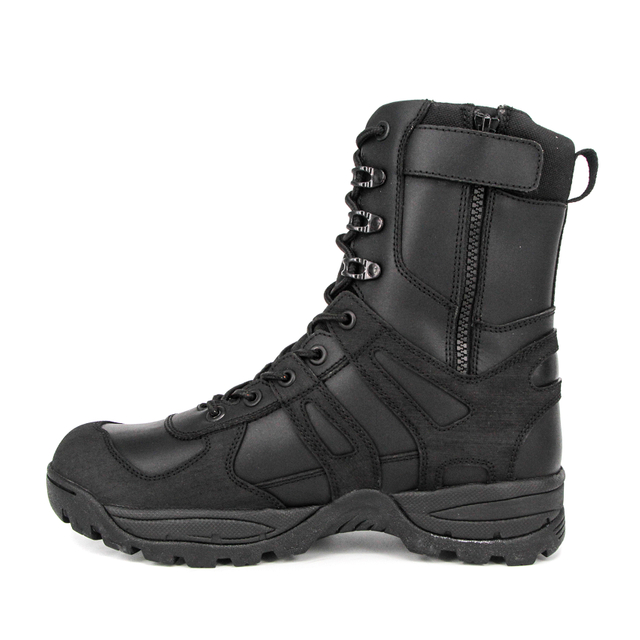
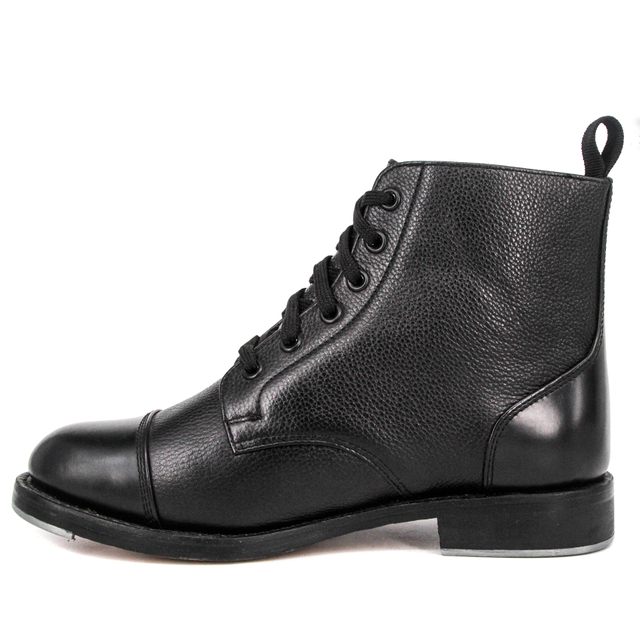
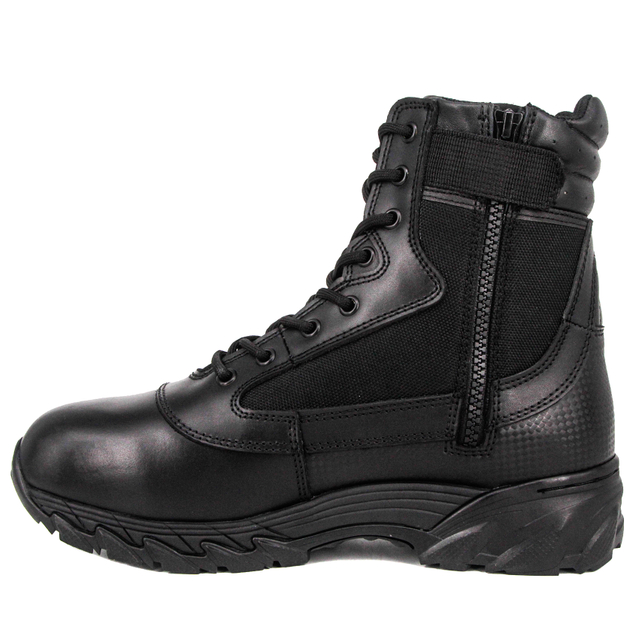
Aviation environments present unique hazards that standard tactical footwear cannot mitigate, making the selection of specialized footwear a mandatory safety and compliance decision. Aircrew and aviation professionals must balance strict military uniform regulations, such as AFI 36-2903, with the functional demands of the cockpit. These demands include flame resistance, Foreign Object Debris (FOD) prevention, and long-duration ergonomic support. A standard infantry boot will fail under the thermal stress of a cockpit fire or the mechanical stress of an ejection sequence. We break down the technical specifications required for aviation footwear, evaluating the structural trade-offs of leather materials, the operational viability of zippered designs, and the exact fit requirements necessary for safe flight operations. You will learn how to navigate procurement standards, avoid unauthorized synthetic materials, and select footwear that integrates seamlessly with flight controls and anti-G garments.
Regulatory Compliance is Non-Negotiable: True flight boots must meet specific branch regulations (e.g., USAF AFI 36-2903 or NAVAIR standards), specifically regarding color, material, and safety ratings (e.g., "no melt, no drip").
Zippers Present a Calculated Risk: While an air force boot with zipper functionality offers rapid donning and doffing, it introduces potential FOD hazards and structural failure points that are heavily scrutinized in ejection-seat aircraft.
Material Dictates Survivability: Full-grain and rough-out leathers are prioritized over pure synthetics to ensure flash-fire protection and structural integrity during emergency egress.
Cockpit Ergonomics Drive Fit: Sole thickness, ankle flexibility, and toe-box volume directly impact rudder pedal sensitivity and pilot fatigue during extended sorties.
Role-Specific Requirements: Procurement must account for crew position—loadmasters and flight engineers often require safety toes, while pilots prioritize low-profile soles for tactile feedback.
The Anatomy of Aviation-Grade Flight Boots
Defining what separates standard combat footwear from specialized aviation gear starts with survivability. Standard infantry boots often utilize lightweight synthetic meshes to reduce weight and increase breathability for ground troops. In an aviation environment, these synthetics become severe liabilities. The primary purpose of specialized flight boots is to protect aircrew from platform-specific hazards, including flash fires, hazardous chemical exposure, and mechanical entrapment during emergency egress.
Current Air Force Instruction (AFI) 36-2903 dictates strict uniform requirements. When reviewing the specific regulations for flight boots air force personnel can authorize, compliance remains mandatory across all commands. Color requirements depend heavily on the uniform worn and specific unit directives. Coyote Brown is the standard for the Operational Camouflage Pattern (OCP) uniform. Sage Green was previously standard for the Airman Battle Uniform (ABU) and specific flight suits, while Black remains authorized for certain organizational clothing or specialized units.
Height requirements also play a critical role in uniform integration. The standard 8-inch to 10-inch boot height ensures proper overlap with Nomex flight suits. When an aviator sits in the cockpit, the pant leg naturally rides up. This overlap protects the lower leg from flash fires and prevents the anti-G garment from catching on the boot collar during high-G maneuvers. Shorter boots expose the ankle and shin to thermal threats and mechanical abrasion.
Flightline Safety: FOD and Fire Resistance
The "No Melt, No Drip" standard defines aviation apparel. Synthetic materials like nylon and polyester melt rapidly when exposed to extreme heat. If a synthetic boot catches fire, the material melts directly into the skin, causing catastrophic localized burns that complicate medical treatment. Aviation footwear strictly limits or completely restricts these materials. Flash-fire survivability relies heavily on specialized linings, such as Nomex, combined with heavy leather outer shells. This combination provides critical seconds of thermal protection, allowing aircrew to egress a burning aircraft safely.
Foreign Object Debris (FOD) mitigation is another primary concern on the flightline. Aircraft engines easily ingest small rocks, screws, or debris tracked onto the tarmac. Aviation boots utilize specific tread patterns designed to shed debris rather than trap it. Vibram chevron soles are highly favored in the aviation community. They provide excellent traction on slick, fuel-covered surfaces while resisting the accumulation of gravel. A boot that tracks flightline debris into the cockpit creates a severe mechanical hazard. A small pebble wedged into a rudder pedal track can jam the flight controls entirely.
Safety Toe vs. Soft Toe Specifications
Crew position dictates the necessity of a safety toe. Flight engineers, loadmasters, and rotary-wing crew chiefs handle heavy cargo, operate winches, and move heavy equipment in confined spaces like the cargo hold of a C-17 or C-130. These roles require ASTM-certified composite or steel toes to prevent crushing injuries from shifting pallets. Composite toes are generally preferred over steel because they do not conduct cold temperatures at high altitudes and do not interfere with sensitive aircraft avionics or magnetic compasses.
Pilots, conversely, avoid safety toes whenever possible. A rigid safety toe creates a bulky toe box. This bulk interferes with the tight clearances around rudder pedals and toe brakes in fighter and trainer aircraft. Furthermore, safety toes act as thermal sinks, leading to extremely cold toes during long-duration flights at high altitudes. Pilots require soft-toe configurations to maintain maximum tactile sensitivity on the flight controls.
Evaluating Material Construction: Leather vs. Synthetics
Full-Grain Leather vs. Rough-Out (Suede) Leather
Modern aviation footwear construction relies almost exclusively on high-grade leather to meet fire safety standards. Full-grain leather offers superior durability and natural water resistance. It provides a smooth finish that takes a high polish. Historically, full-grain leather was the absolute standard for military aviation. However, it is heavier, traps more heat, and requires a significant break-in period to achieve the ankle flexibility needed for flight operations.
Rough-out leather, commonly referred to as suede, represents the current standard for modern OCP uniforms. Rough-out leather offers significantly better breathability than full-grain leather. It requires almost zero break-in time, providing immediate comfort right out of the box. It also eliminates the need for polishing. This is a massive safety advantage, as traditional shoe polishes contain flammable petroleum distillates. However, rough-out leather demands specific maintenance routines to retain its structural integrity and fire-resistant properties over time.
Weatherproofing and Membrane Trade-offs
Integrating waterproof membranes, such as Gore-Tex, introduces a distinct operational trade-off. Waterproof membranes excel at keeping moisture out during pre-flight walkarounds in heavy rain, snow, or slush. They are essential for search and rescue crews operating in wet environments or maritime patrol aviators. However, these membranes severely restrict breathability.
Decreased breathability leads to a significant thermal burden in hot-weather cockpit environments. A cockpit under a bubble canopy acts like a greenhouse, and feet sweat heavily during long sorties. If the moisture cannot escape, it causes maceration, severe blistering, and general discomfort. Aircrew operating primarily in desert environments or well-regulated cockpits often prefer unlined leather boots to maximize ventilation and reduce foot fatigue.
Hardware Specifications
The hardware used on aviation boots must meet stringent safety requirements. Speed laces and eyelets must be constructed from corrosion-resistant metals like coated aluminum or treated brass. Exposure to aviation fuels, hydraulic fluids, and saltwater environments quickly degrades cheap hardware. Furthermore, all metal components must be non-sparking. Refueling and maintenance environments are rich with volatile fuel vapors. A single spark from a boot eyelet striking a metal deck or concrete flightline can ignite these vapors instantly.
Maintenance and Fire Safety Implications
Maintaining aviation boots requires strict adherence to safety protocols. The hidden danger lies in using flammable, petroleum-based polishes. Traditional shoe polish contains volatile compounds that compromise the boot's fire resistance, essentially turning the footwear into a candle during a flash fire. Applying unapproved waterproofing sprays on flying boots introduces similar severe fire hazards. These sprays coat the leather in highly flammable synthetic chemicals.
Approved cleaning protocols for rough-out leather involve mechanical cleaning rather than chemical treatments. Personnel should use stiff nylon brushes to remove dirt and dried mud. If washing is necessary, only use mild water and approved suede erasers. Maintaining the "no melt, no drip" integrity means keeping the leather entirely free of oils, greases, and unauthorized synthetic coatings.
Material Type | Primary Advantage | Primary Disadvantage | Best Use Case |
Full-Grain Leather | Maximum durability and water resistance | Heavy, requires long break-in period | Rotary-wing crews, harsh weather environments |
Rough-Out (Suede) | High breathability, zero break-in time | Stains easily, absorbs aviation fluids | Hot weather operations, standard OCP wear |
Gore-Tex Lined | Complete waterproofing | Traps heat, causes foot sweating | Winter operations, maritime patrol |
Unlined Leather | Maximum ventilation and heat dissipation | Zero water resistance | Desert deployments, fighter cockpits |
The Zipper Debate: Air Force Boots with Zipper Functionality
Operational Advantages
When evaluating air force boots with zipper functionality, operators must weigh convenience against strict safety protocols. The primary operational advantage is rapid donning and doffing. Alert crews, such as Quick Reaction Alert (QRA) scrambles, must be airborne in minutes. Zippered boots allow pilots to gear up instantly without fumbling with laces in the dark. Aeromedical evacuation teams also benefit heavily from zippers, allowing them to remove blood-borne pathogen-contaminated footwear quickly after a medical transport mission.
Another distinct advantage is consistent lacing tension. Aircrew can lace the boot to their exact preference once, tie off the laces, and rely solely on the side zipper for daily use. This prevents mid-flight circulation issues caused by over-tightening laces in a rush before takeoff. Consistent tension reduces foot fatigue and numbness during long-duration bomber or transport missions that stretch beyond twelve hours.
FOD Risks and Structural Failure Points
Despite the convenience, zippers introduce mechanical vulnerabilities. High-stress environments, dirt, and fine desert sand quickly degrade zipper teeth. A blown zipper renders the boot useless and completely compromises ankle support. If a zipper fails during a survival and evasion scenario on the ground, the aviator loses their primary mode of mobility.
More importantly, zippers present a significant FOD risk. Zipper pulls can detach under stress or catch on exposed cockpit wiring. A loose metal zipper pull floating in a zero-G environment or wedged into a flight control linkage creates a catastrophic hazard. Aviation maintenance units spend hours tracking down missing hardware; a detached zipper pull will ground an aircraft until it is found.
Regulatory Restrictions on Zippered Boots
Regulatory restrictions heavily govern the use of zippered boots. They are authorized for certain ground personnel, transport crews, and aeromedical teams under AFI 36-2903. However, ejection seat aircraft platforms explicitly ban zippered boots. During an ejection sequence, the pilot experiences extreme windblast forces exceeding 400 knots. These forces catch the edges of the zipper, easily ripping the boot open and tearing it completely off the pilot's foot. Losing footwear during an ejection leaves the pilot highly vulnerable during the parachute descent and subsequent survival evasion on the ground. Fighter squadrons enforce this ban strictly.
Fit Requirements and Cockpit Ergonomics
Sole Thickness and Rudder Pedal Sensitivity
Cockpit ergonomics dictate specific fit requirements that differ vastly from infantry footwear. Sole thickness directly impacts rudder pedal sensitivity. Fixed-wing aircraft utilize pedals that control both yaw (rudder) and wheel braking (toe brakes). Pilots rely on tactile feedback through their feet to make micro-adjustments. A thick, aggressive lug sole dampens this feedback, leading to heavy-handed pedal inputs and jerky braking. Low-profile outsoles are necessary to maintain precision control. Furthermore, overly aggressive treads can catch on cockpit wiring or the edges of the pedals, delaying emergency inputs.
Rotary-Wing vs. Fixed-Wing Considerations
Aircraft platform dictates specific boot profiles. Helicopter pilots require distinct heel profiles. Rotary-wing flight requires continuous, precise anti-torque pedal inputs to keep the aircraft stable. The pilot's heel rests on the floorboard while the toes manipulate the pedals. If the boot heel lacks a smooth, defined edge, it slips or stutters on the floorboard, causing severe leg fatigue and degrading control precision. Fixed-wing pilots, particularly in fighter platforms, prioritize a streamlined toe box to maneuver feet quickly within tight cockpit confines without bumping the canopy rail or instrument panel.
Ankle Support vs. Range of Motion
Balancing ankle support with range of motion is a constant challenge for aviators. Rigid ankle support is vital during rough terrain evasion or survival scenarios following a bailout. However, rigid ankles restrict plantarflexion (pointing the toes) and dorsiflexion (pulling the toes up). Pilots must articulate their ankles freely to operate flight controls smoothly. Boots that are too stiff cause muscle fatigue in the shins and calves. High-quality leather boots naturally soften at the flex points over time, providing a customized balance of support and flexibility.
Sizing for Flight Socks and Altitude Swelling
Proper sizing must account for physiological changes during flight. Feet naturally expand and swell during long-duration, high-altitude flights due to lower cabin pressure and prolonged sitting. Boots fitted perfectly on the ground will feel uncomfortably tight at altitude, restricting blood flow and causing numbness. Sizing strategies must also accommodate specialized anti-exposure suits or heavy thermal wool flight socks. Personnel should always try on new boots while wearing the exact socks they intend to fly in, ensuring enough toe-box volume to prevent circulation restriction.
Top Procurement Considerations and Brand Evaluations
Evaluating Leading Berry-Compliant Brands
Making the final purchasing decision requires evaluating lifecycle value, operational realities, and proven manufacturers. Berry Compliance is a critical factor for military procurement. The Berry Amendment requires the Department of Defense to give preference in procurement to domestically produced, manufactured, or home-grown products. Leading Berry-compliant brands like Belleville, Rocky, and Danner set the industry standard. The Belleville 330 DES ST is renowned for its durability in rotary-wing environments. The Rocky S2V offers exceptional out-of-the-box comfort and ankle roll protection. The Danner Acadia provides unmatched stability and resole capabilities.
Standard Issue vs. Aftermarket Upgrades
Personnel often debate the cost-to-benefit ratio of purchasing commercial-off-the-shelf (COTS) compliant boots versus relying on standard-issue gear. Standard-issue boots meet all minimum safety requirements and are provided at no cost through base supply. However, aftermarket COTS boots often utilize superior footbeds, lighter materials, and better ergonomic designs. Investing in a high-quality COTS boot significantly reduces foot fatigue, knee strain, and lower back pain over a twenty-year flying career. Always verify the "Berry Compliant" status if seeking unit reimbursement for COTS purchases.
Implementation Risks & Mitigation
Purchasing non-compliant boots carries severe implementation risks. Wearing unauthorized footwear results in uniform violations and immediate grounding by the unit's Standardization and Evaluation (Stan/Eval) office. To mitigate this risk, operators must cross-reference specific boot models with their unit's current Approved Footwear List (AFL). Never assume a boot is authorized simply because it is the correct color or looks similar to an issued item.
Maintenance and lifecycle costs also influence procurement. High-end leather boots feature Goodyear welt construction, allowing for complete resoling. When the Vibram sole wears down from walking on abrasive non-skid flightline surfaces, a cobbler can replace it for a fraction of the cost of a new boot. This extends the lifecycle value of the footwear and retains the perfectly broken-in leather upper, saving the aviator from enduring another break-in period.
Conclusion
Pull the most current Approved Footwear List (AFL) directly from your squadron's Standardization and Evaluation office before authorizing any gear purchases.
Schedule your boot fitting at the end of your shift when your feet are at their maximum volume to accurately simulate high-altitude swelling.
Test the fit of any new footwear while wearing your standard-issue Nomex or heavy thermal flight socks to ensure adequate toe-box clearance.
Verify that your chosen retailer explicitly guarantees Berry Compliance to ensure the boots meet all structural and legal military manufacturing standards.
Source a dedicated suede cleaning kit containing a stiff nylon brush and eraser block to maintain the leather without using flammable chemical treatments.
FAQ
Q: Are zippered boots allowed in the Air Force?
A: Yes, but with strict limitations. While authorized for certain ground and flight personnel under AFI 36-2903, they are heavily restricted for aircrew in ejection-seat aircraft. The extreme windblast forces during bailout can tear zippered boots off, creating a severe safety hazard.
Q: What makes a boot "flight approved"?
A: Flight-approved boots must meet specific military standards for flame resistance. They must utilize "no melt, no drip" materials, prevent Foreign Object Debris (FOD) with specific tread patterns, comply with uniform color codes, and maintain structural integrity under extreme stress.
Q: Why do pilots wear leather boots?
A: Leather provides superior protection against flash fires, mechanical abrasion, and hazardous aviation fluids like hydraulic fluid and jet fuel. Unlike synthetic materials, heavy leather will not melt into the skin when exposed to extreme cockpit temperatures.
Q: Can I wear tactical combat boots for flying?
A: Only if they meet the specific flight safety requirements of your branch. Many standard tactical boots incorporate lightweight synthetic meshes that will melt to the skin in a fire, instantly disqualifying them for aviation use.
Q: How should flying boots fit compared to normal shoes?
A: They should offer slightly more toe-box room to accommodate foot swelling at high altitudes and thicker thermal flight socks. However, they must maintain a locked-in heel to prevent slipping and fatigue during precise rudder pedal operation.
Q: Do flight boots require a safety toe?
A: It depends entirely on the crew position. Loadmasters and flight engineers often require composite or steel toes for cargo handling safety. Pilots typically wear soft-toe boots to maximize rudder pedal sensitivity and prevent cold toes at altitude.