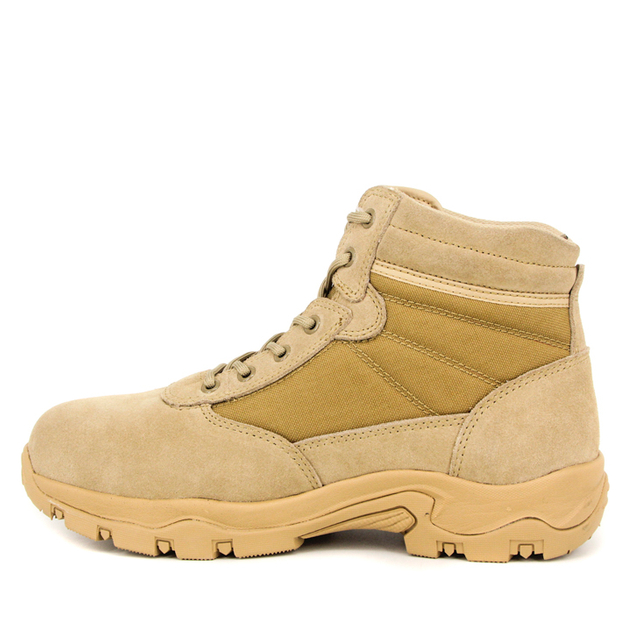
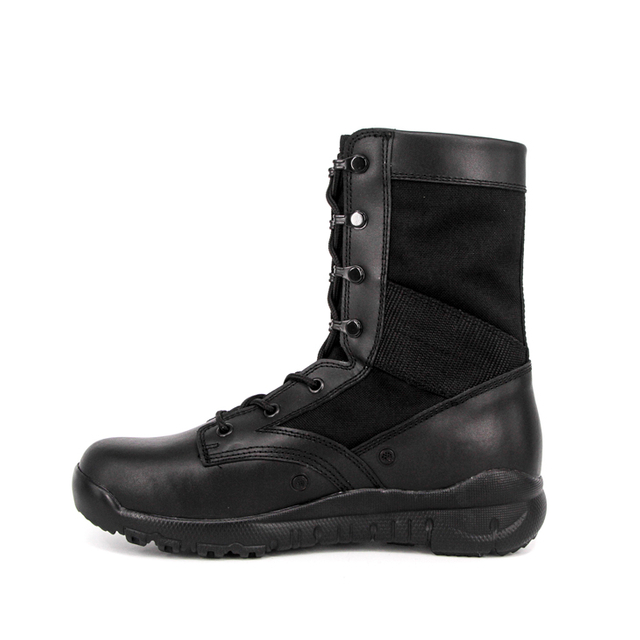
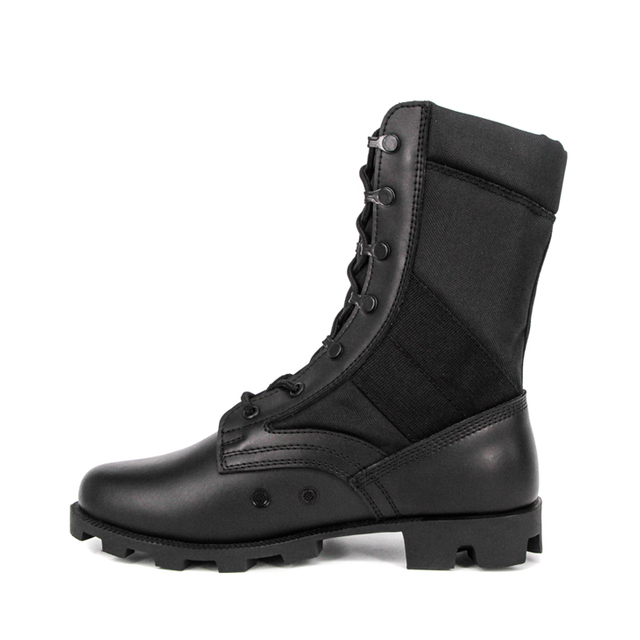
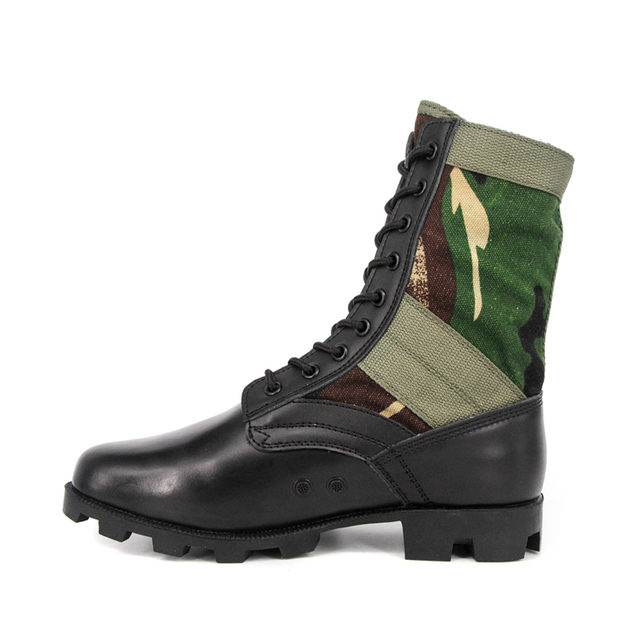
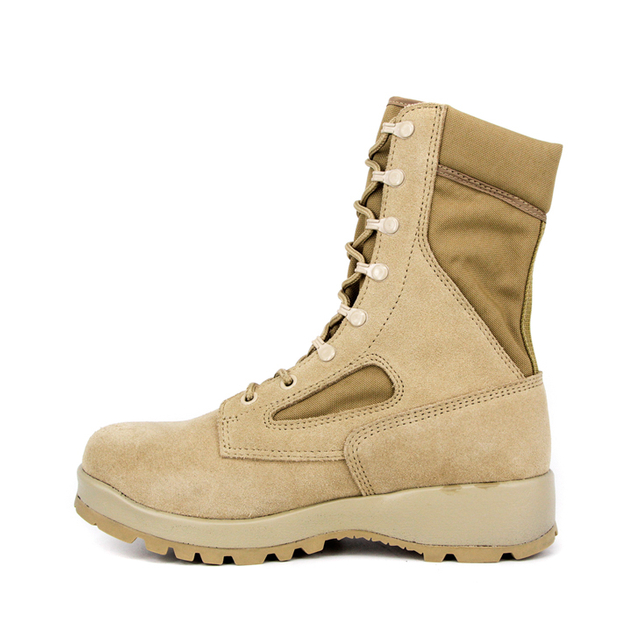
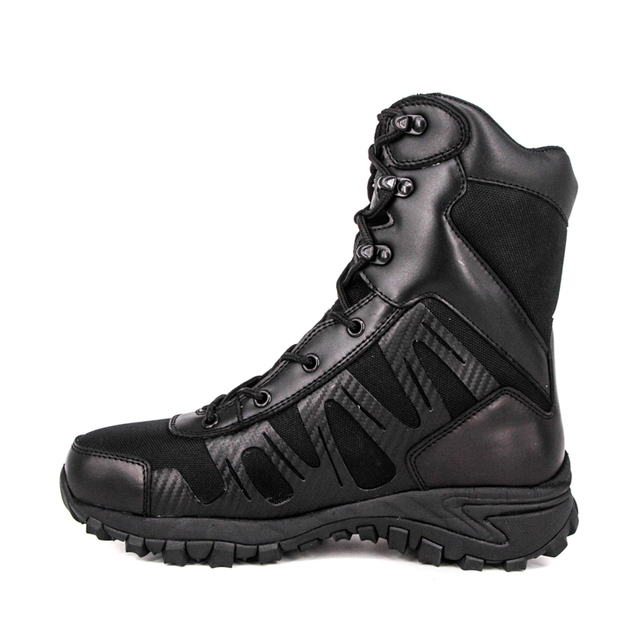
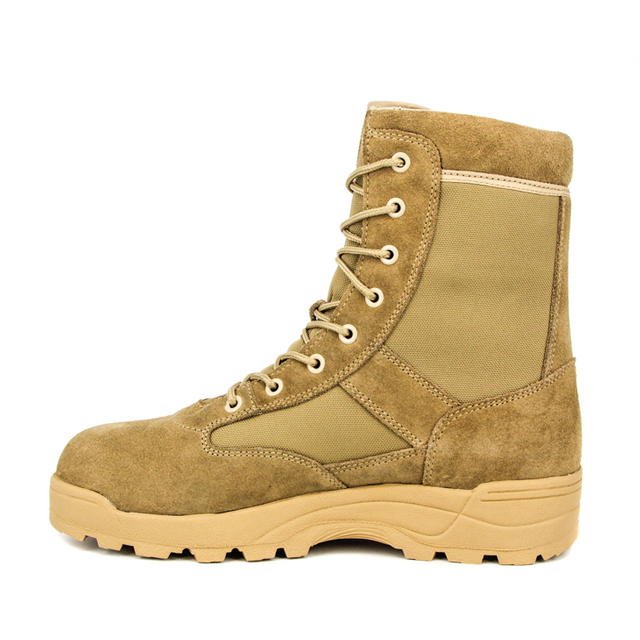
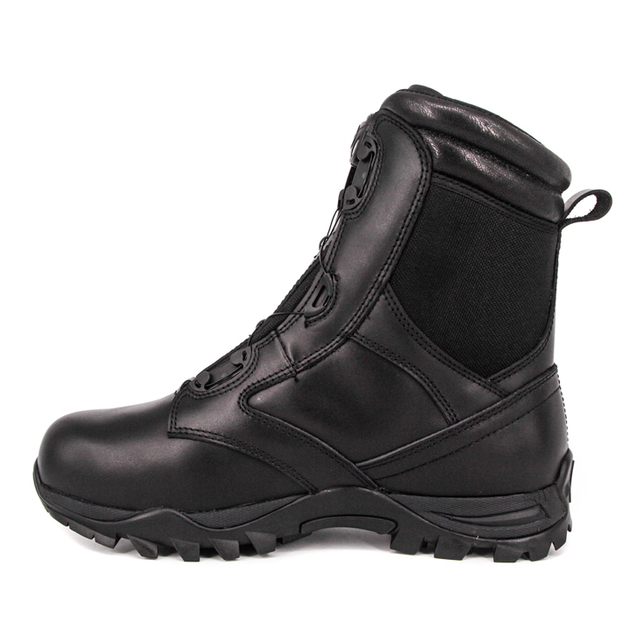
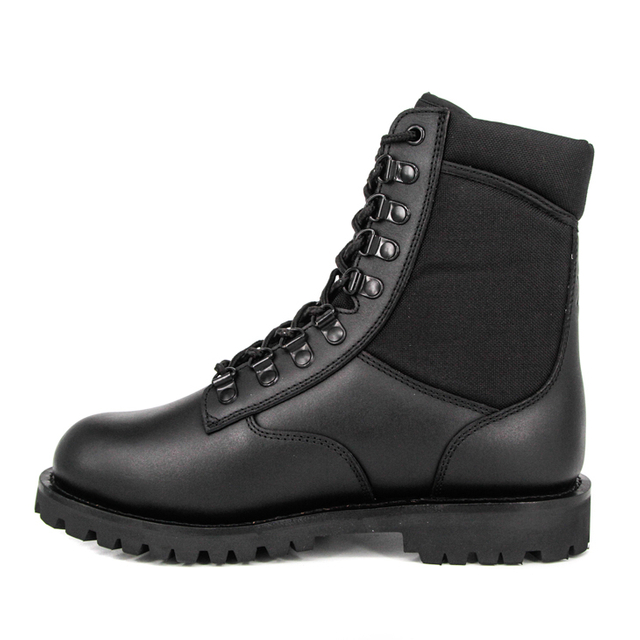
Custom military footwear projects do not begin with a finished sample. They begin with requirement clarity. Before a project reaches material confirmation, size review, outsole selection, logo placement, or packaging discussion, the first and most important step is understanding what the footwear needs to do and how the project will be evaluated. When that early phase is rushed or incomplete, the sampling process becomes slower, revisions increase, and approval takes longer than expected.
This is especially true in institutional and project-based procurement. A request for combat boots, tactical boots, desert boots, duty footwear, or officer shoes may sound straightforward, but each category can still move in very different directions depending on use environment, support requirements, construction preferences, and approval standards. A project intended for hot-weather deployment is not evaluated in the same way as a patrol-oriented boot or a government uniform program. Without a structured requirement review, sample development can drift into repeated adjustment rather than focused execution.
For buyers, understanding this workflow is valuable because it helps set expectations early. Sample approval is not simply a factory step. It is the result of coordinated decision-making across application review, technical clarification, material direction, construction alignment, and buyer feedback. A smoother process usually comes from better inputs, not from trying to skip steps.
Key Takeaway
Custom military footwear projects move more efficiently when requirement review is treated as a formal part of development rather than a preliminary conversation. Clearer project inputs usually lead to stronger technical recommendations, more accurate sampling direction, fewer revision rounds, and faster sample approval.
A well-managed path from requirement review to sample approval usually includes:
application and user analysis
category and product-direction confirmation
technical clarification of upper, outsole, structure, and features
sample development based on aligned specifications
buyer review of fit, appearance, and performance priorities
clear feedback for final adjustment or approval
Projects usually slow down when:
the use environment is not clearly defined
priorities are not ranked
category selection remains vague
branding or packaging requirements appear late
the buyer and supplier are not reviewing the same approval criteria
When the process is organized properly, buyers can submit project requirements earlier and move into sample review with fewer uncertainties.
Why Requirement Review Matters Before Sampling
A sample cannot solve a poorly defined project. It can only reflect the information given to it. That is why requirement review should be treated as the foundation of the development process rather than an administrative formality.
In many military footwear projects, the first inquiry contains only a general category name, quantity idea, or preferred appearance. While this may be enough to begin discussion, it is not enough to build an efficient sample path. Key project questions still need to be answered:
What exact application is the footwear for?
What operating conditions will it face?
What kind of support and mobility balance is needed?
Is the project close to a standard direction or does it require custom changes?
What approval factors will matter most to the buyer?
Requirement review matters because it turns a general request into a development brief. Without that transition, sampling becomes reactive. With it, the process becomes structured.
Step 1: Clarifying the Application and Project Scope
The first real development step is not material selection. It is clarifying where the footwear fits within the project.
A useful requirement review starts by confirming:
A tactical patrol project, for example, may prioritize mobility, reduced weight, and support for long wear in urban or mixed-use movement. A desert deployment project may need more emphasis on breathability, abrasion handling, and outsole behavior on dry terrain. A duty or government program may place additional weight on appearance consistency and structured support.
The project scope should also clarify whether the request is:
a concept-stage inquiry
a sample-first evaluation
a tender preparation project
a distributor development program
a bulk-order planning discussion
This distinction matters because the development path is not identical for every project stage.
Step 2: Confirming the Category Direction
Even when buyers already have a product name in mind, the category direction still needs to be validated. This is because many footwear requests overlap across categories.
A project may initially be described as:
combat boots
tactical boots
desert boots
duty boots
officer shoes
safety footwear
But the actual application may suggest a different or more specific direction once the environment, support needs, and mobility requirements are discussed.
This is why some teams first compare the main military boot categories before locking the project into one sample direction. A category-level review helps prevent situations where the buyer and supplier are both using the same label but imagining different product outcomes.
Step 3: Translating Requirements into Technical Recommendations
Once the project direction is clear enough, the next step is turning operational needs into technical recommendations. This is the stage where the request moves from "what the footwear is for" to "how the footwear should be built."
Typical technical review areas include:
Upper Construction
leather, nylon, or mixed-material direction
support level and reinforcement zones
surface durability and appearance priorities
Outsole Direction
Structure and Height
Functional Priorities
Visual and Program Elements
This stage is where many custom military footwear solutions become materially different from standard category selection. The goal is not to make the project more complex than necessary. The goal is to ensure that the sample has a meaningful specification basis.
A Practical Workflow Table
| Project Stage | Main Objective | Typical Buyer Input | Typical Output |
| Requirement review | Define application and project direction | Environment, use case, category, quantity, timeline | Clearer project brief |
| Category confirmation | Align product direction | Patrol, deployment, duty, support, desert, tactical, etc. | Correct category path |
| Technical clarification | Convert needs into specifications | Materials, outsole, height, features, branding | Technical recommendation |
| Sample development | Build first review sample | Approved direction and project details | Initial sample |
| Sample review | Evaluate fit and specification match | Feedback on appearance, function, comfort, structure | Revision notes or approval |
| Sample approval | Confirm readiness for next stage | Final review and acceptance criteria | Approved sample basis |
Step 4: Building the First Sample
Once the requirement review and technical clarification are aligned, the project moves into sample development. This stage is often misunderstood. A first sample is not always expected to be the final version. Its purpose is to convert the project brief into a physical review basis.
The first sample helps buyers evaluate:
In many cases, the first sample answers the most important strategic question: is the project direction correct?
That is why buyers should not treat the first sample only as a pass-or-fail outcome. It is also a decision tool that helps confirm whether the requirement review was strong enough.
What Buyers Should Evaluate During Sample Review
Sample review should be structured. General reactions such as "please improve comfort" or "needs better support" are not enough to support efficient revision. Buyers should review the sample against the specific priorities identified earlier in the project.
A useful review often includes:
Fit and Overall Shape
Does the sample reflect the intended category?
Does the structure feel appropriate for the use case?
Is the height consistent with the requirement?
Upper and Material Direction
Does the upper construction match expectations?
Is the material balance suitable for the environment?
Does the external appearance align with the project?
Outsole and Ground-Fit Expectations
Support and Comfort Balance
Does the sample feel too rigid or too soft?
Is mobility appropriate for the target use?
Does the structure align with the project’s support expectations?
Program Elements
Are logo, color, and labeling placed correctly?
Are branding and packaging requirements understood?
The stronger the review framework, the more useful the feedback becomes.
Common Reasons Sample Approval Takes Longer Than Expected
Sample approval delays are often blamed on lead time, but the real causes are frequently earlier in the workflow.
The Requirement Review Was Too Broad
If the initial brief was vague, the sample may answer a different question than the buyer intended.
Category Direction Was Not Fully Confirmed
A project may start as one type of boot and later reveal the need for another configuration.
Technical Priorities Were Not Ranked
If support, weight, breathability, durability, and appearance were all treated as equally critical without trade-off discussion, revision becomes harder.
Feedback Was Too General
Comments such as "please revise" or "not ideal" do not help development move efficiently. Feedback must connect to specific review points.
Custom Elements Were Added Late
Branding, packaging, labeling, or structural changes introduced after sample development often create avoidable extra cycles.
Approval Criteria Were Different on Both Sides
If the buyer evaluates one set of priorities and the supplier is optimizing for another, alignment breaks down even when the sample is competently made.
How Buyers Can Make the Process More Efficient
Buyers have a major influence on how smoothly the project moves from requirement review to sample approval. A stronger process usually depends on clearer project communication rather than speed pressure alone.
Buyers can improve efficiency by:
defining the use environment early
confirming the product category before sample development
listing the most important performance priorities clearly
sharing reference samples, drawings, or images when available
clarifying whether the project is standard, modified, or highly customized
reviewing branding and packaging requirements before sampling where possible
giving structured sample feedback with specific revision points
Projects move more smoothly when buyers submit project requirements in a format that supports comparison and technical interpretation, not just category naming.
A Sample Feedback Checklist
During review, buyers can organize feedback around the following checklist:
This type of structured review shortens the path to approval because each revision point is easier to interpret and act on.
Standard Direction vs Custom Development Path
Not all projects need the same development intensity. Some can move efficiently through a near-standard route. Others require a more customized path from the beginning.
A more standard path may suit projects where:
the product category is already well-defined
only limited specification changes are needed
branding requirements are simple
the application is close to an existing direction
A more custom path may suit projects where:
the environment or mission profile is highly specific
structural or feature changes are required
branding and packaging are more complex
tender or institutional review standards are involved
multiple approval stakeholders are part of the process
A clear distinction here helps determine how the sample stage should be managed and how many review cycles should realistically be expected.
What a Well-Managed Process Usually Looks Like
A strong project path from requirement review to sample approval typically follows this pattern:
application is clarified
category direction is confirmed
technical recommendations are aligned
sample is developed on a defined basis
buyer feedback is structured and specific
revisions are focused rather than broad
sample approval is tied to agreed criteria
When these steps are followed with discipline, the project becomes more predictable and easier to scale into later stages such as quantity planning and production preparation.
Conclusion
Custom military footwear projects move from requirement review to sample approval most efficiently when the process is treated as a structured workflow rather than a simple request-and-revision cycle. Requirement clarity shapes everything that follows. It influences category confirmation, technical recommendation, sample accuracy, and the usefulness of buyer feedback.
The first sample is not just a product output. It is a reflection of how well the project was defined. When environment, duty type, support expectations, materials, outsole direction, and approval criteria are aligned early, the sample stage becomes more productive and easier to manage. When those inputs remain broad or inconsistent, approval takes longer and revision cycles multiply.
For procurement teams and project buyers, the most practical way to improve sample efficiency is to clarify expectations early, review samples against defined criteria, and keep communication specific throughout the process. That approach supports not only better sample approval, but also a stronger foundation for the next stage of the footwear program.
FAQ
What is the most important step before sample development begins?
Requirement review is the most important early step because it defines the application, category direction, and technical priorities that the sample will be built around.
Why do military footwear samples often require revisions?
Revisions are often needed because the initial project brief was too broad, priorities were not ranked clearly, or the buyer and supplier were evaluating different goals during development.
Should the first sample be expected to be final?
Not always. The first sample often serves as a review tool that confirms whether the project direction is correct before final adjustments are made.
What kind of feedback helps sample approval move faster?
Specific feedback connected to structure, material direction, outsole, support, appearance, branding, and approval priorities is much more useful than broad comments.
When is a custom development path more appropriate than a standard one?
A custom path is often more suitable when the project has specific environmental requirements, structural changes, feature expectations, or institutional review standards that go beyond a standard category selection.
Can category confusion delay sample approval?
Yes. If the project is not clearly aligned to the right footwear category at the start, the sample may be technically competent but still not fit the intended use.