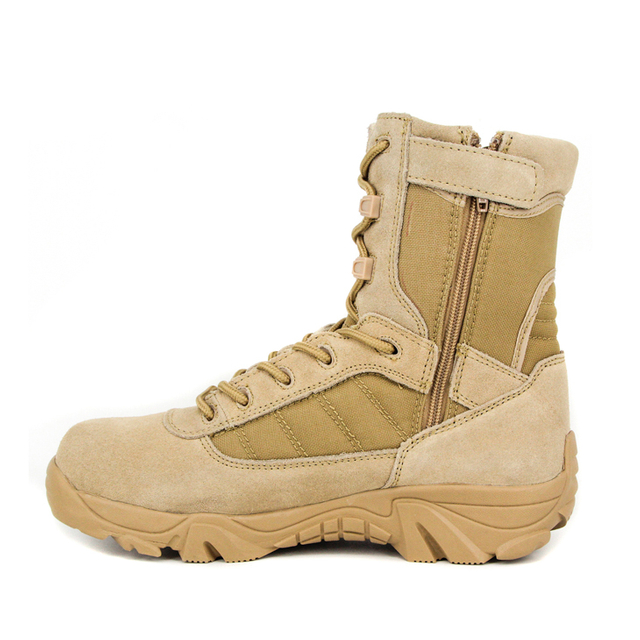
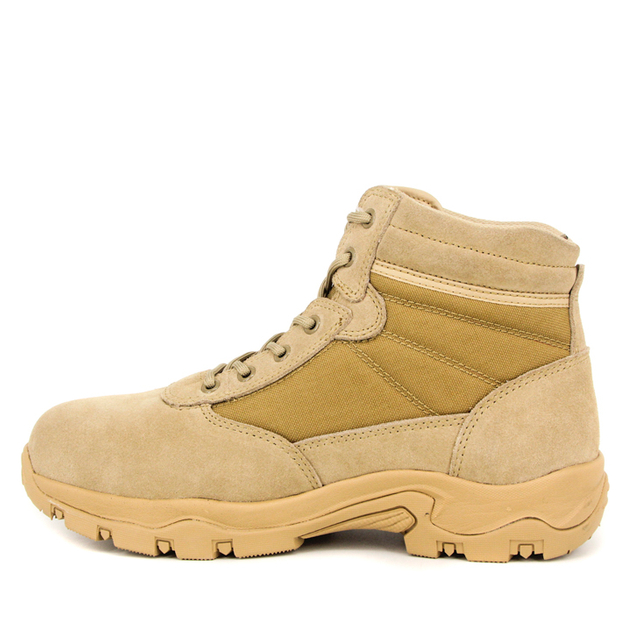
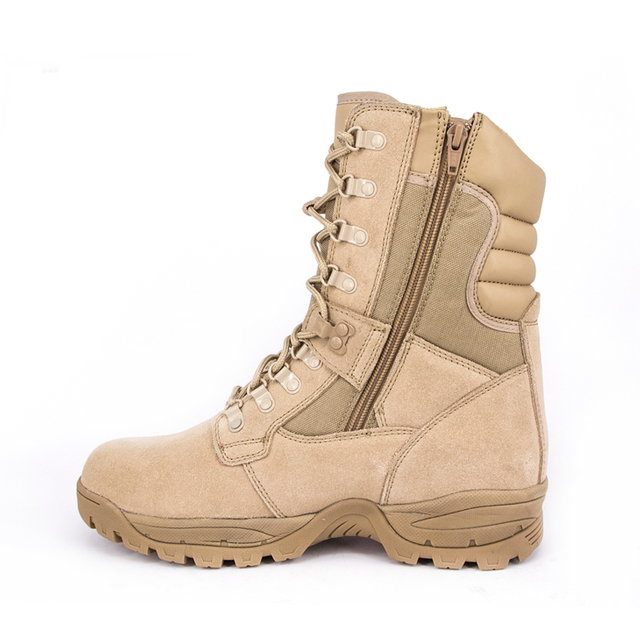
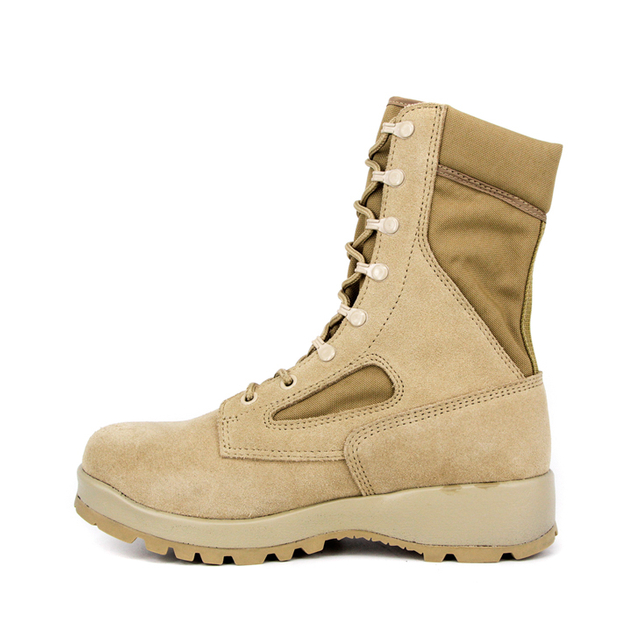
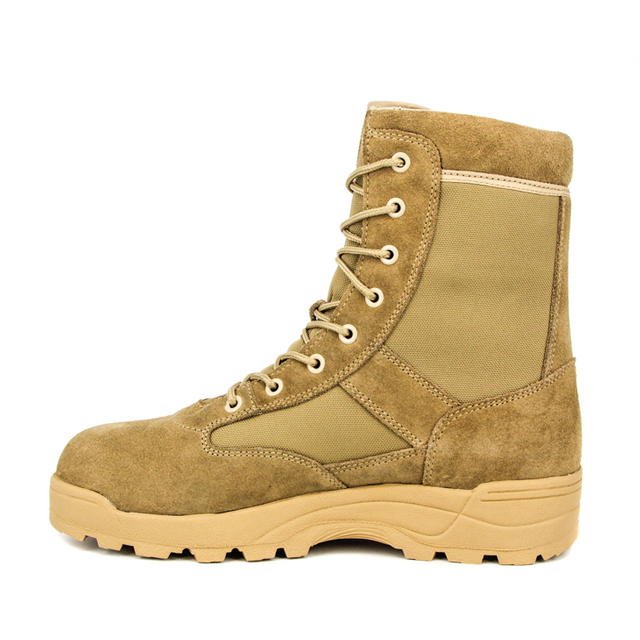
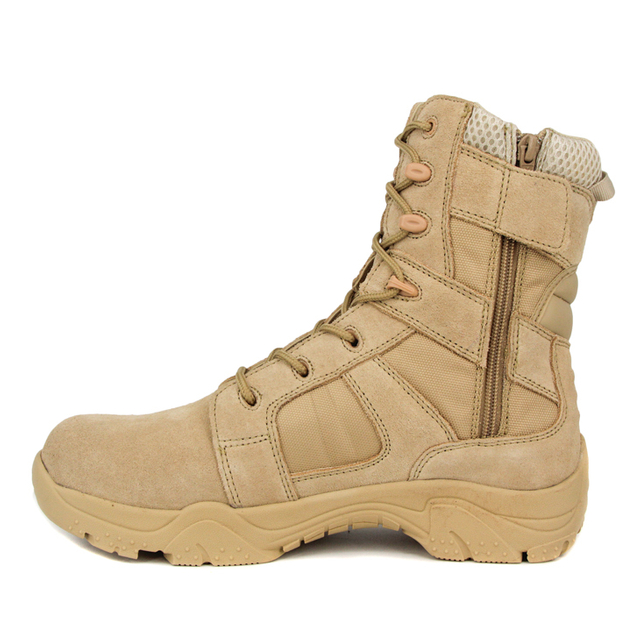
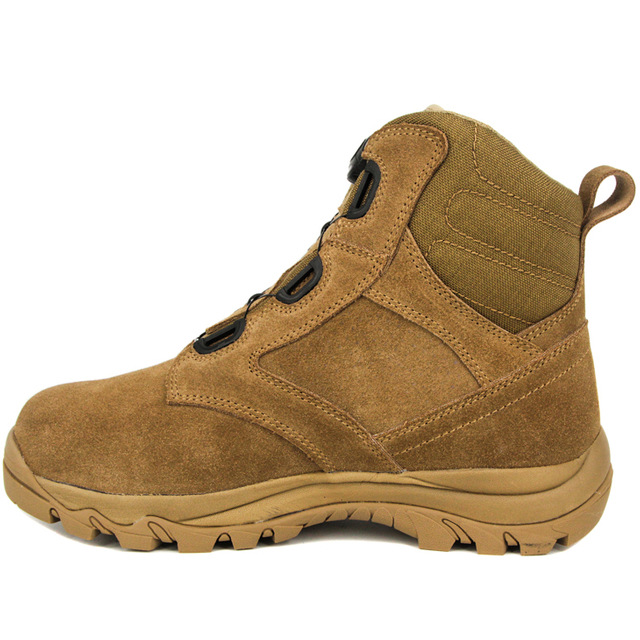
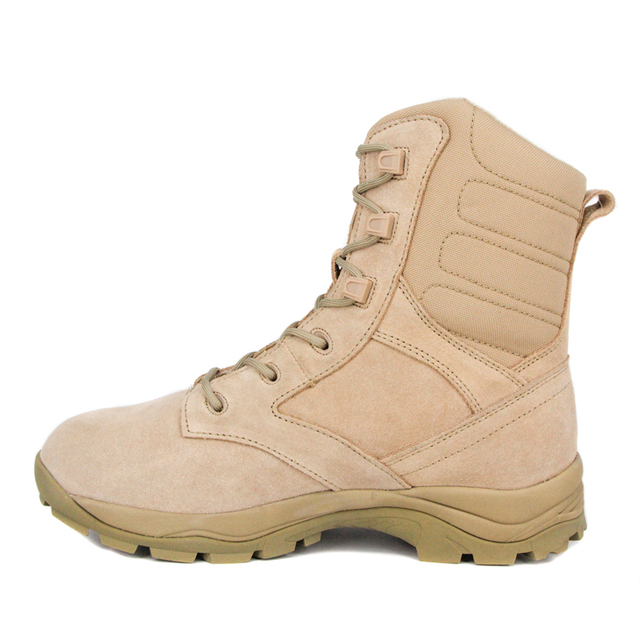
Desert operations place very different demands on footwear than urban patrol, jungle movement, or general-duty use. High surface temperatures, abrasive sand, dry air, long movement distances, and repeated exposure to dust can quickly expose weaknesses in materials, outsole design, and overall boot construction. For institutional buyers, that means desert deployment footwear should never be treated as a generic category request.
In many procurement projects, the term "desert boots" is used too broadly. One buyer may need lightweight footwear for hot-weather patrol, while another may need more structured boots for prolonged deployment in dry and rocky terrain. A project can also involve multiple performance priorities at once, such as heat management, ankle support, slip resistance, durability, and compatibility with uniform requirements. Without clarifying these needs early, the ordering process becomes slower, sampling takes longer, and revisions increase.
That is why desert footwear projects should begin with clearer technical and operational inputs. Buyers who define the mission environment, wear conditions, and expected performance standards early are more likely to receive useful recommendations, accurate quotations, and sample proposals that fit the actual application.
Before finalizing a desert-specific program, many teams first review broader military boot categories to confirm whether the project is strictly for desert deployment or overlaps with patrol, field, or mixed-environment use.
Key Takeaway
Desert deployment footwear should be specified by operating conditions, not by product name alone. Institutional buyers should confirm the application environment, upper materials, breathability targets, outsole structure, support level, weight expectations, and order requirements before moving into quotation or sample development.
A well-prepared requirement set usually includes:
deployment environment and terrain description
target user group and duty type
preferred upper material or material combination
outsole expectations for traction and wear resistance
desired boot height and support level
any functional requirements such as breathability or quick-drying performance
order stage, sample purpose, and target quantity
Projects with more detailed early inputs are usually easier to align through structured custom military footwear solutions and faster to move into sample review.
Why Desert Deployment Footwear Requires a Different Specification Approach
Desert footwear is often expected to perform under conditions that are harsh but deceptively simple. Buyers may focus on heat alone, but heat is only one part of the performance picture. Dry sand, loose gravel, rough ground, long hours of standing or walking, and repeated dust intrusion all influence how a boot should be specified.
A desert deployment program may need to support:
long-duration wear in hot environments
repeated exposure to dust and abrasive particles
movement across sand, rock, and mixed dry terrain
stable support during load-bearing activity
consistent comfort during patrol or deployment use
These conditions influence not only materials, but also the balance between structure and flexibility. A boot that is too heavy may become inefficient during extended use. A boot that is too light may lose durability or support. A boot with insufficient breathability may increase discomfort and reduce wear acceptance, while a boot with inadequate outsole design may underperform on loose and shifting ground.
For this reason, desert deployment footwear should be treated as a mission-fit procurement category rather than a style-based variation of standard military footwear.
Who Usually Sources Desert Deployment Footwear
Not every desert footwear project is the same, and the sourcing context often shapes the technical priorities. Buyers should define the intended user group as early as possible because that affects material choices, structure, packaging, approval methods, and even visual requirements.
Typical sourcing scenarios include:
defense-related deployment programs
government procurement for field personnel
law enforcement and border-use projects in dry climates
security uniform programs operating in hot and abrasive environments
distributors sourcing desert boots for hot-weather deployment in institutional channels
Each of these buyers may evaluate performance differently. A deployment-focused program may prioritize wear resistance, support, and operational durability. A hot-weather patrol project may lean more heavily toward reduced weight, breathability, and mobility. A distributor may also need a specification that balances performance with wider market adaptability.
The Most Important Specifications Buyers Should Clarify Before Ordering
1. Operating Environment
The first question should not be "Which desert boot model is available?" It should be "What exact conditions will this footwear face?"
Buyers should clarify:
A hot, dry training area is different from a rocky desert border zone. Fine sand behaves differently from hard-packed dry ground. Long shifts on mixed terrain place different demands on cushioning and support than short-term movement.
2. Upper Material Construction
Upper material selection affects weight, abrasion resistance, heat handling, flexibility, and maintenance expectations. Desert projects often use combinations rather than a single material type.
Common upper approaches include:
leather for structure and abrasion resistance
suede or split leather for a more desert-oriented surface finish
nylon panels for reduced weight and improved airflow
mixed constructions for balancing support and breathability
Buyers should not define the upper only by appearance. The material decision should reflect actual field conditions, expected wear duration, and target maintenance level.
3. Breathability and Heat Management
In hot-weather operations, comfort and heat handling can influence user acceptance as much as durability. Poor ventilation can reduce wear comfort during long hours and may become a frequent source of complaints during field use.
To clarify this requirement, buyers should define:
whether high airflow is a major priority
whether reduced internal heat buildup is required
whether quick-drying performance matters
whether the project can accept some trade-off between breathability and heavier structure
A more breathable build may improve comfort in hot and dry environments, but it should still provide sufficient protection and stability for the intended use.
4. Outsole Design and Ground Interaction
Outsole design is one of the most overlooked specification areas in desert projects. Buyers often request "durable outsole" or "desert outsole" without clarifying how the boot will actually interact with the terrain.
A useful outsole review should consider:
traction on loose sand
grip on rocky dry ground
wear resistance on abrasive terrain
lug depth and pattern suitability
stability during long movement
Different projects may prioritize different traction behaviors. Some require better grip on loose surfaces, while others need improved durability on harsh rocky ground. Buyers comparing options often benefit from first reviewing desert boots for hot-weather deployment to narrow down outsole expectations by terrain type.
5. Boot Height and Support
Boot height is not only a style preference. It affects ankle coverage, support, movement comfort, and overall application fit.
Buyers should define:
whether the project needs higher support for field deployment
whether lower-weight mobility is more important
whether long-distance movement is expected
whether the end users carry loads or operate on unstable terrain
Higher boots may offer greater support and protection, while lighter and more flexible designs may suit mobility-focused tasks. The correct choice depends on the mission profile rather than visual similarity to previous orders.
6. Weight and Wear Duration
Weight matters more in desert projects than many buyers expect. Extended wear in hot conditions can increase fatigue, especially when footwear is combined with heavy equipment and long duty periods.
A realistic weight discussion should ask:
will users wear the boots for long continuous shifts?
is fast movement a priority?
how much structure is required relative to mobility?
does the project favor ruggedness over lightness, or a balanced approach?
This is not simply about choosing the lightest option. Instead, the project should aim for the most appropriate balance between support, durability, and movement efficiency.
A Practical Specification Table for Desert Footwear Projects
| Specification Area | What Buyers Should Clarify | Why It Matters |
| Operating environment | Heat, terrain, duty duration, deployment type | Prevents vague product selection |
| Upper construction | Leather, suede, nylon, or mixed materials | Affects support, weight, and durability |
| Breathability | Airflow expectations and heat management | Improves wear comfort in hot climates |
| Outsole design | Traction pattern, lug depth, wear resistance | Supports movement on sand and dry terrain |
| Boot height | Low, mid, or higher support structure | Changes mobility and ankle stability |
| Weight target | Lightweight, balanced, or more structured | Influences fatigue and movement efficiency |
| Functional extras | Quick-drying, padded collar, reinforced zones | Aligns with mission-specific use |
| Order information | Quantity, sample stage, timeline | Speeds quotation and development |
Common Mistakes Buyers Make in Desert Footwear RFQs
A strong project can still lose time if the request is too general. Many delays happen not because the footwear category is difficult, but because the initial requirement set is incomplete.
The most common mistakes include:
Using Only the Product Name
Requesting "desert boots" without describing terrain, duty type, and wear conditions leaves too much open to interpretation.
Focusing on Appearance More Than Performance
Color and surface style matter, but operational fit should come first. A desert-colored boot is not automatically suitable for desert deployment.
Not Clarifying the Main Priority
Some projects need maximum breathability. Others need stronger support or better abrasion resistance. If buyers do not rank these priorities, the development direction may become inconsistent.
Omitting Quantity and Project Stage
The supplier should know whether the request is for market testing, tender preparation, distributor evaluation, or bulk procurement. This affects recommendation quality and production planning.
Treating All Desert Terrain the Same
Fine sand, rocky dry ground, and mixed-temperature field conditions do not place identical demands on footwear.
These problems often lead to slower quotations, broader sample variation, and more revision rounds than necessary.
What Information Helps Suppliers Recommend the Right Program
When a desert footwear inquiry is well prepared, the response becomes much more useful. Instead of sending a generic product list, the supplier can recommend a more suitable direction based on actual project needs.
The most helpful inputs include:
intended application environment
target user group
expected duty pattern
material preferences, if known
key performance priorities
desired boot height
estimated quantity
whether a reference sample, drawing, or tender file exists
target timeline for sampling or bulk ordering
Projects that require coordinated material, outsole, support, and branding decisions are easier to align when the technical review begins within a clear custom military footwear solutions framework.
How to Decide Between a Standard Direction and a Custom Direction
Not every project needs a fully customized development path. Some buyers may be able to start from an existing category direction and make only limited adjustments. Others need a more tailored path because their requirements are more specific.
A standard or near-standard direction may be appropriate when:
the project accepts common desert-oriented material combinations
no unique structural changes are required
branding and packaging are simple
the use case is relatively straightforward
A more customized direction may be appropriate when:
outsole behavior must match very specific terrain conditions
materials need to follow defined project standards
height, collar structure, or reinforcement areas require adjustment
branding, packaging, or labeling must match institutional requirements
the project involves formal approval stages or tender documentation
The earlier this distinction is made, the smoother the sample stage usually becomes.
A Buyer Checklist Before Moving to Quotation or Sampling
Before requesting technical review or pricing, buyers should confirm the following:
What environment will the boots be used in?
What type of duty or deployment are they for?
What upper material direction is preferred?
What outsole performance is expected?
What support level and boot height are needed?
Are breathability and reduced weight major priorities?
Is there a target quantity or project stage already defined?
Is there a sample, specification sheet, or reference image available?
Are there branding or packaging requirements?
What is the expected timeline for review, sample, or order placement?
Once these points are clear, buyers can move more confidently into technical discussion and submit project requirements for a more accurate assessment.
Conclusion
Desert deployment footwear should be specified according to operational use, terrain behavior, and performance priorities rather than product name alone. Institutional buyers that define environment, upper construction, outsole needs, support level, weight expectations, and project scope at the beginning usually receive more relevant recommendations and fewer unnecessary revisions.
A stronger starting brief improves more than just quotation speed. It also helps align sample development, reduces misunderstandings during review, and supports a better match between the final footwear program and real deployment conditions. In desert projects, clarity at the specification stage is one of the most practical ways to improve both procurement efficiency and product fit.
FAQ
What is the most important factor when ordering desert deployment footwear?
The operating environment is usually the most important starting point. Heat, terrain type, duty duration, and movement pattern all influence material, outsole, and support requirements.
Are desert boots always lightweight?
Not necessarily. Some desert-oriented boots are designed to reduce weight and improve airflow, while others use more structure for support and durability. The right balance depends on the application.
Should buyers always choose highly breathable materials for hot-weather use?
Breathability is important in many desert projects, but it should be evaluated alongside abrasion resistance, support, and wear expectations. A more breathable build is not automatically the best choice for every deployment profile.
Does outsole design matter that much in desert footwear?
Yes. Loose sand, dry rock, and abrasive mixed terrain place different demands on traction and wear resistance. Outsole structure should be reviewed based on actual ground conditions.
What should be included in a desert footwear inquiry?
A strong inquiry usually includes environment, duty type, target user group, material preference, outsole expectations, boot height, quantity, timeline, and any available sample or technical file.
When is a custom direction better than a standard option?
A custom direction is often more suitable when the project has specific performance targets, structural changes, branding requirements, or approval standards that cannot be covered well by a standard specification.