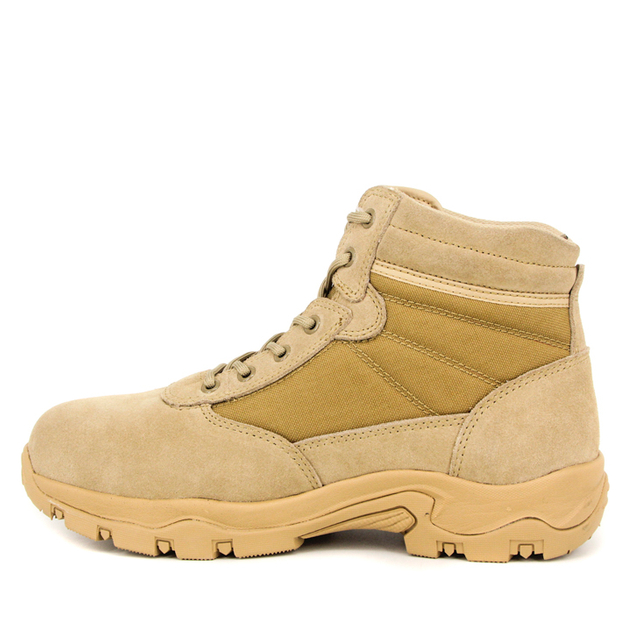
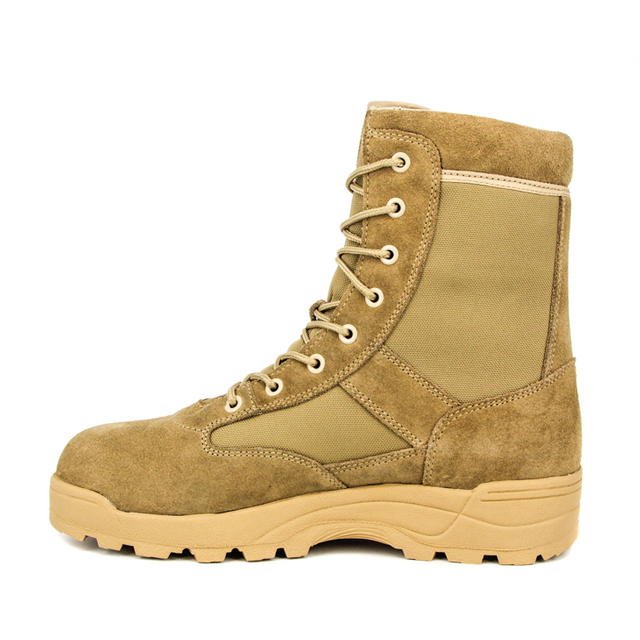
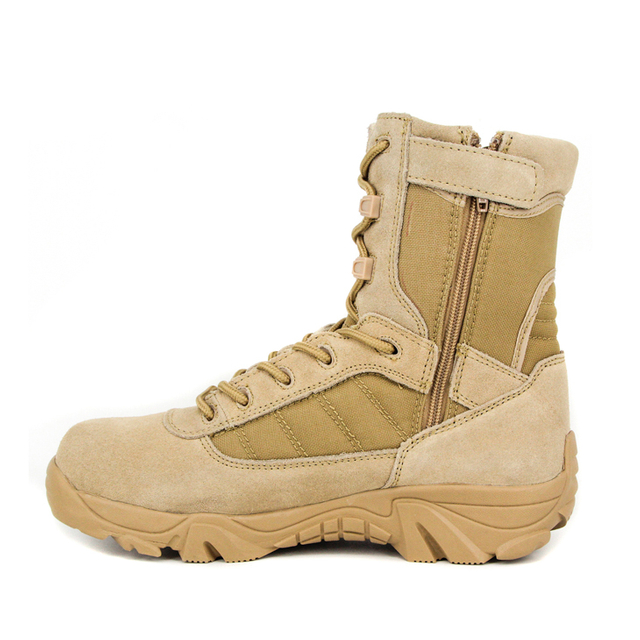
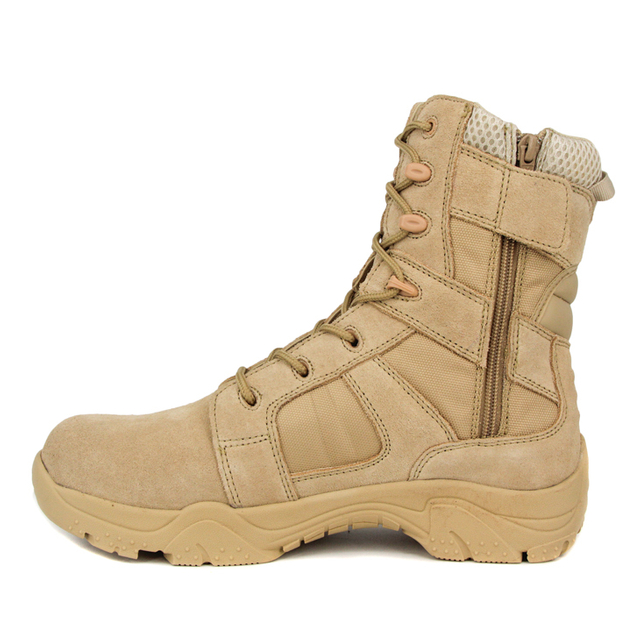
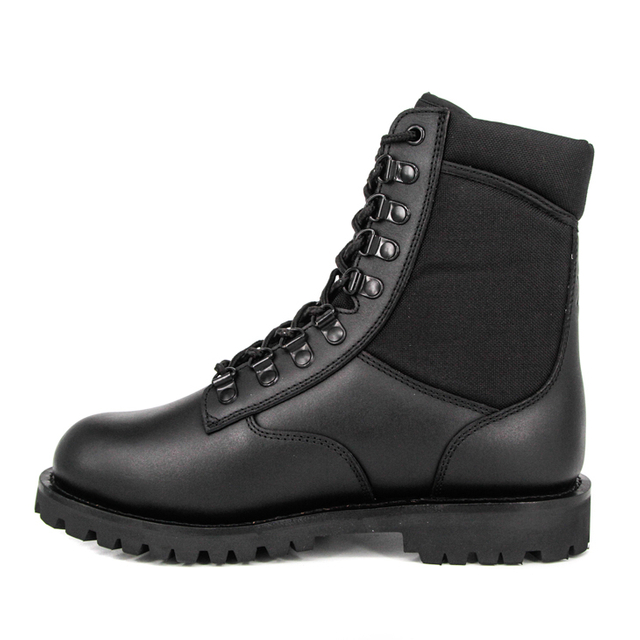
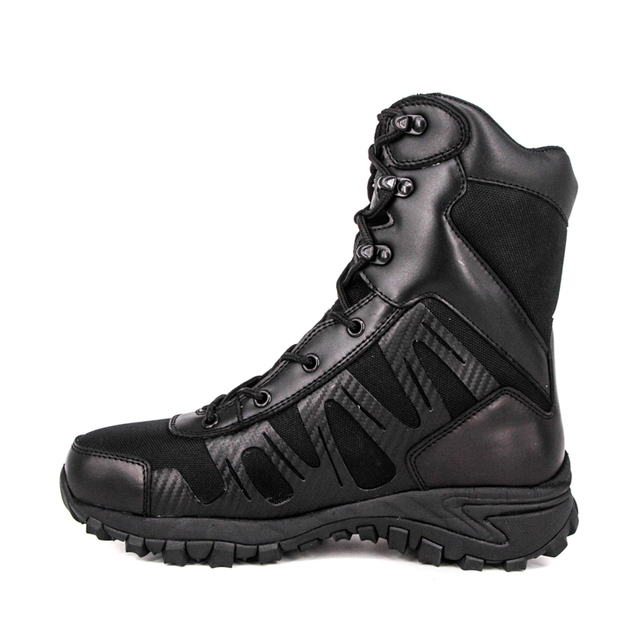
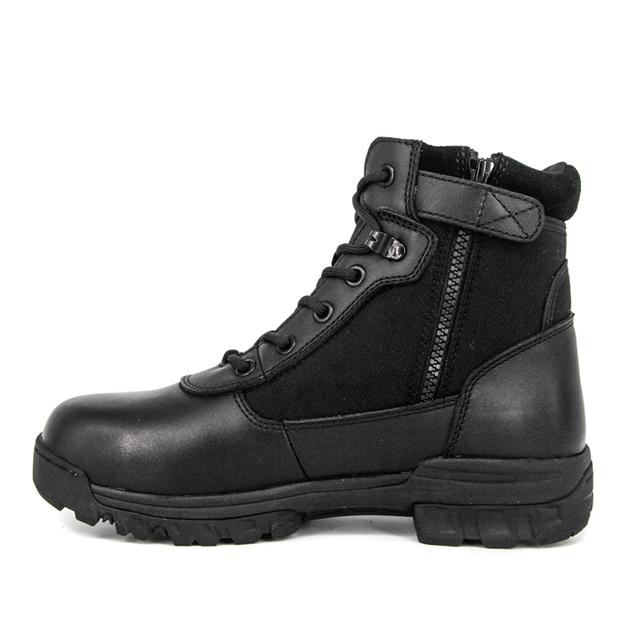
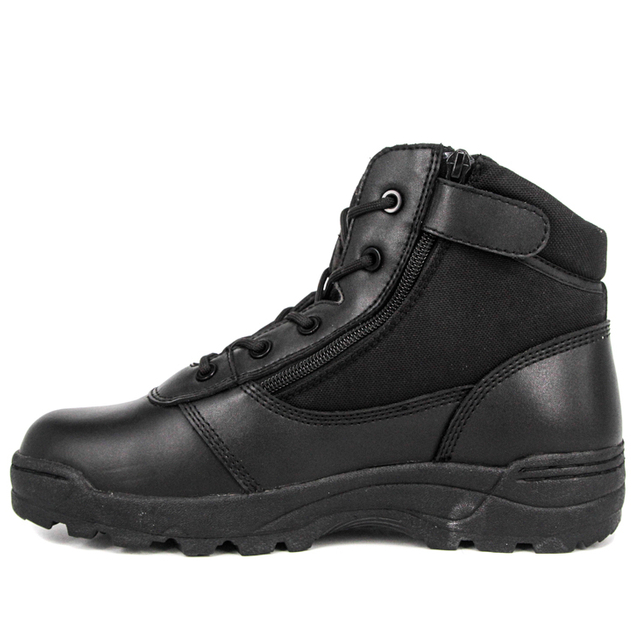
In military and institutional footwear procurement, category labels are often used too broadly. Buyers may request combat boots or tactical boots as if the two are interchangeable, but in practice they are not always evaluated for the same use profile. Both categories may appear similar at a distance, and both may serve operational users, yet the underlying procurement logic can differ significantly depending on mission type, movement requirements, support expectations, and wear conditions.
This distinction becomes especially important when projects move from general sourcing to specification review. A boot selected for prolonged field deployment may need a different balance of support, structure, outsole behavior, and upper construction than a boot intended for patrol, rapid response, or day-to-day operational movement. If the category decision is too loose at the beginning, buyers may end up reviewing products that are technically well made but not well matched to the intended application.
For this reason, category comparison should not focus only on appearance or terminology. The more practical question is how each category aligns with real mission demands. In other words, buyers should not ask only whether a boot is labeled "combat" or "tactical." They should ask which category better supports the operational use, user expectations, and procurement priorities of the project.
Key Takeaway
Combat boots and tactical boots are not simply two names for the same product category. In procurement, combat boots are often associated with more structured field-oriented use, while tactical boots are often evaluated for patrol, response, and mobility-focused operational roles. The right choice depends on mission type, movement demands, support requirements, terrain exposure, and wear duration.
Buyers should compare the two categories based on:
In some programs, one category is clearly more suitable than the other. In others, the project may require more than one footwear direction across different user groups. A well-defined selection process often works better when linked to custom military footwear solutions rather than relying on category labels alone.
Why This Comparison Matters in Procurement
A category mistake in footwear procurement can create several downstream problems. It can affect sample approval, user acceptance, pricing alignment, and even the way technical requirements are interpreted during development.
When buyers use combat boots and tactical boots interchangeably, one of two things often happens:
the supplier responds with a broad product interpretation
the project moves into sample review before category expectations are fully aligned
Neither outcome is ideal. A broad interpretation may produce a quotation or sample that only partially matches the actual need. A rushed sample review may result in repeated revisions because the project team later realizes the category direction itself was not correct.
A clearer comparison at the beginning helps buyers:
choose the more suitable product direction
reduce ambiguity in quotations and specifications
improve sample relevance
align user expectations earlier
reduce internal confusion in multi-stakeholder projects
This is especially useful when the project involves field deployment, patrol operations, mixed-duty programs, or multiple usage scenarios under one procurement framework.
What Combat Boots Are Usually Evaluated For
Combat boots are often associated with more demanding field-oriented applications. In procurement terms, they are typically reviewed for categories where structure, support, durability, and stability carry significant weight.
This does not mean every combat boot is heavy or rigid, but the category often points toward a more substantial construction profile.
Common procurement associations for combat boots
field deployment use
demanding outdoor terrain
longer-duration operational wear
stronger support expectations
greater emphasis on ruggedness and protection
Buyers may evaluate combat boots for:
structured upper support
durable outsole construction
stability under load-bearing movement
more substantial ankle coverage
resistance to rough terrain exposure
When buyers assess combat boots, they are often prioritizing how the footwear performs in more physically demanding field conditions rather than in lighter movement-focused duty patterns.
What Tactical Boots Are Usually Evaluated For
Tactical boots are often associated with mobility, flexibility, and operational responsiveness. They are commonly reviewed for patrol, response, law enforcement, and mixed operational scenarios where comfort and movement efficiency are highly relevant.
Again, this does not mean tactical boots are light-duty products. Many are highly capable operational boots. The difference lies more in the balance of priorities.
Common procurement associations for tactical boots
patrol and response activity
frequent movement and mobility
operational versatility
long shifts with repeated walking or standing
lighter or more flexible construction priorities
Buyers may evaluate tactical boots for:
lower weight relative to structure
movement comfort
fast-on-duty practicality
balanced support for active use
grip suited to patrol or mixed surfaces
When teams compare tactical boots for patrol use, they often emphasize agility, comfort, and day-to-day operational practicality more strongly than in field-heavy combat-oriented categories.
The Real Difference Is Usually in the Balance of Priorities
The most useful way to compare combat boots and tactical boots is not to assume one is "stronger" and the other is "lighter." It is to examine which performance balance each category is designed to support.
A category comparison usually comes down to trade-offs across:
structure versus flexibility
support versus agility
ruggedness versus reduced weight
field endurance versus patrol comfort
deployment stability versus operational versatility
That balance may vary from supplier to supplier and from project to project, but as a procurement framework, it is still a useful way to separate the two categories.
Comparing Combat Boots and Tactical Boots by Selection Criteria
1. Mission Type
Mission type should be the first filter. If the project supports extended field movement, load-bearing use, or more demanding terrain exposure, combat boots may be the stronger starting point. If the project supports patrol, urban response, or active day-to-day operations, tactical boots may offer a better fit.
2. Movement Pattern
Buyers should consider how the end users actually move during use.
Questions to ask include:
Are movements continuous and long-range?
Is rapid directional movement common?
Will users stand and walk for long shifts?
Is the use more deployment-focused or patrol-focused?
Movement pattern often reveals whether the project needs more structure or more mobility.
3. Support Requirements
Combat-oriented categories are often reviewed where stronger support and more substantial upper structure are expected. Tactical categories may still provide support, but often in a more movement-friendly balance.
4. Weight Expectations
If reduced weight is a major procurement priority, tactical-oriented directions may be more attractive. If the project can accept more structure in exchange for support and ruggedness, combat-oriented directions may make more sense.
5. Terrain and Surface Exposure
Terrain matters. A project involving rocky, uneven, or harsh outdoor conditions may lean more clearly toward combat-style performance priorities. Mixed patrol surfaces may point toward tactical-category flexibility.
6. Wear Duration and User Fatigue
Footwear used for extended operational hours must be evaluated not only for protection but also for wear comfort. Tactical footwear often performs well in discussions around mobility and long-shift practicality, while combat boots may perform better where endurance under rougher conditions matters more than reducing weight.
A Practical Comparison Table
| Comparison Factor | Combat Boots | Tactical Boots | Procurement Consideration |
| Typical use direction | Field deployment and rugged operational use | Patrol, response, and mixed operational use | Match to mission profile |
| Structure | Often more substantial | Often more flexible | Depends on support need |
| Weight profile | May be heavier or more structured | Often lighter or more mobility-oriented | Important for shift comfort |
| Support level | Commonly emphasized | Balanced with movement flexibility | Depends on duty pattern |
| Terrain fit | Stronger field and outdoor orientation | Stronger mixed-surface or patrol orientation | Evaluate real ground conditions |
| Mobility | Usually secondary to structure | Often a major advantage | Relevant for active operational use |
| Wear comfort focus | Endurance in tougher conditions | Day-to-day operational comfort | Depends on shift style |
| Best fit | Deployment, load-bearing, field-oriented roles | Patrol, law enforcement, fast-response roles | Selection should follow operational reality |
How Buyers Should Choose by Mission Type
Field Deployment
For projects involving prolonged field activity, rough terrain, or stronger support needs, combat boots are often the better starting point. Buyers in this category usually prioritize:
stronger structure
more rugged outsole behavior
better support in unstable terrain
greater confidence under demanding use
Patrol and Response
For patrol and response programs, tactical boots often make more sense because movement efficiency and long-shift comfort matter more in everyday use.
Buyers often look for:
Training Use
Training programs may sit between the two categories. The correct direction depends on whether the training environment resembles field deployment or patrol-based operational movement.
Support and Logistics Roles
Support roles may not require maximum ruggedness, but they still need durability and comfort. Some projects in this area may fit tactical-category footwear better, especially if daily mobility matters more than field exposure.
When a Project May Need More Than One Category
One common procurement mistake is assuming the entire project must fit under one label. In reality, some programs involve users with different operational needs.
A single procurement framework may cover:
In such cases, the correct answer may not be combat boots or tactical boots alone. The project may need two category directions or one main category with variations.
This is one reason many buyers move from broad category naming toward more detailed custom military footwear solutions when the user profile is not uniform across the whole program.
Common Buyer Mistakes in Category Selection
Choosing by Label Instead of Use Case
A category name should not replace application analysis. Buyers should define how the boots will be used before selecting the label.
Assuming Heavier Means Better
A more substantial boot is not automatically more suitable. Extra structure is useful only when the application requires it.
Assuming Lighter Means More Advanced
Reduced weight can improve mobility, but if support or ruggedness is compromised, the result may not fit the mission.
Ignoring User Movement Patterns
Patrol, deployment, and mixed operational use involve very different movement realities. Selection should follow those patterns.
Overlooking Multi-Category Projects
Large or mixed-role programs may need more than one footwear direction.
A Buyer Checklist Before Confirming the Category
Before deciding between combat boots and tactical boots, confirm the following:
What is the main mission type?
What surfaces and terrain will be involved?
How much support is required?
How important is reduced weight?
Will users be in field deployment, patrol use, or mixed roles?
How long will the boots typically be worn during a shift or operation?
Is ruggedness a higher priority than movement speed?
Is one category enough, or does the project include multiple user needs?
Once these questions are answered clearly, buyers can discuss project requirements with much better category alignment and less risk of reviewing the wrong sample direction.
How This Comparison Supports Better Sampling and Quotation
A clearer category decision improves more than product selection. It also improves the way the supplier interprets the request.
When the category direction is clear:
quotations are easier to align
materials and outsole recommendations become more relevant
sample development is more focused
buyer feedback becomes more precise
approval criteria are easier to define
A request that simply asks for "operational boots" may be interpreted too broadly. A request that defines the mission type, movement pattern, and support expectations can narrow the project significantly before sampling begins.
Conclusion
Combat boots and tactical boots should not be treated as interchangeable labels in procurement. While both categories can serve operational users, they are often evaluated against different mission realities. Combat boots are commonly associated with more structured field-oriented use, while tactical boots are often reviewed for mobility, patrol comfort, and response-oriented operations.
The better choice depends on mission type, movement pattern, terrain exposure, support requirements, and wear duration. Buyers who define these conditions clearly can make better category decisions, improve quotation accuracy, and reduce unnecessary revisions during sample development.
In some projects, the answer will be clear. In others, the most practical solution may involve multiple footwear directions across different roles. Either way, a stronger category decision comes from operational analysis rather than terminology alone.
FAQ
Are combat boots always heavier than tactical boots?
Not always, but combat boots are often associated with more structure and field-oriented support. The exact weight depends on design, materials, and construction.
Are tactical boots only for law enforcement?
No. Tactical boots are used in a range of operational settings, but they are often favored in patrol, response, and movement-focused roles because of their balance of support and mobility.
Which category is better for long field deployment?
Combat boots are often the stronger starting point for long field deployment, especially where terrain exposure and support requirements are significant.
Which category is better for patrol and daily operational use?
Tactical boots are often better suited for patrol and day-to-day operational use because they tend to emphasize mobility, comfort, and practical movement over long shifts.
Can one project include both combat boots and tactical boots?
Yes. Some programs involve multiple user groups or duty profiles, so the best procurement structure may include more than one footwear direction.
Why is mission type more important than product label?
Because the same label can be interpreted broadly, while mission type directly influences the support level, structure, terrain fit, and movement demands that the footwear must meet.