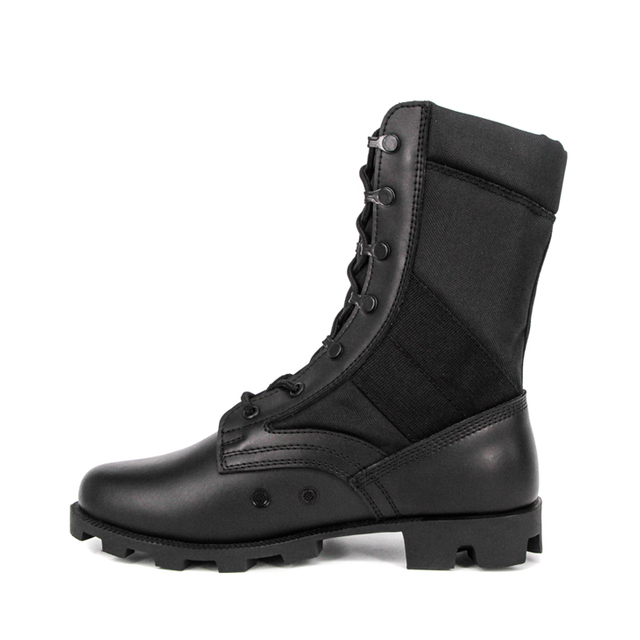
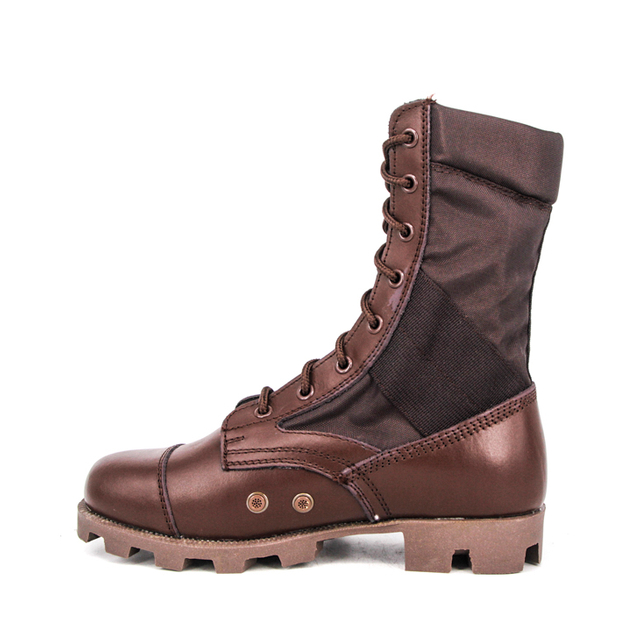
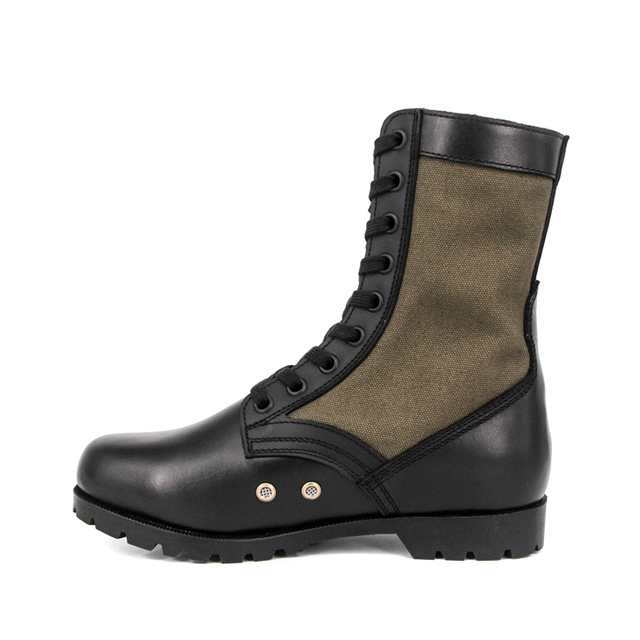
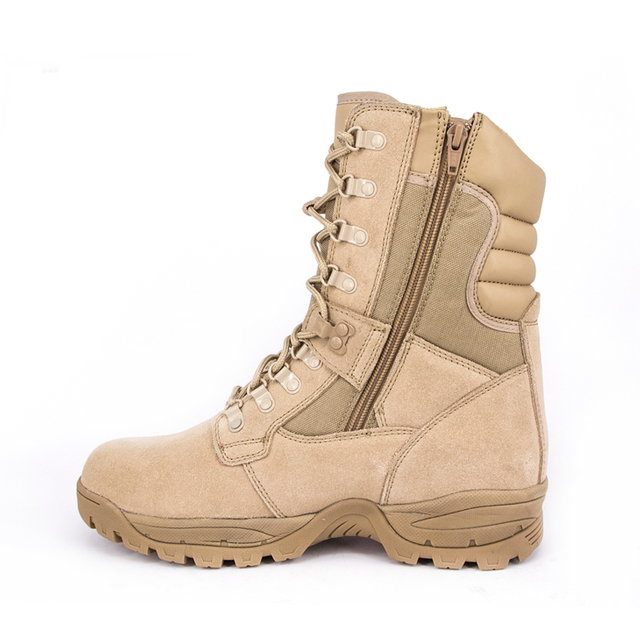
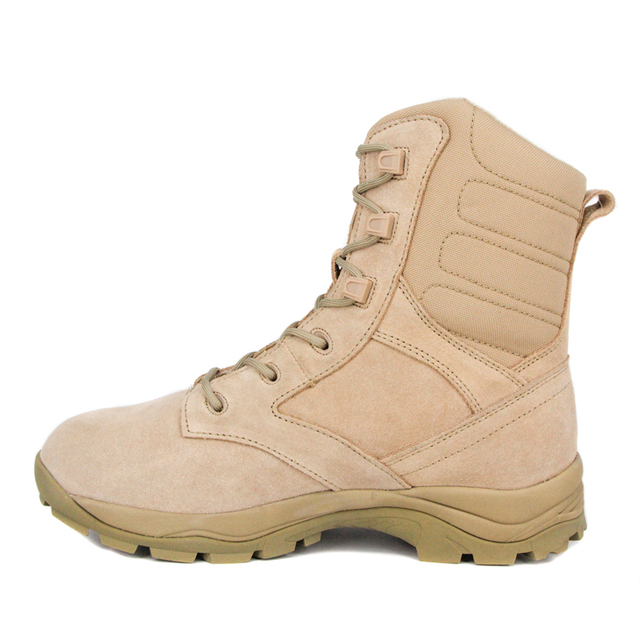
A quotation process is only as efficient as the information behind it. In military footwear projects, buyers often expect pricing to move quickly, but quotations are frequently delayed by incomplete requirements, unclear application details, or missing technical inputs. When a request includes only a general product name and a target quantity, it leaves too many open questions about materials, construction, performance expectations, and project scope.
This becomes even more important in institutional and project-based procurement. A request for combat boots, tactical boots, desert boots, or duty footwear can point in very different directions depending on the environment, intended users, support requirements, outsole preferences, branding needs, and development stage. Without that context, an initial quotation may be broad, inaccurate, or subject to repeated revision.
A faster quotation is not only about speed. It is also about getting a more useful commercial and technical response from the start. When buyers prepare structured inputs, suppliers can evaluate the request more accurately, recommend a more suitable direction, and reduce the number of follow-up clarification cycles.
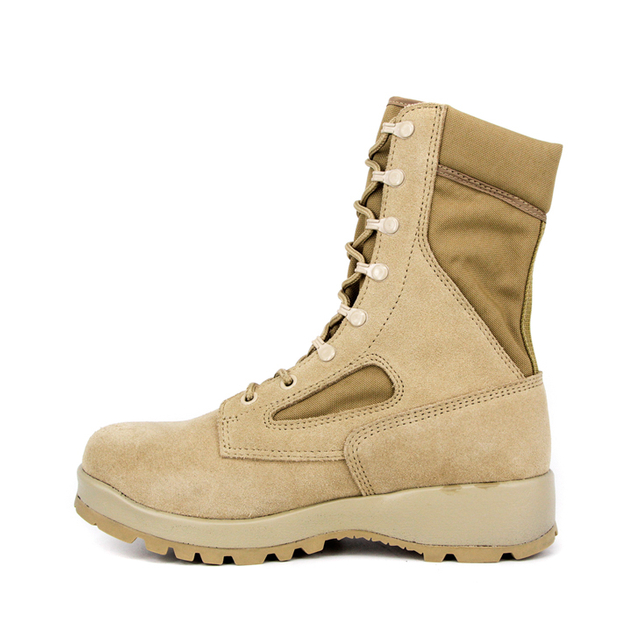
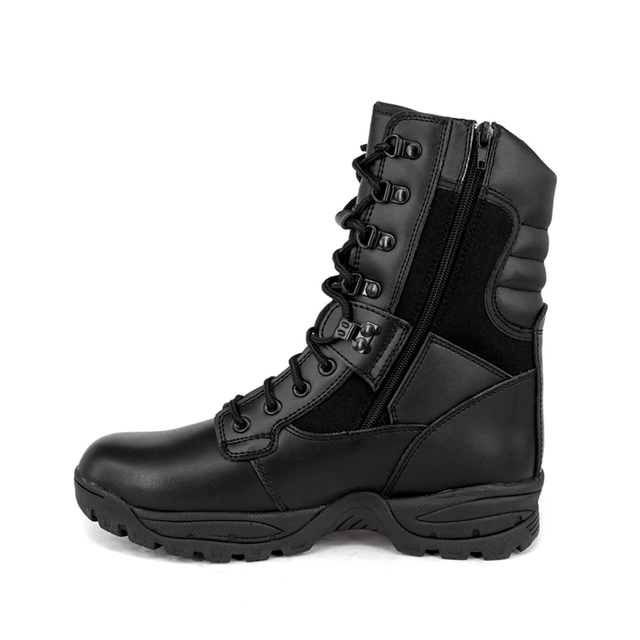
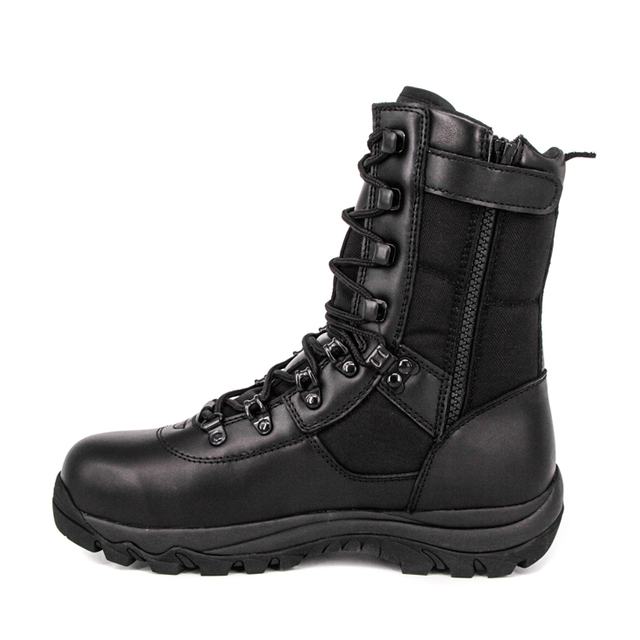
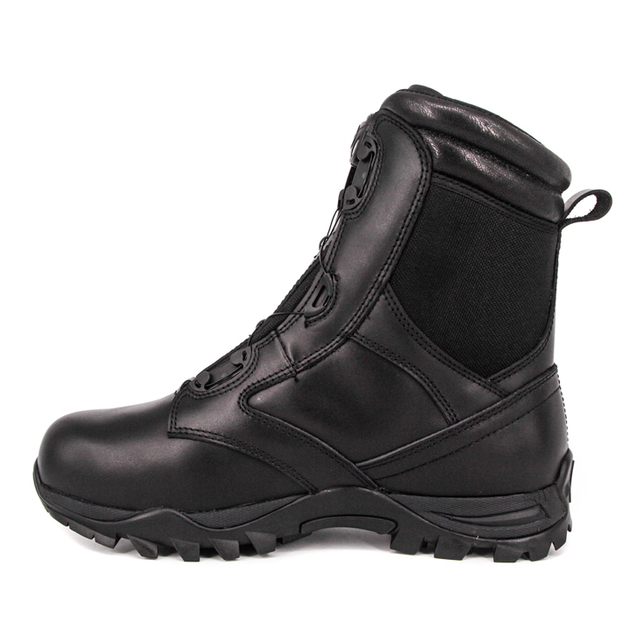
In practice, many efficient inquiries begin with a review of the main military boot product categories so the quotation request is based on the correct application direction rather than a broad product label alone.
Key Takeaway
Buyers can usually get faster and more accurate military boots quotations by preparing operational, technical, and commercial details before sending the inquiry. The more clearly the request defines the product category, application environment, specifications, quantity, and timeline, the easier it is to move from inquiry to practical pricing and development discussion.
The most useful quotation inputs usually include:
target product category
intended application environment
target user group
estimated quantity
preferred materials or construction direction
outsole expectations
required features or performance priorities
branding or packaging requirements
sample, drawing, image, or tender file if available
target timeline for quotation, sampling, or order review
Why Quotations Often Take Longer Than Buyers Expect
Many quotation delays are not caused by pricing complexity alone. In many cases, the core issue is that the original inquiry is too broad to support accurate evaluation. A request may say "military boots" or "tactical boots" without defining the mission environment, boot structure, material expectations, or whether the project is for market testing, tender preparation, or bulk procurement.
This creates several problems at once:
the product direction remains unclear
technical assumptions vary too widely
material and construction choices cannot be narrowed efficiently
pricing may have to be presented only as a rough range
follow-up clarification becomes necessary before meaningful review can continue
For procurement teams, this means a slow quotation is often a symptom of missing project definition rather than slow response alone. Better input quality usually improves response quality.
Start with the Right Product Direction
Before asking for pricing, buyers should define what kind of military footwear they are actually sourcing. That sounds basic, but many quotation requests begin at a level that is too general.
A useful product direction should answer at least one of these questions:
What category is the project closest to?
What operating conditions will the boots be used in?
What duty type is the footwear intended for?
Is the project aimed at a standard category or a customized direction?
For example, a quotation request for desert deployment footwear is very different from one for duty boots used in urban law enforcement or formal officer footwear in uniform programs. Even when the outward appearance seems similar, differences in upper materials, outsole design, support level, and performance expectations can significantly affect pricing.
The Essential Information Buyers Should Prepare First
A useful quotation request does not need to contain every technical detail at once, but it should include enough structure to support a practical response. The following information usually creates the strongest starting point.
1. Product Category
The category helps define the quotation direction immediately. Buyers should identify whether the request is closest to:
If the category is still under review, that can be stated, but buyers should at least describe the intended application.
2. Application Environment
The operating environment directly affects material, outsole, and construction decisions. Without it, the supplier may have to make assumptions that later lead to revision.
Useful environment details include:
3. Target User Group
A quotation request becomes much more accurate when the intended users are identified early. The same product category may be evaluated differently depending on whether it is for defense personnel, police units, government uniform programs, distributors, or security teams.
4. Estimated Quantity
Quantity affects not only unit pricing, but also development decisions, packaging planning, and feasibility of custom elements. A request should indicate whether the quantity is:
5. Timeline
A quotation is more useful when timing expectations are known. Buyers should indicate whether the project is early-stage, time-sensitive, or linked to a formal procurement schedule.
Technical Details That Improve Quotation Accuracy
Once the basic project frame is clear, technical inputs help move the quotation from general to practical.
Upper Material Direction
Buyers do not always need to specify exact material codes at the start, but they should indicate the intended direction, such as:
full leather
suede or split leather
leather and nylon combination
lighter hot-weather upper construction
more structured duty-oriented upper
In many custom military footwear service projects, material direction is one of the main factors shaping both pricing and product recommendation.
Outsole Expectations
A request should clarify the outsole's intended performance role. This can include:
traction on dry terrain
slip resistance for duty use
wear resistance on rough ground
support for patrol movement
balance between grip and durability
Even a brief outsole description is better than leaving the topic undefined.
Functional Requirements
Quotations become more accurate when buyers identify the features that matter most. Common examples include:
breathability
waterproofing
anti-slip performance
puncture resistance
heat resistance
reduced weight
ankle support
Not every request needs every feature, but priorities should be stated where possible.
Boot Height and Structure
Height and structure often influence both materials and overall construction. Buyers should clarify whether the project needs:
Branding and Packaging
Many delays happen because custom elements are raised late in the process. If logos, cartons, labels, or instruction inserts are needed, that should be mentioned in the quotation request.
A Practical Quotation Preparation Table
| Information Area | What Buyers Should Prepare | Why It Matters |
| Product category | Combat, tactical, desert, duty, officer, or other direction | Helps define the quotation path |
| Application environment | Terrain, weather, shift pattern, duty type | Supports correct specification assumptions |
| User group | Defense, police, distributor, security, government program | Clarifies use priorities |
| Quantity | Sample, pilot, tender, bulk estimate | Affects pricing and feasibility |
| Timeline | Review deadline, sample timing, order schedule | Helps set response expectations |
| Upper materials | Leather, nylon, mixed, or preferred construction | Shapes product recommendation and price |
| Outsole needs | Grip, wear resistance, slip resistance, terrain type | Improves technical relevance |
| Functional priorities | Breathability, waterproofing, support, durability | Helps rank design trade-offs |
| Branding and packaging | Logo, labels, cartons, inserts | Avoids late-stage changes |
| Supporting files | Sample, image, tech sheet, tender document | Speeds review and reduces guesswork |
If a Sample, Drawing, or Tender File Is Available
Supporting files can significantly improve quotation quality. A sample, sketch, image set, specification sheet, or tender document often answers questions that would otherwise require several rounds of clarification.
The most useful supporting materials include:
reference photos
existing product samples
marked-up drawings
material preference notes
target specification lists
tender or procurement requirement documents
These materials do not need to be perfectly complete in order to help. Even partial supporting documents can narrow the quotation direction and improve the technical discussion around the project.
If such materials are ready, buyers can request a quotation with much stronger reference points and a better chance of receiving a practical response.
Common Problems That Weaken Quotation Requests
Even when buyers are serious and ready to move, some requests are still too open to support useful pricing. The most common issues include the following.
The Request Is Too General
A message asking for "military boots price" or "combat boots quotation" is usually too broad to generate a precise answer.
No Application Context Is Provided
Without knowing where and how the boots will be used, suppliers must estimate too much.
Features Are Listed Without Priority
A request that asks for maximum durability, maximum lightness, waterproofing, and low cost all at once may require trade-offs. If priorities are not ranked, quotation alignment becomes harder.
Quantity Is Missing or Unrealistic
Without a quantity range or project stage, it is difficult to judge whether the request should be treated as sample development, standard product review, or bulk pricing preparation.
Custom Requirements Appear Too Late
Branding, structural changes, packaging, and labeling should not be treated as minor details if they affect cost and production planning.
What a Better RFQ Usually Looks Like
A stronger military footwear RFQ is not necessarily longer. It is simply more organized. Buyers do not need to write a full technical document at the first stage, but they should provide enough information for a meaningful first review.
A practical RFQ usually includes:
the product category or closest category
the intended operating environment
the target user group
the approximate order quantity or project stage
key performance priorities
material or construction preferences
branding or packaging notes
timeline expectations
any available reference file
This is why many procurement teams treat quotation preparation as part of project planning, not just a commercial formality.
A Buyer Checklist Before Sending the Inquiry
Before sending the inquiry, check whether the following questions are answered:
Have the product category and use case been defined?
Is the operating environment clearly described?
Is the target user group identified?
Is there an estimated quantity or project stage?
Are the main material preferences included?
Are outsole expectations clear enough for review?
Are the priority features identified?
Are branding or packaging needs mentioned?
Is there a target timeline?
Are reference files available if needed?
Once these points are organized, buyers can request a quotation with a much better chance of receiving useful pricing guidance and fewer rounds of clarification.
A Simple Comparison: Weak Inquiry vs Strong Inquiry
| Type of Inquiry | Example | Likely Result |
| Weak inquiry | "Need military boots price. Please quote." | Slow response, broad estimate, many follow-up questions |
| Better inquiry | "Need desert deployment footwear for hot-weather field use, leather/nylon upper preferred, anti-slip outsole, sample first, target bulk quantity 3000 pairs." | Faster review, more relevant quotation direction |
| Strong inquiry | "Need quotation for tactical patrol boots for law enforcement program, mid-height, slip-resistant outsole, breathable upper, logo label required, sample review first, target order 2000 pairs, delivery timeline under discussion." | Clearer pricing basis, better technical alignment |
Conclusion
A faster military boots quotation begins with better preparation, not just faster communication. When buyers define the product direction, operating environment, quantity, technical priorities, and custom requirements in a structured way, the quotation process becomes more accurate and more efficient.
This does not mean every request must begin with a complete technical document. It means the inquiry should contain enough operational and commercial context to support useful evaluation. Clearer inputs reduce guesswork, improve recommendation quality, and make it easier to move from quotation to sampling or next-stage project review.
Well-prepared inquiries also support better coordination across product selection, pricing, specification review, and development planning. In project-based military footwear sourcing, clarity at the quotation stage often saves time throughout the rest of the process.
FAQ
What is the most important information to include in a military boots quotation request?
The most important information usually includes the product category, application environment, estimated quantity, key performance priorities, and timeline. These details help define the quotation direction.
Can buyers request a quotation without full technical specifications?
Yes. A quotation can still begin without complete specifications, but the request should provide enough information about use, environment, and project priorities to support meaningful evaluation.
Why does quantity matter so much in a quotation request?
Quantity affects pricing, production assumptions, packaging, and the feasibility of custom elements. Even an approximate range is more useful than leaving quantity undefined.
Should branding and packaging be mentioned at the quotation stage?
Yes. If logos, labels, cartons, or other custom packaging elements are required, they should be mentioned early because they may affect cost and planning.
Is a sample or image helpful for quotation?
Very often, yes. A sample, image, drawing, or specification note can make the request much easier to interpret and reduce follow-up clarification.
What is the difference between a fast quotation and a useful quotation?
A fast quotation only arrives quickly. A useful quotation is based on enough real project information to support practical pricing and next-step decisions. The best outcome is both fast and useful.