Sourcing complex, high-stakes products internationally requires precise logistics management and deep operational awareness. Global trade moves quickly, and unexpected supply chain disruptions happen almost daily across major shipping routes. Every single logistics decision you make directly impacts your company's bottom line.
The wrong shipping term doesn't just inflate costs—it creates massive compliance bottlenecks and severe delivery delays. Buyers often default to familiar terms without calculating the hidden margins suppliers add to assume logistics risks. They routinely sacrifice long-term profitability for short-term convenience simply because they lack visibility into actual freight markups.
We provide a pragmatic, detailed breakdown of FOB, CIF, and DDP to help procurement teams balance freight control, risk mitigation, and landed cost. You will learn exactly how to match trade terms to your current operational maturity and strategic goals. This guide empowers you to optimize margins, eliminate hidden supplier fees, and take full charge of your international shipping strategy.
Key Takeaways
FOB (Free On Board): Delivers the lowest landed cost by giving buyers total control over freight and customs, ideal for experienced teams importing bulk shipments.
CIF (Cost, Insurance, and Freight): Offers a hybrid approach where suppliers handle the main ocean freight, but leaves destination clearance complexities to the buyer.
DDP (Delivered Duty Paid): Provides "door-to-door" simplicity but masks a 15%–30% supplier risk premium; best reserved for initial small-batch testing rather than scale.
The Compliance Hurdle: Trade terms aren't just about cost allocation—they dictate legal responsibilities like obtaining an Importer of Record (IOR) status and navigating unrecoverable VAT traps.
The Core Incoterms Explained: Risk vs. Control Allocation
International trade terms, commonly known as Incoterms, define exactly who pays for what during a transaction. They also dictate precisely when the physical risk of loss or damage shifts from the seller to the buyer. Price disparities between various vendor quotes often confuse procurement teams during the bidding process. This difference stems directly from liability and geographic transit points. When suppliers assume operational burdens at various stages of the journey, they charge you a premium for it. Understanding this allocation is crucial for your business to maintain competitive pricing.
Free On Board (FOB)
Buyer Responsibility: Under FOB, you assume all risk and cost the moment the cargo loads onto the vessel at the origin port. Think of the bustling Port of Shanghai or Shenzhen. From that exact moment, you must manage ocean freight booking, maritime insurance, destination customs clearance, and final delivery to your facility.
Business Impact: FOB actively maximizes your profit margins by stripping away intermediary costs. It gives you total shipment visibility from start to finish. Suppliers cannot add hidden markups or administrative fees to your freight rates. You pay exactly what the open freight market dictates.
Best Fit: We recommend FOB for established businesses operating robust supply chains. If you have existing freight forwarding partnerships, this term works perfectly. It suits consistent, high-volume import operations best, allowing you to leverage economies of scale.
Cost, Insurance, and Freight (CIF)
Buyer Responsibility: Under CIF terms, you still assume physical risk at the origin port, but the financial structure shifts. The supplier pays for the ocean freight. They also cover baseline maritime insurance up to your chosen destination port. Once the vessel arrives, you handle the unloading process, import duties, and final-mile transit.
Business Impact: CIF actively reduces your immediate operational burden. You do not have to spend time booking ocean freight or negotiating rates. But this convenience carries distinct financial risks. You might face unpredictable destination charges upon arrival. The supplier's freight forwarder may use costly local handling agents at your port.
Best Fit: Mid-sized buyers often benefit most from CIF arrangements. You get highly predictable main-leg freight costs upfront. However, you also need solid domestic infrastructure to clear customs effectively once the goods arrive.
Delivered Duty Paid (DDP)
Buyer Responsibility: DDP means you have almost zero logistical responsibility. The supplier handles the entire supply chain journey on your behalf. They manage the complex export and import clearance procedures. They pay all applicable duties and taxes. Finally, they deliver the goods directly to your warehouse door.
Business Impact: DDP completely simplifies logistics for your internal team. However, it significantly inflates your per-unit cost on every single order. Suppliers take on massive operational risk and charge a steep premium for it.
Best Fit: Startups lacking dedicated logistics teams often choose DDP to get off the ground quickly. Companies placing small test orders also favor it. Avoiding customs headaches and paperwork is often worth a temporary margin hit when entering a new market.
Running the Numbers: A Real Cost Comparison for Procurement
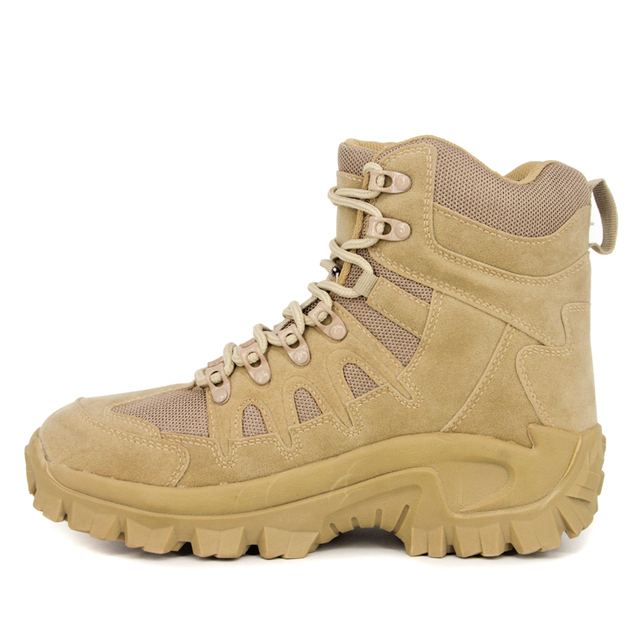
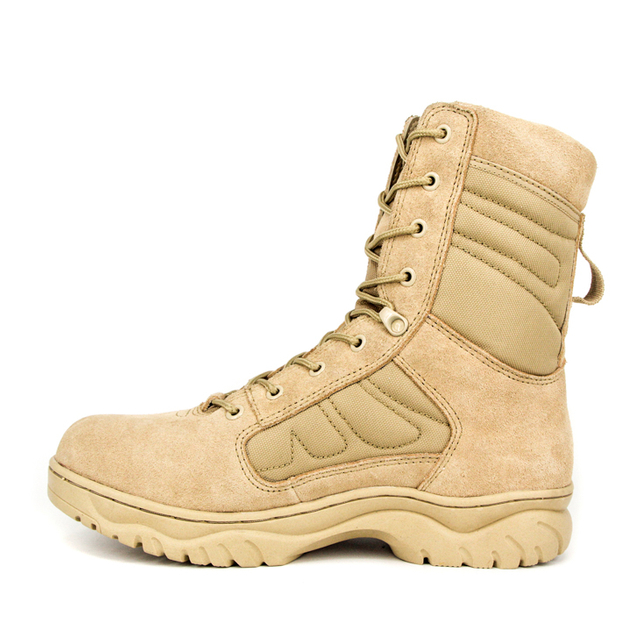
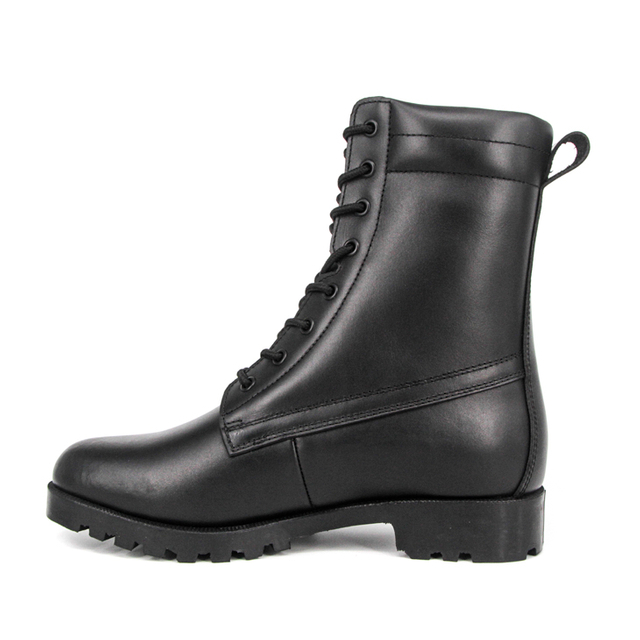
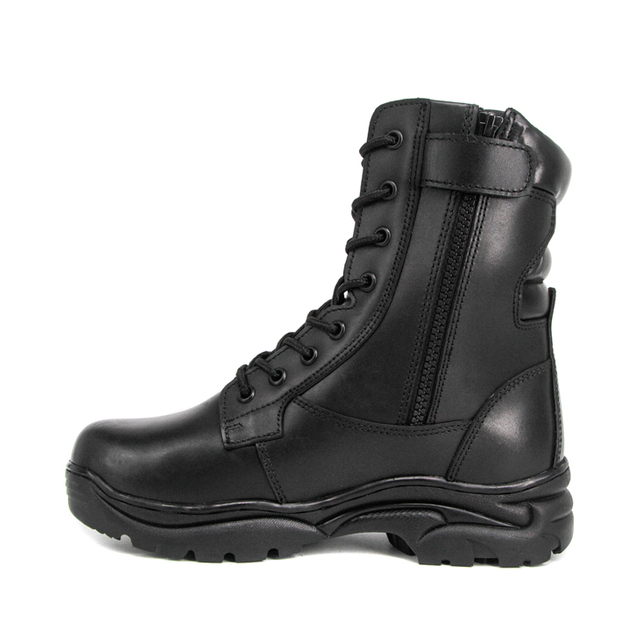
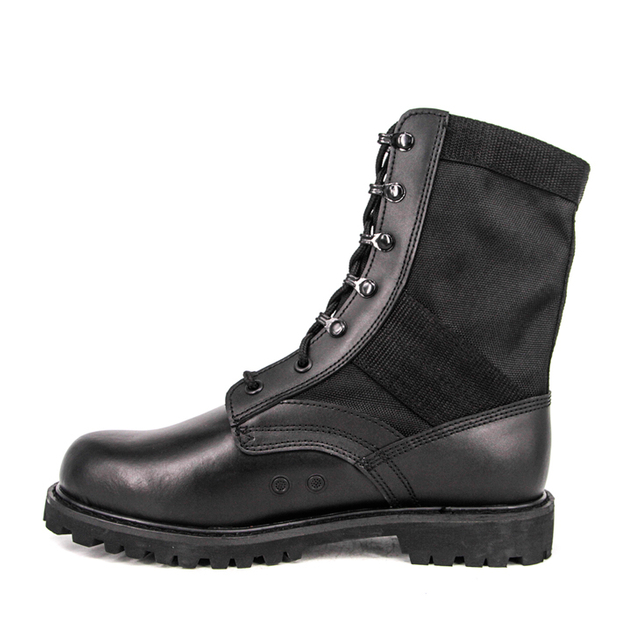
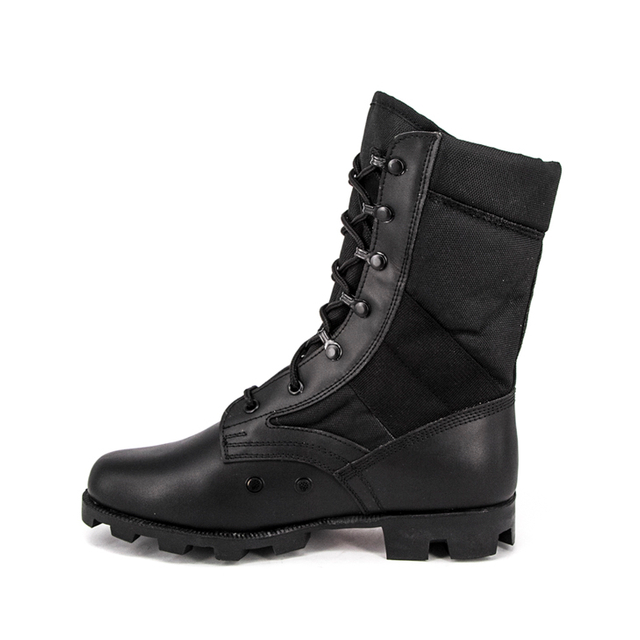
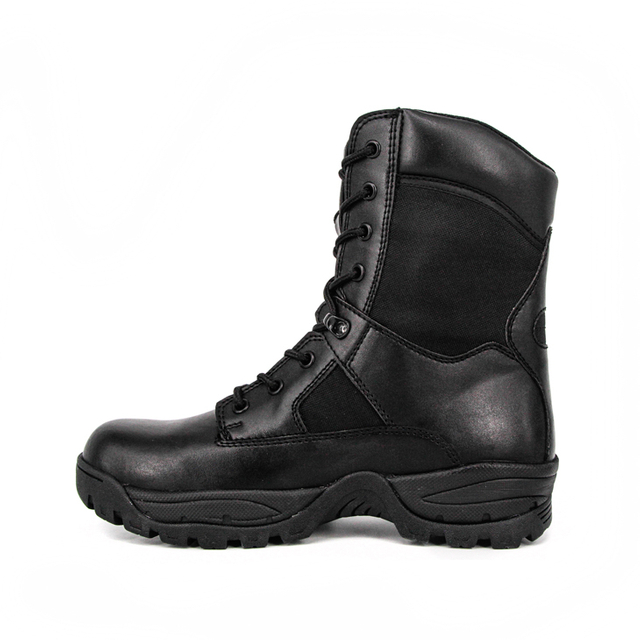
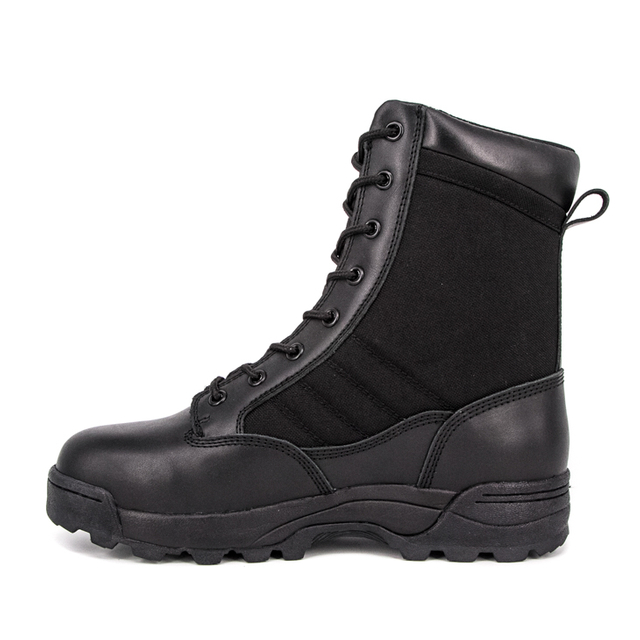
Let us illustrate this financial impact using a hypothetical $10,000 bulk order of specialized goods. For example, sourcing a full container of military footwear highlights exactly how your chosen Incoterm impacts the final landed cost. The financial differences between these terms are striking when mapped out.
Below is a standardized breakdown chart comparing the three primary shipping scenarios.
Cost Component | FOB Scenario | CIF Scenario | DDP Scenario |
Goods / Base Cost | $10,000 | $11,500 (Includes Freight/Insurance) | N/A |
Ocean Freight | $1,200 (Buyer negotiated) | Included above | N/A |
Insurance & Clearance | $300 | $400 (Destination Port Fees) | N/A |
Import Duties | $500 | $500 | N/A |
Local Delivery | $200 | $200 | N/A |
Total Landed Cost | $12,200 | $12,600 | $14,500 (All-inclusive) |
The Bottom Line: The numbers reveal a clear and undeniable trend in international sourcing. Suppliers quoting DDP typically build in a 15% to 30% risk premium above actual market costs. They absolutely need this financial buffer. It protects their margins against fluctuating destination tariffs, unexpected demurrage fees, and unpredictable customs delays. You pay heavily for this peace of mind, sacrificing your own profitability in the process.
Compliance Traps and Red Flags in International Shipping
Treating Incoterms merely as a pricing strategy is a dangerous operational mistake. You must look far beyond the initial commercial invoice. Ignoring the legal and tax liabilities embedded in these terms creates severe operational bottlenecks. Trade terms dictate compliance duties capable of halting your supply chain entirely.
The DDP VAT Trap: When suppliers ship goods under DDP, they must legally pay destination taxes, including Value Added Tax (VAT). However, foreign manufacturing entities usually cannot register for a local Tax ID in your country. Because they lack this ID, the VAT cannot be legally reclaimed or deducted. This turns a normally deductible tax into a hard sunk cost. Suppliers inevitably pass this massive cost directly onto you through higher unit prices.
Importer of Record (IOR) Conflicts: Operating under DDP requires the foreign seller to act as the official Importer of Record in your destination country. Many national jurisdictions strictly restrict or heavily scrutinize non-resident importers. Customs authorities will routinely flag these complex shipments. This often leads to seized cargo, extensive regulatory audits, and massive administrative headaches for both parties.
Demurrage and Hidden Fees (CIF/FOB): Port delays cost real money every single day. If customs paperwork is delayed under CIF terms, your cargo sits idle at the destination port. Terminal storage fees, known in the industry as demurrage, accrue rapidly. These fees fall entirely at the buyer's expense under CIF. Demurrage charges can easily exceed hundreds of dollars per day, quickly wiping out any anticipated cost savings from your supplier's freight quote.
Insurance Coverage Gaps (CIF): Under CIF, the seller is only obligated to obtain minimum insurance coverage (typically Institute Cargo Clauses C). This basic policy often excludes damage resulting from rough handling, theft, or specific weather events. If your specialized goods require comprehensive protection, this minimal coverage leaves you highly vulnerable to catastrophic financial loss during transit.
Strategic Decision Framework: Matching Terms to Project Maturity
The best shipping term for your business is not a static choice. It naturally evolves as your supply chain operations mature and scale. You should deliberately match your selected trade terms to your company's current logistical capabilities. A phased approach prevents overwhelming your team while protecting your margins.
Phase 1: Prototyping & Test Orders
Default to DDP during your initial market entry phases. Perhaps you are testing a brand new line of military footwear in a highly competitive local market. When you are primarily verifying supplier quality and fit, protecting your management bandwidth is vital. Optimizing freight margins matters far less at this stage. DDP keeps your entire focus on product validation and customer feedback rather than customs paperwork.
Phase 2: Scaling & Routine Procurement
Transition smoothly to CIF or DAP (Delivered at Place) as your sales volumes grow. Begin actively taking over the destination clearance process. You should hire a trusted local customs broker for this specific task. Let the foreign supplier continue managing the complex ocean transit and origin logistics. This hybrid approach builds your internal customs capability safely without exposing you to raw ocean freight volatility.
Phase 3: Mature Volume & Recurring Orders
Shift exclusively to FOB terms once you reach consistent, predictable scale. For instance, when you are consistently ordering bulk shipments of military footwear on a monthly basis, you need maximum financial efficiency. Consolidate your global freight volume under a dedicated third-party logistics provider (3PL) or a specialized freight forwarder. This strategy unlocks highly lucrative bulk shipping rates. It also secures total supply chain visibility from the factory floor directly to your warehouse loading dock.
Conclusion
Convenience in international trade always carries a hefty financial premium. DDP functions exceptionally well as a set of training wheels for newer importers or prototype runs. However, FOB stands firmly as the ultimate operational standard for scaled profitability and supply chain control. You cannot optimize what you do not control.
Understanding the deep nuances between FOB, CIF, and DDP empowers your procurement team to make data-driven logistics decisions. Moving away from easy but expensive terms requires effort, but the margin improvements are undeniable. Supply chain resilience relies on transparency. By taking ownership of your freight and customs processes, you insulate your business from hidden markups and unexpected delays.
Take these immediate, action-oriented next steps:
Audit your last three international supply chain shipments thoroughly.
Identify the exact financial gap between a theoretical FOB cost plus actual market freight versus your supplier's historical DDP quotes.
Engage a specialized, locally licensed customs broker today to discuss import requirements.
Assess your internal operational readiness to transition to FOB terms smoothly over the next two quarters.
FAQ
Q: Can I switch Incoterms with my supplier after the first few orders?
A: Yes. It is an industry standard to use DDP for initial test runs. This approach mitigates your early risk. Once you establish trust and verify product quality, you should renegotiate to FOB for bulk reorders. This switch significantly improves your profit margins as shipping volumes increase.
Q: Under CIF, who actually handles the insurance claim if cargo is damaged at sea?
A: The buyer handles the claim. Although the seller pays the insurance premium under CIF, the physical risk transfers to the buyer once goods load at the origin port. If damage occurs during transit, you must file the claim directly with the insurance provider.
Q: Why is my DDP quote so much higher than my own freight calculations?
A: Suppliers actively pad DDP quotes. They must account for currency fluctuations, potential customs examinations, demurrage, and their own administrative overhead. When you request DDP, you are paying a premium for their risk assumption, not just the raw freight cost.