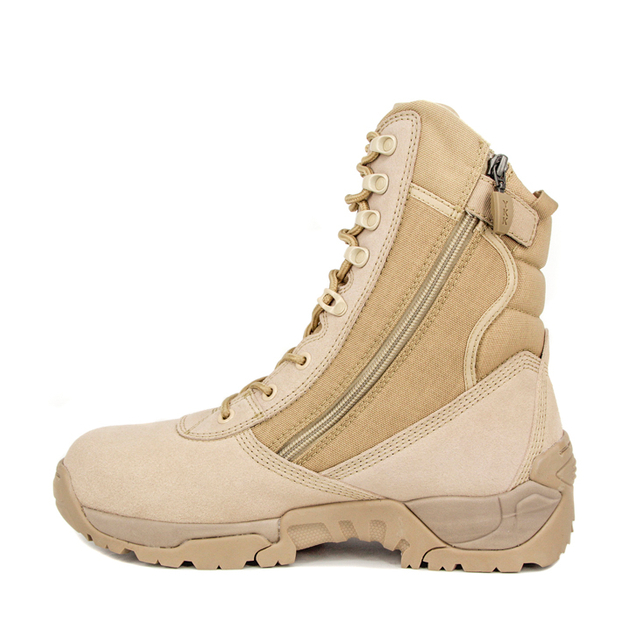
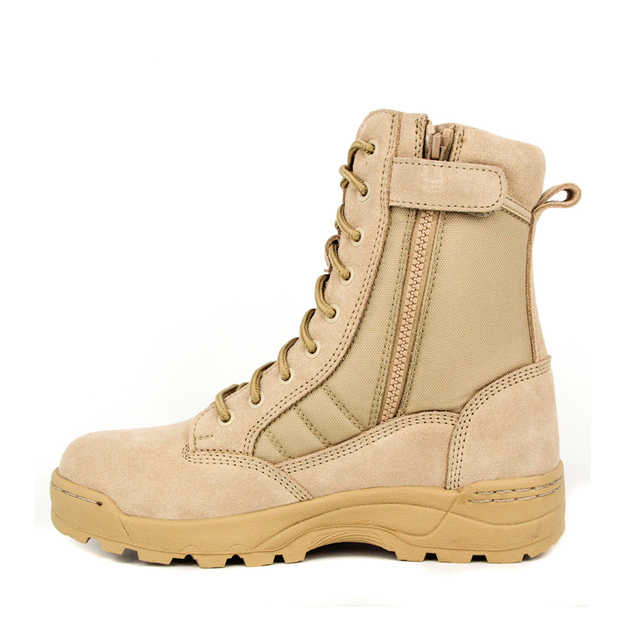
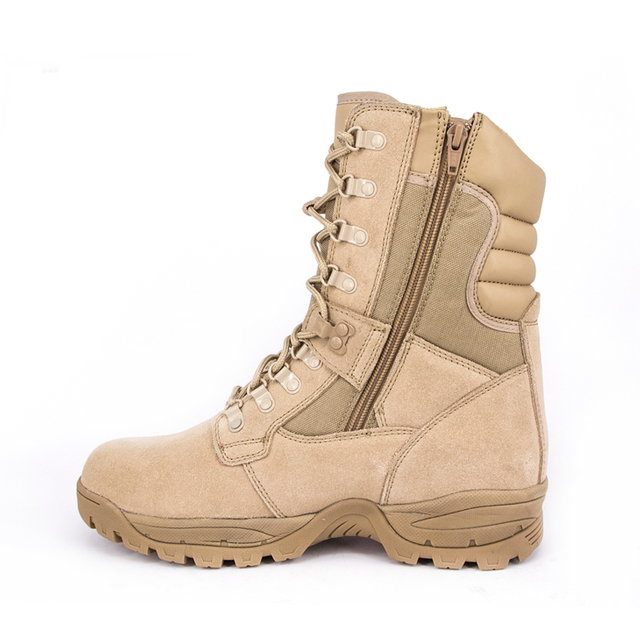
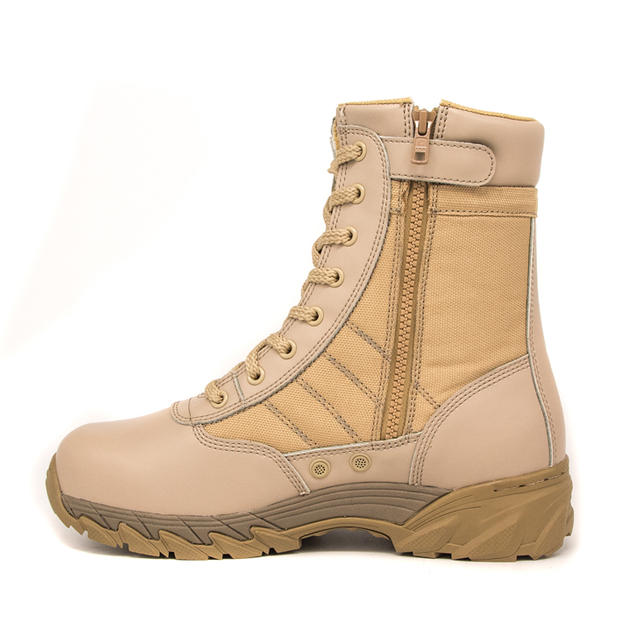
Breathable military desert boots are designed to help users stay comfortable in hot, dry, and demanding environments. For soldiers, security teams, patrol personnel, and outdoor workers, comfort is not only about softness. It depends heavily on how the boot upper handles heat, airflow, moisture, weight, flexibility, and support.
In desert conditions, the upper material plays a major role in overall wearing comfort. A boot with the wrong upper construction may feel hot, stiff, heavy, or uncomfortable after long hours. A well-designed upper can improve ventilation, reduce fatigue, protect the foot from sand and abrasion, and support stable movement across dry outdoor terrain.
This article focuses specifically on how upper materials affect the comfort of breathable military desert boots. It does not repeat the full boot selection process, color selection, or waterproof requirements. Instead, it explains what buyers should check when evaluating upper materials for hot-weather military footwear.
For a broader selection guide, you can also read our article on choosing military desert boots for hot and dry environments.
Why Upper Materials Matter in Desert Boots
The upper is the part of the boot that wraps around the foot and ankle. It affects how the boot feels, how much air can pass through, how much protection the foot receives, and how stable the boot remains during movement.
In hot desert environments, the upper must solve several problems at the same time:
Allow enough airflow
Reduce heat buildup
Resist abrasion from sand and dust
Provide structural support
Keep the boot lightweight
Reduce friction during long wear
Maintain a stable shape after repeated use
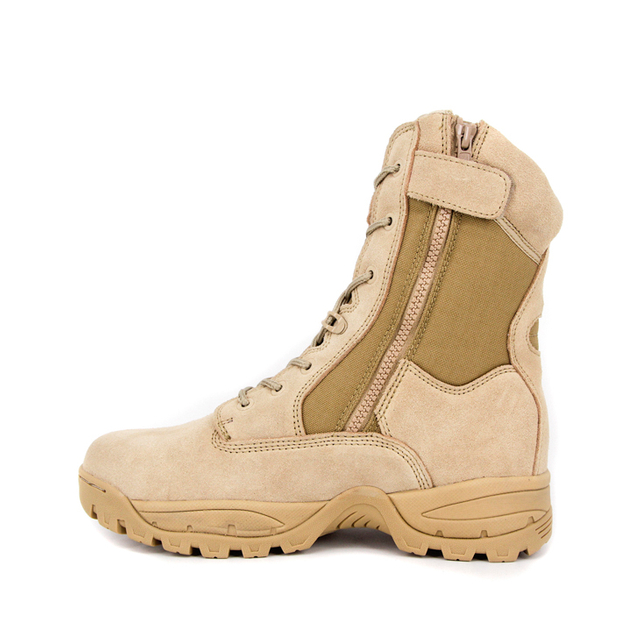
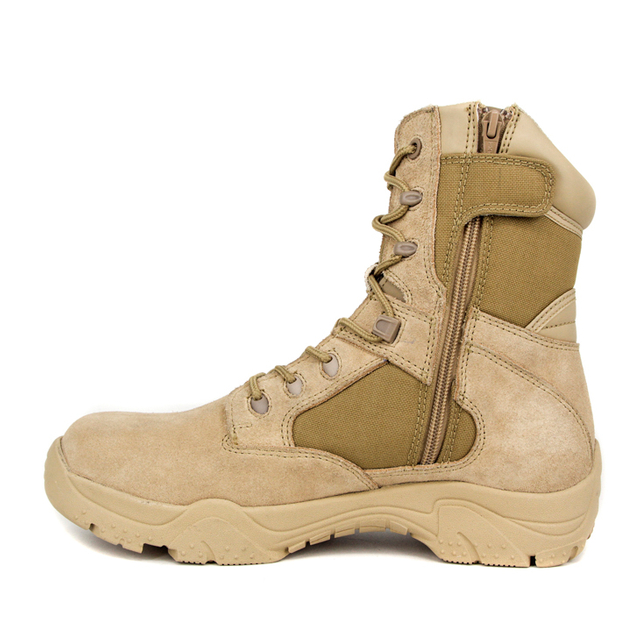
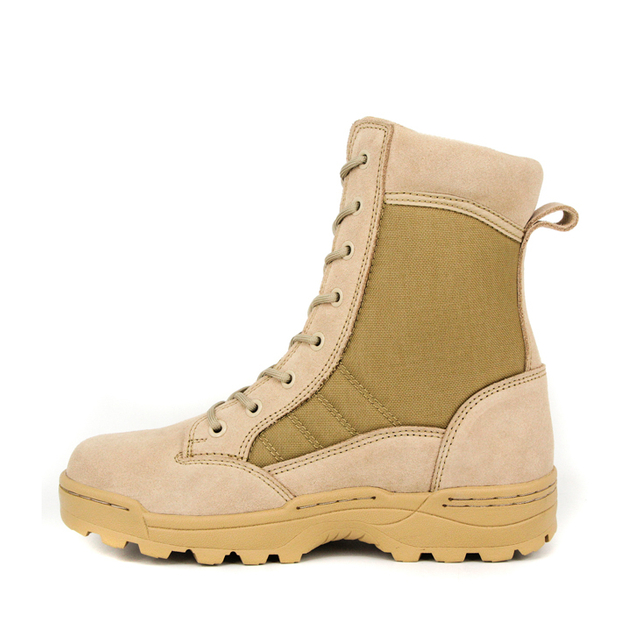
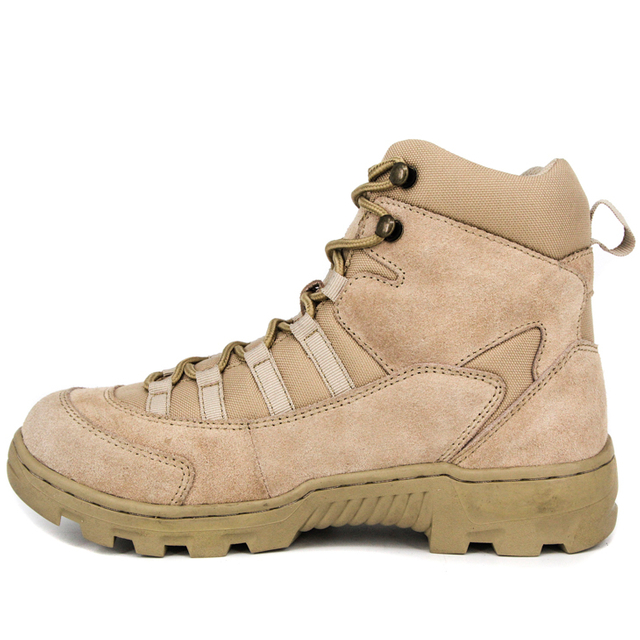
This is why military desert boots often use mixed upper materials instead of one single material. A combination of suede leather, nylon fabric, mesh panels, and reinforced stitching can provide better balance than a fully leather or fully textile boot.
Breathability Starts with Material Combination
A breathable military desert boot usually depends on how materials are combined. No single material is perfect for every part of the boot. Different areas of the upper need different properties.
Suede Leather for Structure and Durability
Suede leather is commonly used in desert boots because it provides structure, abrasion resistance, and a rugged appearance. It can help protect the foot from rough ground, sand friction, stones, and daily outdoor wear.
Suede is especially useful in areas that need more strength, such as:
Toe area
Heel area
Side support panels
Lace support area
High-wear contact zones
However, suede leather alone may not provide enough airflow in very hot conditions. If the entire boot is made from heavy leather, the boot may feel warm and less flexible during long use.
That is why suede is often combined with textile or mesh panels in breathable desert boots.
Nylon or Fabric Panels for Airflow and Weight Control
Nylon, canvas, or other textile materials are often used in military desert boots to reduce weight and improve flexibility. These materials can help the boot feel lighter and more comfortable during movement.
Fabric panels are usually placed in areas where airflow and flexibility are important, such as the side panels, tongue, or upper shaft.
The main advantages include:
For desert boots, fabric panels should still be strong enough to handle dust, sand, and outdoor use. Very thin fabric may feel breathable, but it may not provide enough durability for demanding field environments.
Mesh Panels for Heat Release
Mesh materials can improve airflow and reduce heat buildup inside the boot. In hot climates, this can make a clear difference during long hours of walking, standing, or patrol work.
Mesh is often used in:
Tongue areas
Side panels
Upper collar sections
Inner lining layers
The key is placement. Mesh should be used where ventilation is needed, but it should not weaken the boot’s structure. A desert boot that uses too much weak mesh may lose durability, especially in sandy or rocky terrain.
Breathability Is Not Only About Air Holes
Some buyers assume that more mesh or more ventilation holes always means better breathability. This is not always true.
A breathable boot needs a complete comfort system. The upper material, lining, tongue, collar, and overall fit all work together. If one area is poorly designed, the boot may still feel hot even if it has breathable panels.
Airflow Must Be Balanced with Protection
In desert footwear, too much open ventilation may allow sand and dust to enter more easily. This can create discomfort, friction, and faster material wear.
A practical breathable design should allow heat to escape while still protecting the foot from sand and debris.
Material Thickness Also Matters
Even breathable materials can feel uncomfortable if they are too thick or stiff. On the other hand, materials that are too thin may not provide enough support.
For military desert boots, the goal is not maximum thinness. The goal is balanced comfort, durability, and protection.
Fit Affects Breathability
If boots are too tight, airflow around the foot may be reduced. Tight boots can also create pressure points and increase sweating. If boots are too loose, friction may increase.
A breathable upper works best when the boot fits properly and supports natural movement.
How Upper Materials Affect Long-Hour Comfort
For military, security, and patrol users, boots are often worn for many hours. Upper materials can directly affect how comfortable the boots feel after extended use.
Heat Management
In hot environments, the upper should reduce heat buildup. Textile panels, breathable tongue materials, and mesh lining can help air move more easily through the boot.
If the upper traps heat, users may feel discomfort quickly, especially during long walking or standing periods.
Moisture Management
Even in dry environments, feet can sweat heavily. A breathable upper helps reduce trapped moisture. This can improve comfort and reduce the chance of friction-related discomfort.
Moisture management is especially important for soldiers and workers who cannot change footwear during duty hours.
Friction Reduction
The upper should hold the foot securely without rubbing heavily against the skin. Poor material selection or rough inner construction can cause friction around the heel, ankle, and toe area.
Soft lining, smooth inner seams, and flexible upper panels can help improve comfort during repeated movement.
Flexibility During Walking
A boot upper should move with the foot. If the upper is too stiff, walking may feel tiring. If it is too soft, the boot may lose support.
Mixed upper construction allows the boot to stay flexible in movement areas while remaining strong in support areas.
Upper Materials and Ankle Comfort
Military desert boots often use mid-cut or high-cut designs to support the ankle and reduce sand entry. In these designs, upper material comfort around the ankle is especially important.
Padded Collar
A padded collar can reduce pressure around the ankle. It can also improve stability when the boot is tightly laced.
For long duty hours, the collar should feel supportive but not too hard.
Breathable Tongue
The tongue is often one of the warmest areas of the boot because it sits directly under the laces. A breathable tongue can help reduce heat buildup on the top of the foot.
A thick, non-breathable tongue may increase warmth, while a weak tongue may not provide enough lace protection. The best design balances comfort and support.
Flexible Upper Shaft
The upper shaft should support the ankle without restricting movement. If the shaft is too stiff, users may feel pressure when walking, kneeling, climbing, or entering vehicles.
A combination of textile panels and structured support can improve comfort while maintaining stability.
Durability Still Matters in Breathable Desert Boots
Breathability should not come at the cost of durability. Military desert boots must still handle sand, dust, rough ground, and repeated outdoor use.
Sand and Dust Abrasion
Fine sand can act like an abrasive material. Over time, it can wear down fabric, seams, and surface materials. For this reason, breathable panels should be strong enough for field conditions.
Buyers should check whether the upper has:
Strong stitching
Reinforced stress points
Durable fabric density
Proper panel overlap
Good material bonding
Toe and Heel Reinforcement
The toe and heel areas experience frequent contact with ground, equipment, and movement pressure. These areas usually need stronger materials than ventilation zones.
A breathable desert boot should still include durable toe and heel structure to maintain protection and shape.
Lace Area Strength
The lace area must handle repeated tightening and loosening. If the material around the eyelets is weak, the boot may lose fit stability over time.
Reinforced lace panels can improve durability and keep the boot secure during movement.
Waterproof Upper Materials and Breathability
Some military desert boots include waterproof or water-resistant features. This can be useful in mixed environments, but it may also affect breathability.
Waterproof construction can help protect against rain, wet sand, muddy roads, or camp environments. However, if waterproof materials are not designed carefully, the boots may feel warmer.
Buyers should consider waterproof desert boots when users face:
For buyers who need desert-style footwear with additional moisture protection, Milforce offers yellow waterproof military desert boots designed for practical outdoor use.
For extremely dry and high-heat use, buyers should still prioritize airflow and comfort when evaluating waterproof upper materials.
How B2B Buyers Should Evaluate Upper Materials
For bulk buyers, upper material quality should be checked carefully before placing large orders. A boot may look good in photos, but real comfort and durability can only be confirmed through samples and material inspection.
Check the Material Balance
Buyers should check whether the boot uses the right balance of suede leather, textile fabric, mesh, and reinforcement. A good upper should not be too heavy, too thin, too stiff, or too open.
Test Wearing Comfort
Samples should be worn and tested. Buyers should check whether the boot feels comfortable after walking, standing, bending, and repeated movement.
Important comfort points include:
Toe flexibility
Ankle pressure
Tongue comfort
Heel rubbing
Overall weight
Heat buildup
Review Stitching and Panel Construction
Upper materials are only as strong as their construction. Poor stitching can reduce durability even if the materials themselves are good.
Buyers should review:
Stitch density
Seam position
Panel alignment
Reinforced areas
Edge finishing
Lace area strength
Confirm Consistency for Bulk Orders
For large orders, material consistency is important. The sample and mass production should use the same material standard, color tone, texture, and thickness.
Buyers sourcing military desert boots should confirm these details before production.
Common Mistakes When Choosing Breathable Military Desert Boots
One common mistake is choosing the boot with the most mesh. More mesh does not always mean better field performance. The boot still needs support, durability, and sand resistance.
Another mistake is choosing heavy leather boots for very hot conditions. Although leather can improve durability, excessive leather coverage may reduce airflow and increase heat buildup.
Buyers should also avoid focusing only on softness. A boot that feels soft at first may not provide enough support for long outdoor use.
For bulk procurement, another mistake is not testing real samples. Upper material comfort, flexibility, and durability are difficult to judge from photos alone.
Buying Checklist for Breathable Upper Materials
Before choosing breathable military desert boots, buyers can use the following checklist.
Comfort
Does the upper allow enough airflow?
Is the boot comfortable during long wearing hours?
Does the tongue reduce pressure from laces?
Is the collar comfortable around the ankle?
Does the lining help manage moisture?
Material Structure
Are suede leather and textile panels balanced?
Are mesh panels placed in practical areas?
Are toe, heel, and lace areas reinforced?
Is the upper flexible but still supportive?
Is the material suitable for sand and dust?
Durability
Is the stitching strong?
Are high-wear areas reinforced?
Can the upper resist abrasion?
Does the material keep its shape after flexing?
Is the construction suitable for field use?
Procurement
Are samples available?
Is material consistency confirmed?
Can upper materials be customized?
Can the supplier maintain the same quality in bulk production?
Are color and texture stable across batches?
Buyers can contact Milforce to discuss breathable upper materials, desert boot styles, customization options, and bulk order requirements.
Conclusion
Breathable military desert boots depend heavily on upper material design. The right upper should provide airflow, reduce heat buildup, manage moisture, support movement, and still protect the foot from sand, dust, and rough outdoor conditions.
For hot-weather field use, a balanced combination of suede leather, textile fabric, mesh panels, breathable lining, and reinforced construction is often more practical than a boot made from only one material.
For soldiers, security teams, outdoor users, and procurement buyers, comfort should not be judged only by softness. True comfort comes from the way materials support long-hour wear, stable movement, durability, and heat management.
When selecting breathable military desert boots, buyers should evaluate upper materials carefully, test real samples, and choose a design that matches both the environment and the user’s daily demands.
FAQ
1. What makes military desert boots breathable?
Breathability usually comes from a combination of textile panels, mesh areas, breathable lining, proper tongue construction, and balanced upper design.
2. Are suede leather desert boots breathable?
Suede leather provides durability and structure, but it is usually less breathable than textile or mesh materials. Many desert boots combine suede with breathable fabric panels for better comfort.
3. Is mesh always better for hot-weather boots?
No. Mesh improves airflow, but too much weak mesh may reduce durability and allow more sand or dust to enter. The best design balances ventilation and protection.
4. What upper material is best for desert boots?
A combination of suede leather and breathable textile fabric is often practical because it balances durability, airflow, flexibility, and field support.
5. Do breathable military desert boots need waterproof protection?
Not always. Waterproof protection is useful in mixed or wet conditions, but in extremely dry and hot environments, breathability may be more important.
6. How should bulk buyers test upper materials?
Bulk buyers should check samples for airflow, comfort, stitching, material thickness, flexibility, abrasion resistance, color consistency, and fit across different sizes.