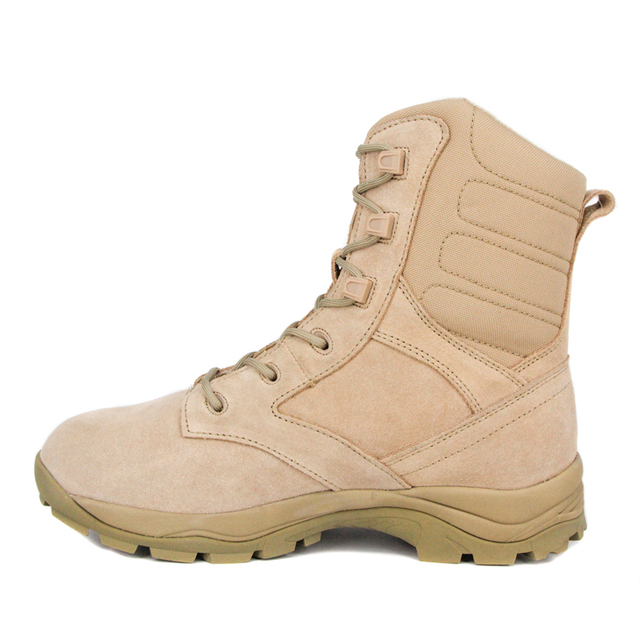
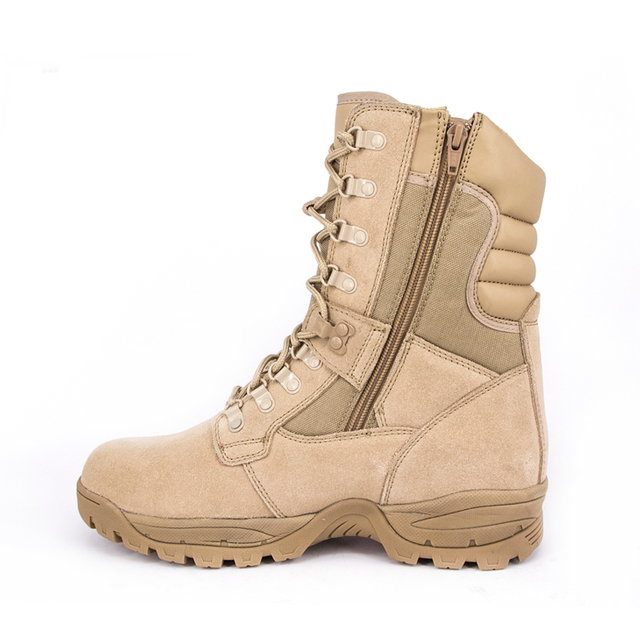
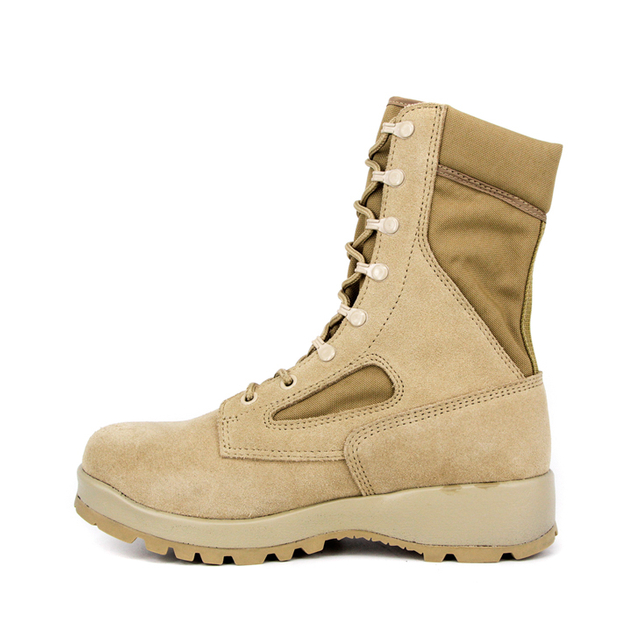
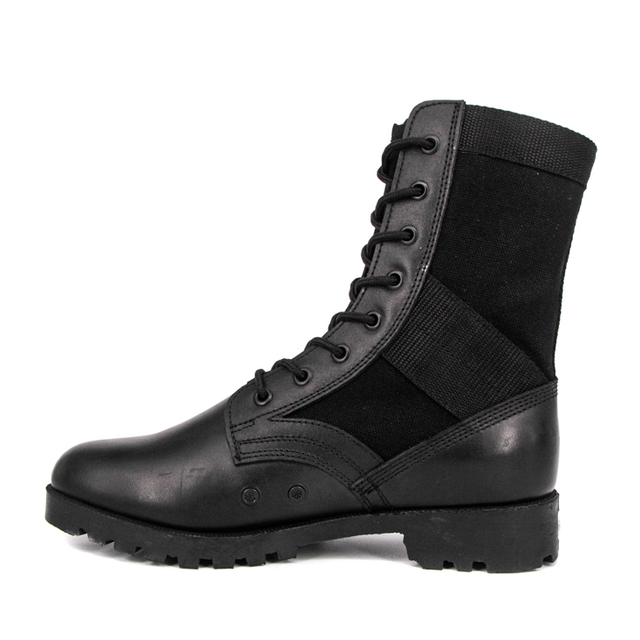
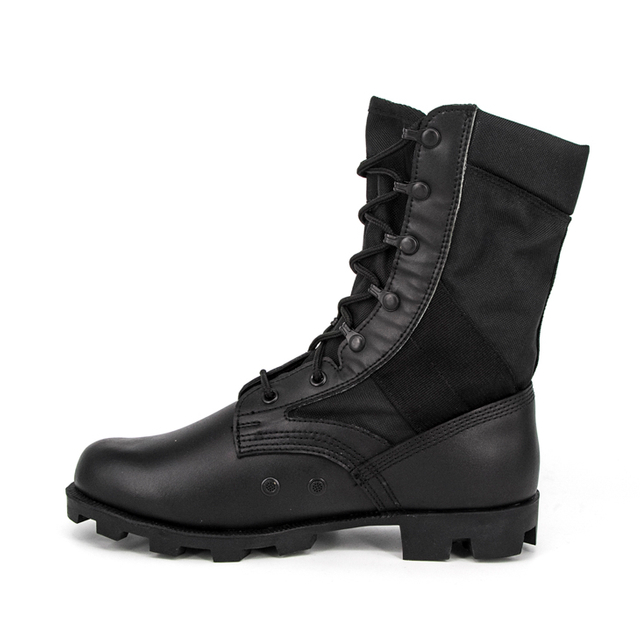
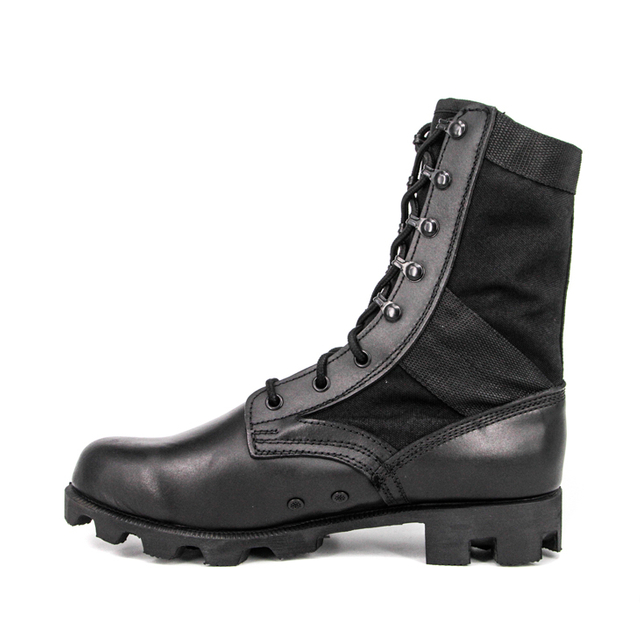
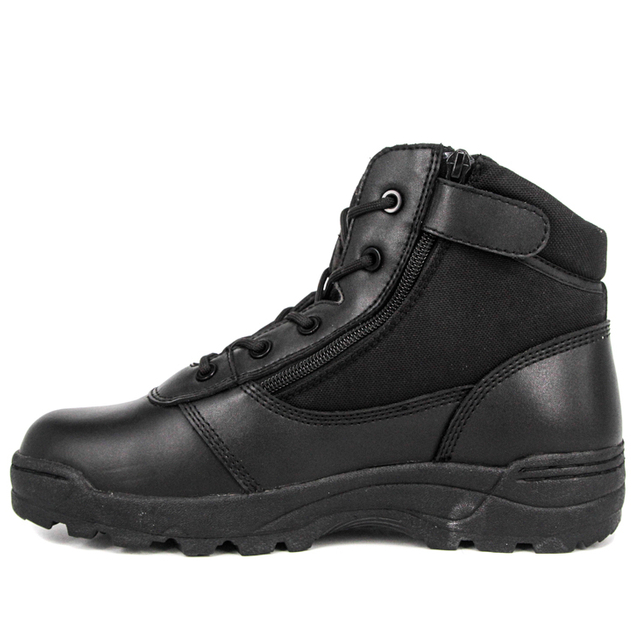
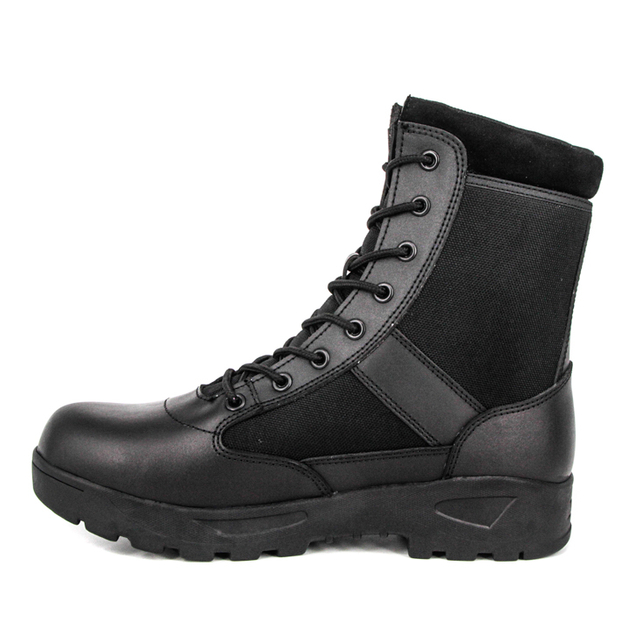
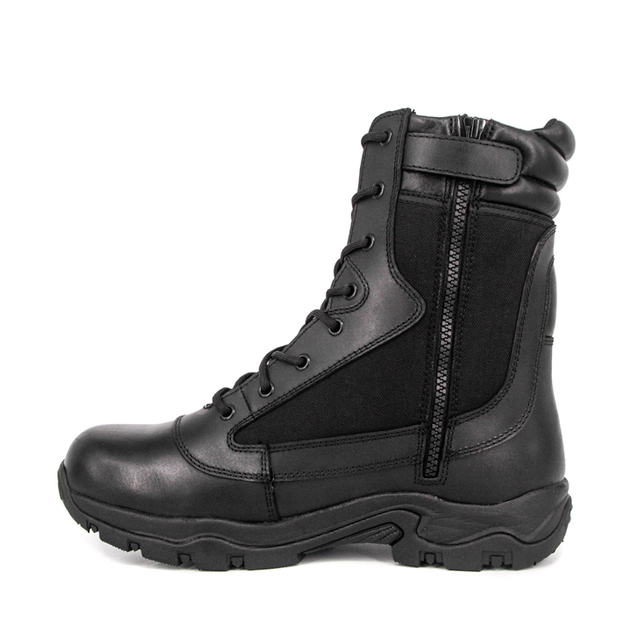
Investing in specialized tactical footwear means prioritizing performance and comfort. High-tempo operations push this gear to the absolute limit every single day. Eventually, harsh terrain dictates an unavoidable reality. Outsoles and midsoles will degrade long before a high-quality leather upper ever fails.
You must know if your footwear architecture allows for structural repairs. Can a professional cobbler fix them? How much will it actually cost? Will the repair process restore mission-ready compliance for your upcoming deployments?
This comprehensive guide provides a technical framework for evaluating the repairability of custom military boots. We compare original factory recrafting against independent cobbler solutions. You will also learn the cost-benefit realities of resoling versus full replacement. By the end of this guide, you will possess the precise expertise needed to extend the lifespan of your critical tactical assets significantly.
Key Takeaways
Yes, most high-end custom military boots are specifically engineered to be resoled multiple times, provided the upper leather remains structurally sound.
Repairability is entirely dictated by the boot’s construction method: Goodyear welt and Stitchdown methods are highly repairable, while direct-attach or cemented soles often face severe limitations.
"Resoling" replaces just the tread and midsole, while a "Rebuild" replaces the entire lower half of the boot; choosing the right service depends on the extent of the damage.
Factory refurbishment programs preserve warranties and guarantee spec-compliant materials, but specialized mail-in cobblers can offer faster turnaround times.
How Boot Construction Dictates Repairability
Footwear architecture determines its entire lifespan. You cannot evaluate repair options without understanding how manufacturers attach the sole to the upper material. Bootmakers utilize distinct manufacturing methods, and each technique carries profound implications for long-term maintenance. Let us explore the primary structural categories you will encounter in the field.
Stitchdown and Goodyear Welt Construction (High Repairability)
Most premium tactical footwear utilizes traditional manufacturing techniques. Goodyear welt and Stitchdown constructions represent the gold standard for heavy-duty field gear. They prioritize long-term sustainability over cheap mass production.
These methods share a highly functional common mechanism. The manufacturer physically stitches the upper leather to a leather welt or sews it directly to the robust midsole. This heavy thread connection allows skilled cobblers to cleanly detach the worn sole. They carefully remove the old stitching and apply a fresh outsole without destroying the core boot structure. The internal cork footbed remains intact, preserving the unique imprint of your foot.
Exceptional longevity remains the biggest advantage here. You can typically resole welted footwear two to four times before the upper leather finally fails. If you maintain the leather properly with conditioners, these models deliver incredible value over years of harsh deployments. You protect your initial financial investment through routine, scheduled maintenance.
Cemented and Direct-Attach/Injection Soles (Low Repairability)
Modern lightweight tactical footwear often relies on glued components. Manufacturers cement or directly mold polyurethane soles onto the fabric or leather upper. This direct-attach method saves crucial ounces of weight. It also provides immediate flexibility right out of the box, requiring zero break-in period.
However, these short-term benefits introduce severe long-term limitations. Stripping a cemented sole often tears the delicate upper material. The brutal mechanical removal process destroys the original bonding surface. While some specialized cobblers can sand down the residual material and glue a new aftermarket outsole, the results vary wildly. Gluing an unoriginal sole rarely restores the item to factory-level durability. Structural failure becomes highly probable during strenuous field operations.
The Hydrolysis Factor (Polyurethane Midsoles)
We must directly address the reality of polyurethane (PU) midsole rot. Hydrolysis occurs when trapped moisture breaks down the chemical bonds inside the PU foam over time. If you leave tactical footwear unused in dark, humid environments, the midsole literally crumbles into dust.
Hydrolysis strikes unexpectedly and catastrophically. A pair of boots might look brand new sitting on the shelf. Yet, the midsole shatters upon the very first impact during a ruck march. If your gear features a molded PU midsole suffering from rot, repairing it requires a complete structural rebuild. A simple resole cannot fix chemical degradation. You must replace the entire lower block to ensure safety and stability.
Resole vs. Rebuild: Defining the Scope of Repair
Before you ship your gear away, you must clarify the distinct service categories. Consumers often confuse a basic resole with a full structural overhaul. Understanding these crucial distinctions ensures you request the correct procedure and avoid unexpected expenses.
The Standard Resole
A standard resole represents routine, preventative maintenance. The scope focuses entirely on the bottom traction layers. The cobbler removes the old worn outsole. Occasionally, they also remove the degraded midsole or rubber heel block. They then attach a brand new tread, such as a Mil-Spec Vibram lug sole, restoring original grip.
This service best suits footwear showing moderate tread wear. The internal insoles, fiberglass or steel shanks, and exterior leather uppers must remain fully intact. If the footbed still provides robust support, a basic resole perfectly restores traction and shock absorption.
The Full Rebuild (Recrafting)
A full rebuild operates on a much deeper structural level. The scope involves keeping only the upper leather shaft. The cobbler entirely replaces the vamp, insole, welt, shank, and outsole. They strip the footwear down to its bare leather shell and rebuild it from the ground up.
This aggressive procedure works best when severe internal damage occurs. If the footbed has degraded entirely, you need a rebuild. If the leather near the toe box shows compromise, or structural stitching has snapped, a standard resole will not suffice. A rebuild effectively gives you a brand-new foundation positioned securely below a broken-in upper.
Feature | Standard Resole | Full Rebuild (Recrafting) |
Primary Scope | Replaces outsole and sometimes midsole | Replaces entire lower half (insole, vamp, shank, sole) |
Best Suited For | Worn tread, slippery grip, intact structure | Collapsed footbeds, rotten welts, torn toe leather |
Cost Tier | Low to Moderate | High (often near the price of new footwear) |
Turnaround Time | Typically 2-4 weeks | Typically 6-12 weeks |
Factory Refurbishment vs. Independent Cobblers
Once you determine the required repair scope, you face a critical logistical decision. Who should perform the precision work? You can choose original equipment manufacturer (OEM) programs or independent repair shops. We outline the compliance, turnaround, and risk factors for each approach.
OEM Factory Recrafting Programs
Many elite manufacturers offer comprehensive in-house restoration service packages. Factory recrafting provides unparalleled consistency and peace of mind.
Pros: Factories use the exact original lasts to maintain the authentic fit you expect. They guarantee Mil-Spec compliant materials across every single layer. Furthermore, official programs usually extend or maintain your original factory warranties.
Cons: Expect a 6–12 week waiting period depending on seasonal volume. Facilities also enforce strict acceptance criteria. If your footwear encountered hazardous chemicals, petroleum products, or severe bio-waste, the factory will likely refuse the job due to cross-contamination risks.
Specialized Military & Workwear Cobblers
Independent mail-in cobblers represent a highly viable and popular alternative. These artisans specialize in heavy-duty tactical gear and offer distinct advantages for modern operators.
Pros: Independent shops typically finish projects much faster, often within 2–4 weeks. You also gain the ability to customize the new sole. You might swap a standard deep lug for a specialized wedge or a softer ice-grip compound tailored to your specific deployment environment.
Cons: Using a third party instantly voids most original factory warranties. Additionally, quality control heavily depends on the specific shop you choose. You must verify their expertise through community reviews and visual portfolios before shipping your gear.
DIY Boot Repair: Implementation Risks and Realities
When a sole suddenly separates in the field, operators naturally attempt expedient repairs. However, you must clearly understand why field-expedient fixes fail over the long term.
Temporary Adhesives
Industrial adhesives like Barge Cement or Shoe Goo serve a vital, albeit temporary, purpose. They keep gear functional during an emergency extraction or a prolonged patrol. We classify these strictly as temporary field repairs. They buy you crucial time, but they never provide a permanent, mission-ready solution.
The Surface Prep Problem
Do-it-yourself gluing almost always fails within weeks. Proper sole bonding requires meticulous, industrial-grade preparation. DIY attempts usually lack proper motorized grinding tools to remove old, oxidized residues. Field environments lack the specialized chemical primers necessary for modern polyurethane adhesion. Furthermore, you cannot replicate the immense, uniform pressure applied by industrial hydraulic pressing equipment.
Bottom Line
Attempting permanent DIY repairs on mission-critical footwear severely compromises safety. It destroys delicate waterproofing membranes and ruins structural integrity. Once you return from the field, you must hand the damaged gear over to trained professionals.
Cost-Benefit Analysis: When to Repair vs. Replace Custom Military Boots
Operators must constantly balance operational budgets against peak performance needs. We provide a concrete decision-making framework to help you definitively choose between repairing or replacing your tactical assets.
The 50% Rule
Financial logic dictates a simple, reliable threshold. If the cost of a resole or rebuild exceeds 50% of the price of a new pair, closely evaluate the condition of the upper. A full factory rebuild can cost hundreds of dollars. If a brand-new replacement costs only marginally more, purchasing new gear often proves much wiser.
Evaluate the Leather Upper
The upper leather acts as the deciding variable in this equation. Inspect it thoroughly under bright lighting. If the leather shows deep, irreversible cracks, a resole is a terrible investment. Heavily scarred areas near the toe flex points indicate impending structural failure. Additionally, if the internal waterproof booties show punctures or leaks, new outsoles will not keep your feet dry. Do not invest heavy capital into a dying upper.
Break-In Value
Never underestimate the immense "sweat equity" of fully broken-in footwear. New heavy-duty leather requires weeks of painful break-in time. Blisters, hot spots, and foot fatigue compromise mission effectiveness. A $150 resole on a $600 pair that perfectly molds to your foot constitutes a highly cost-effective decision. You preserve your comfort and eliminate the grueling break-in period entirely. If you have questions about whether your specific gear qualifies for restoration, feel free to contact us for personalized guidance.
Conclusion
Custom military boots are deliberately designed as durable, long-term assets. High-quality craftsmanship demands ongoing maintenance to ensure peak performance. Assuming your gear utilizes stitchdown or welted construction, resoling remains highly practical, environmentally responsible, and economically sound.
Take immediate action to preserve your investment. Clean your footwear thoroughly with a specialized brush to remove caustic dirt and debris. Inspect the welt stitching and upper leather for structural damage or deep cracks. Finally, request a digital consultation or an estimate from the original manufacturer or a certified heavy-duty cobbler. Routine attention guarantees your gear will perform flawlessly when you need it most.
FAQ
Q: Can you resole a boot with a waterproof membrane (like GORE-TEX)?
A: Yes, but replacing the sole does not fix a punctured membrane. If the boot leaks before the resole, it will leak after.
Q: How long does a typical resole take?
A: Mail-in cobblers typically take 2–4 weeks; factory recrafting programs can take 6–12 weeks depending on seasonal volume.
Q: Can I change the type of sole on my custom military boots during a repair?
A: Yes. If using an independent cobbler, you can often switch sole profiles (e.g., moving from a deep lug Vibram sole to a flatter, softer compound) as long as it fits the boot's original footprint.