Since people are outdoors, our feet are really in contact with the mountains, so we need extra care. In this environment we need boots, socks, and special equipment such as crampons and snowboards. Today we talk about hiking boots and socks.
Outdoor boots
Outdoor boots are classified according to their use, such as walking boots, heavy boots, camp boots, rock climbing boots, river boots, and mountain boots and so on. They can be divided into: high, medium, low, full leather, half leather, double boots and so on. Good outdoor boots have both comfort and high performance. Let's introduce classic outdoor boots.
Hiking boots
Traditional hiking boots are still our first choice. The general hiking boots must have: sturdy, can withstand sand and stone cutting; hardness is enough, you can kick into hard snow and wear crampons; comfortable, long walk, feet will not raise blister. Because outdoors we may get stuck in mud, into streams, through gravel, bushes, hard snow, rock walls and ice. Leather boots can cope with these situations, and a pair of classic hiking boots has most or all of the features:
* High tube (14-29cm), supporting and protecting the ankle while walking.
* The sole has enhanced grip and is not easy to slip on grass, marshes or snow.
*U-shaped crust is sealed at the seam of the sole and upper, waterproof and easy to maintain.
*The inner support is strong enough
* The tongue part has a folded design to prevent water from entering the boot.
* The toe and heel are reinforced to enhance wear resistance.
* The toe section has a reinforced design that reduces the discomfort caused by the tightened crampons and kicks the steps in the hard snow.
* Heel reinforcement design enhances the stability of walking, and the hard snow on the downhill is easy to step out.
* Large boot mouth can be worn freely, especially when damp and frozen.
How to choose
Before buying boots, we must first determine what environment we use most often. There is no pair of outdoor boots to meet all needs, and its use, comfort and functionality need to be considered when purchasing.
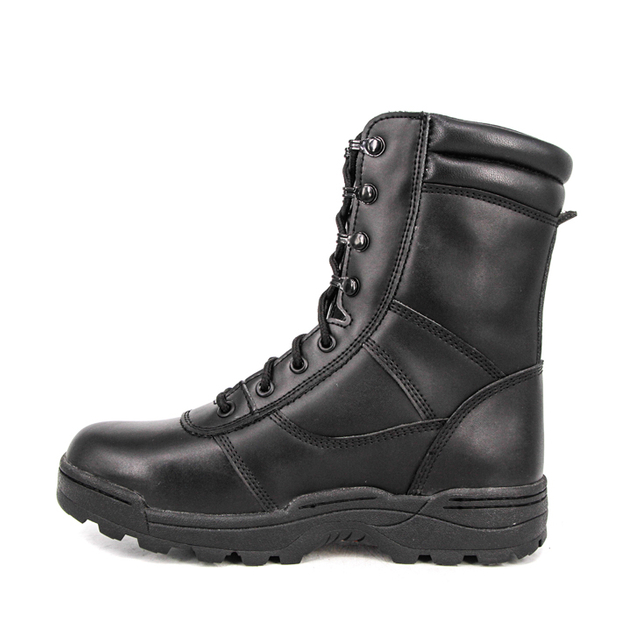
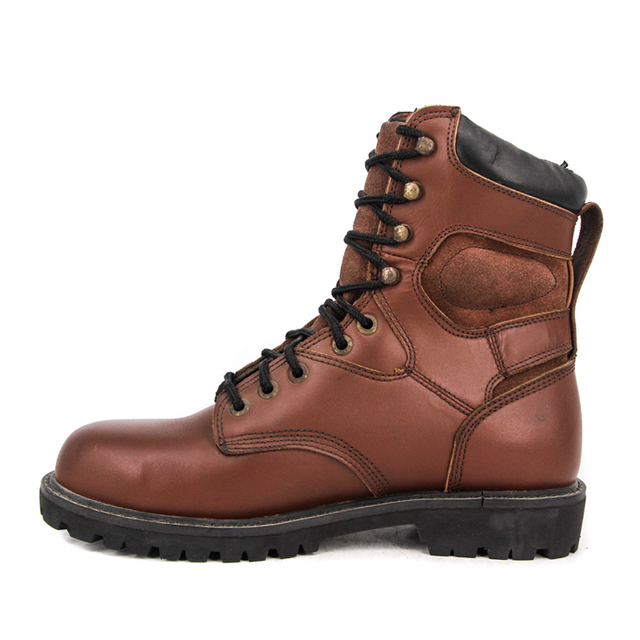
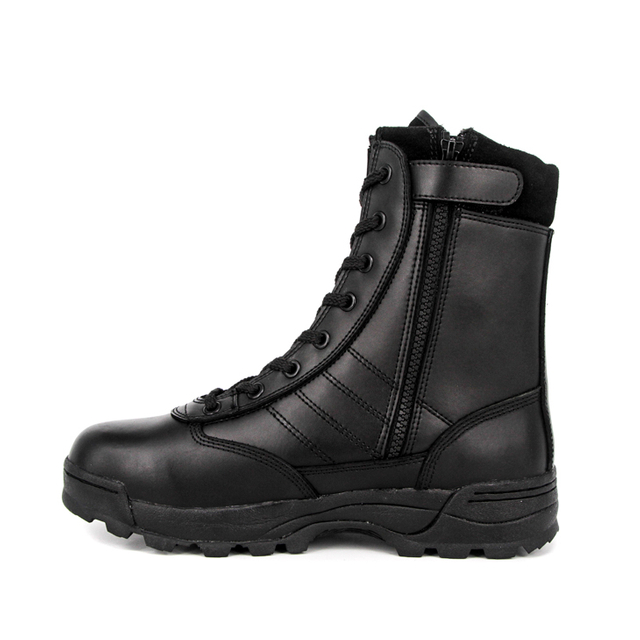
The following three boots meet the advantages I have described above.
Model 6258
Model 6274
Model 6271
Meet the demand
Ordinary mountain roads and gravel roads are not deep in snow. Selecting hiking boots with moderate hardness can provide good comfort and sufficient support and elasticity. As long as the sole and the boot are strong enough, it is OK. If it is a skillful mountain road, you need a pair of hard boots to provide good pedaling ability.
The right size
No matter what kind of boots, you must fit your feet. Because each person's feet are different, try several brands and styles of boots. When trying on boots put the often worn socks and insoles on a rotation and try on. It is best to try on boots in the evening, because the size of the feet is the largest at this time. When you try on the laces, try to stand your feet and stand in the hanging area on one side, test the stability of the boots, do a heavy load or stand for a few minutes. Pay attention to the activity space of the toes, kick a hard object and see if the toes will touch the toe.
Sock
Socks isolate the foot from the boot to prevent wear and have a cushioning effect. Do a good selection of socks for socks or synthetic fibers. Cotton socks will loosen the skin after sweating. The sweat-absorbing function of the socks is very important. You can wear two pairs: the inner layer of thin socks is perspiration, and the outer thick socks absorb moisture and can also be used as a liner to prevent abrasion.
Prolonged standing during ceremonies, inspections, and daily administrative duties takes a severe physical toll on the body. Static standing on hard surfaces like concrete parade decks transfers immense pressure through the lower extremities.
Deploying into tropical environments guarantees your feet will get wet. Moisture acts as a constant operational hazard, not an occasional inconvenience. You face a strict footwear dilemma: try to block water from entering, or let it drain out fast.
Aviation environments present unique hazards that standard tactical footwear cannot mitigate, making the selection of specialized footwear a mandatory safety and compliance decision.
Procuring footwear for government agencies requires balancing strict budgets against the demand for high-performance gear. Institutional buyers and quartermasters navigate a fragmented market filled with complex compliance standards and fluctuating supply chains.
Foot health dictates officer safety, endurance, and focus during grueling 10- to 12-hour shifts. The persistent dilemma involves selecting footwear that blocks external moisture versus footwear that vents internal heat.
Law enforcement and first responder footwear has shifted heavily toward rapid-deployment designs over the last decade. Patrol officers, paramedics, and security personnel increasingly rely on side-zip models to meet demanding shift requirements.
Law enforcement patrol work physically breaks down the human body over time. You spend 12-hour shifts standing on asphalt, running through unpredictable terrain, and carrying 20 to 30 pounds of gear on your duty belt and vest.