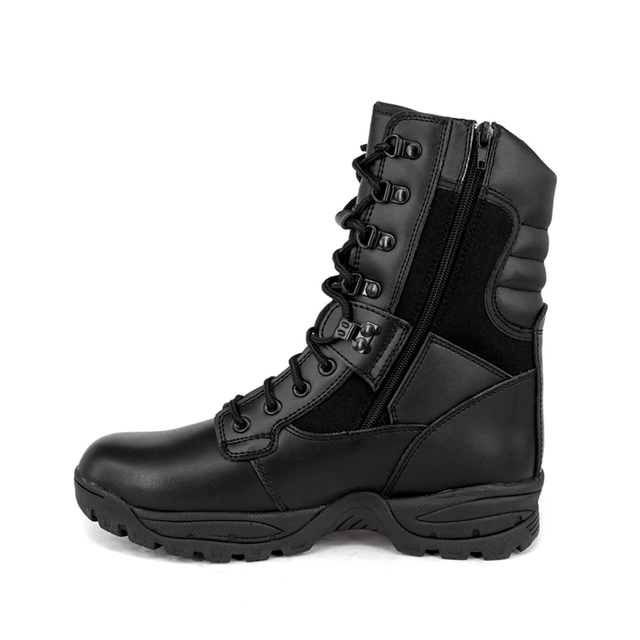
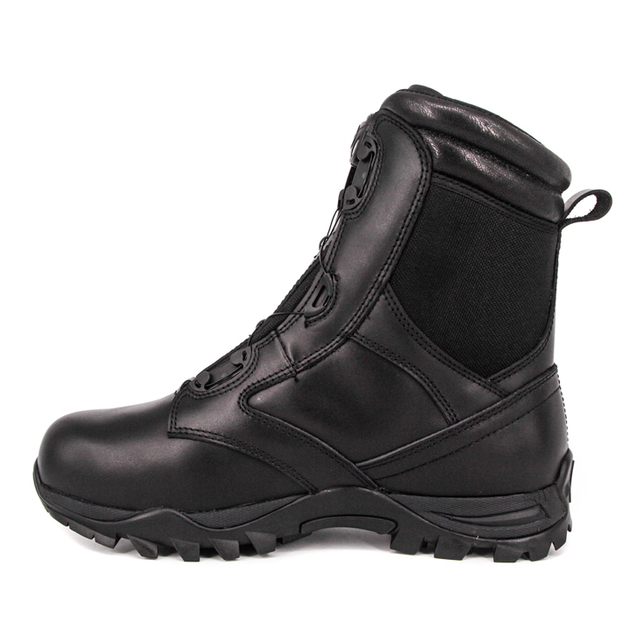
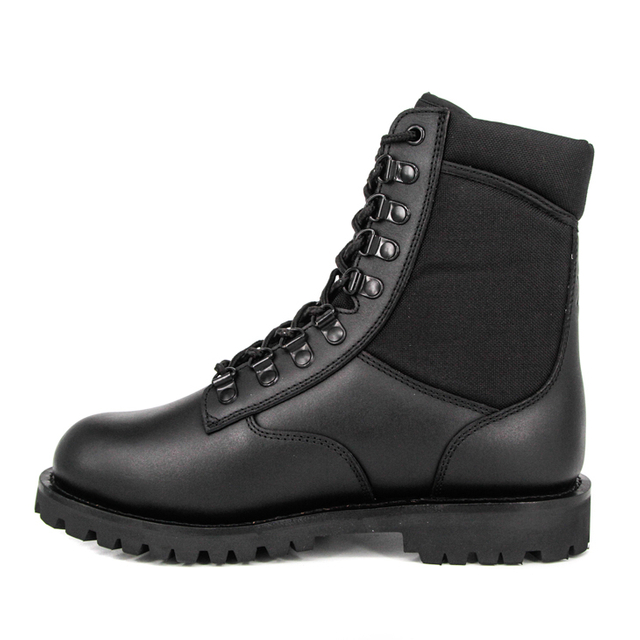
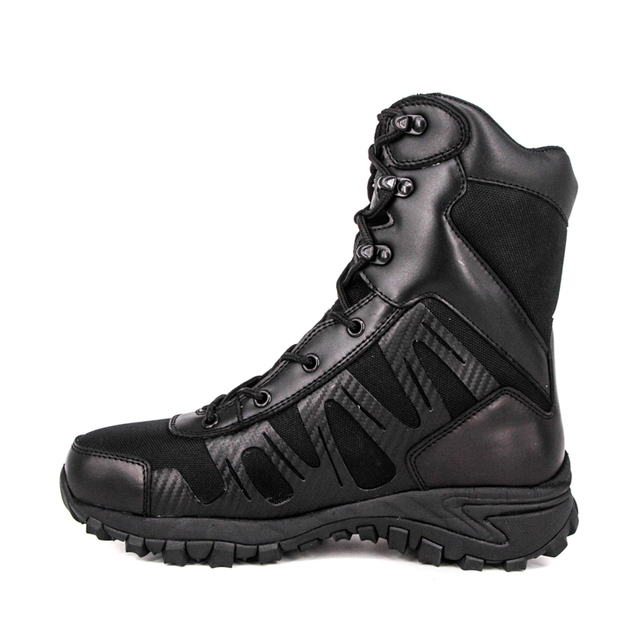
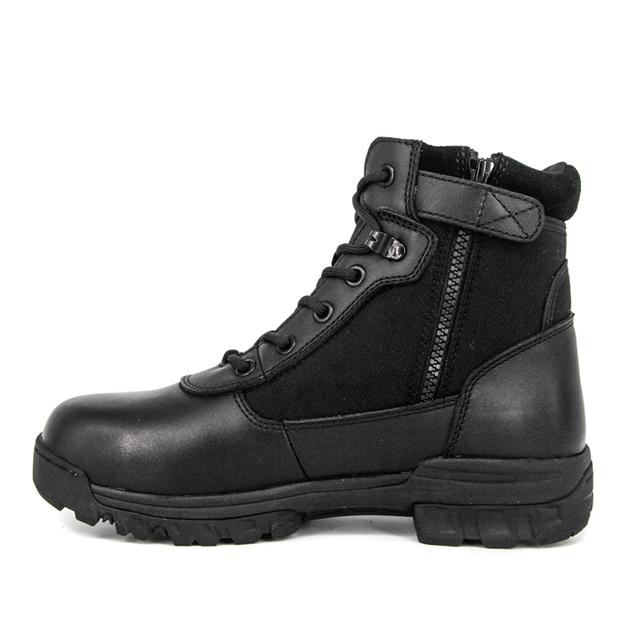
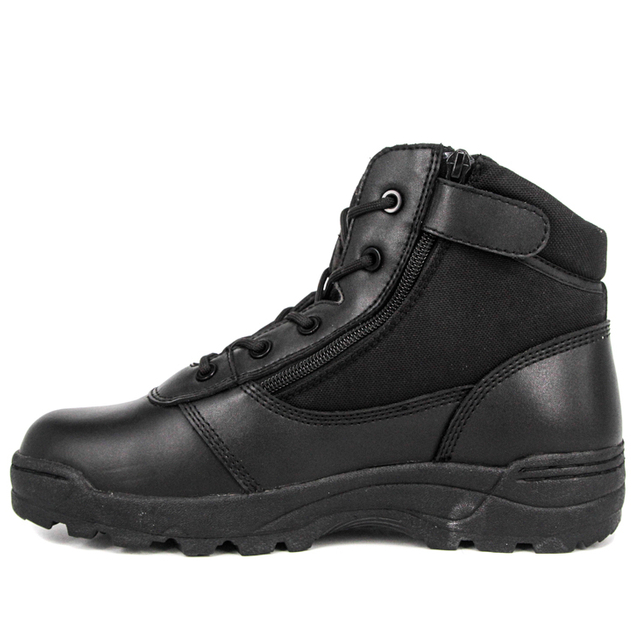
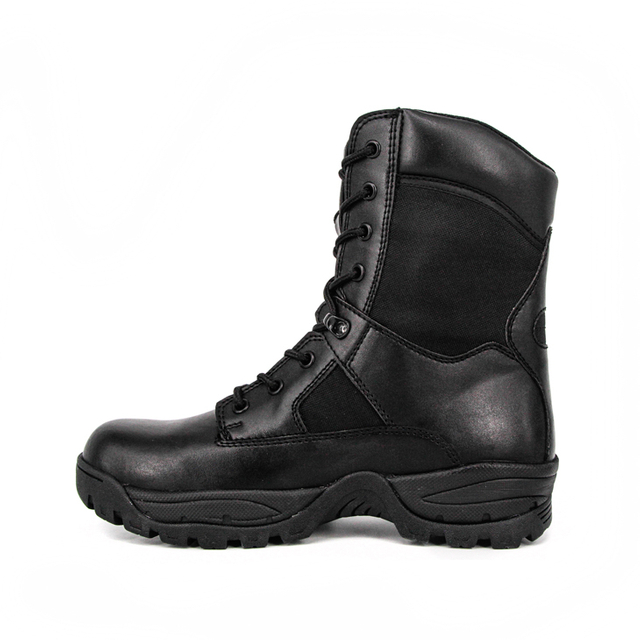
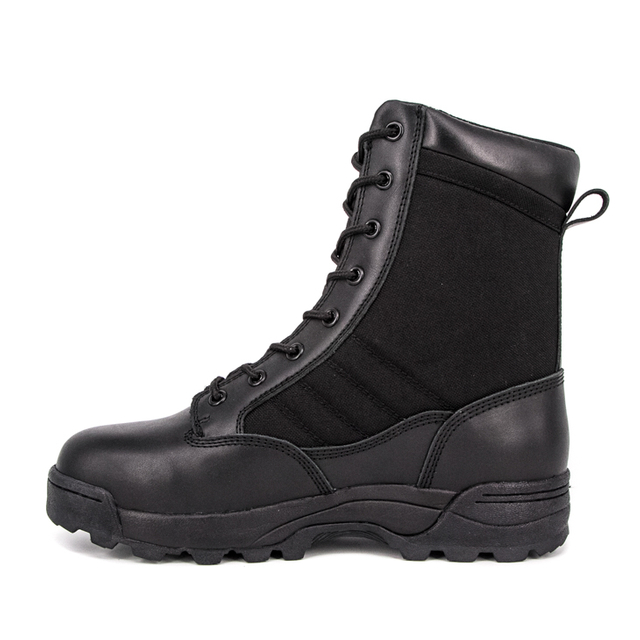
Law enforcement exacts a massive physical toll on the human body. Officers routinely endure exhausting 12-hour shifts. They carry over 20 pounds of heavy gear daily. They also make unpredictable, explosive transitions from standing statically on hard concrete to executing full sprints.
Finding true "comfort" remains highly subjective. However, structural support and tactical readiness are measurable metrics. Poor footwear directly correlates to debilitating lower back pain. It causes severe knee fatigue and compromises operational effectiveness in the field. Ignoring biomechanical support limits your daily performance.
A reliable boot must expertly balance strict departmental regulations, crucial biomechanical support, and rugged environmental demands. It should achieve these goals without over-promising on conflicting features. You cannot simultaneously get extreme durability and an ultra-lightweight footprint. Read on to discover how to evaluate and select the optimal footwear for your daily patrol.
Key Takeaways
Context Dictates Choice: The best tactical boots for a foot patrol officer differ drastically from those required by a K-9 handler or desk-duty sergeant.
The Weight vs. Durability Trade-off: Athletic-style duty boots prioritize out-of-the-box comfort and agility but require more frequent replacement than traditional welted leather boots.
Compliance is Mandatory: Comfort features are irrelevant if the boot fails to meet agency uniform standards (e.g., minimum height, black polishable toe).
Climate Trumps Marketing: Waterproofing inherently limits breathability. Officers in hot, humid climates must weigh the need for dry feet in the rain against the daily reality of sweat retention.
The Biomechanics of Comfort in Law Enforcement Boots
Standing on hard concrete destroys joints over time. Biomechanics dictate how footwear absorbs these harsh impacts. True comfort originates deep inside the boot structure. You must evaluate the midsole, the footbed, and the toe box.
Many officers mistakenly focus entirely on the removable insole. They buy thick gel inserts. However, the midsole actually dictates long-term joint health. It acts as the primary shock absorber.
Midsole Support and Shock Absorption: Midsole materials vary significantly. Brands typically use either EVA foam or Polyurethane (PU). EVA foam feels incredibly soft initially. It absorbs impact well during dynamic movement. However, EVA compresses under heavy loads quickly. Polyurethane acts differently. It feels firmer out of the box. It resists compression over time. PU provides vastly superior long-term joint health when you stand on concrete all day.
Heel-to-Toe Drop and Arch Support: The heel-to-toe drop influences your posture. A massive drop pushes your weight forward. A proper, moderate drop prevents plantar fasciitis. Excellent arch support reduces severe calf strain. It keeps your foot aligned during prolonged stationary duties. You avoid stressing your Achilles tendon unnecessarily.
Toe Box Volume: Your feet swell during a long shift. Blood pools in your lower extremities. Late in a shift, narrow boots cause agonizing pain. You need a wider toe box to prevent severe nerve compression. Adequate toe room prevents ingrown toenails and debilitating friction blisters.
Athletic-Style vs. Traditional Duty Boots: Evaluating the Trade-offs
The footwear market offers two primary design philosophies. You must choose between athletic-style models and traditional work profiles. Each design solves specific operational problems. Each carries inherent risks.
Comparison Chart: Duty Boot Profiles |
Feature Category | Athletic/Running-Shoe Hybrids | Traditional Work/Tactical Boots |
Break-in Period | Zero to minimal. Ready immediately. | Multi-week structured break-in required. |
Weight | Ultra-lightweight. | Noticeably heavier. |
Sole Construction | Glued (Cement construction). | Often welted and resoleable. |
Durability | Shorter lifespan (6-8 months). | High durability (Multi-year potential). |
Athletic/Running-Shoe Hybrids
Manufacturers build these like modern running shoes. They wrap synthetic uppers around thick EVA midsoles.
Pros: You enjoy a zero break-in period. They feel highly responsive immediately. The lightweight design reduces leg fatigue. They are excellent for running and dynamic pursuits.
Risks: EVA midsoles compress rapidly. They lose vital shock absorption quickly. Heavy gear accelerates this breakdown. They often last only 6 to 8 months under heavy use. Manufacturers glue these soles directly to the uppers. You cannot resole them once the tread wears smooth.
Traditional Work/Tactical Boots
These resemble classic military footwear. They utilize thick, full-grain leather and robust shanks.
Pros: They offer superior ankle stabilization. Highly durable materials survive harsh environments. Cobblers can often resole them. They provide significantly better puncture protection against street debris. You will find standard tactical boots usually fall into this rugged category.
Risks: Their heavy weight drastically increases your daily caloric expenditure. You expend more energy lifting your feet. They demand a structured, multi-week break-in period. Rushing this process inevitably causes severe heel blisters.
Selecting Tactical Boots Based on Operational Environment
Your daily environment dictates your footwear needs. A rural sheriff deputy faces different hazards than a downtown metro cop. You must match your outsole and upper materials to your specific patrol zone.
Urban Patrol (Asphalt & Concrete)
Metro officers walk on flat, unforgiving surfaces. Asphalt and concrete offer no natural shock absorption. You should prioritize slip-resistant, flat-traction outsoles. Flat soles maximize surface contact. They grip wet sidewalks effectively. You must combine this flat tread with maximum heel cushioning. The cushioning absorbs the harsh, repetitive impact of urban walking beats.
Rural / K-9 / SWAT (Mixed Terrain)
Off-road duties introduce mud, gravel, and uneven ground. You need aggressive lug patterns. Deep lugs bite into loose dirt to provide vital traction. You also need reinforced shanks in the arch. Shanks prevent foot fatigue during prolonged ladder or fence climbing. Furthermore, these environments demand enhanced lateral ankle support. Stepping into hidden holes easily causes severe sprains without proper rigid stabilization.
Climate Considerations (Hot/Humid vs. Cold/Wet)
Marketing departments aggressively push waterproof membranes. You must evaluate these claims skeptically. Expose the "waterproof and breathable" myth immediately. Gore-Tex and similar membranes fundamentally trap heat. They prevent exterior water from entering. However, they also drastically reduce internal vapor escape.
Officers in hot, humid climates face a tough dilemma. Florida summers generate massive foot sweat. Trapped sweat softens skin rapidly. Soft skin tears easily, causing massive blisters. We highly recommend unlined, ventilated law enforcement boots for hot climates. Pair them with moisture-wicking socks. You should reserve waterproof models strictly for wet or winter seasons. Your feet will stay healthier when they remain dry from internal sweat.
Safety Certifications and Compliance Standards
Comfort features become entirely irrelevant if your footwear violates agency policies. You must balance personal preferences with mandated departmental regulations. You also need verified safety features to survive hazardous patrol environments.
Most agencies enforce strict dress codes. Administrators want a unified, professional appearance. Detail your specific uniform requirements before shopping. Common mandates include a strict 8-inch height minimum. Departments universally require a solid black color. They usually demand a polishable leather toe. Furthermore, many agencies strictly prohibit visible brand logos. Always read your policy manual first.
ASTM Safety Ratings
Do not guess about safety capabilities. Look for verified ASTM safety ratings on the boot tag. Frame your safety features based on your specific duty risks.
Slip Resistance: This remains crucial for highly unpredictable environments. You will encounter chemical spills, slick hospital floors, and rain-slicked tile. Verified slip resistance prevents sudden, dangerous falls.
Bloodborne Pathogen (BBP) Resistance: First responders face biohazards daily. BBP resistance proves essential for accident scenes. It protects you during chaotic medical calls. The membrane prevents contaminated fluids from reaching your skin.
Puncture & Toe Protection: Urban environments hide nails, glass, and needles. Puncture-resistant soles save your feet from severe injuries. Regarding toe protection, we strongly recommend composite toes over traditional steel. Composite materials maintain excellent impact protection. However, they do not trigger metal detectors. This proves vital for officers who frequently pass through courthouse or airport security checkpoints.
Implementation: Proper Sizing and the Break-In Protocol
Even the finest boots fail if poorly sized. Implementation matters just as much as the initial selection. You must measure correctly, choose the right socks, and transition slowly.
When to Measure
Never try on new footwear first thing in the morning. Your feet expand throughout the day. Advise trying on duty boots late in the afternoon or evening. This timing naturally mimics mid-shift realities. Your feet will be swollen. Fitting them at their largest ensures they never crush your toes during hour ten of a busy shift.
The Sock System
Boot performance remains heavily dependent on the sock you wear. The boot and sock form an integrated system. Never wear standard cotton socks on patrol. Cotton absorbs sweat greedily. It holds moisture directly against your skin. This causes immediate friction blisters. Instead, utilize merino wool blends. Wool naturally manages moisture. It pulls sweat away from the foot. It also naturally resists odor-causing bacteria.
Staged Rollout
Never deploy brand new footwear on a full shift. You risk mid-shift incapacitation due to massive hotspots. We highly recommend a staged rollout protocol. Wear them for just 2 to 3 hours indoors first. Walk around your house. Bend the soles. Identify any rubbing areas early. Gradually increase the wearing time over two weeks. Commit them to a 12-hour field shift only when they feel completely frictionless.
Conclusion
Selecting the proper footwear directly impacts your career longevity. You must approach this decision methodically. The right pair protects your joints and enhances your tactical response.
Identify constraints first: Check your agency uniform policy regarding height, color, and polishable toes before browsing.
Factor in your climate: Avoid waterproof membranes in extremely hot and humid regions to prevent excessive sweat retention.
Match the construction to the duty: Choose lightweight athletic styles for foot pursuits and vehicle patrol. Opt for rugged, traditional welted styles for K-9, SWAT, or rural off-road work.
Prioritize long-term biomechanics: Focus on polyurethane midsoles for long-lasting concrete shock absorption instead of just soft insoles.
As an actionable next step, immediately review your department's specific uniform policy. Download the current manual. Verify the exact boot height and material requirements. Then, assess your primary patrol environment to build your final shortlist of models.
FAQ
Q: How long should a pair of law enforcement boots last?
A: Lifespan depends entirely on the construction type and your shift frequency. Athletic hybrids using EVA foam generally last 6 to 12 months before losing shock absorption. Traditional full-grain leather boots with polyurethane midsoles often last 1 to 3 years. Your body weight, walking gait, and the harshness of your patrol environment heavily influence these timelines.
Q: Are side-zip duty boots reliable for daily patrol?
A: Side zippers offer excellent convenience for quick donning and doffing. However, the zipper introduces a potential mechanical failure point. To ensure reliability, exclusively buy models utilizing heavy-duty YKK zippers. You must also establish proper lacing tension first. Never rely on the zipper to tighten the boot; lace it securely, then use the zipper purely for removal.
Q: Can you run comfortably in standard tactical boots?
A: Yes, but context matters. Most standard models support sprinting in a short emergency pursuit. They provide adequate traction and ankle stability for sudden bursts. However, sustained running requires an athletic-cut boot. If your role demands frequent, long-distance running, you need a flexible forefoot and a lightweight EVA midsole to prevent severe fatigue.