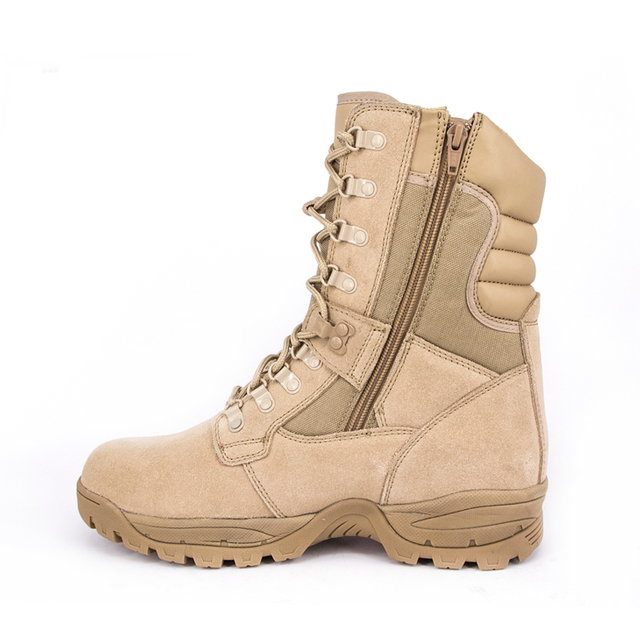
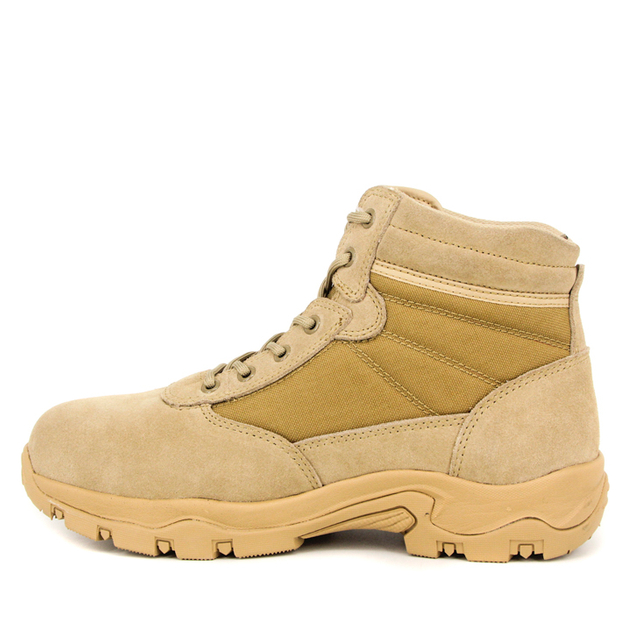
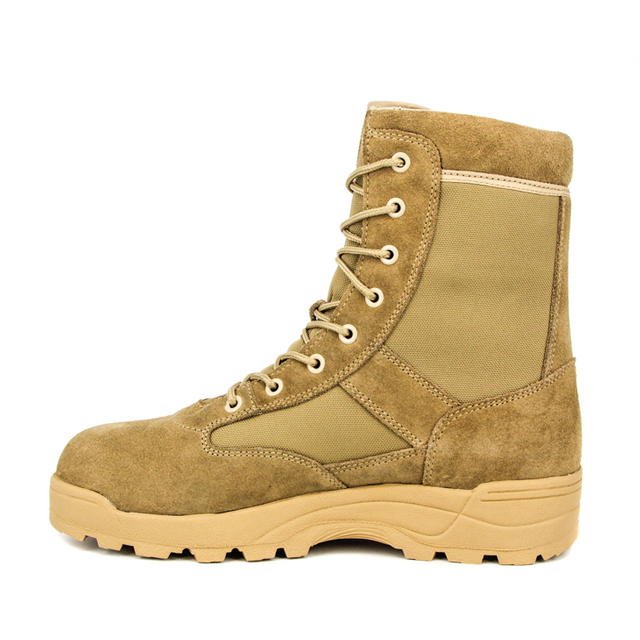
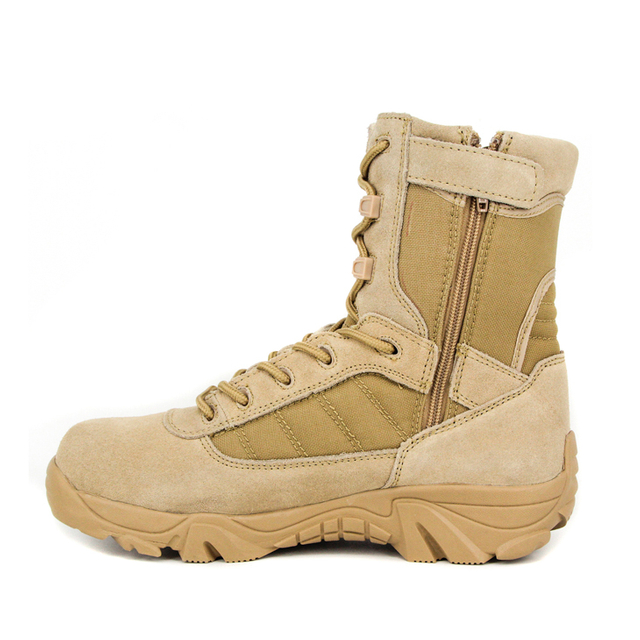
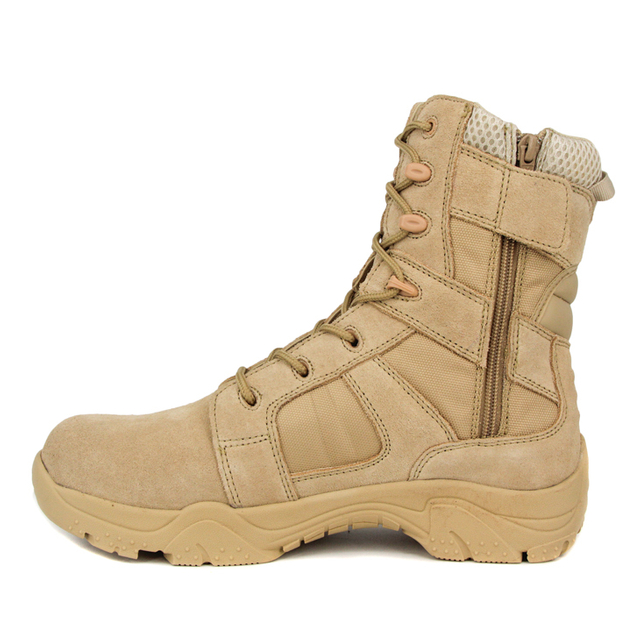
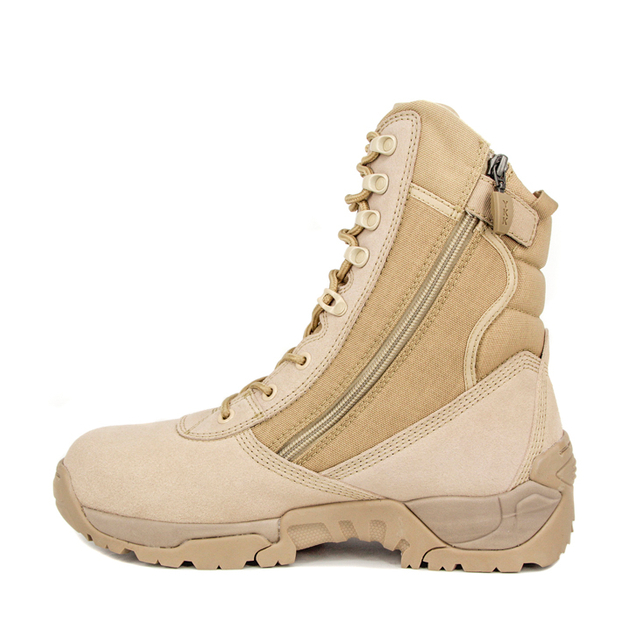
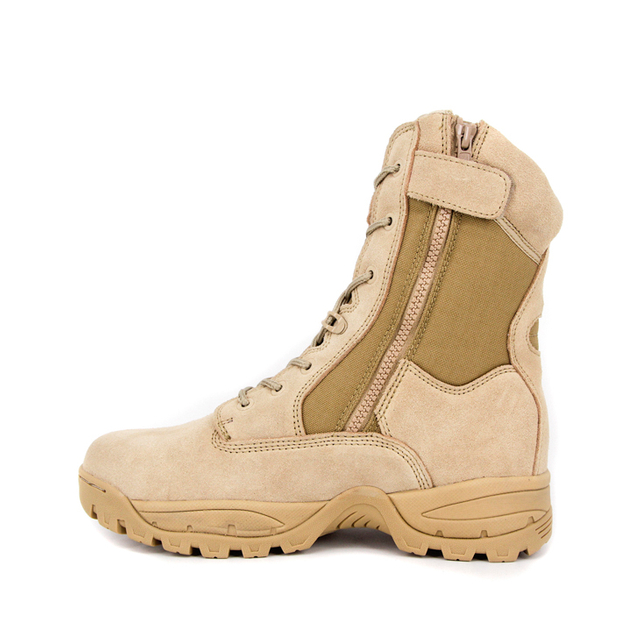
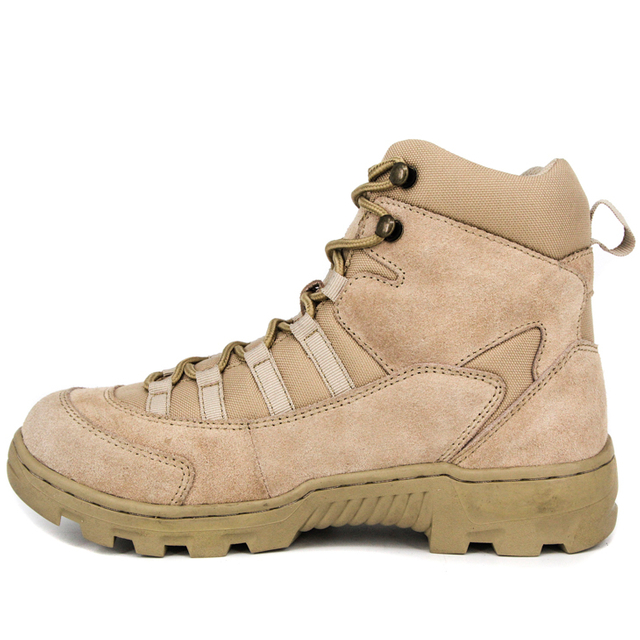
Waterproof military desert boots may sound unusual at first. Desert environments are often associated with heat, sand, dust, and dry weather, so many buyers assume that waterproof protection is unnecessary. In reality, military and tactical users may face more complex conditions than pure dry sand. A desert mission can include sudden rain, wet sand, muddy roads, water crossings, vehicle work areas, temporary camps, and mixed terrain.
This does not mean every soldier needs waterproof desert boots. In extremely hot and dry conditions, breathability and heat release may be more important than waterproofing. However, for certain operations and regions, waterproof military desert boots can provide better protection, longer comfort, and more practical field performance. For a broader overview of boot selection in desert climates, you can also read our guide on choosing military desert boots for hot and dry environments.
The key is knowing when waterproof protection is truly useful and when it may add unnecessary weight or reduce breathability.
This article explains when soldiers really need waterproof military desert boots, what features buyers should check, and how to balance water protection with comfort in hot-weather environments.
Waterproof Desert Boots Are Not for Every Desert Mission
Waterproof protection should be selected based on real field conditions, not only product appearance. In desert areas, soldiers often need boots that are breathable, lightweight, durable, and stable on dry terrain. Adding waterproof protection can improve versatility, but it may not always be the best choice for every mission.
The Main Trade-Off: Dry Feet vs Heat Release
The most important question is simple:
Do users need more protection from moisture, or more airflow for heat control?
In very dry and high-temperature environments, feet can become hot quickly. If the boots are not breathable enough, sweat may build up inside the footwear. This can lead to discomfort, friction, and fatigue during long duty hours.
On the other hand, when soldiers need to move through wet sand, muddy ground, rain-soaked surfaces, or mixed terrain, waterproof protection can help keep the feet drier and reduce discomfort caused by moisture.
A good waterproof military desert boot should not only block water. It should also keep enough comfort for hot-weather use.
Water-Resistant vs Waterproof Boots
Buyers should also understand the difference between water-resistant and waterproof boots.
Water-resistant boots can handle light moisture, small splashes, or short exposure to wet ground. They are useful for mild conditions but may not keep feet dry during longer exposure.
Waterproof boots are designed to provide stronger moisture protection. They are more suitable for environments where users may face rain, mud, wet sand, or repeated contact with water.
For soldiers and procurement teams, this distinction matters. Choosing a fully waterproof boot when only light water resistance is needed may reduce breathability. Choosing a light water-resistant boot for wet terrain may not provide enough protection.
Situations Where Soldiers Really Need Waterproof Military Desert Boots
Waterproof desert boots are most useful when desert operations are not completely dry. Below are the field situations where waterproof protection becomes more practical.
Sudden Rain and Temporary Wet Conditions
Some desert regions may experience sudden rainfall, especially during seasonal changes. Even if rain does not last long, the ground can quickly become wet, muddy, or slippery.
Soldiers may still need to continue patrols, training, transport tasks, or camp operations after rain. In this situation, waterproof military desert boots help reduce moisture entering the footwear and improve comfort during continued movement.
Without waterproof protection, boots may absorb moisture more easily. Once the inside becomes wet, it can take time to dry, especially during long duty hours.
Wet Sand, Muddy Roads, and Mixed Terrain
Desert terrain is not always clean, dry sand. Some areas include compacted soil, gravel roads, vehicle tracks, construction-like ground, or wet sand after rain.
Wet sand can stick to footwear and create extra abrasion. Muddy roads can reduce grip and make movement less stable. For soldiers working in these conditions, waterproof desert boots can provide better protection than ordinary breathable desert boots.
This is especially important for users who need one pair of boots for different outdoor surfaces instead of only dry patrol routes.
Vehicle Operations and Camp Environments
Military desert boots are not only used for long walking across sand. Soldiers may also work around vehicles, temporary bases, supply areas, fuel stations, repair zones, and camp facilities.
These environments may include water, oil, mud, damp ground, or other surface conditions that are different from open desert terrain.
In such cases, waterproof protection can help improve practical daily use. It reduces the chance of moisture entering the boot during routine movement, equipment handling, or support work.
Patrols in Transitional Desert Regions
Some regions are not pure desert. They may combine dry terrain with coastal areas, rocky surfaces, seasonal rain, dry riverbeds, or semi-arid landscapes.
For soldiers operating in these transitional environments, waterproof military desert boots can provide more flexibility. The boots can still match dry terrain visually and functionally, while offering added protection when the environment changes.
This is one reason waterproof desert boots are often useful for military, security, and outdoor personnel working in the Middle East, North Africa, and other hot-weather regions with mixed terrain.
Waterproof protection becomes more important when users cannot easily change boots during the day.
If soldiers are on long patrols, extended guard duty, field training, or remote operations, wet boots can quickly become a serious comfort problem. Moisture inside footwear may increase friction, soften the skin, and lead to blisters or odor.
Waterproof military desert boots can help reduce this risk by keeping the inside drier in wet or mixed conditions.
When Non-Waterproof Desert Boots May Be the Better Choice
Waterproof boots are useful, but they are not always the best option. In some environments, non-waterproof desert boots may perform better.
Extremely Dry and High-Heat Patrols
In very dry desert environments, breathability should often come first. Soldiers may spend many hours under direct sunlight, and heat management becomes a major comfort factor.
If there is little chance of rain, mud, or wet ground, a non-waterproof breathable desert boot may be more comfortable. It can allow better airflow and reduce heat buildup.
Fast Movement and Training
For fast movement, physical training, or short-term desert activities, lighter boots may be preferred. Waterproof structures can sometimes add weight or stiffness, depending on the design.
If the activity requires speed, flexibility, and maximum ventilation, buyers should carefully consider whether waterproof protection is truly necessary.
Missions Where Drying Speed Matters More
In some hot environments, boots may become wet from sweat rather than external water. In these cases, a highly breathable boot that dries quickly may be more practical than a waterproof boot that holds heat inside.
This is why waterproof military desert boots should be selected according to the actual mission profile instead of being treated as a universal upgrade.
Key Features to Check in Waterproof Military Desert Boots
When waterproof protection is needed, buyers should not focus only on the word “waterproof.” A good waterproof military desert boot must still meet the basic demands of desert and field use.
Waterproof Upper Construction
The upper should help prevent water from entering through exposed material areas. Common upper materials may include suede leather, synthetic fabric, nylon panels, or other tactical footwear materials.
The goal is to provide protection while keeping the boot strong enough for outdoor use.
Buyers should check:
Whether the upper construction is suitable for wet and dry conditions
Whether the stitching and panels are well designed
Whether the materials can handle abrasion from sand and dust
Whether the boot is suitable for repeated outdoor use
For a deeper understanding of boot materials, buyers can also refer to Milforce’s guide on what military desert boots are made of.
Breathable Lining
A waterproof boot still needs internal comfort. In hot climates, poor lining can make the boot feel heavy, warm, and uncomfortable.
Breathable mesh or moisture-managing lining can improve comfort during long wearing hours. Some linings are also designed to reduce odor and improve freshness during repeated use.
For soldiers, comfort inside the boot is not only about softness. It affects movement, endurance, and field performance.
Durable Outsole for Wet and Dry Surfaces
Waterproof boots are often used in mixed environments, so the outsole must provide grip on both dry and damp surfaces.
A good outsole should offer:
Anti-slip traction
Wear resistance
Stability on sand, gravel, and mud
Flexibility for walking and movement
Cushioning for long duty hours
Rubber outsoles are commonly used for military footwear because they provide durability and stable grip across different outdoor surfaces.
Proper Boot Height and Closure Design
Waterproof performance can be affected by boot height and closure design. A higher boot may help reduce sand, dust, and water splashes entering from the top. A stable lace-up system helps improve fit and ankle support.
Some waterproof desert boots also include side zippers for easier wearing. This can be useful for soldiers, security teams, and patrol personnel who need to put on or remove boots quickly.
However, the closure system should still support a secure fit. Convenience should not weaken stability.
Recommended Use Cases for Waterproof Military Desert Boots
Waterproof military desert boots are especially suitable for users who need desert-style footwear but still face occasional moisture or mixed conditions.
They are often practical for:
Military patrols in semi-arid regions
Security work in outdoor desert-like environments
Field training with uncertain weather
Vehicle and camp operations
Outdoor missions with wet sand or muddy roads
Hot-weather regions with seasonal rain
For buyers looking for sand-colored, protective, and waterproof footwear for outdoor use, Milforce offers waterproof military desert boots designed with practical field features, durable construction, and a desert-ready appearance.
This type of boot is suitable when users need more protection than standard breathable desert boots but still want footwear designed for hot and dry surroundings.
How Procurement Teams Should Evaluate Waterproof Desert Boots
For military organizations, security companies, distributors, and bulk buyers, choosing waterproof desert boots should involve more than checking one feature.
Match the Boot to the Region
Different regions have different needs. A boot used in a dry inland desert may not require the same waterproof protection as one used in a coastal desert, rainy season, or mixed outdoor environment.
Procurement teams should first define the real operating conditions.
Check Comfort for Long-Term Use
Waterproof boots must still be comfortable enough for long duty hours. Buyers should evaluate breathability, lining, boot weight, outsole cushioning, and overall fit.
A waterproof boot that causes overheating may not be suitable for desert use.
Review Durability and Production Consistency
For bulk orders, consistency matters. Materials, sizing, stitching, outsole bonding, and color should remain stable across production batches.
Buyers sourcing from a military footwear supplier should also confirm customization options, sample availability, and production capability before placing large orders.
Consider Whether One Boot Can Cover Multiple Conditions
In some cases, waterproof military desert boots are useful because they reduce the need for multiple footwear types. If users may face both dry and wet outdoor conditions, a waterproof desert boot can provide better versatility.
However, if the mission is strictly dry and high-heat, a more breathable non-waterproof boot may still be the better choice.
Common Mistakes When Buying Waterproof Military Desert Boots
One common mistake is assuming waterproof means better in every situation. Waterproof protection is valuable only when the environment requires it.
Another mistake is ignoring breathability. In desert climates, boots must still allow enough comfort for heat and sweat management.
Buyers should also avoid choosing boots only by product name. The construction, outsole, lining, fit, and protection level should all be checked carefully.
For bulk purchasing, another mistake is not testing samples. Waterproof performance, sizing comfort, and outsole grip should be reviewed before larger orders.
The best waterproof military desert boots are not simply the most protective boots. They are the boots that match the actual field conditions.
Conclusion
Waterproof military desert boots are not necessary for every desert mission, but they are highly useful in the right conditions. Soldiers may need them when operating in areas with sudden rain, wet sand, muddy roads, camp environments, vehicle zones, or transitional desert terrain.
The most important point is balance. A waterproof desert boot should protect against moisture without becoming too hot, heavy, or uncomfortable for long use in warm climates.
For dry, high-heat operations, breathability may matter more. For mixed terrain and unpredictable weather, waterproof protection can improve comfort, versatility, and field reliability.
When choosing waterproof military desert boots, buyers should evaluate the real environment, boot construction, lining comfort, outsole grip, and long-term wearing needs. The right boot should support soldiers not only in dry sand, but also in the changing conditions they may actually face in the field.
FAQ
1. Do soldiers always need waterproof desert boots?
No. Soldiers only need waterproof desert boots when they may face rain, wet sand, mud, damp ground, or mixed terrain. In completely dry and hot environments, breathable non-waterproof boots may be more comfortable.
2. Are waterproof military desert boots too hot?
They can feel warmer than non-waterproof boots if the design lacks breathability. That is why buyers should choose waterproof desert boots with breathable lining, suitable upper materials, and practical hot-weather construction.
3. What is the difference between waterproof and water-resistant desert boots?
Water-resistant boots can handle light moisture or short exposure. Waterproof boots are designed for stronger protection against moisture and are more suitable for wet sand, muddy roads, rain, or mixed terrain.
4. Can waterproof desert boots be used in hot climates?
Yes, if they are designed for hot-weather use. The key is balancing water protection with breathability, weight control, and comfort.
5. Are waterproof military desert boots suitable for Saudi Arabia or Middle East conditions?
They can be suitable for certain Middle East conditions, especially where users may face seasonal rain, wet sand, coastal areas, camp environments, or mixed terrain. For extremely dry environments, breathable desert boots may still be preferred.
6. What should bulk buyers check before ordering waterproof military desert boots?
Bulk buyers should check waterproof performance, breathability, outsole grip, boot weight, size range, material quality, sample testing, customization options, and supplier production consistency.