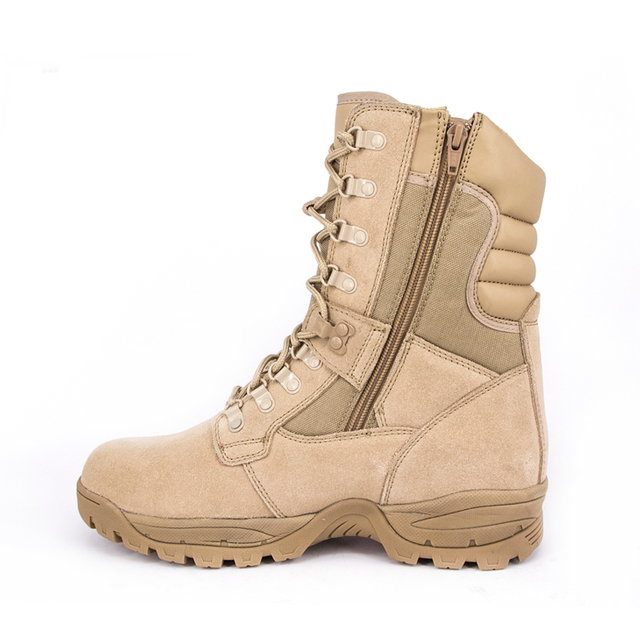
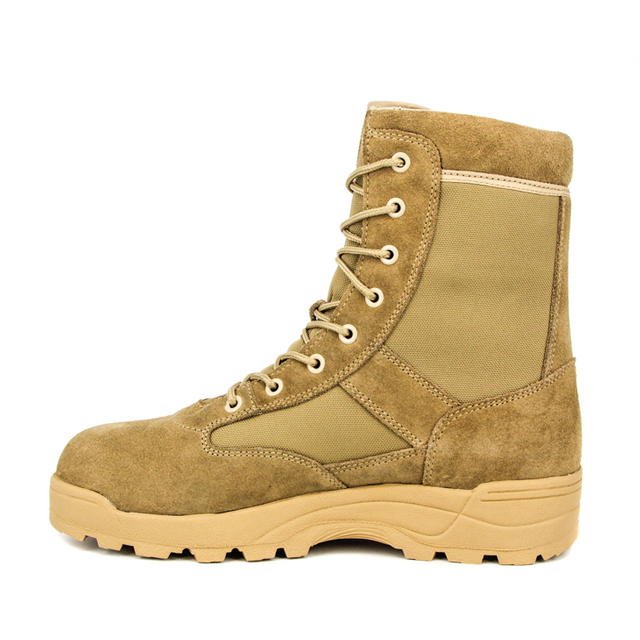
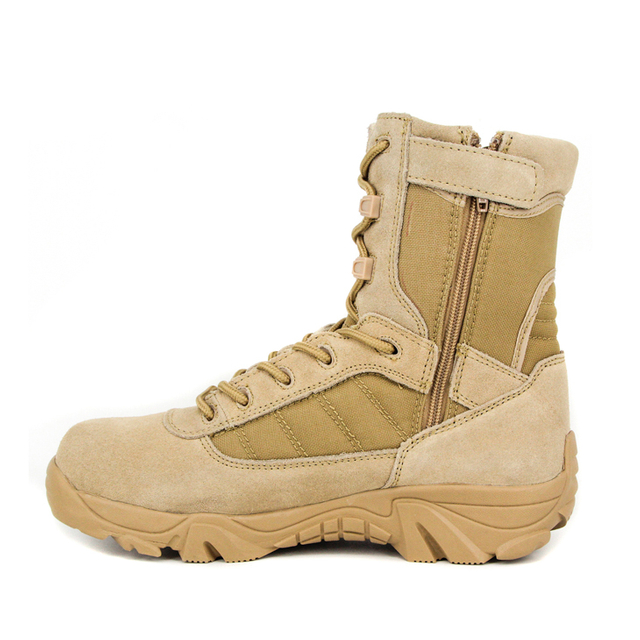
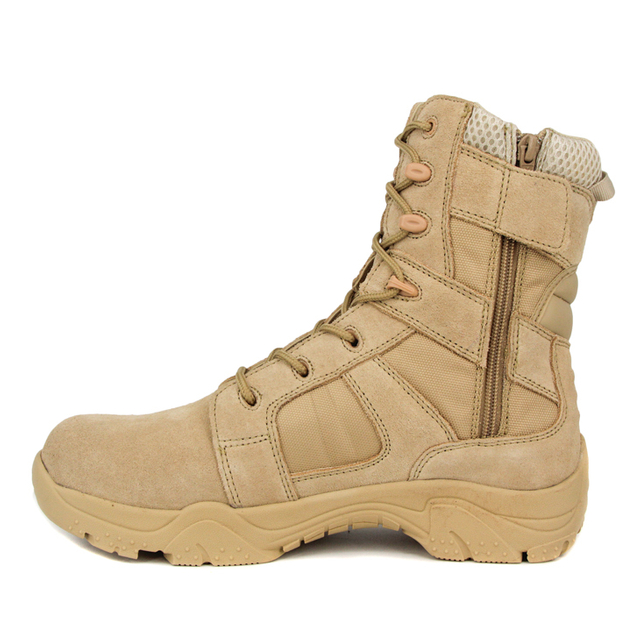
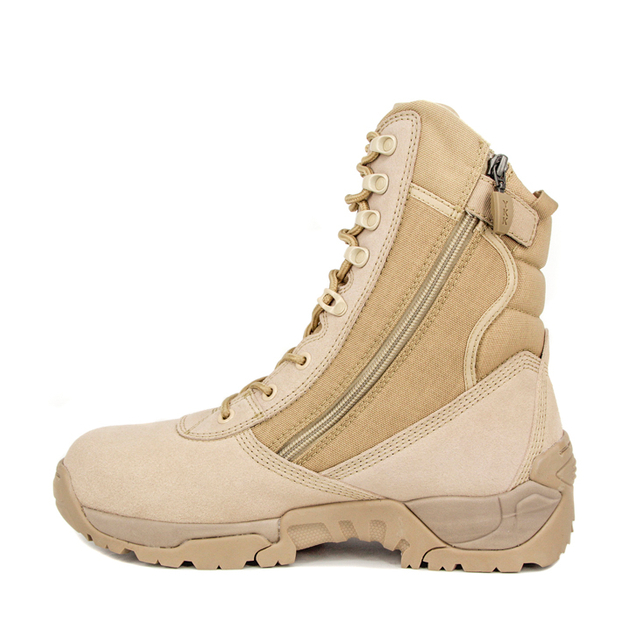
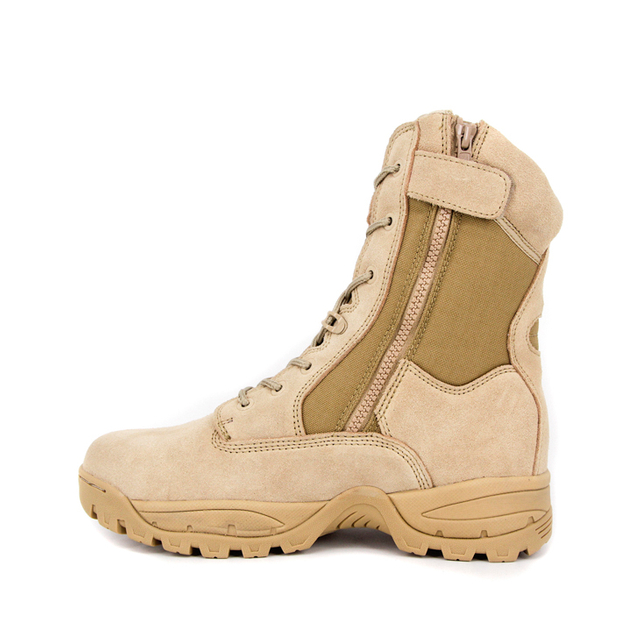
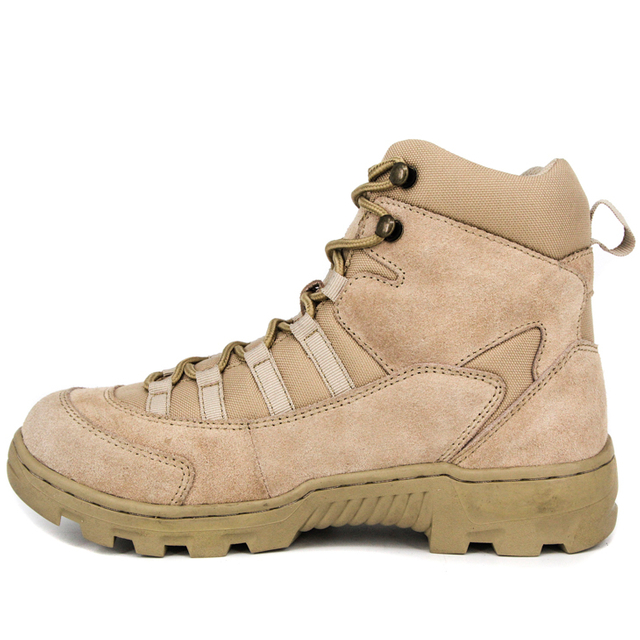
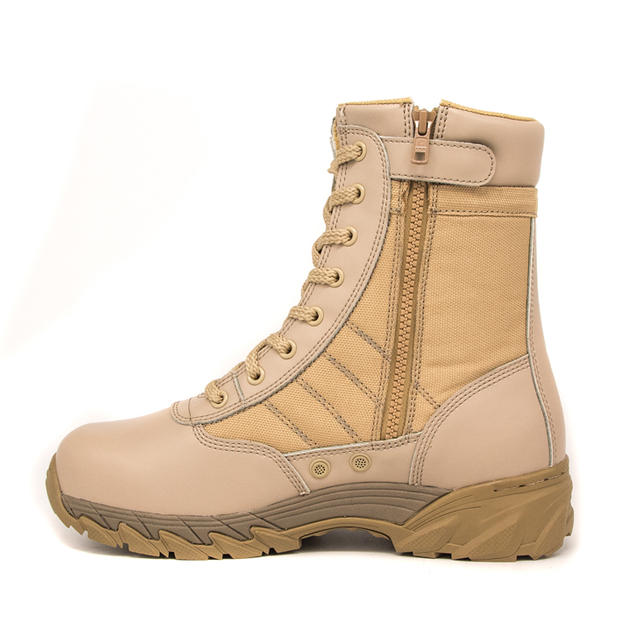
Military desert boots used in the Middle East and Saudi Arabia need to handle more than high temperatures. These regions can include open desert, rocky ground, fine sand, dry roads, temporary camps, vehicle areas, and occasional wet or muddy surfaces. For soldiers, security teams, patrol personnel, and outdoor workers, the right boots must support comfort, protection, and movement across different conditions.
Compared with general tactical footwear, desert boots for Middle East environments should focus on breathability, sand-colored appearance, durable outsoles, ankle support, and practical field protection. In some cases, waterproof or water-resistant features may also be useful, especially when users face mixed terrain, seasonal rain, or camp environments.
This article explains what buyers should consider when choosing military desert boots for Saudi Arabia and Middle East conditions, with a focus on real regional use rather than general boot selection.
For a broader overview of desert footwear selection, you can also read the guide on choosing military desert boots for hot and dry environments.
Why Middle East Conditions Require Purpose-Built Desert Boots
The Middle East is often associated with desert terrain, but field conditions are not always the same. Boots may be used in open sand, rocky areas, military bases, city outskirts, construction-like ground, and vehicle operation zones. This means one pair of boots may need to handle both dry desert movement and rough daily use.
Heat and Long Wearing Hours
High temperatures are one of the biggest challenges. Boots that are too heavy or poorly ventilated can quickly become uncomfortable. For soldiers and security personnel who wear boots for long shifts, heat buildup can affect comfort, endurance, and mobility.
A suitable desert boot should help reduce heat stress through breathable materials, lighter construction, and comfortable lining. It should also remain stable enough for long periods of walking or standing.
Fine Sand and Dust
Fine sand and dust are common in desert regions. They can enter footwear, affect comfort, and increase abrasion around seams, panels, and outsole edges. A good pair of desert boots should use durable upper materials and secure construction to handle repeated exposure to sand.
Boot height also matters. Mid-cut or higher designs can help reduce sand entry while supporting the ankle during movement on uneven ground.
Rocky and Mixed Terrain
Saudi Arabia and other Middle East regions are not limited to soft sand. Users may also walk on gravel, dry soil, rock, asphalt, and compacted surfaces. Boots designed only for soft ground may not provide enough durability or traction on rough terrain.
A strong outsole with reliable grip is important for these mixed surfaces. It should provide stability without making the boot too stiff or heavy.
Camp, Vehicle, and Patrol Environments
Military and security users often move between desert terrain and more structured environments, such as camps, checkpoints, warehouses, supply areas, and vehicle stations. These areas may include hard ground, dust, oil, damp surfaces, or temporary mud after rain.
This is why desert boots for Middle East conditions need practical versatility. They should not only look suitable for desert use but also perform well during routine duty and support tasks.
Key Features of Military Desert Boots for Saudi Arabia
When selecting boots for Saudi Arabia and similar environments, buyers should pay attention to features that match regional conditions.
Breathable Upper Materials
Breathability is essential for hot-weather use. Many military desert boots use a combination of suede leather and textile fabric. Suede leather improves durability, while nylon or mesh panels help reduce weight and improve airflow.
This mixed construction is suitable for Middle East conditions because it provides a balance between protection and comfort.
Buyers should check whether the upper materials can:
Allow enough airflow
Resist sand and dust abrasion
Maintain structure during long use
Support movement without feeling too heavy
For more information about upper, lining, and sole construction, buyers can refer to the guide on what military desert boots are made of.
Sand or Yellow-Brown Color
Color is especially important for Middle East desert boots. Sand, tan, khaki, and yellow-brown colors are commonly preferred because they match dry terrain and military-style uniforms.
Dark boots may absorb more heat and look less suitable in light desert environments. Sand-colored boots can provide a more practical and professional appearance for desert patrols, field training, and security use.
For Saudi Arabia and similar markets, yellow or sand-colored military desert boots are often a better match than black combat boots.
Durable Outsole for Sand, Gravel, and Hard Ground
The outsole should work across different surfaces. In Middle East conditions, users may move from soft sand to rocky ground, then to concrete, asphalt, or camp areas.
A good outsole should offer:
Anti-slip grip
Wear resistance
Stable traction on loose terrain
Durability on hard ground
Cushioning for long movement
Rubber outsoles are widely used because they provide practical grip and long service life. EVA midsoles may also help reduce weight and improve walking comfort.
Ankle Support for Uneven Terrain
Uneven surfaces increase the need for ankle support. Soldiers and patrol personnel may walk across slopes, stones, soft sand, and vehicle tracks. Without enough support, the risk of fatigue and instability can increase.
Mid-height or high-cut desert boots can provide better ankle stability while also helping reduce sand entry. The boot should support the ankle without making movement feel restricted.
Practical Protection Features
Depending on the user group, additional protection may be needed. Some military desert boots include reinforced toe areas, stronger side panels, steel toe protection, or anti-puncture bottom features.
These features are more suitable for demanding environments, such as vehicle operations, logistics support, construction-like terrain, or heavy-duty outdoor use.
However, protection should be balanced with weight. For light patrols in hot weather, excessive protection may reduce comfort. For harsher ground conditions, stronger protection may be worth the added weight.
Are Waterproof Desert Boots Useful in Saudi Arabia?
Waterproof protection is not required for every desert boot. In very dry and hot conditions, breathability may be more important. However, waterproof or water-resistant military desert boots can be useful in certain Saudi Arabia and Middle East applications.
They may be suitable for:
Seasonal rain or unexpected wet ground
Wet sand after rain
Camp and vehicle operation areas
Muddy roads or mixed outdoor surfaces
Long duty hours without footwear changes
For users who need sand-colored footwear with additional moisture protection, Milforce offers Saudi Arabia yellow waterproof military desert boots designed for practical outdoor use, protective performance, and desert-style appearance.
The key is to choose waterproof desert boots only when the operating environment requires them. If the boots are used in extremely dry and high-heat conditions, buyers should still make sure breathability and comfort are not sacrificed.
Matching Desert Boots to Different Middle East Users
Different users in the Middle East may need different desert boot features. A military patrol unit, a security company, and a distributor may not have the same priorities.
Military and Tactical Users
Military and tactical users usually need boots that can handle long movement, uneven terrain, heat, dust, and field protection. For this group, boot selection should focus on breathability, outsole grip, ankle support, and durability.
If missions include mixed terrain or uncertain weather, water-resistant or waterproof options may also be considered.
Security and Patrol Teams
Security and patrol teams may use desert boots for long shifts around facilities, checkpoints, camps, or outdoor sites. Comfort and wearing convenience become very important.
Features such as breathable lining, stable soles, and easy-wearing designs can improve daily use. If users need to put on and remove boots frequently, a zipper design may provide added convenience.
Outdoor and Work Users
Some desert boots are also used by outdoor workers, training teams, and industrial support personnel. These users may need stronger toe protection, better outsole durability, or anti-puncture performance.
For this group, the boots should not only look tactical but also meet practical working requirements.
Distributors and Bulk Buyers
For distributors and bulk buyers, product consistency is just as important as individual boot features. Buyers should evaluate size ranges, color options, material quality, sample availability, packing requirements, and supplier production capability.
If the boots are intended for Saudi Arabia or other Middle East markets, sand color, hot-weather comfort, and region-appropriate design should be emphasized.
Common Mistakes When Choosing Desert Boots for Middle East Conditions
One mistake is assuming all desert boots are the same. Boots designed for casual outdoor use may not be strong enough for military or security applications.
Another mistake is focusing only on heat while ignoring terrain. Middle East users may face rocks, gravel, hard ground, and vehicle areas, not only soft sand. Outsole durability and ankle support should not be overlooked.
Buyers should also avoid choosing black or heavy boots when sand-colored, lightweight, and breathable designs are more suitable for desert surroundings.
Finally, waterproof features should be selected carefully. Waterproof desert boots can be useful, but they should not reduce comfort in hot-weather use.
Buying Checklist for Saudi Arabia and Middle East Desert Boots
Before purchasing military desert boots for Middle East applications, buyers can use the following checklist:
Environment
Will the boots be used in open desert, rocky terrain, or mixed surfaces?
Are users exposed to extreme heat for long hours?
Is sand, dust, or gravel a major challenge?
Is occasional rain or wet ground expected?
Product Features
Are the upper materials breathable and durable?
Is the boot color suitable for desert environments?
Does the outsole provide grip on both sand and hard ground?
Is ankle support strong enough for uneven terrain?
Are protection features required for the application?
Business and Procurement Factors
Are multiple sizes available?
Can color, material, outsole, or logo options be customized?
Is sample testing available before bulk orders?
Can the supplier maintain consistent production quality?
Is the boot suitable for military, security, or outdoor distribution channels?
For organizations sourcing military desert boots, these questions can help narrow down suitable product options and reduce purchasing risk.
FAQ
1. What type of military desert boots are suitable for Saudi Arabia?
Military desert boots for Saudi Arabia should be breathable, durable, sand-colored, and suitable for hot weather, fine sand, gravel, and mixed outdoor surfaces.
2. Are waterproof military desert boots necessary in the Middle East?
Not always. Waterproof boots are useful for wet sand, seasonal rain, muddy roads, or camp environments, but highly breathable boots may be better for extremely dry and hot conditions.
3. What color is best for Middle East desert boots?
Sand, tan, khaki, and yellow-brown colors are commonly suitable because they match desert terrain and military-style uniforms.
4. Should desert boots for Saudi Arabia have ankle support?
Yes. Mid-cut or high-cut boots can provide better ankle support and help reduce sand entry, especially on uneven terrain.
5. What outsole works best for Middle East desert conditions?
A durable rubber outsole with anti-slip traction is suitable for sand, gravel, rocky surfaces, asphalt, and camp environments.
6. Can Middle East buyers order customized desert boots?
Yes. Many bulk buyers may request specific colors, materials, outsoles, sizes, packaging, or branding. Buyers can contact Milforce to discuss custom desert boot requirements.
Conclusion
Military desert boots for Middle East and Saudi Arabia conditions must be designed for real field use. Heat is important, but it is not the only challenge. Fine sand, dust, rocky terrain, hard ground, camp environments, and occasional moisture can all affect boot performance.
The right boots should combine breathable materials, sand-colored appearance, durable outsole traction, ankle support, and suitable protection features. For some applications, waterproof or water-resistant construction can also improve versatility.
For military, security, outdoor, and bulk procurement users, the best desert boots are not simply the lightest or most protective option. They are the boots that match the actual regional environment and the way users move, work, and operate every day.