Law enforcement patrol work physically breaks down the human body over time. You spend 12-hour shifts standing on asphalt, running through unpredictable terrain, and carrying 20 to 30 pounds of gear on your duty belt and vest. This constant load-bearing stress requires footwear built for extreme biomechanical abuse. You have to balance the need for athletic agility and fatigue reduction with strict department uniform regulations, long-term durability, and mandatory safety standards. Picking the wrong footwear leads to chronic lower back pain, degraded response times, and compromised safety in the field. This guide breaks down the technical differences between modern athletic-style tactical footwear and traditional leather duty boots. We evaluate material science, biomechanical impacts, and compliance factors to help you and your procurement team make evidence-based decisions that improve daily comfort and operational performance on the street.
Key Takeaways
Agility vs. Durability: Police tactical boots prioritize athletic performance and reduced weight, while traditional duty boots offer superior longevity and structural support.
Compliance Dictates Choice: Agency Standard Operating Procedures (SOPs) often mandate specific materials (e.g., polishable leather toes) and boot heights, immediately filtering available options.
Biomechanical Impact: The choice between a rigid shank and a flexible sole directly impacts lower back and joint health over a 20-year career.
Safety and Standards: Modern law enforcement tactical boots must often meet strict ASTM standards not just for slip resistance, but for bloodborne pathogen and puncture resistance.
Context-Dependent Selection: Urban patrol, K-9 units, and academy recruits require vastly different footwear profiles for optimal performance.
The Anatomy of Police Tactical Boots
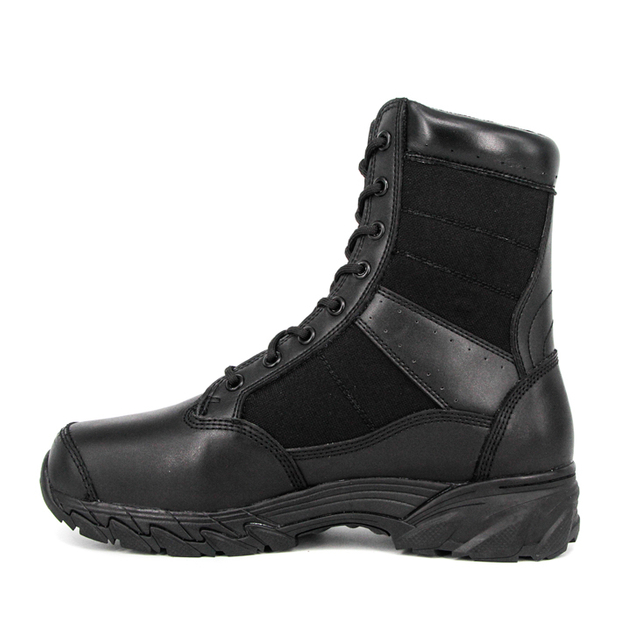
Modern performance designs use a hybrid construction approach. Manufacturers fuse lightweight synthetics like high-denier nylon or Cordura with targeted leather panels. This reduces overall mass while keeping structural integrity at high-stress flex points. The foundation of these designs relies on running-shoe-inspired Ethylene-Vinyl Acetate (EVA) midsoles. These foam midsoles absorb harsh impact forces from concrete and allow for rapid directional changes.
The industry is shifting heavily toward athletic-style tactical footwear. These low-profile designs mimic civilian trail running shoes but keep duty-specific features. A flexible toe box allows for dynamic responses during foot pursuits, fence climbing, or kneeling maneuvers. This flexibility lets your foot articulate naturally. You get maximum speed and agility during high-stress encounters. We see more officers choosing police tactical boots for daily patrol because they feel like running shoes right out of the box.
The Anatomy of Traditional Duty Boots
Traditional duty boots prioritize rugged stability and maximum protection over athletic speed. Their construction features thick, full-grain leather uppers paired with dense rubber outsoles. This combination withstands severe abrasion, harsh weather, and years of daily abuse. Inside the boot, steel or hardened composite shanks provide rigid arch support. This rigidity prevents foot fatigue and arch collapse when you stand for extended traffic details.
Many traditional models use classic welt construction methods, like the Goodyear welt. This heavy-duty stitching method attaches the upper directly to the sole unit instead of relying on chemical adhesives. Welted construction allows skilled cobblers to resole the boot multiple times. You can extend the operational life of the upper leather long after the original rubber tread wears flat.
Feature | Tactical / Athletic Boots | Traditional Duty Boots |
Primary Material | Nylon, Cordura, Leather Hybrid | Full-Grain Leather |
Midsole Technology | Shock-absorbing EVA Foam | Dense Polyurethane or Rubber |
Weight per Boot | 1.2 lbs - 1.8 lbs | 2.0 lbs - 3.0+ lbs |
Arch Support | Flexible TPU Shank | Rigid Steel or Composite Shank |
Break-In Period | Minimal to None | 2 to 4 Weeks |
Weight, Agility, and Fatigue Reduction
Ounces equal pounds over a long patrol shift. Lifting a 1.5-pound boot requires less muscular energy than dragging a 2.5-pound boot across a 12-hour walking beat. This weight reduction minimizes hip flexor, knee, and lower back fatigue. The kinetic chain of your body absorbs every heavy footfall. Reducing the weight attached to your foot lowers the cumulative physical toll on your joints.
Sole flexibility plays a massive role in sprint mechanics. Flexible outsoles allow the foot to bend naturally at the metatarsal joints. This natural articulation improves forward acceleration during sudden foot pursuits. It also allows for stealthy, controlled movements during building searches. Stiff soles force a clunky heel-to-toe strike that inhibits rapid running mechanics.
Load-Bearing Ankle Support and Boot Height
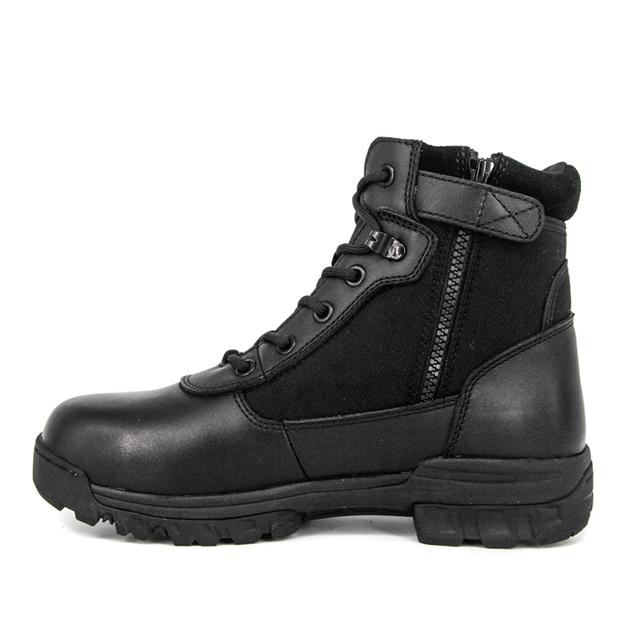
Carrying a fully loaded duty belt and a ballistic plate carrier alters your natural center of gravity. This added top weight increases the risk of severe ankle rolls on uneven terrain, curbs, or debris-filled alleys. Boot height directly influences load-bearing stability. Modern law enforcement tactical boots often feature a 6-inch or lower profile. This shorter shaft maximizes ankle mobility. It makes operating vehicle pedals and sprinting much easier.
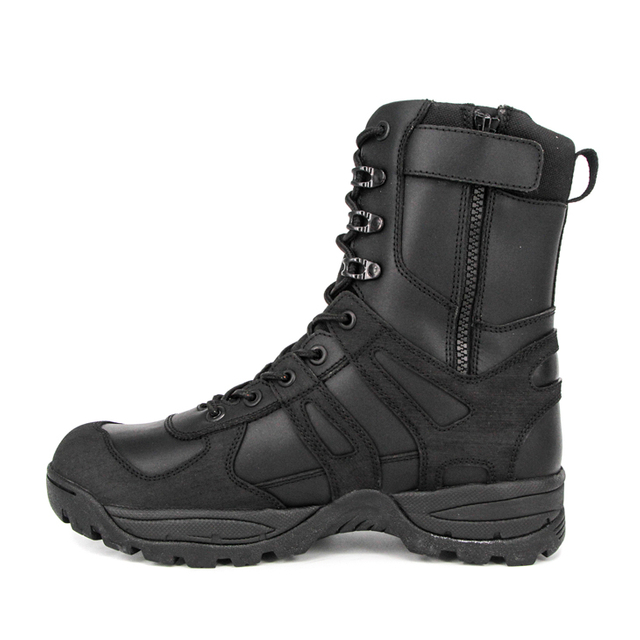
Traditional 8-inch to 10-inch boots offer superior lower-leg coverage and mechanical support. The taller, tightly laced shaft acts as a rigid external brace. It locks the ankle securely in place under heavy equipment loads. Officers with a history of ankle injuries benefit from the locked-in stability provided by taller boot profiles.
Traction, Slip Resistance, and Safety Standards
Outsole lug patterns must match your specific operational environment to prevent catastrophic slips. Shallow, high-surface-area lugs maximize rubber contact and grip on wet urban concrete, slick tile floors, and metal grates. Deep, aggressive lugs bite into mud, snow, and loose gravel during rural tracking operations. ASTM-certified slip and oil resistance is non-negotiable for officers navigating motor vehicle accident scenes covered in automotive fluids.
Safety standards extend beyond simple traction. Many operational environments require puncture-resistant sole plates constructed from Kevlar or composite materials. These plates block discarded needles, nails, or broken glass from penetrating your foot. Premium models frequently integrate bloodborne pathogen-resistant membranes. These barriers protect you from hazardous fluid exposure during traumatic medical emergencies or crime scene investigations. When evaluating safety ratings, look for these specific certifications:
ASTM F2913: The standard test method for evaluating the slip resistance of footwear on various surfaces.
ASTM F2413: Covers minimum requirements for the design, performance, testing, and classification of protective footwear, including impact and compression resistance.
ASTM F1671: The standard test method for measuring the resistance of materials used in protective clothing to penetration by bloodborne pathogens.
Climate Adaptability: Breathability vs. Weatherproofing
Environmental conditions dictate material choices for optimal foot health. Unlined, breathable mesh uppers excel during summer urban patrols. They allow continuous air circulation, rapidly venting internal heat. This keeps feet dry and reduces friction blister formation. Hot-weather boots prioritize moisture evaporation over external water resistance.
Winter or rural environments demand Gore-Tex (GTX) or similar proprietary waterproofing to block rain, sleet, and snow. Waterproof membranes inherently trap internal heat and sweat. Wearing insulated, waterproof boots in hot climates causes severe moisture buildup. This leads to maceration and fungal infections like athlete's foot. Selecting the right climate-specific material prevents these issues and maintains long-term operational readiness.
The Polishability Factor
Appearance standards remain a foundational part of police discipline. Spit-shining full-grain leather yields a mirror-like finish required for formal inspections, court appearances, and ceremonial duties. Maintaining synthetic and leather hybrid materials requires different techniques. Nylon panels cannot hold wax polish. Applying standard boot polish to mesh ruins the breathability and degrades the fabric.
To bridge this compliance gap, manufacturers design tactical boots for police with a highly functional compromise. They feature a smooth, polishable full-grain leather or action leather toe cap attached to a breathable synthetic upper shaft. This design satisfies strict front-facing inspection requirements while retaining the athletic performance and weight reduction of a modern tactical sneaker.
Navigating Agency Regulations and Dress Codes
Agency Standard Operating Procedures (SOPs) strictly govern footwear selection. Class A uniform standards typically mandate traditional, high-gloss leather boots with zero visible branding, contrasting stitching, or aggressive exterior hardware. These regulations preserve a unified, authoritative departmental appearance.
Progressive agencies now allow athletic-style footwear for Class B or Class C BDU assignments. Despite this operational shift, administrative pushback remains common. Command staff frequently reject boots that closely resemble brightly colored civilian sneakers or feature prominent athletic logos. You must verify your specific department regulations and uniform codes before purchasing non-traditional duty footwear for daily patrol.
Durability and Lifespan Evaluation
Material Breakdown and Wear Patterns
Different footwear constructions fail in entirely different ways under patrol stress. Lightweight athletic models typically experience EVA midsole compression first. The internal foam loses its shock-absorbing rebound after months of heavy impact. This leads to a flat, dead feeling underfoot. Synthetic mesh tearing at the flex points and sole delamination are also common failure points for hybrid designs. Inspect your footwear regularly for these specific signs of structural failure:
Midsole Compression: Look for horizontal creasing in the foam. This indicates the shock absorption is dead.
Tread Balding: Smooth patches on the heel strike zone or the ball of the foot drastically reduce slip resistance.
Upper Delamination: Check where the rubber sole meets the toe box. Separation here allows water to enter the boot immediately.
Liner Tearing: Friction at the heel counter often tears the internal fabric, exposing hard plastic that causes severe blisters.
Traditional leather boots exhibit slower wear patterns. Without proper conditioning, thick leather eventually dries out and cracks at the toe crease. Their dense rubber outsoles generally provide a significantly longer tread life compared to the softer rubber compounds used on athletic outsoles. The rigid shanks in traditional boots maintain their structural arch support far longer than flexible TPU inserts.
Replacement Cycles vs. Resoleability
Footwear longevity dictates how often you must break in a new pair. Athletic-style duty boots often require replacement every eight to twelve months due to internal structural breakdown and foam compression. Continuing to wear boots with collapsed midsoles transfers impact shock directly to your knees and lower back.
Traditional welted boots can easily last three to five years. You must regularly resole the bottom tread and condition the leather upper to prevent dry rot. When evaluating longevity, rely heavily on real-world peer reviews rather than manufacturer lifespan claims. Harsh field conditions, extreme temperatures, and abrasive concrete degrade materials far faster than controlled laboratory testing environments.
Mitigating Blisters and Plantar Fasciitis
The initial break-in period dictates early comfort and field readiness. Traditional heavy leather requires weeks of body heat, moisture, and pressure to mold to your specific foot shape. Rushing this process by wearing stiff boots for a full 12-hour shift immediately causes severe friction blistering and Achilles tendon strain. Modern synthetic options offer immediate comfort with virtually zero break-in period required.
Officers suffering from plantar fasciitis, flat feet, or unusually high arches must utilize rigid aftermarket orthotics. Standard factory insoles provide minimal corrective support. Ensure the boot's internal volume can accommodate thick custom orthotic inserts without crushing the instep or pushing your heel out of the heel cup. Utilizing specific lacing techniques prevents internal slippage and blister formation:
Heel Lock Lacing: Prevents the heel from lifting and rubbing against the back of the boot during foot pursuits.
Surgeon's Knot: Keeps the lower laces tight across the instep while allowing the upper shaft to remain slightly looser for calf mobility.
Window Lacing: Relieves pressure over the top of the foot for officers with high arches, preventing nerve compression and numbness.
Sizing for Shift Swelling and Duty Socks
Human feet naturally expand and swell during a long, active patrol shift. Sizing boots early in the morning leads to painful compression, restricted blood flow, and numbness by the evening. Always try on new footwear at the end of the day when your feet are at their absolute largest. Using a professional Brannock device ensures accurate measurement of both foot length and arch length.
You must factor in the exact socks worn on duty. Thick moisture-wicking synthetic blends or heavy thermal wool socks require at least a half-size larger boot than standard thin dress socks. Proper sizing ensures adequate toe splay, prevents ingrown toenails, and maintains healthy circulation during stationary perimeter details in freezing weather.
Scenario-Based Recommendations: Which Boots Fit Your Assignment?
Urban Patrol and Active Response
Urban environments demand constant environmental transitions. You frequently enter and exit patrol vehicles, climb narrow apartment stairs, navigate crowded streets, and require immediate sprint readiness. Lightweight designs excel in this dynamic setting. Look for models featuring heavy-duty YKK side-zips for rapid deployment and removal at the start and end of a shift.
EVA midsoles provide the necessary shock absorption for running on hard concrete and asphalt. A 6-inch height maximizes ankle mobility for precise vehicle pedal operation and sudden directional changes during foot pursuits. Breathability is paramount here, as you move constantly between climate-controlled vehicles and hot exterior environments.
Academy Training and Ceremonial Duties
Academy environments prioritize strict discipline, uniformity, and resilience over specialized athletic performance. Recruits face rigorous daily inspection standards, heavy physical conditioning, and long hours of stationary drills. Honor guard units require an impeccable, mirror-like uniform appearance. Traditional police officer boots serve these demanding roles perfectly.
Focus on full-grain leather construction capable of holding a high-gloss spit shine. An 8-inch to 10-inch height provides rigid posture support during long periods of standing at attention. The heavy construction builds lower leg strength and ensures the footwear survives the intense abrasion of academy obstacle courses and defensive tactics training.
K-9, SWAT, and Specialized Units
Specialized units operate in highly unpredictable and hazardous environments. K-9 handlers track suspects through thick brush, mud, and debris. SWAT operators navigate glass-filled structures, breached doors, and unstable terrain. These high-risk roles require heavy-duty hybrid boots that combine tactical agility with extreme protection.
Essential features for specialized units include reinforced rubber toe bumpers to prevent abrasion blowouts when crawling or kneeling. Waterproof Gore-Tex linings keep feet dry when tracking through wet grass or flooded environments. Puncture-resistant sole plates and deep, aggressive tread patterns ensure safety and unyielding traction on unstable, dangerous terrain where slipping is not an option.
Conclusion
The definitive verdict is that neither boot style is objectively superior for every situation. The right choice relies entirely on a complex matrix of agency regulations, primary patrol terrain, safety requirements, and individual biomechanics. Athletic tactical boots offer unmatched agility and fatigue reduction, while traditional leather boots provide superior longevity, ankle support, and authoritative appearance.
To make the best operational decision, follow these actionable steps:
Review your agency SOPs to confirm approved materials, safety certifications, and minimum height requirements before browsing options.
Evaluate your primary patrol terrain, local climate extremes, and daily activity level to determine if you need breathable mesh or waterproof membranes.
Schedule a professional fitting at a dedicated uniform supply store late in the afternoon to account for natural shift swelling.
Test new boots on an incline ramp to ensure your toes do not hit the front safety cap.
Verify the retailer's return policy for worn footwear before committing to a full 12-hour shift.
FAQ
Q: How long do police tactical boots typically last?
A: Athletic-style tactical boots generally last 8 to 14 months under heavy daily patrol use. The EVA foam midsoles compress and lose shock absorption long before the exterior looks worn. Traditional welted leather boots can last 3 to 5 years if properly conditioned and regularly resoled by a cobbler.
Q: Can you polish tactical boots for police?
A: You can only polish models featuring full-grain leather or action leather toe caps. Synthetic mesh, nylon, and suede cannot hold wax polish and will be ruined if you try. For hybrid boots, carefully apply polish only to the leather sections while using specific fabric cleaning sprays for the synthetic uppers.
Q: Are side-zip boots allowed in the police academy?
A: Most police academies strictly prohibit side-zip boots. Academies enforce traditional lacing standards to build discipline, ensure uniform appearance, and prevent hardware failures during rigorous physical training. Always check your specific academy packing list, but expect to require standard lace-up, full-grain leather boots.
Q: Should I choose a 6-inch or 8-inch boot for patrol duty?
A: Choose a 6-inch boot for maximum ankle mobility, frequent driving, and sprint readiness. Choose an 8-inch boot if you require rigid ankle support for carrying heavy gear, have a history of ankle rolls, or work in environments requiring protection from deep puddles and thick brush.
Q: How do I stop my duty boots from squeaking on hard floors?
A: Squeaking usually occurs from friction between the removable insole and the boot's interior base. Remove the insole and sprinkle a small amount of talcum powder or baby powder inside the boot. If the squeak comes from the rubber outsole on waxed floors, lightly scuffing the bottom tread with sandpaper can help.
Q: Do I need puncture-resistant soles for standard patrol?
A: While not always mandatory, puncture-resistant soles are highly recommended for urban patrol. Officers frequently walk through dark alleys, abandoned properties, and accident scenes where discarded hypodermic needles, rusty nails, and broken glass pose severe biohazard and injury risks to unprotected feet.