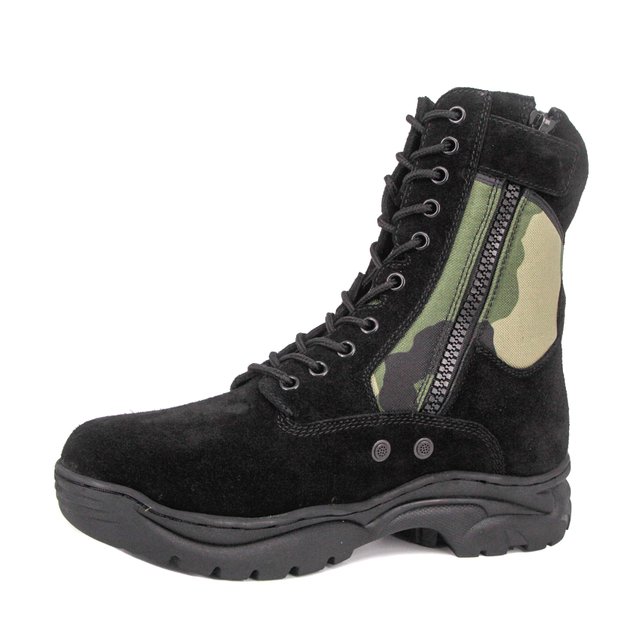
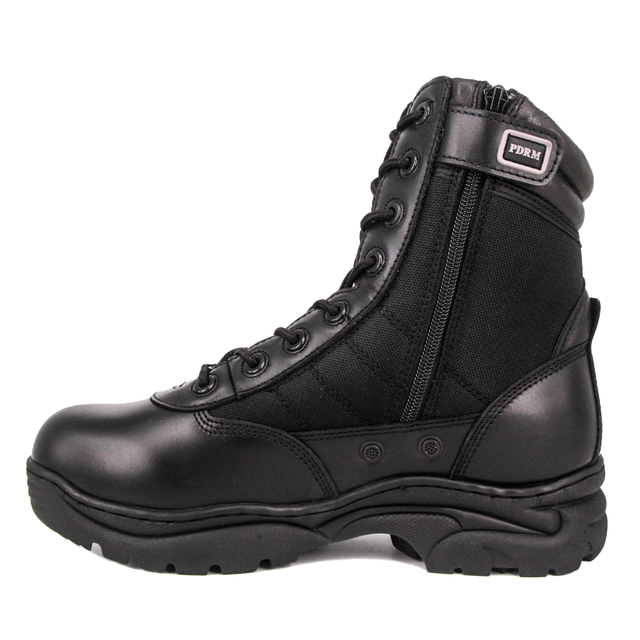
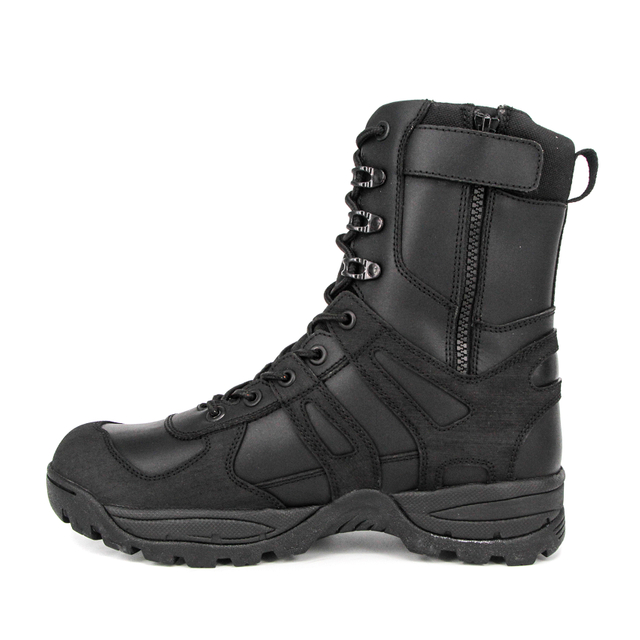
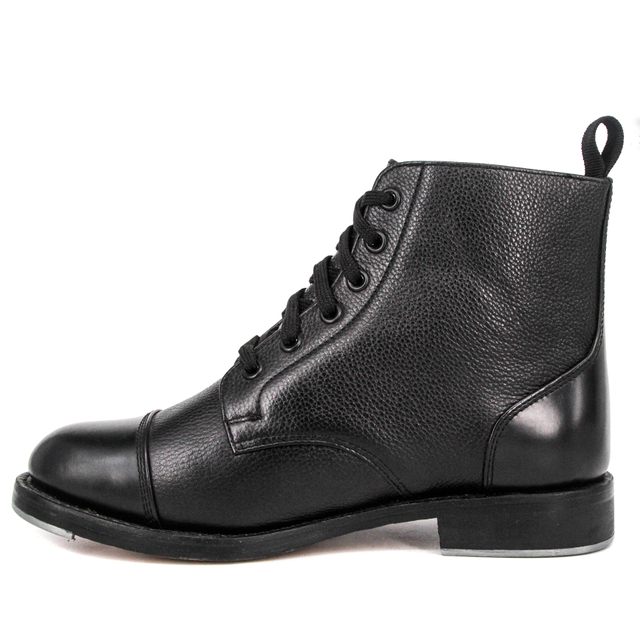
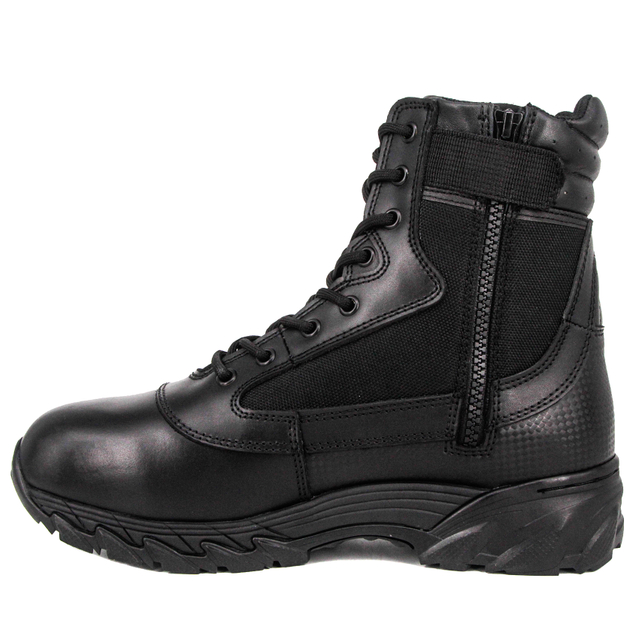
Departmental uniform inspections demand pristine aesthetics, while daily law enforcement duties require rugged, unpredictable physical performance. Officers and procurement teams constantly balance strict dress code compliance for Class A and B uniforms with tactical functionality, maintenance time, and long-term footwear durability. Choosing between high-gloss and matte finishes is not just an aesthetic preference. It is a practical decision involving material science, operational environments, and daily maintenance trade-offs.
You need footwear that survives foot pursuits through broken glass and chain-link fences, yet still passes roll-call inspection. We will break down how different finishes impact breathability, flexibility, and shift fatigue. You will see exactly how poromeric materials compare to full-grain leather in real-world patrol conditions. Matching the right boot finish to your specific uniform class and daily assignment prevents premature gear failure and keeps you focused on the job.
Uniform Compliance Dictates Finish: High gloss finishes are typically mandatory for Class A formal uniforms and administrative roles, while matte or standard polishable finishes dominate patrol and tactical assignments.
Duty vs. Patrol Distinction: Duty boots prioritize heavy-duty durability for rugged terrain, whereas patrol boots focus on lightweight comfort and easy maintenance for everyday tasks—each demanding different finish considerations.
Material Trade-Offs: Factory high-gloss (poromeric/patent) materials offer zero-maintenance shine but sacrifice breathability and flexibility compared to traditional full-grain leather.
Maintenance vs. Durability: Standard polishable boots require consistent manual labor to maintain inspection standards but offer superior longevity, scuff repairability, and comfort during long shifts.
Law enforcement agencies strictly regulate officer appearance through standard operating procedures. These regulations divide uniforms into distinct classes, each dictating specific footwear requirements. You cannot simply wear what feels comfortable; you must wear what the manual dictates.
Class A uniforms represent the highest level of formal dress. Officers wear them for ceremonies, funerals, honor guard duties, and court appearances. Standard operating procedures almost universally require a mirror-like shine on footwear for Class A uniforms. A dull toe box will fail inspection immediately.
Class B uniforms serve as the standard daily patrol attire. They require a clean, professional appearance but often allow for either a factory-shined finish or a well-maintained standard polish. Class C uniforms cover tactical, K9, and SWAT operations. These uniforms prioritize function over form. Tactical units strictly utilize matte, roughout, or nylon-blended footwear to eliminate light reflection and maximize breathability.
Understanding the distinction between patrol boots and duty boots helps clarify these regulations. Patrol boots handle everyday tasks. They feature lightweight construction, flexible soles, and designs suited for driving or walking on paved surfaces. Duty boots tackle rugged environments. They feature heavier materials, aggressive tread patterns, and reinforced safety toes. Departmental finish requirements apply differently to each category. A patrol boot might require a glossy toe, while a heavy duty boot rarely faces the same stringent aesthetic demands.
Decades ago, achieving a spit-shine on natural leather served as a rite of passage for recruits. It demonstrated discipline and attention to detail. Today, modern synthetic alternatives provide shortcuts to that pristine look. This shift allows officers to allocate time to other tasks rather than spending hours polishing leather.
Defining the Finishes: Poromeric vs. Full-Grain Leather
Factory-shined boots rely on poromeric materials or patent leather. Poromeric, often recognized by brand names like Clarino, is a synthetic substitute for leather. Manufacturers create it by coating a fibrous base with a heavy polyurethane finish. This process creates a permanent, mirror-like surface that requires no wax or buffing. Patent leather follows a similar concept but uses real leather as the base layer beneath the plastic coating.
Matte and standard polishable boots utilize full-grain leather, roughout leather, or synthetic nylon blends. Full-grain leather retains the outermost layer of the animal hide. It features natural pores, superior strength, and high breathability. Roughout leather uses the rough underside of the hide facing outward. It provides excellent abrasion resistance without the ability to hold a shine. Nylon blends reduce overall boot weight and increase ventilation.
Regardless of the finish, duty footwear must meet baseline success criteria. Boots must comply with departmental codes. They must provide structural support and comfort during 12-hour shifts. They must offer durability against abrasive surfaces. Finally, they must deliver reliable traction across varied environments, from slick tile floors to wet asphalt.
High Gloss Police Boots: Features, Benefits, and Trade-offs
Operational Advantages of Factory High-Gloss
The primary benefit of factory-shined footwear is immediate, permanent inspection-readiness. Officers eliminate the daily time investment of spit-shining. You simply wipe the boots with a damp cloth, and they return to a flawless mirror finish. This zero-maintenance reality provides significant relief for officers working consecutive long shifts. When selecting high gloss police boots, you immediately benefit from this streamlined preparation routine.
Poromeric materials offer excellent resistance to liquid absorption. The polyurethane coating acts as an impermeable barrier. Rain, mud, automotive fluids, and biohazards cannot penetrate the surface. Officers can easily sanitize these boots after exposure to hazardous materials. You just spray them with a disinfectant and wipe them down. This makes them highly practical for specific environments where contamination risks are high, such as accident scenes or hospital details.
These boots excel in specific use cases. Honor guard members rely on them for flawless ceremonial appearances. Administrative officers working in office environments benefit from the professional look without subjecting the boots to street wear. Motor units frequently pair glossy riding boots with Class A formal uniforms to maintain a sharp, authoritative presence on the road.
Implementation Risks and Material Limitations
The impermeable nature of synthetic coatings creates significant breathability issues. Because the material blocks liquids from entering, it also prevents moisture from escaping. Foot temperature increases rapidly during physical exertion. Sweat remains trapped inside the boot during a standard 12-hour shift. This moisture retention leads to blisters, hot spots, and fungal infections if you do not manage it properly with specialized moisture-wicking socks.
Wearing synthetic boots for 12 hours requires a proactive approach to foot health. Cotton socks absorb sweat and hold it against the skin, accelerating blister formation. You must switch to merino wool or synthetic moisture-wicking blends. These materials pull sweat away from the foot and push it toward the top of the boot. Additionally, applying friction-reducing balms to the heel and toes before a shift can prevent the stiff poromeric material from tearing your skin during the break-in phase.
Structural rigidity presents another challenge. Patent and poromeric materials lack the natural elasticity of full-grain leather. They require longer break-in periods. The stiff upper material restricts natural foot articulation, altering your gait. This rigidity causes discomfort across the top of the foot and around the ankles until the material finally softens. You will feel the boot fighting your foot's natural movement during the first few weeks of wear.
The primary failure point of factory-shined footwear is irreversible damage. Deep scuffs, scratches, or abrasions destroy the polyurethane coating. You cannot buff out a gouge in plastic. Once the synthetic layer peels or cracks, the boot loses its inspection-ready appearance permanently. Furthermore, extreme cold weather causes poromeric materials to become brittle. Flexing the boot in freezing temperatures often leads to unrepairable cracking across the toe box.
Matte and Polishable Police Boots: Features, Benefits, and Trade-offs
Operational Advantages of Standard Leather and Synthetics
Full-grain leather and tactical nylon blends offer superior durability and flexibility. Natural leather fibers stretch and mold to the unique shape of your foot over time. This creates a custom fit that significantly reduces fatigue. The natural pores in full-grain leather allow heat and sweat to vaporize, keeping feet cooler and drier during intense physical activity.
These materials deliver exceptional performance in rugged terrain. During foot pursuits over broken concrete, chain-link fences, and wooded areas, matte finishes excel. They conceal minor dust and debris far better than glossy surfaces. The non-reflective nature of matte leather also provides a tactical advantage during night operations, preventing unwanted light reflection that could compromise your position.
Repairability stands out as a massive operational advantage. Standard black police boots can sustain heavy scuffs, deep scratches, and severe abrasions without being ruined. You can recondition the leather using specialized oils. You can fill gouges with hard wax. Through careful polishing, a heavily damaged leather boot can be fully restored to inspection standards. This repairability extends the functional life of the footwear significantly.
The Maintenance Reality
Building and maintaining a mirror shine on traditional polishable police boots requires a significant time investment. The traditional spit-shine process involves applying a base coat of wax, adding droplets of water, and using friction to create a smooth surface. Achieving the initial mirror finish on a new pair of boots can take several hours. Maintaining that shine requires daily touch-ups before roll call.
To achieve a proper mirror finish on full-grain leather, follow these exact steps:
Strip the leather of dirt and old polish using a damp cloth and saddle soap.
Apply a thick base coat of carnauba wax using a horsehair brush, working it deep into the pores.
Let the base coat dry for ten minutes, then buff it out vigorously with the brush.
Wrap a clean microfiber cloth tightly around your index and middle fingers.
Dip the cloth lightly in warm water, then pick up a small amount of wax.
Rub the wax into the toe box using tight, rapid, circular motions until the friction creates a glass-like surface.
Repeat the water and wax application until you achieve the desired level of reflection.
You must maintain a dedicated kit of maintenance materials. This includes high-quality carnauba wax polish, application brushes, edge dressing for the soles, and microfiber cloths. Keeping these supplies stocked is an ongoing requirement for officers wearing standard leather footwear.
Using the proper tools is critical to the maintenance process. You must use 100% horsehair brushes. Synthetic bristles are too stiff and will create micro-scratches on the delicate wax surface, ruining the mirror shine. The friction generated by soft horsehair melts the wax slightly, distributing it evenly across the leather pores.
Failing to maintain this standard carries professional risks. Roll-call inspections demand uniform compliance. If you arrive with dull, scuffed, or dirty boots, you risk disciplinary action or being sent home to correct the deficiency. The maintenance reality is a daily commitment to professional standards.
Head-to-Head Evaluation: High-Gloss vs. Matte Finishes
Maintenance Time vs. Long-Term Durability
Evaluating these two finishes requires looking at the trade-off between daily time savings and overall lifespan. Factory-shined boots require zero daily maintenance, saving you approximately 15 to 30 minutes per shift. Over a year, this equates to hundreds of hours saved. However, matte leather boots offer vastly superior long-term durability. With proper care, conditioning, and resoling, a high-quality leather boot can last for several years of active street duty.
Synthetic boots often face premature retirement. A single foot pursuit over a chain-link fence can result in a deep scratch that ruins the poromeric finish. Once damaged, the boot is no longer compliant for Class A or administrative use. Consequently, officers working active patrol may find themselves replacing synthetic boots every few months, whereas matte leather boots survive the same abuse through simple wax repairs.
Feature | High-Gloss (Poromeric) | Matte / Polishable (Full-Grain) |
Daily Maintenance | Zero (Wipe clean only) | High (Requires daily brushing/waxing) |
Breathability | Low (Traps heat and moisture) | High (Natural pores allow ventilation) |
Scuff Repairability | None (Permanent damage) | Excellent (Can be buffed and re-waxed) |
Break-in Period | Long (Rigid synthetic material) | Short to Medium (Molds to foot) |
Best Use Case | Honor Guard, Court, Administration | Active Patrol, Tactical, K9 |
Footwear construction often mirrors the intended finish. Dress boots frequently feature heavier, flat outsoles. These flat soles perform exceptionally well on smooth indoor surfaces like courthouse tiles or precinct linoleum. They provide a sharp, authoritative click when walking. However, they lack the aggressive lug patterns needed for outdoor traction.
Tread patterns dictate how a boot interacts with the ground. Administrative boots feature shallow, tightly spaced treads. These maximize surface contact on flat floors, providing excellent slip resistance on wet tile. However, if you take these shallow treads into mud or snow, they pack full of debris instantly, turning the boot into a smooth ski. Tactical boots feature deep, widely spaced lugs. These lugs bite into loose terrain and naturally shed mud as the sole flexes. Matching the tread pattern to your primary patrol environment prevents catastrophic slips during critical incidents.
The psychological impact of footwear appearance matters in law enforcement. In public-facing administrative roles, a mirror shine projects authority, discipline, and professionalism to the civilian population. In tactical scenarios, heavily polished boots can be a liability. Matte finishes project a rugged, functional readiness suited for high-risk operations.
Selecting High Gloss Boots for Law Enforcement: Key Purchasing Criteria
Material Quality and Construction Methods
Procuring the right high gloss boots for law enforcement requires evaluating material quality carefully. Not all poromeric materials are equal. High-quality synthetics resist peeling and cracking under moderate stress. Inferior plastics will bubble or separate from the base layer within weeks of use. Inspect the flex points near the toe box for material thickness and elasticity.
Construction methods determine the boot's lifespan. Goodyear welt construction stitches the upper material, the insole, and the outsole together. This method allows cobblers to resole the boot once the tread wears down. Cement construction glues the upper directly to the outsole. While this makes the boot significantly lighter and more flexible, it renders the boot disposable once the sole deteriorates.
Construction Method | Durability | Flexibility | Resoling Capability |
Goodyear Welt | Extremely High | Low (Requires break-in) | Yes (Multiple times) |
Cement (Glued) | Moderate | High (Out-of-the-box) | No (Disposable) |
Direct Attach | High | Moderate | Rarely |
Comfort, Support, and Safety Features
Because synthetic uppers are inherently stiff, the internal support system must compensate. Look for boots featuring EVA (Ethylene Vinyl Acetate) midsoles. EVA acts as a shock absorber, reducing fatigue from standing on concrete. Fiberglass shanks provide essential arch support without adding the weight of a steel shank. Fiberglass also prevents the boots from triggering metal detectors in courthouses or secure facilities.
Safety features remain non-negotiable, even in administrative environments. Outsoles must be certified slip-resistant and oil-resistant. Smooth precinct floors become dangerous hazards when wet. A proper duty boot must grip slick surfaces reliably to prevent workplace injuries.
Hybrid options offer a compelling compromise for patrol officers. Some manufacturers produce boots featuring synthetic materials exclusively on the toe and heel, while utilizing matte leather and breathable nylon on the midfoot and shaft. This design satisfies the visual requirement for a shined toe while maintaining the breathability and flexibility of a tactical boot.
Implement a strict hands-on testing protocol before committing to a pair for active duty. Try the boots on at the end of the day when your feet are naturally swollen. Check the flex points by crouching. Ensure the boot bends where your foot bends, not across your toes. Verify weight distribution and check for heel slippage. Walk on hard surfaces to evaluate out-of-the-box comfort.
Conclusion
Review your department's written uniform standard operating procedures to confirm exact finish requirements before purchasing new footwear.
Schedule your boot fitting at the end of your shift when your feet are naturally swollen to ensure an accurate fit.
Purchase three pairs of moisture-wicking merino wool socks to manage sweat retention if you select poromeric boots.
Apply a leather conditioner immediately to new full-grain boots to accelerate the break-in process before your first shift.
FAQ
Q: Are high gloss police boots allowed on standard patrol?
A: This depends entirely on your department's specific standard operating procedures. While many agencies permit factory-shined finishes for daily patrol, you must weigh the practical risks. Active patrol duties increase the likelihood of sustaining deep, unrepairable scuffs on synthetic materials. This damage quickly renders the boots non-compliant for future inspections.
Q: How do you fix scuffs on high gloss boots?
A: Minor surface marks and smudges wipe away easily using standard glass cleaner, a damp cloth, or a specialized poromeric cleaner. However, deep scratches that penetrate the synthetic polyurethane layer are unrepairable. You cannot buff out or wax over structural damage on patent or poromeric materials.
Q: What is the difference between poromeric and polishable police boots?
A: Poromeric boots use a synthetic material coated in polyurethane to create a permanent, factory-set mirror shine that requires zero manual polishing. Polishable boots consist of natural full-grain leather. They require consistent manual labor, using wax polish and friction, to build and maintain a glossy finish.
Q: Can you make matte black police boots high gloss?
A: Yes, you can achieve a high gloss finish on standard leather boots through the traditional spit-shine method. By applying multiple thin layers of high-quality wax polish, adding small droplets of water, and buffing with a soft cloth, you build a mirror-like finish on the toe and heel.
A: The most critical tool is a 100% natural horsehair brush. Synthetic brushes are too abrasive and create micro-scratches in the wax layer. You also need a premium carnauba wax polish, microfiber cloths for applying water and wax, and edge dressing to blacken the sides of the soles.
Q: Do high gloss boots crack in cold weather?
A: Yes, synthetic patent and poromeric materials are highly susceptible to cold weather. In freezing temperatures, the plastic coating stiffens and loses its elasticity. Repeated flexing of the toe box in extreme cold often causes the finish to crack, permanently ruining the boot's appearance.
Q: How long does it take to break in high gloss duty boots?
A: These boots generally require a longer break-in period than natural leather, often taking two to three weeks of regular wear. Because synthetic materials do not stretch or mold to the foot easily, achieving precise initial sizing is critical to prevent severe blisters during this period.