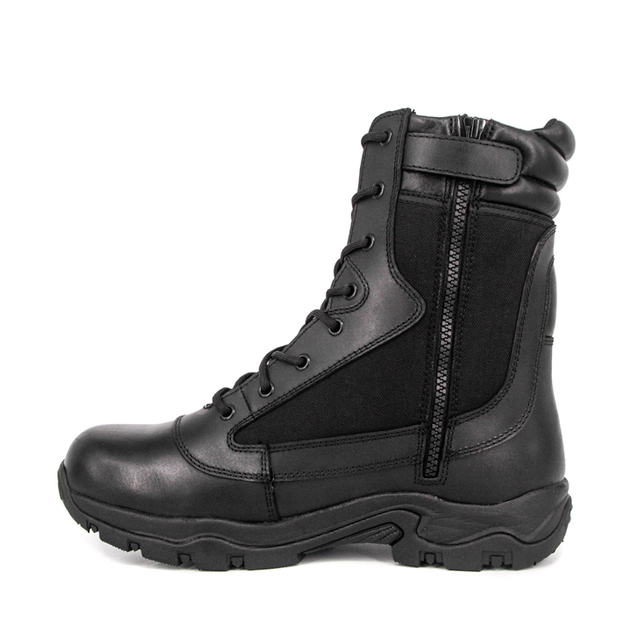
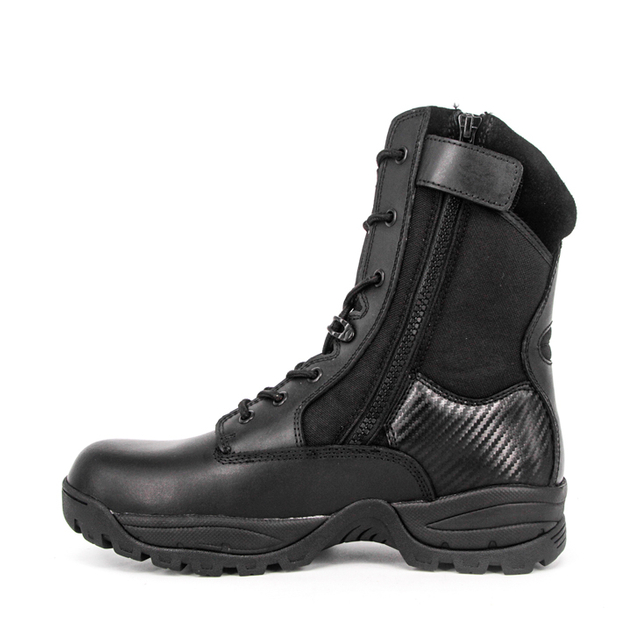
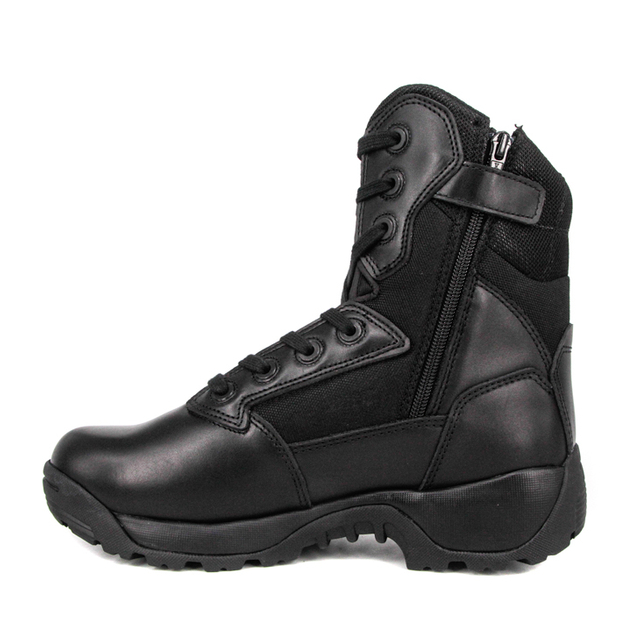
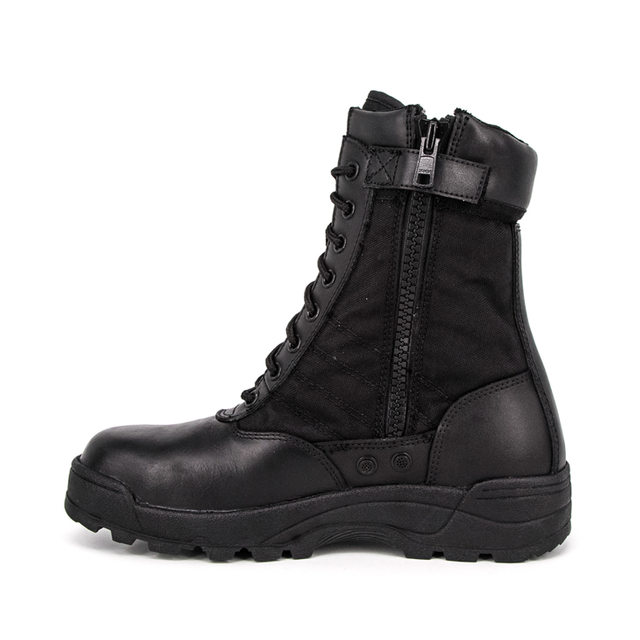
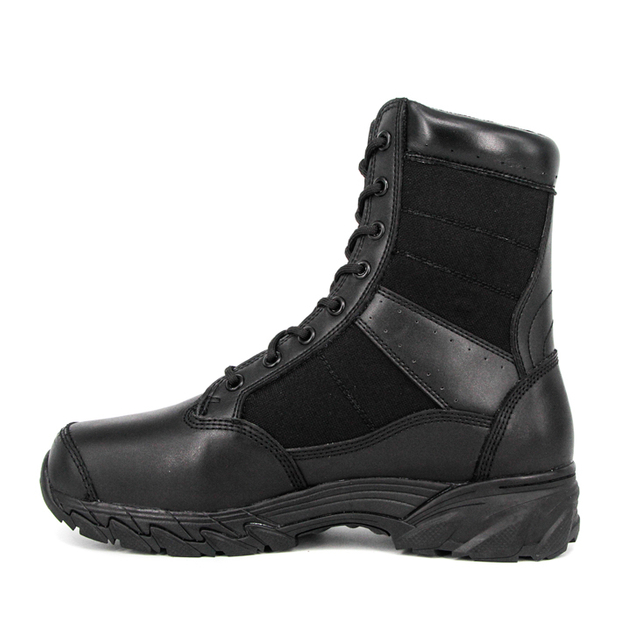
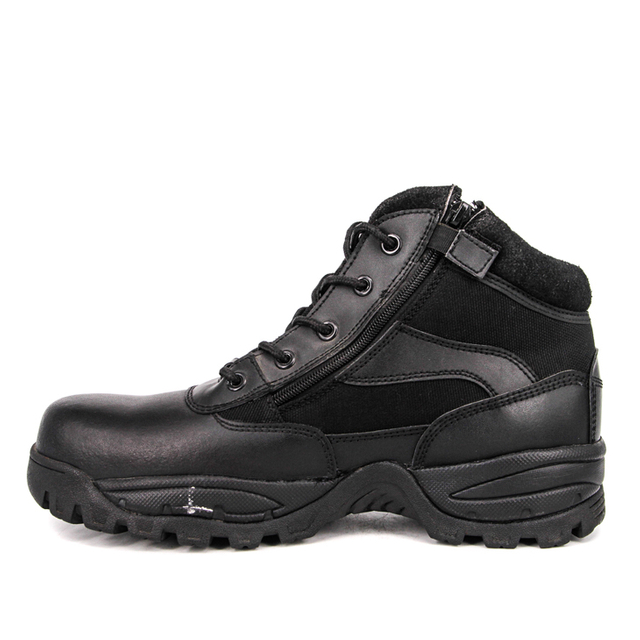
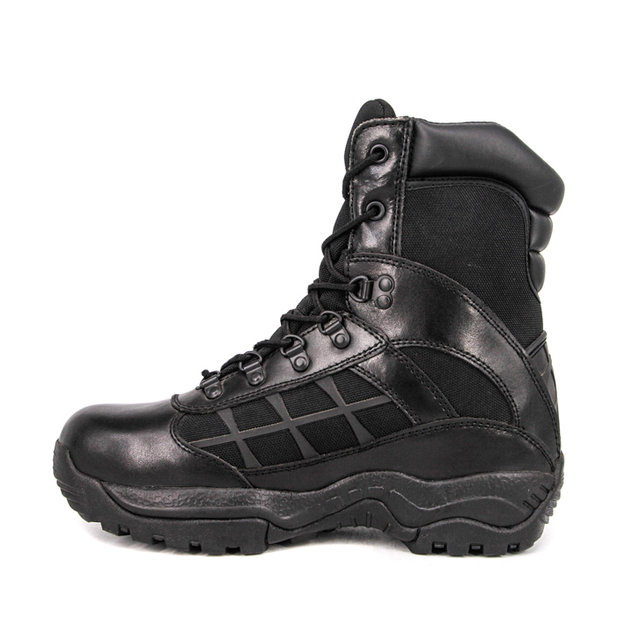
Law enforcement officers endure grueling 12- to 16-hour shifts. They carry 20 to 30 pounds of heavy gear daily. They navigate hard concrete surfaces and unpredictable, shifting terrain. This immense physical toll demands highly specialized footwear. Subpar boots directly compromise your operational readiness. They ruin natural spinal alignment and break crucial situational focus. When your feet hurt, your reaction time drops. Joint pain distracts you from critical, high-stress tasks.
We created this comprehensive guide to solve these persistent problems. You need an evidence-based framework for evaluating professional footwear. We will help you select duty and tactical boots tailored to your exact operational requirements. You will learn how to balance strict department uniform compliance, vital anatomical support, and mission-specific functionality. Expect to discover advanced materials and biomechanical designs.
Key Takeaways
The Weight-Durability Trade-off: Ultra-lightweight, sneaker-like boots offer immediate agility but require more frequent replacement compared to heavier, recraftable models.
Biomechanics Matter: Advanced midsoles and custom lasts reduce spinal fatigue and accommodate specific anatomical needs, including distinct designs for female officers.
Hidden Tech Specs: Look beyond standard waterproofing; certifications for Bloodborne Pathogen (BBP) resistance and specialized microclimate management are critical for patrol safety.
Lifespan Maximization: Alternating between two pairs of boots allows midsoles to decompress and membranes to dry, significantly extending footwear life.
Officers face a unique set of physical challenges on duty. You spend hours engaged in static standing. This locks your joints and strains your lower back. Suddenly, you must transition into a high-intensity sprint under a heavy load. This biomechanical impact is severe. Every foot strike sends shockwaves up your legs. You need maximum shock absorption to prevent cumulative knee and back injuries. Standard footwear simply cannot handle this daily abuse.
Environmental unpredictability adds another layer of complexity. You often transition from a climate-controlled cruiser directly onto wet asphalt. You might chase a suspect through muddy fields. You could stand for hours in extreme summer heat. Your footwear must adapt instantly to these volatile conditions. Boots must grip slippery surfaces. They must repel water. They must vent trapped heat before blisters form.
Finally, you must navigate the uniform compliance hurdle. Departments enforce strict uniform regulations. They often mandate "all-black" requirements. They strictly prohibit visible colored outsoles or flashy logos. This limits your choices. You cannot just wear a rugged hiking boot. Some officers even use specialized leather paint to black out non-compliant yellow logos. Your boots must merge stealthy aesthetics with high-performance engineering.
Essential Tactical Boot Features for the Evaluation Process
Ergonomics and Anatomical Support
Proper ergonomics dictate how your body handles physical stress. You should look for outsoles engineered for a natural gait roll. A natural heel-to-toe transition absorbs impact effectively. It relieves spinal pressure during long patrols. Midsole rebound is equally important. Evaluate materials carefully. High-return EVA and specialized impact-absorbing foams are superior choices. They resist flattening out over a grueling 16-hour shift. They keep your arches supported when fatigue sets in.
Microclimate and Pathogen Protection
Footwear microclimates determine your comfort and safety. You must differentiate between basic water resistance and breathable membranes. Materials like GORE-TEX or eVent let sweat vapor escape. At the same time, they block liquid from entering. Bio-hazard ratings are also non-negotiable for first responders. You need BBP-resistant membranes. Patrol units handle medical emergencies and accident scenes frequently. Bloodborne pathogen resistance protects you from invisible threats. Additionally, thermal mitigation technologies are highly valuable. Some boots feature solar-reflective leather coatings. These treatments reduce surface temperatures when you stand in direct sunlight.
Outsole Traction and Stability
Your safety depends on maintaining your footing. Require oil- and slip-resistant rubber compounds. Look for self-cleaning lug patterns. These specific tread designs prevent mud build-up. They shed debris naturally as you walk. Ankle integrity prevents catastrophic injuries during pursuits. We recommend mid-to-high shafts measuring 6 to 8 inches. Pair these tall shafts with rigid heel counters. This combination locks down your ankle and prevents rolling on uneven ground.
The Trade-Off: Lightweight Agility vs. Longevity
You must acknowledge a fundamental reality in boot design. Athletic-style boots feel almost weightless. They require zero break-in time. You can run in them immediately. However, their softer outsoles will wear down faster. Heavy-duty leather boots represent the opposite spectrum. They take weeks to break in properly. Once formed to your foot, they offer unmatched durability. You can often resole them. They last for years.
Feature Focus |
Athletic-Style Boots |
Heavy-Duty Leather Boots |
Weight & Agility |
Extremely light; feels like a running shoe. |
Heavier; feels structured and grounded. |
Break-In Period |
Zero to minimal. Ready out of the box. |
Takes 2 to 4 weeks of consistent wear. |
Lifespan |
8 to 12 months for daily patrol use. |
2 to 3+ years; often resoleable. |
Primary Benefit |
Maximized sprint speed and immediate comfort. |
Long-term durability and superior ankle support. |
Matching Tactical Boot Configurations to Specific Assignments
Daily Patrol & Urban Response
Urban patrol environments require constant mobility. You step in and out of vehicles constantly. You climb stairs and walk concrete sidewalks. Prioritize lightweight construction for these daily duties. Side-zips are highly recommended. They allow for rapid deployment when seconds count. High breathability is also crucial. Urban environments radiate heat. Breathable mesh panels keep your feet dry and cool.
K9, SWAT, and Heavy-Duty Units
Specialized units face extreme physical hazards. K9 handlers and SWAT operators navigate harsh, unpredictable terrain. You must prioritize rigid ankle support. Chemical exposure resistance is mandatory for raiding illicit laboratories. You need composite safety toes to protect against crushing hazards. Impact-absorbing materials are critical. Technologies like D3O placed in key strike zones protect your ankles from heavy blows.
We strongly warn against simply "sizing down" men's boots. Female officers possess distinct anatomical differences. Purpose-built female lasts account for these differences. Women naturally have slightly shorter Achilles tendons. They have narrower heels and different arch placements. Professional female boots feature subtly adjusted heel elevations. This accommodation prevents chronic tendon strain. It secures the heel tightly, eliminating friction and blisters.
Tactical Boot Matching Matrix |
Assignment Type |
Primary Requirement |
Recommended Features |
Daily Urban Patrol |
Mobility & Comfort |
Side-zips, breathable mesh, high-return EVA mid-sole. |
SWAT / Tactical |
Protection & Stability |
D3O impact zones, composite toes, rigid heel counter. |
K9 Handling |
Multi-Terrain Grip |
Self-cleaning lugs, BBP resistance, 8-inch high shaft. |
Female Officers |
Anatomical Fit |
Custom female last, adjusted heel elevation, narrower heel cup. |
Procurement Realities: Compliance and Certifications
Departments evaluate boots based on rigorous safety standards. Understanding these certifications helps you choose the right gear. Many military boots overlap with law enforcement needs. You must navigate a maze of regulatory requirements before making a selection.
Berry Compliance: This certification applies to federal and military overlaps. It mandates USA-made goods. It ensures high manufacturing quality and domestic material sourcing.
NFPA Standards: Fire and rescue overlaps require this. It guarantees resistance to intense heat and structural hazards.
CSA Standards: This Canadian standard focuses on comprehensive occupational safety. It covers toe protection and sole puncture resistance.
You must also consider specific workplace hazards. Mandate Electrical Hazard (EH) protection if you patrol near exposed utilities. EH outsoles isolate you from ground currents. Choose Puncture Resistant (PR) midsoles for industrial zones. PR plates block nails, glass, and sharp metal from piercing your sole. These safety enhancements save lives and prevent career-ending injuries.
The Lifecycle of a Patrol Boot: Maintenance and Rotation Rules
The Two-Pair Strategy
We highly recommend issuing or buying two pairs simultaneously. This strategy provides massive operational value. Rotating your boots allows EVA midsoles 24 hours to rebound completely. Foam needs rest to regain its shock-absorbing properties. It also allows trapped moisture to evaporate fully. Sweat degrades internal fabrics quickly. A dry boot prevents internal rot. It stops bacterial growth and odor. Alternating two pairs extends your footwear life exponentially.
Material Care Realities
Proper care dictates how long your gear survives. Follow these strict rules to protect your investment.
Avoid wax-based polishes: Never use heavy wax on membrane-lined boots. Wax permanently clogs breathability pores. Your GORE-TEX will stop venting sweat.
Skip heavy silicone: Silicone treatments degrade advanced synthetic materials. Use only manufacturer-approved conditioning sprays.
Mandate natural air-drying: Never place wet boots near direct heat. Radiators and vents shrink leather rapidly. Extreme heat also degrades sole adhesives, causing delamination.
Brush daily: Use a stiff nylon brush to remove dried mud. Dirt trapped in creases acts like sandpaper. It cuts through leather fibers over time.
The Role of Socks
Never ignore your socks. High-performance, moisture-wicking tactical socks are mandatory. They extract the full value from a premium breathable membrane. Cotton socks trap sweat against your skin. They cause blisters and defeat the purpose of an expensive eVent lining. Invest in quality merino wool or advanced synthetic blends. If you need personalized guidance on pairing socks with your gear, feel free to contact us.
Conclusion
There is no single perfect boot for every officer. There is only the right boot for your specific operational context. You must match your footwear to your daily environment. Prioritize biomechanical support over superficial aesthetics. High-return midsoles and proper anatomical lasts save your joints.
Always transparently weigh the lightweight-agility versus durability trade-off. Do this before standardizing a department-wide model. Athletic boots make foot pursuits easier. Heavy-duty leather survives harsh tactical deployments. Make an evidence-based decision to protect your physical health and ensure maximum operational readiness.
FAQs on Duty and Tactical Boots
Q: Tactical Boots vs. Duty Boots: What’s the core difference?
A: Duty boots historically prioritize long-term durability. They feature weather resistance and heavy leather construction for daily wear. Tactical boots target high-intensity, specialized operations. They focus on lightweight agility, flexibility, and rapid deployment features like side-zips. Choose based on whether you need rugged longevity or immediate athletic responsiveness.
Q: How often should patrol officers replace their boots?
A: You should typically replace lightweight athletic-style boots every 8 to 12 months. Heavy-duty recraftable models can last 2 to 3 years with proper sole replacement. Loss of midsole shock absorption is the primary indicator for replacement. Do not wait for outer tread wear to dictate your replacement schedule.
Q: Do side-zip boots compromise ankle support or waterproofing?
A: Modern high-end side-zips use gusseted interior linings. These advanced linings maintain waterproof and BBP barriers seamlessly. They offer slightly less rigid structural tension than a fully laced boot. However, this minor difference is negligible for standard patrol duties. The crucial time saved during deployment remains highly valued by officers.