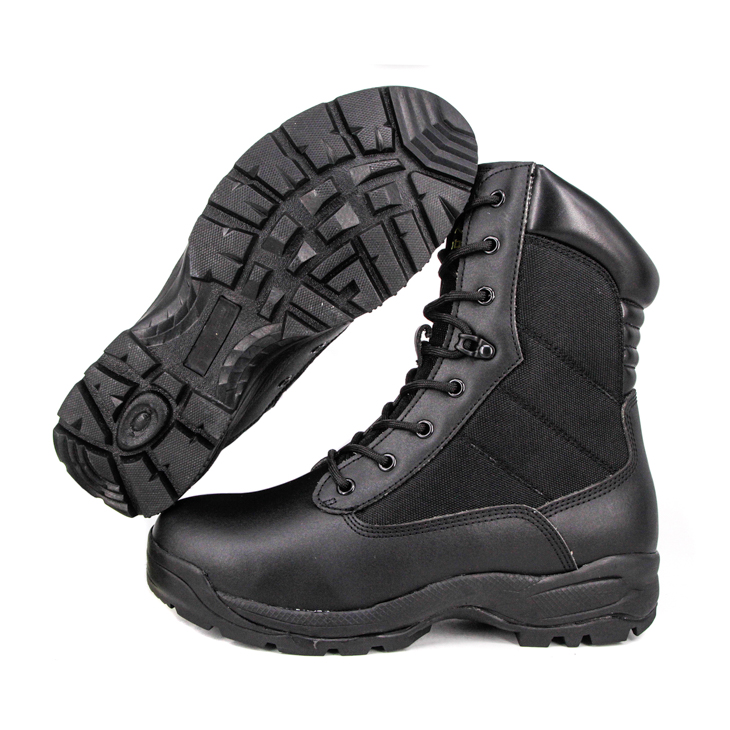
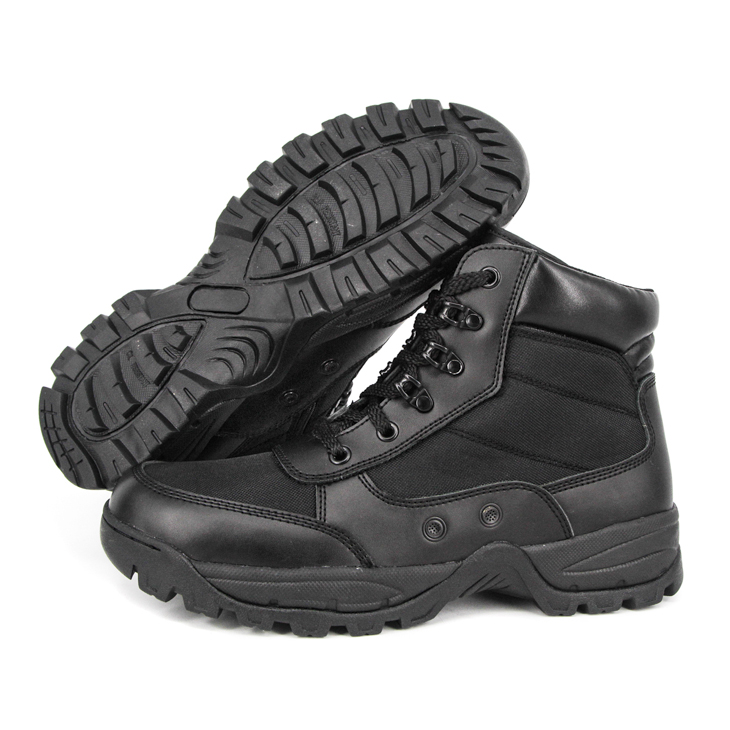
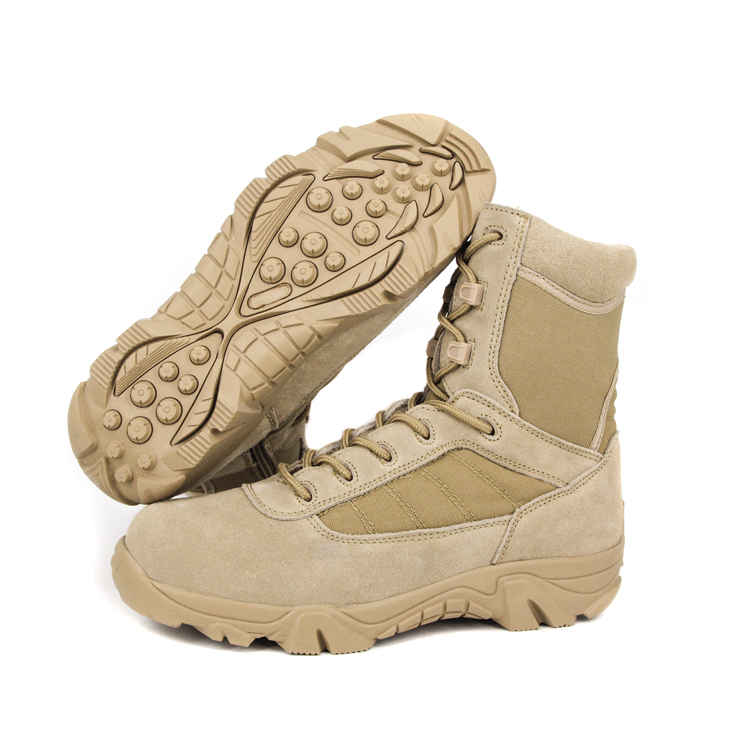
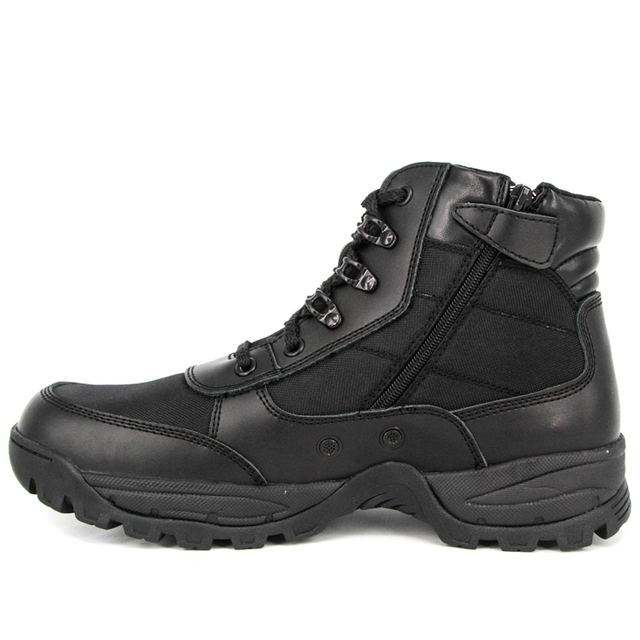
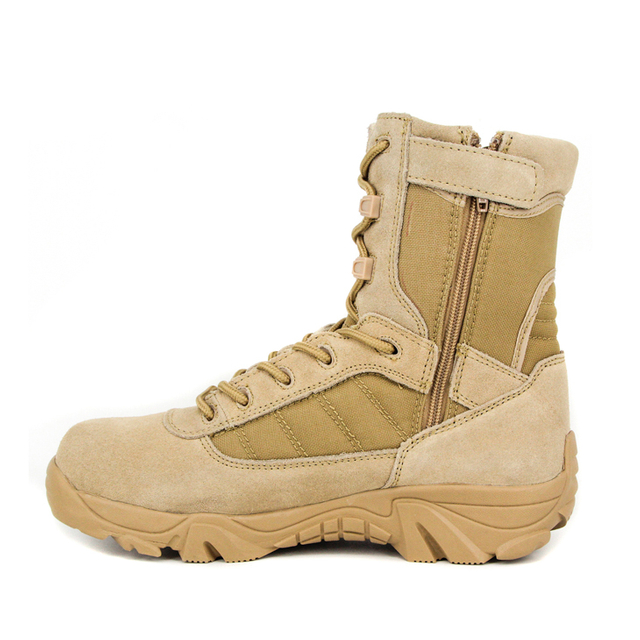
To make sure the new boots are right, the boots should not be too tight and the front of the shoes should be able to move the toes. When you walk, the heel should be fixed, do not slide up and down or back and forth to avoid painful blisters. Each part of the shoelace can be adjusted to make the entire upper fit to your feet.
A pair of unsuitable combat army military boots can cause a lot of problems in your feet, so how to properly wear military boots to ensure long-term comfort is essential. Here are some tips to make sure you can wear tactical police military boots comfortably.
Wearing socks must wear socks
When wearing military boots, you must wear special military boots so that you can get the most comfortable wearing experience. Boots are thicker than sports socks and provide extra padding in the heel and toe areas. This pad reduces the possibility of grinding the foot out of the blisters during exercise. Comfortable military boots need to keep the feet dry, so moisture dissipation is important. Choosing a pair of boots with moisture wicking is very important in the hot summer climate.
The front end of the military boots needs to have enough space
There should be a little space in front of the boots to move your toes. Your toes need plenty of space because your feet will naturally swell during the day. How to determine if your reserved space is sufficient? You can slide your foot all the way to the front of the boot, and the width of the finger behind your heel should be approximate. If this width is exceeded, then these boots are a bit too big for you; if they are not wide enough, the boots are too small.
Always try on before buying
After looking at a pair of boots, you should take two steps on the carpet to wear new boots, in case you need to return or exchange. Be careful when you walk around the curved boots and feel any friction or hot spots. If there are hot spots, they may get worse over time and cause blistering. Boots may require a slight "run-in" period. If you don't feel uncomfortable wearing boots at first, then you are advised not to buy it. You can continue to try different sizes, styles or brands to find the right boots for you. Because everyone's feet are different, please note that your favorite friend's favorite combat tactical full leather boots may not be for you.
Try to choose classic military/tactical boot styles
Classic military and tactical boots can be worn by both men and women. He can not only provide you with various protections but also suit any occasion.
Prolonged standing during ceremonies, inspections, and daily administrative duties takes a severe physical toll on the body. Static standing on hard surfaces like concrete parade decks transfers immense pressure through the lower extremities.
Deploying into tropical environments guarantees your feet will get wet. Moisture acts as a constant operational hazard, not an occasional inconvenience. You face a strict footwear dilemma: try to block water from entering, or let it drain out fast.
Aviation environments present unique hazards that standard tactical footwear cannot mitigate, making the selection of specialized footwear a mandatory safety and compliance decision.
Procuring footwear for government agencies requires balancing strict budgets against the demand for high-performance gear. Institutional buyers and quartermasters navigate a fragmented market filled with complex compliance standards and fluctuating supply chains.
Foot health dictates officer safety, endurance, and focus during grueling 10- to 12-hour shifts. The persistent dilemma involves selecting footwear that blocks external moisture versus footwear that vents internal heat.
Law enforcement and first responder footwear has shifted heavily toward rapid-deployment designs over the last decade. Patrol officers, paramedics, and security personnel increasingly rely on side-zip models to meet demanding shift requirements.
Law enforcement patrol work physically breaks down the human body over time. You spend 12-hour shifts standing on asphalt, running through unpredictable terrain, and carrying 20 to 30 pounds of gear on your duty belt and vest.