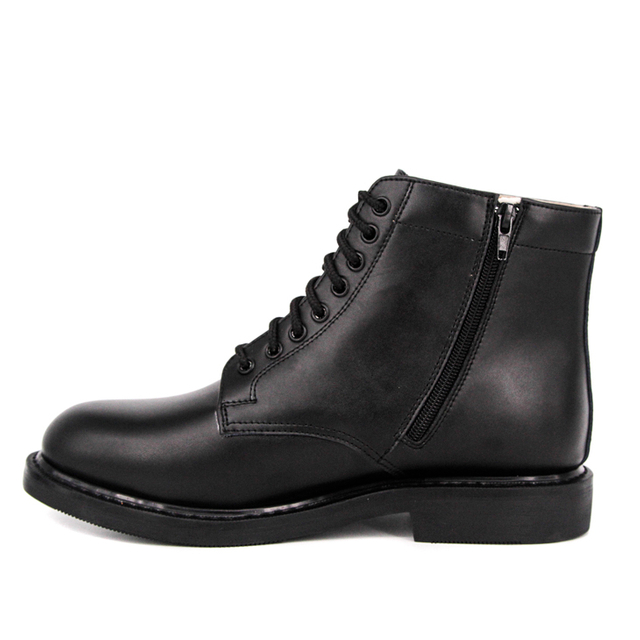
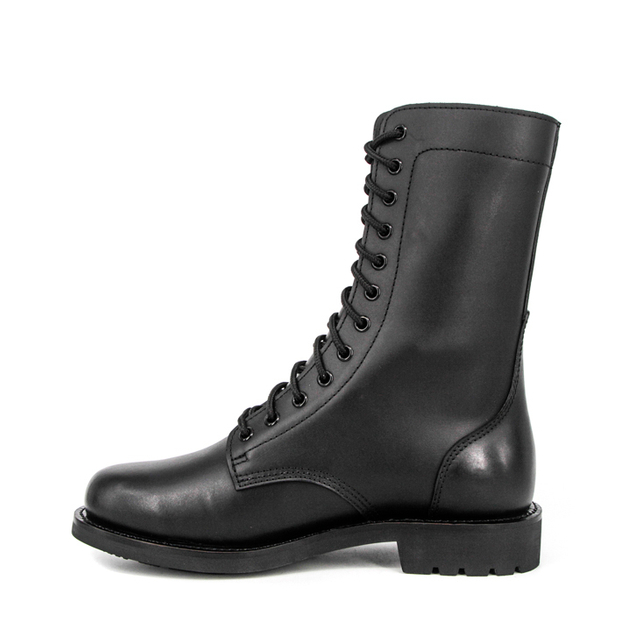
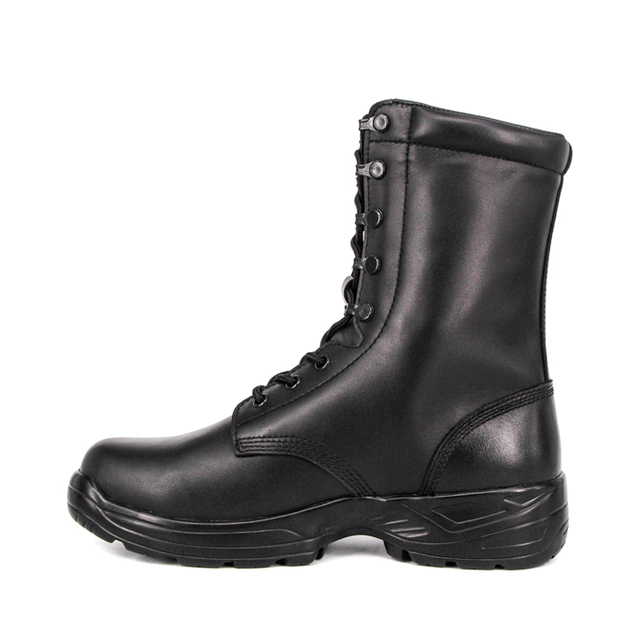
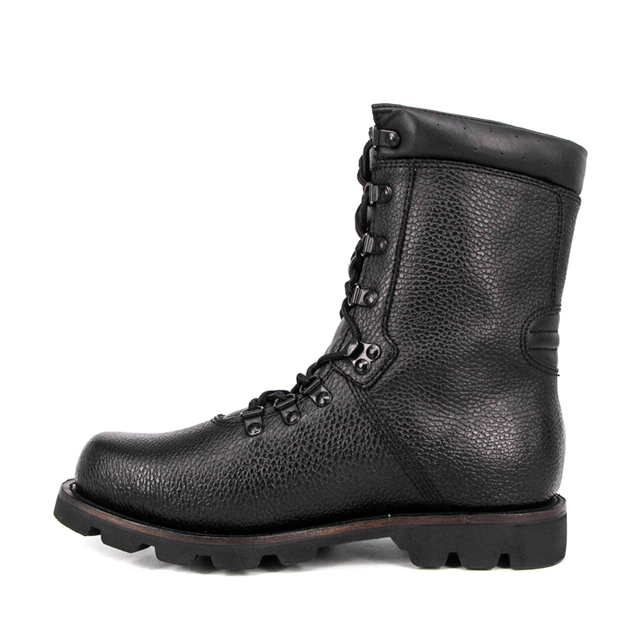
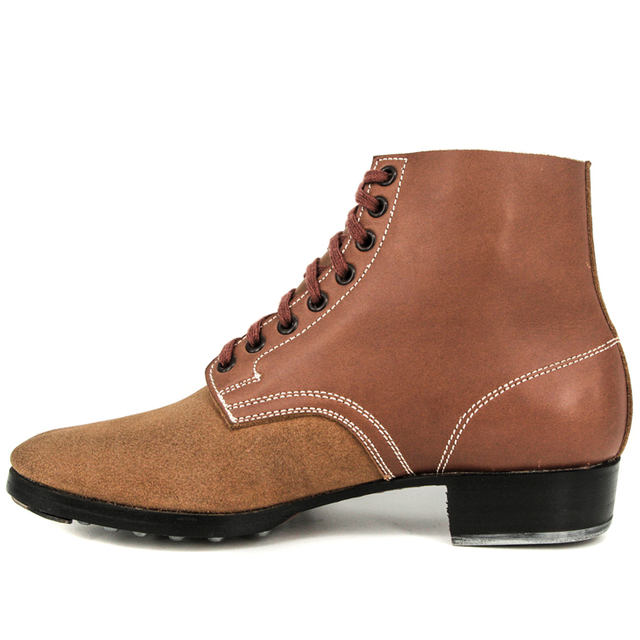
Military boots have become not only a symbol of toughness and durability but also a staple in fashion and everyday wear. One key aspect of maintaining these boots is ensuring they stay clean, supple, and presentable, which is where leather military shoes cream comes into play. This article will dive deep into how to match military boots with the right leather cream, maintenance tips, comparisons of different products, and the latest trends influencing boot care today.
Understanding Military Boots and Their Leather Needs
Military boots are designed for durability, protection, and functionality. They are made from high-quality leather that can endure tough environments, from muddy battlefields to urban streets. However, this ruggedness means they require specific care to maintain their look and extend their lifespan. The use of leather military shoes cream is essential for nourishing the leather, preventing cracks, and restoring color.
Why Use Leather Cream on Military Boots?
Leather cream serves several purposes:
Moisturizing the leather to prevent dryness and cracking
Restoring color and shine to worn or faded areas
Providing a protective layer against water and dirt
Enhancing the durability of the boots for extended wear
How to Match Leather Military Shoes Cream to Your Military Boots
Choosing the right cream depends on several factors, including the color, type of leather, and desired finish. Here's a detailed guide to matching the perfect leather cream with your military boots:
1. Identify Your Boot Leather Type
Most military boots are made of full-grain or corrected grain leather, sometimes combined with synthetic materials. Full-grain leather benefits greatly from creams rich in natural oils, while corrected grain leather requires a gentler formula to avoid damage.
2. Match the Color of the Cream to the Boots
Leather creams come in various colors:
Neutral or clear creams are versatile and suitable for any color.
Colored creams (black, brown, tan, olive) are best used to restore the original shade or alter the boot color subtly.
Boot Color
Recommended Cream Color
Black
Black leather cream
Brown
Brown or neutral cream
Tan/Beige
Tan or neutral cream
Olive/Green
Neutral or custom mix
3. Consider the Finish: Matte vs. Glossy
Military boots typically have a matte finish, but some prefer a polished look. Choose a cream that:
Maintains matte finish: Use a cream with a matte or satin effect.
Adds shine: Use a wax-based cream for a glossy finish.
4. Check the Ingredients and Brand Reputation
Look for creams with natural oils (like mink oil, neatsfoot oil) and avoid harsh chemicals. Popular brands for military boots leather care include Saphir, Kiwi, and Meltonian.
Step-by-Step Guide: Applying Leather Military Shoes Cream
Proper application enhances the boots' appearance and durability. Follow these steps:
Step 1: Clean the Boots
Remove dirt and dust using a soft brush or damp cloth. For heavy dirt, use a specialized leather cleaner.
Step 2: Apply the Leather Cream
Use a clean cloth or applicator brush.
Apply a thin, even layer of cream.
Let it absorb for 10-15 minutes.
Step 3: Buff the Boots
Use a horsehair brush or soft cloth to buff the boots, bringing out a natural shine without over-polishing.
Step 4: Repeat for Maintenance
Regular application (every few weeks or after heavy use) keeps military boots supple and resilient.
Do you want to know more details about how to polish your leather military boots, please click here.
FAQs
How often should I apply leather military shoes cream to my boots?
For regular use, applying cream once a month is sufficient. For heavy-duty use or extreme conditions, apply every two weeks or after cleaning.
Can I use any leather cream on military boots?
Not all creams are suitable. Avoid products with harsh chemicals or those designed for smooth or patent leather. Always choose a cream compatible with rugged, full-grain military leather.
Will leather cream change the color of my boots?
Colored creams can enhance or slightly alter the color. Neutral creams maintain the current color but restore moisture and softness.
How to remove excess cream from boots?
Use a soft cloth or brush to gently remove excess cream after application and buffing to avoid buildup.
Can I use wax polish instead of leather cream?
Wax polish provides shine and protection but can dry out leather if used excessively. Leather cream is better for moisturizing and preserving the leather's natural texture.
Conclusion
Maintaining your military boots with the right leather military shoes cream is crucial to preserving their functionality, appearance, and longevity. Understanding the type of leather, matching the cream color and finish, and following a proper application routine ensures your boots stay in top condition. With the latest trends emphasizing natural and sustainable care products, you can protect your boots while being environmentally conscious. Whether you are a soldier, outdoor enthusiast, or fashion-forward individual, investing in quality leather cream will keep your military boots looking sharp and ready for any challenge.
Procuring footwear for government agencies requires balancing strict budgets against the demand for high-performance gear. Institutional buyers and quartermasters navigate a fragmented market filled with complex compliance standards and fluctuating supply chains.
Foot health dictates officer safety, endurance, and focus during grueling 10- to 12-hour shifts. The persistent dilemma involves selecting footwear that blocks external moisture versus footwear that vents internal heat.
Law enforcement and first responder footwear has shifted heavily toward rapid-deployment designs over the last decade. Patrol officers, paramedics, and security personnel increasingly rely on side-zip models to meet demanding shift requirements.
Law enforcement patrol work physically breaks down the human body over time. You spend 12-hour shifts standing on asphalt, running through unpredictable terrain, and carrying 20 to 30 pounds of gear on your duty belt and vest.
Choosing the right military desert boots is essential for users who operate in hot, dry, and challenging environments. Unlike ordinary outdoor footwear, military desert boots need to provide a balance of breathability, durability, traction, protection, and long-term wearing comfort.
Waterproof military desert boots may sound unusual at first. Desert environments are often associated with heat, sand, dust, and dry weather, so many buyers assume that waterproof protection is unnecessary. In reality, military and tactical users may face more complex conditions than pure dry sand.
Military desert boots used in the Middle East and Saudi Arabia need to handle more than high temperatures. These regions can include open desert, rocky ground, fine sand, dry roads, temporary camps, vehicle areas, and occasional wet or muddy surfaces.