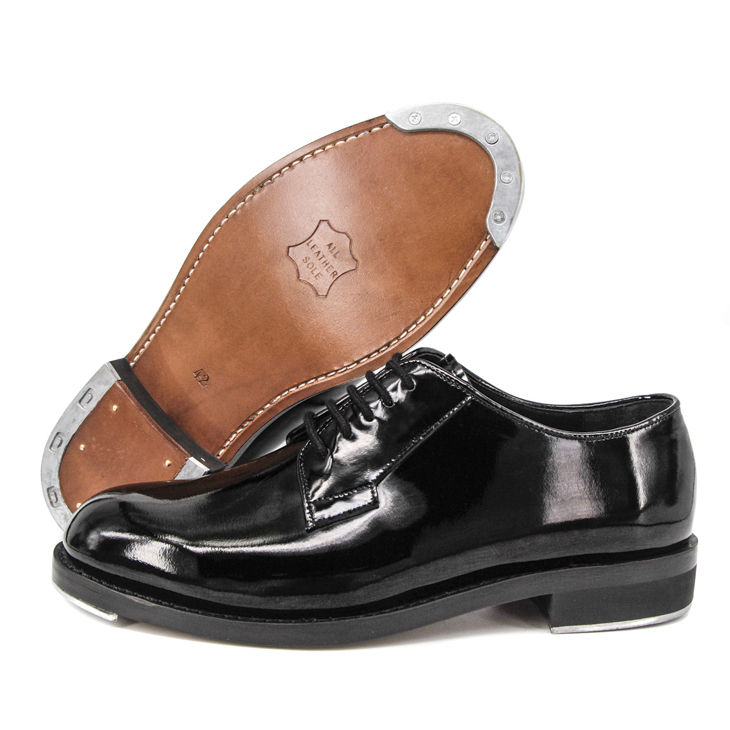
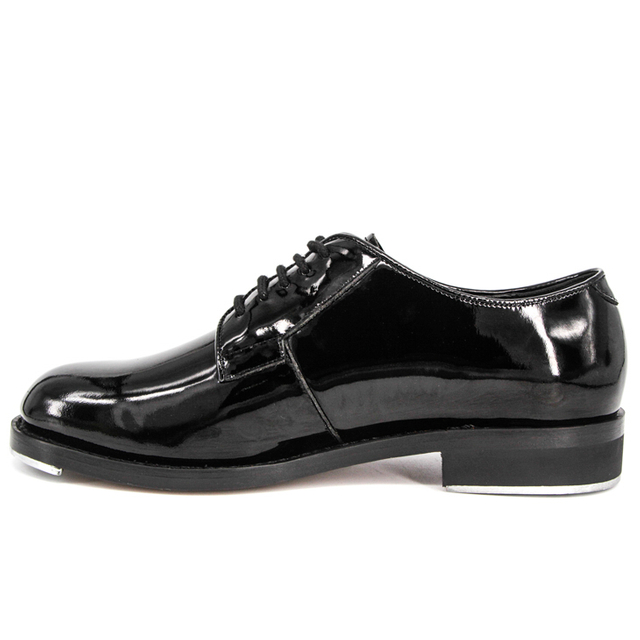
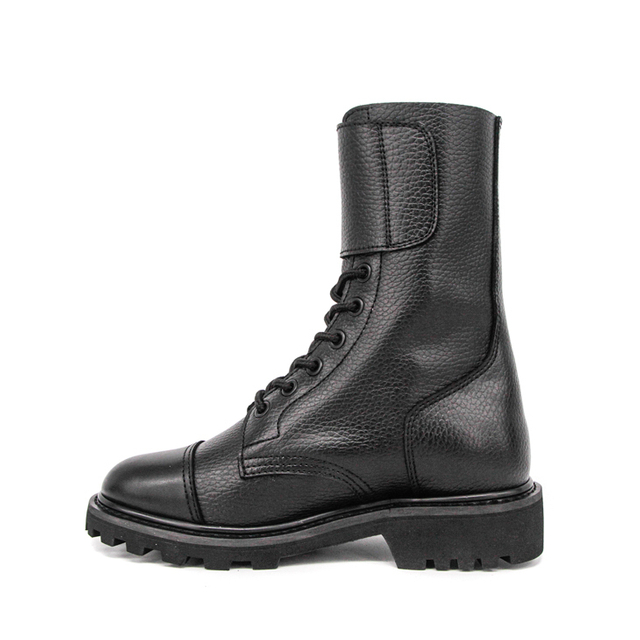
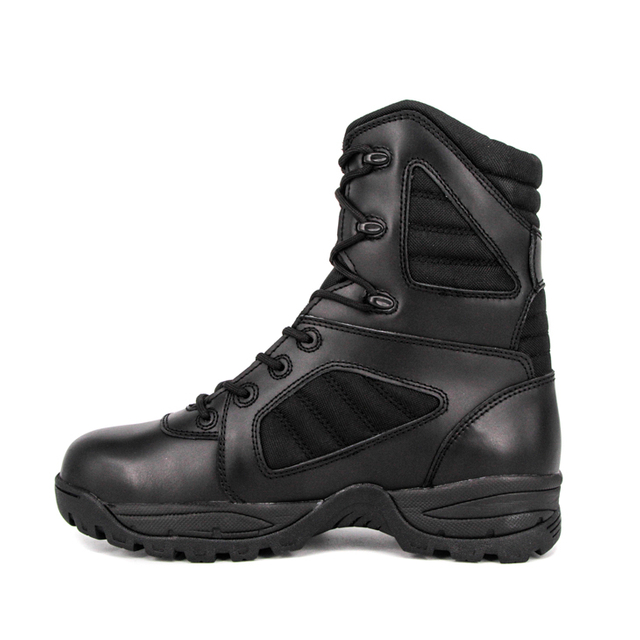
If you have a pair of excellent military boots of good quality, when you wear it, you will find that your feet have become difficult to lift! Don't be surprised, this is the normal situation. Leather military shoes and the sneakers you usually wear will be heavier than running shoes. But the extra weight is not a disadvantage, and the benefits they bring far outweigh the disadvantages.
Unlike normal boots, full leather military boots are designed to be worn in the roughest terrain, under the heavy stress and in all climates and elements. They are harder and sturdier to last longer while being worn continually and they are more protective of injury from exterior factors such as hand to hand combat and debris. They protect the ankles from being injured while running or climbing and they are waterproof.
Leather military boots have two soles, a soft, insole to absorb shock and a hard, outsole to maintain traction and stability while promoting easy maneuverability. They last longer than tactical boots because of the harder leather, but also because they have replaceable parts like the outsole, which can be replaced once it wears too close to the midsole, and the insole, which can be replace at the wearers discretion to maintain comfort. The upper material of the military boots is generally made of harder leather, which is why they are more wear-resistant, but they have replaceable parts, such as the outsole, which can be replaced regularly if they are worn out.
There are also many leather military boots that are heavy because they have metal fittings, some are anti-smashing toe caps, a whole piece of steel plate on the toes, and some shoes have steel plates inside the sole to prevent puncture. In addition, the military boots used for the military parade were two horseshoes on the outside of the shoe (1206), which made the soldiers' footsteps very loud. These metal fittings increase the weight of the military boots, but the other features they bring are even more important.
The heavy leather military boots represent the will of the soldiers, and every step they take out is the greatest honor of our manufacturer!
Prolonged standing during ceremonies, inspections, and daily administrative duties takes a severe physical toll on the body. Static standing on hard surfaces like concrete parade decks transfers immense pressure through the lower extremities.
Deploying into tropical environments guarantees your feet will get wet. Moisture acts as a constant operational hazard, not an occasional inconvenience. You face a strict footwear dilemma: try to block water from entering, or let it drain out fast.
Aviation environments present unique hazards that standard tactical footwear cannot mitigate, making the selection of specialized footwear a mandatory safety and compliance decision.
Procuring footwear for government agencies requires balancing strict budgets against the demand for high-performance gear. Institutional buyers and quartermasters navigate a fragmented market filled with complex compliance standards and fluctuating supply chains.
Foot health dictates officer safety, endurance, and focus during grueling 10- to 12-hour shifts. The persistent dilemma involves selecting footwear that blocks external moisture versus footwear that vents internal heat.
Law enforcement and first responder footwear has shifted heavily toward rapid-deployment designs over the last decade. Patrol officers, paramedics, and security personnel increasingly rely on side-zip models to meet demanding shift requirements.
Law enforcement patrol work physically breaks down the human body over time. You spend 12-hour shifts standing on asphalt, running through unpredictable terrain, and carrying 20 to 30 pounds of gear on your duty belt and vest.