There is a proverb saying: "The difference between garment manufacturing and shoe making is different." Through this statement, we can see the difficulty in making a pair of good shoes, not to mention the various kinds of environments and the military boots that can withstand huge amounts of exercise.
The material of military boot can be mainly divided into upper material and sole material. Today we introduce some materials and techniques of shoes used in military boots, and their characteristics, so that you can learn more easily after maintenance and selection. We will more logically to find a pair of suitable military boots.
First of all, the main material for the military boots is natural leather. The source of natural leather is nothing more than the raw materials of cattle, sheep, pigs, horses, or other animals, which are processed by leather processing factories, and then made into various materials and characteristics of leather materials, which are essential materials for modern leather products. One, among them, cowhide, sheepskin and pigskin are the three major skin types of raw materials for leather. Many people will find leather products even if they are of the same color, but the lines are not the same. This is because the animal's leather is like human skin. There are traces of years, such as scars, stria vascularis, and capillaries, which are natural phenomena that are not artificial.
Leather treated as a vamp can be divided into two layers, the first layer and the second layer, including grain leather, shaved leather, pig anti-wool, and cow anti-wool. Here we will explain in detail the various types of leathers that have been processed by the leather according to the leather processing technology:
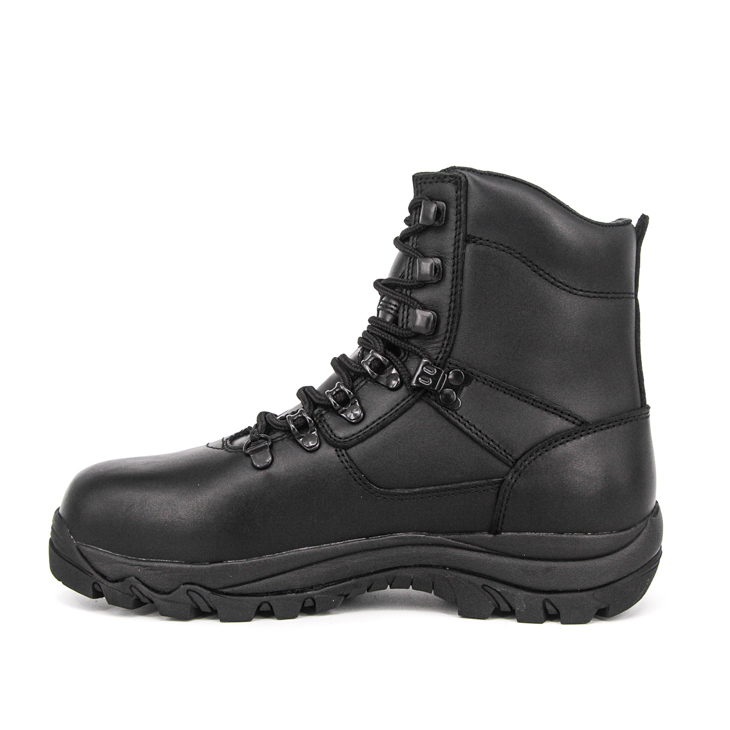
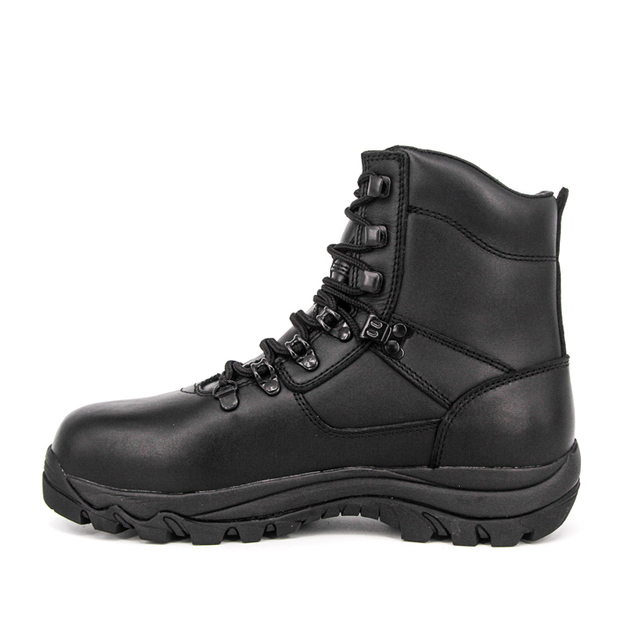
Shaved leathers: Generally, the first layer of leather is used, the surface is polished, the surface scars and blood scars are removed, and after spraying with various popular color skins, it is pressed into grain or smooth surface, and the embossed skin is generally used to repair the skin or Open the beaded skin to suppress various patterns or patterns, such as crocodile pattern, lizard pattern, ostrich skin pattern, python skin pattern, water quilt pattern, beautiful bark pattern, lychee pattern, imitation deer pattern, etc. Stripes, grate, three-dimensional patterns or creative patterns reflect the brand logo. Because it is not a complicated operation process to deal with the flaws of natural leather, the repairing skin is used in military boots, such as the police boots from our company.
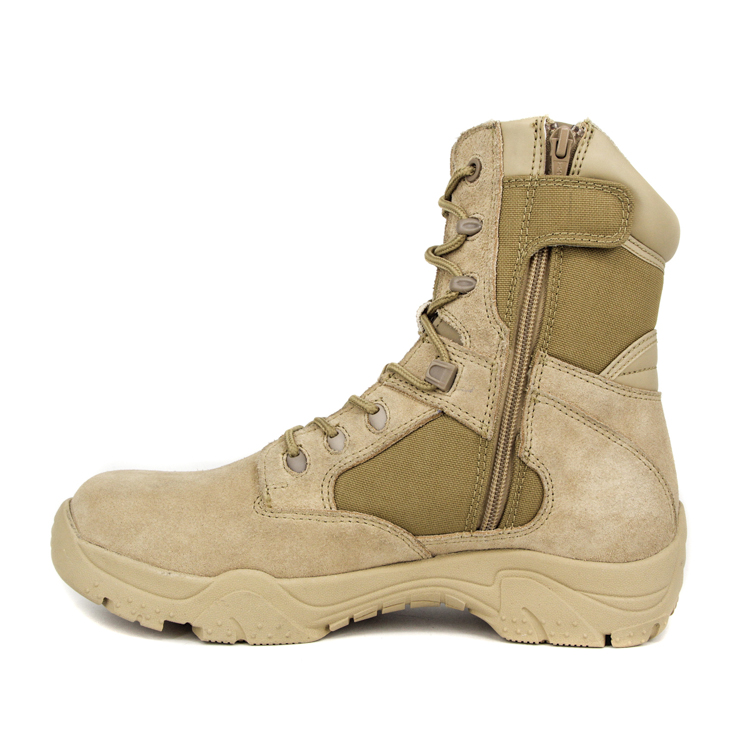
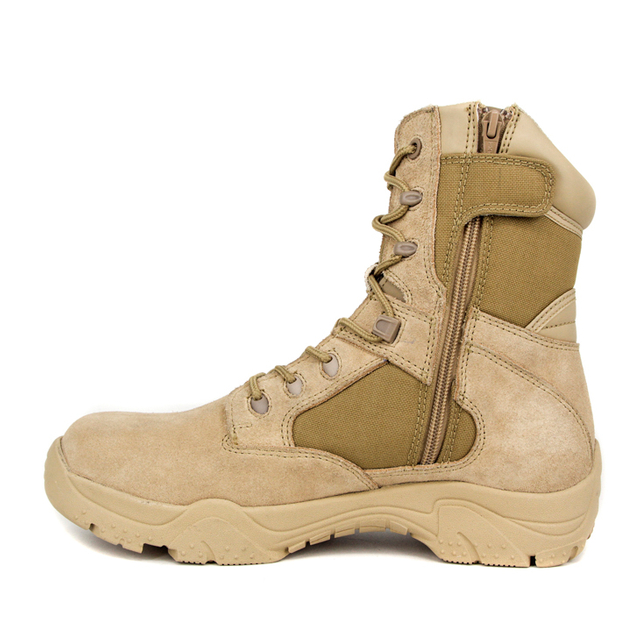
Suede: Also known as ploughing, it is the first layer of skin that has been polished into a fluffy skin and dyed with a variety of popular colors. It looks more natural leather texture, and it will make the boots look beautiful when used on military boots. Many of our company's desert boots 7230 are suede.
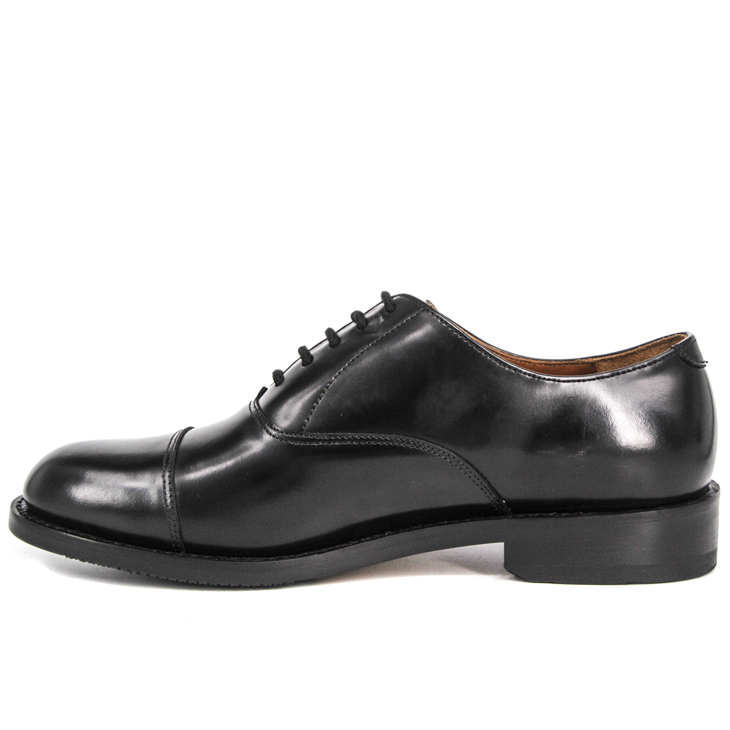
Beaded skin: also known as the film leather, is thrown in half along the back of the spine, and to trim the wrinkle of the intestines and the extremities of the first layer of skin or two layers of open leather, on its surface fit a variety of Net color, metal color, fluorescent color, pearl color, Symphony color or multi-color PVC film processed. Shoes made of open-edged bead skins look smooth and high-grade, with a soft glow on the surface, and the entire shoe looks a lot better. Look at this office shoes.
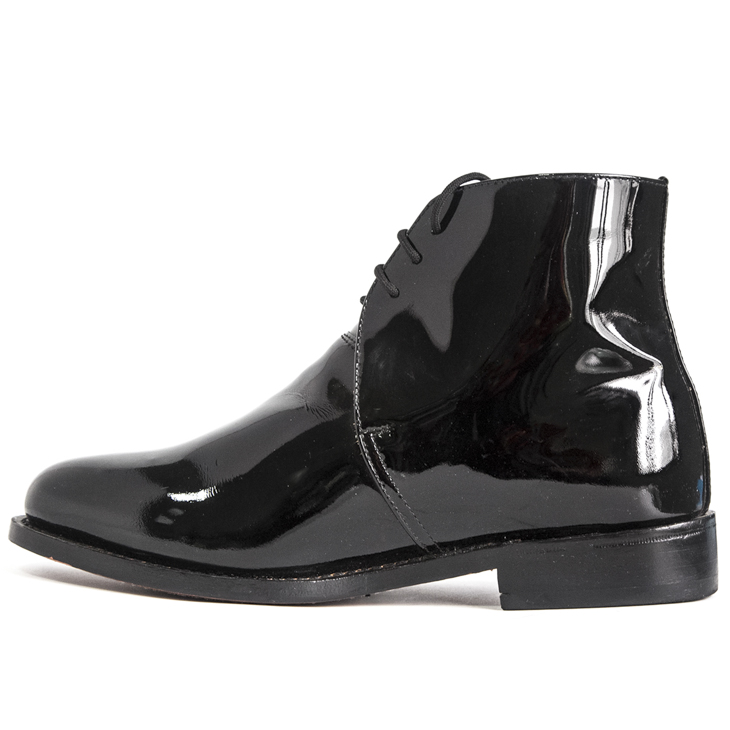
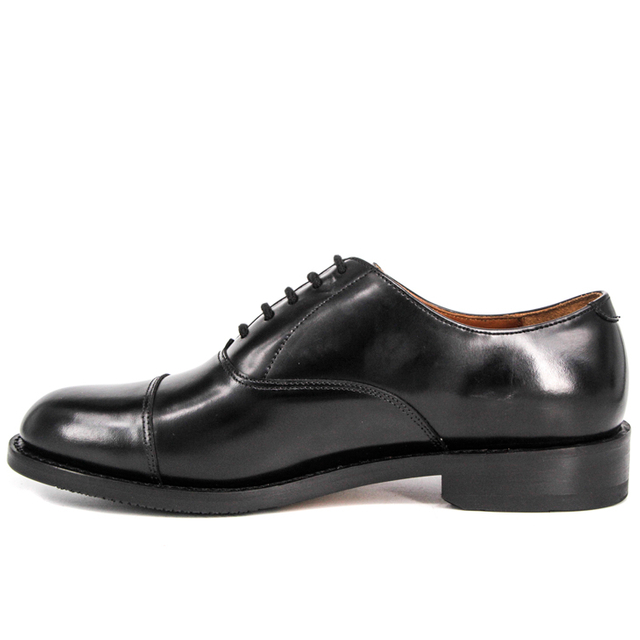
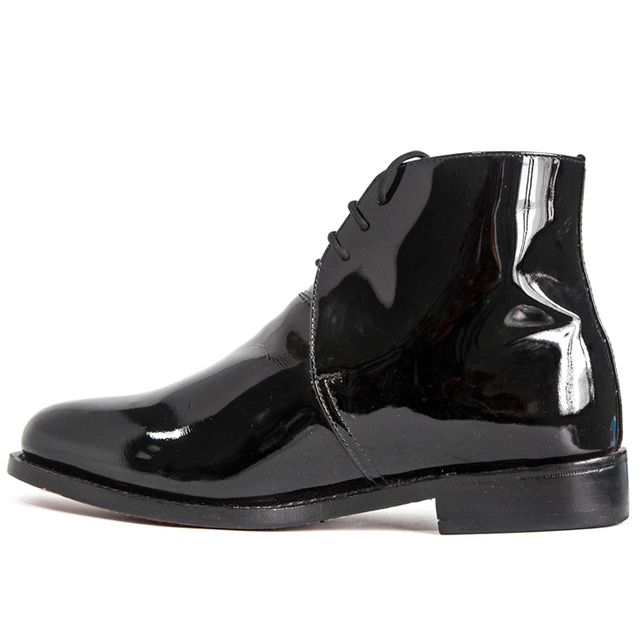
Patent leather: Leather with two-layer skin blanks after spraying chemical raw materials of different colors and then processed with light or matte finish. That's very bright and dazzling. It is a kind of clothing material with strong surface effect and style characteristics. The leather material is bright and the surface is very smooth. Brush the feeling of paint. At present, the material of the patent leather is divided into three parts: PU patent leather, leather patent leather and wrinkled patent leather. The military boots are generally made of genuine leather patent leather. The texture and feel of the leather patent leather are very unique. They are very smooth and beautiful, and they have the natural characteristics that are not regressive. There is a bonus effect on the overall mix. The following officer's shoes are made of high-grade leather patent leather, comfortable and dazzling. The deep-colored patent leather is low-key and extravagant, and the bright color of the patent leather is dazzling.
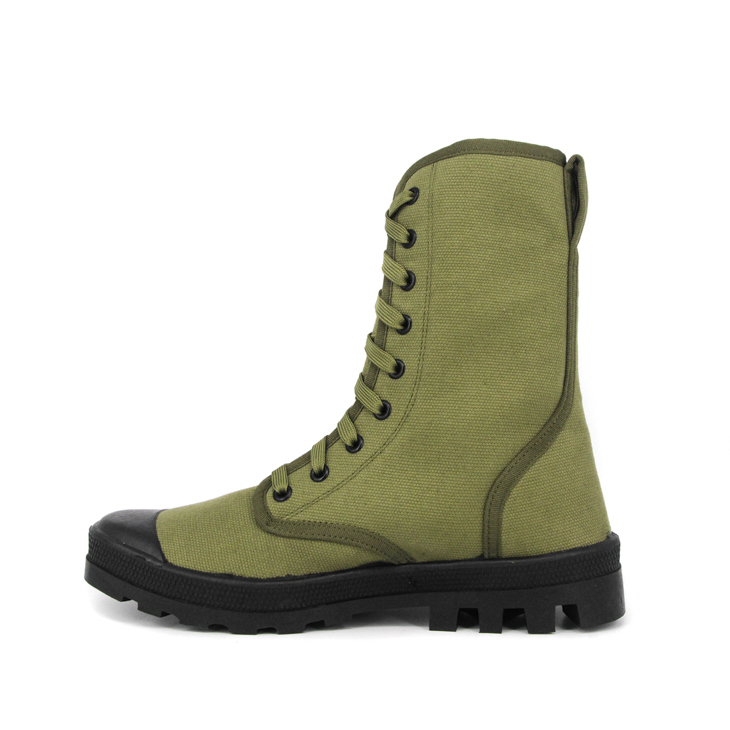
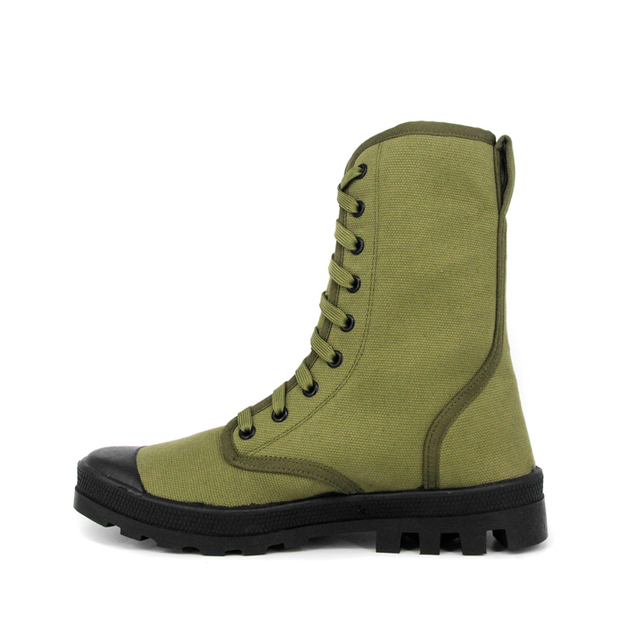
In addition to natural leather, some military boots will also use nylon cloth as the main material for the upper surface, such as our company's work shoes series. Nylon cloth is light and smooth, non-wrinkle, high strength, the use of nylon cloth shoes body can significantly reduce the weight of the shoes, make the action more convenient, breathable and stretch ability are very good, very suitable for use in hot areas
The above is the helper material that will be used in the manufacture of military boots, so that the full advantage of each material in use is the ultimate goal of the manufacturer, and is also our manufacturing guidelines. Every pair of shoes we treat with care, treat every customer with heart.
Foot health dictates officer safety, endurance, and focus during grueling 10- to 12-hour shifts. The persistent dilemma involves selecting footwear that blocks external moisture versus footwear that vents internal heat.
Law enforcement and first responder footwear has shifted heavily toward rapid-deployment designs over the last decade. Patrol officers, paramedics, and security personnel increasingly rely on side-zip models to meet demanding shift requirements.
Law enforcement patrol work physically breaks down the human body over time. You spend 12-hour shifts standing on asphalt, running through unpredictable terrain, and carrying 20 to 30 pounds of gear on your duty belt and vest.
Choosing the right military desert boots is essential for users who operate in hot, dry, and challenging environments. Unlike ordinary outdoor footwear, military desert boots need to provide a balance of breathability, durability, traction, protection, and long-term wearing comfort.
Waterproof military desert boots may sound unusual at first. Desert environments are often associated with heat, sand, dust, and dry weather, so many buyers assume that waterproof protection is unnecessary. In reality, military and tactical users may face more complex conditions than pure dry sand.
Military desert boots used in the Middle East and Saudi Arabia need to handle more than high temperatures. These regions can include open desert, rocky ground, fine sand, dry roads, temporary camps, vehicle areas, and occasional wet or muddy surfaces.
Sand color military boots are widely used in desert, dry, and hot-weather environments. Compared with black or dark brown combat boots, light-colored desert footwear is better suited for sandy terrain, high temperatures, dusty ground, and military-style uniforms used in arid regions.