Views: 227 Author: Site Editor Publish Time: 2020-01-04 Origin: Site
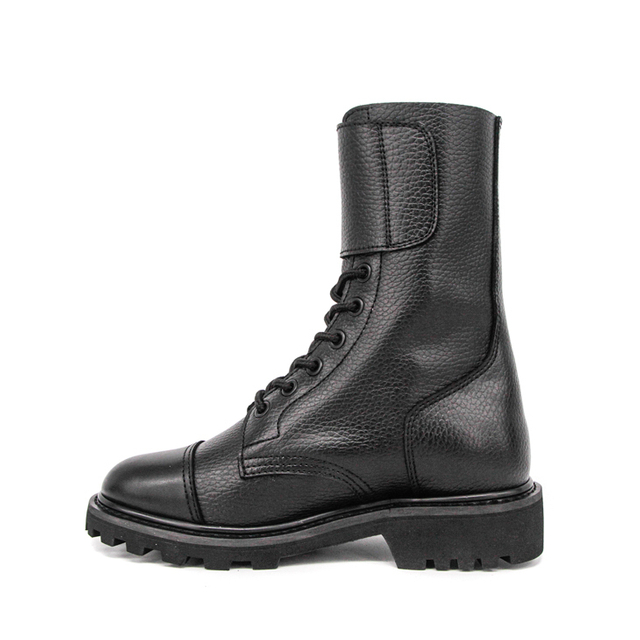
Have you always wanted a pair of high-quality military combat boots, but don't know where to start searching?
Maybe you know what boots have, but you simply don’t have time to browse reviews online yourself.
Don’t worry.
But first, you must know what a good boot is, what type of boot you need, and how much money you should invest in it.
Are Army Combat Boots Light or Heavy?
Many buyers are hooked on the pitfalls of buying combat boots that ultimately don't use many features.
To make matters worse, certain features add weight to your boots and may slow you down.
The first question you should ask yourself before buying a pair of boots is "What am I going to use these boots for?"
Suppose you go hiking often.
You like steel toe shoes and high boots because it looks and feels "cool".
However, the truth is that after a few miles (especially if your boots are made of genuine leather), the boots will slow you down.
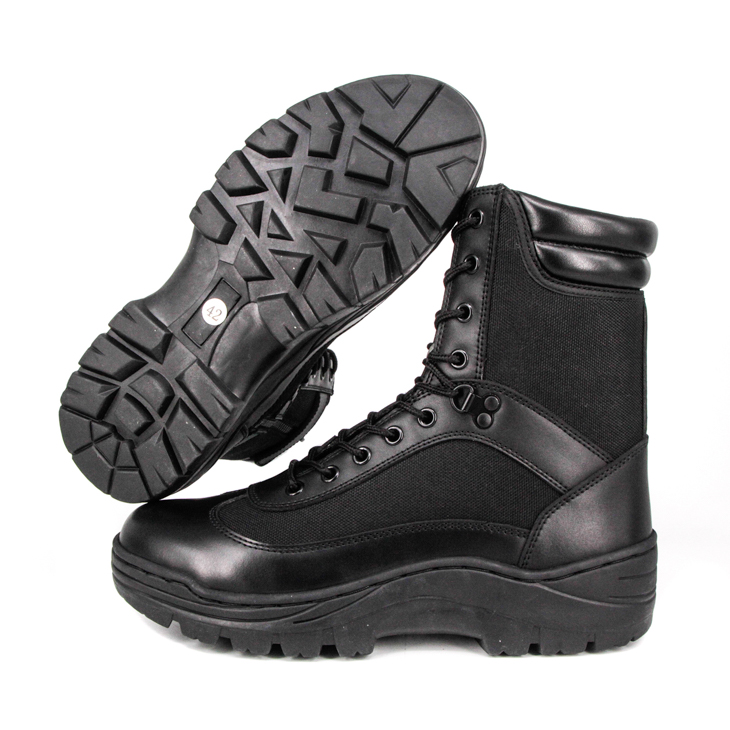
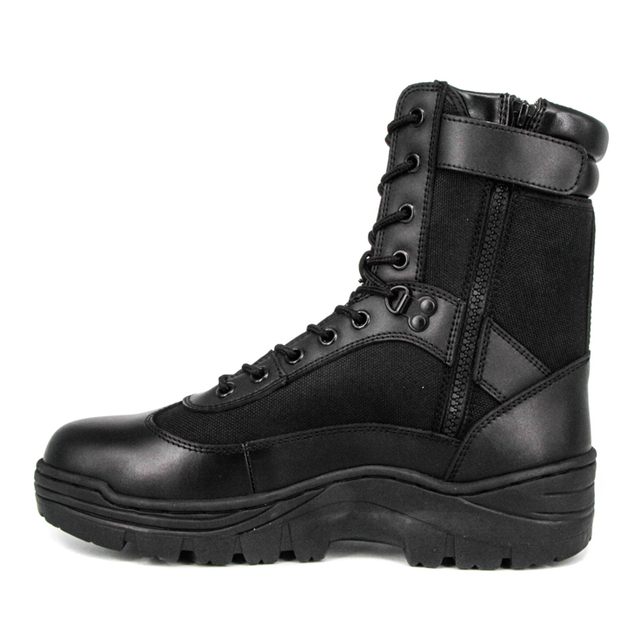
Ideally, lightweight sport tactical boots should be used for outdoor sports.
You can only choose heavier boots if you must protect your feet.
For example, if you work on a construction site, the best option is to wear heavier boots.
Well, steel toe / high dig investment will be worth it.
There are no specific weight parameters for boots that meet AR 670-1.
Having said that, materials play an important role in the weight of boots, and this is what we will consider next.
What material should my boots be?
Again, it depends on how you will use your boots and the budget for buying them.
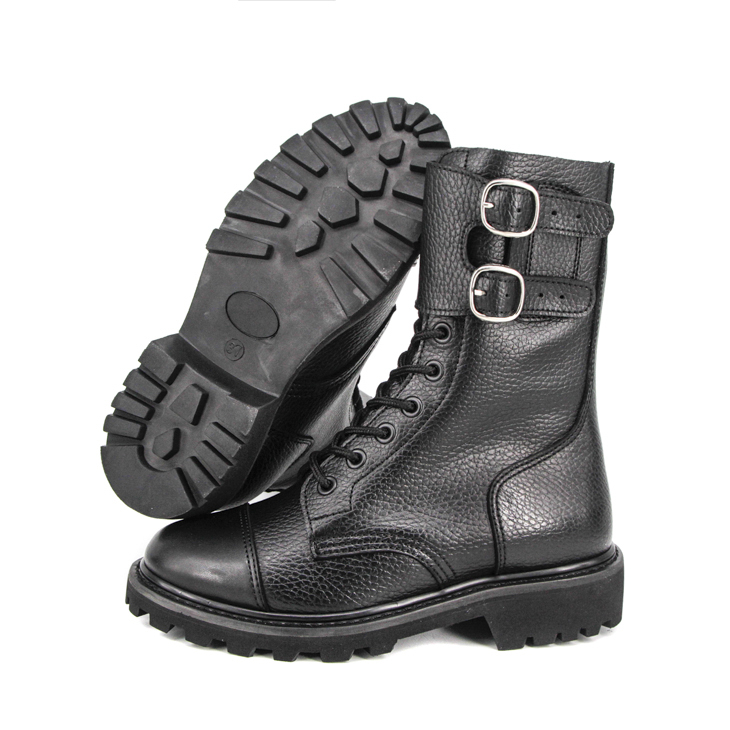
If you need a pair of waterproof boots that can be used for a long time, you should buy a pair of leather boots.
The boots also have a rubber sole.
However, this choice comes at a price.
Because army full leather boots are much more expensive and heavier than a nylon or textile blends.
If a pair of lightweight boots better suits your needs and budget, then you don't need to worry.
The materials usually chosen are: synthetic leather, nylon or a combination of both.
In order for a pair of boots to meet the requirements of AR 670-1, they must be made of genuine leather.
Toe style
Many buyers believe that a legitimate combat boot requires a steel head, but this is incorrect.
Because some buyers do not necessarily need steel heads.
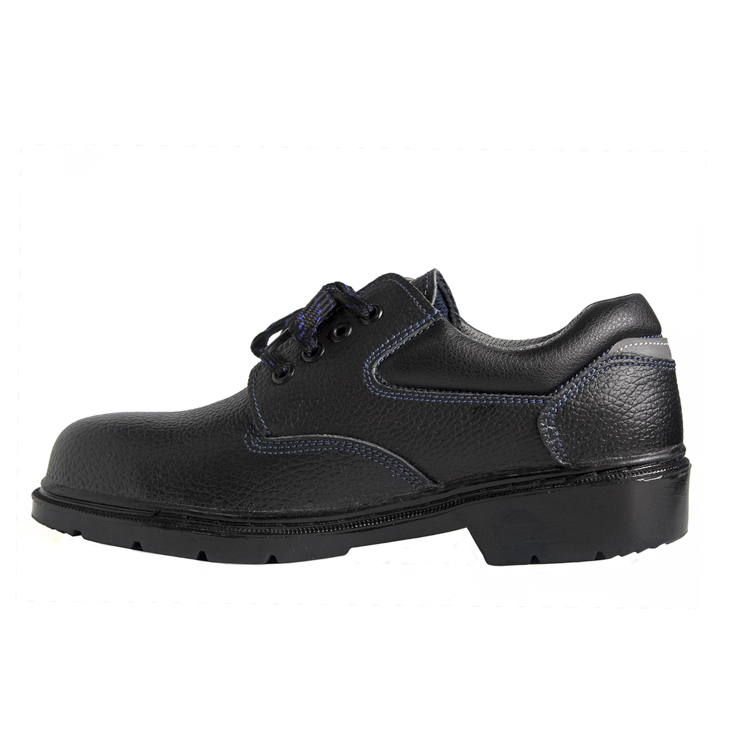
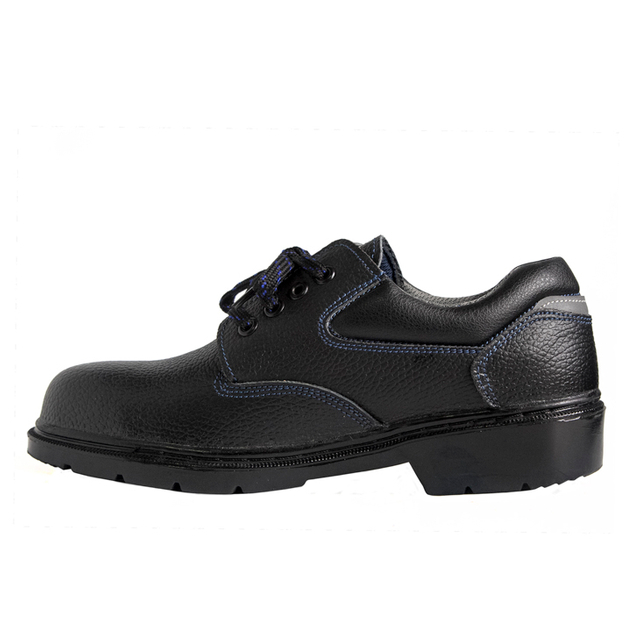
Of course, steel toe black safety shoes can prevent some injuries caused by kicking things or dropping heavy objects on the feet.
Soft toes need to be protected, but it all depends on what environment you put your boots on.
Could you be injured?
Otherwise, you should get rid of the heavy boots burden as steel toes add weight.
In addition, it is not a wise choice to wear it in winter due to heat conduction.
Also consider the nature of your work.
If metal detectors often appear in your work, a steel toe may not be your proper toe style.
Both steel and soft toes are acceptable according to AR 670-1 guidelines.
Custom military footwear projects do not begin with a finished sample. They begin with requirement clarity. Before a project reaches material confirmation, size review, outsole selection, logo placement, or packaging discussion, the first and most important step is understanding what the footwear needs to do and how the project will be evaluated.
In military and institutional footwear procurement, category labels are often used too broadly. Buyers may request combat boots or tactical boots as if the two are interchangeable, but in practice they are not always evaluated for the same use profile.
Upper material selection is one of the most influential decisions in military footwear procurement. It affects durability, weight, breathability, support, maintenance expectations, appearance, and overall application fit.
A quotation process is only as efficient as the information behind it. In military footwear projects, buyers often expect pricing to move quickly, but quotations are frequently delayed by incomplete requirements, unclear application details, or missing technical inputs.
Desert operations place very different demands on footwear than urban patrol, jungle movement, or general-duty use. High surface temperatures, abrasive sand, dry air, long movement distances, and repeated exposure to dust can quickly expose weaknesses in materials, outsole design, and overall boot construction.
For defense, security, and law enforcement agencies worldwide, selecting a reliable waterproof combat boots supplier is far more than a procurement decision—it’s about mission readiness, soldier safety, and long-term operational reliability. Established in 1984, Milforce Equipment Co. Ltd. has emerg
Can military boots—symbols of ruggedness, strength, and battlefield readiness—actually find their place in formal settings? Surprisingly, the answer is yes—but only if you know how to wear them right.In the past, military boots were strictly utilitarian.
Did you know that over 70% of the world's tactical and combat boots are produced in Asia, with China leading the charge?In an era where military and tactical gear must be both high-performing and customizable, sourcing the right custom combat boots manufacturer is more critical than ever.