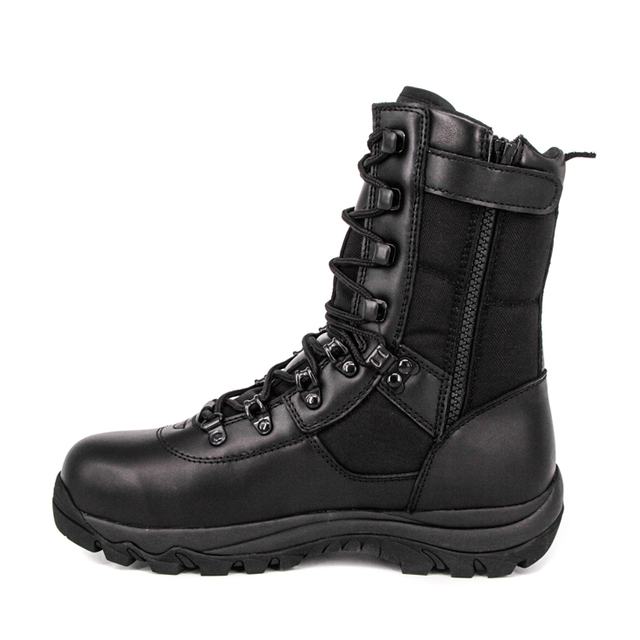
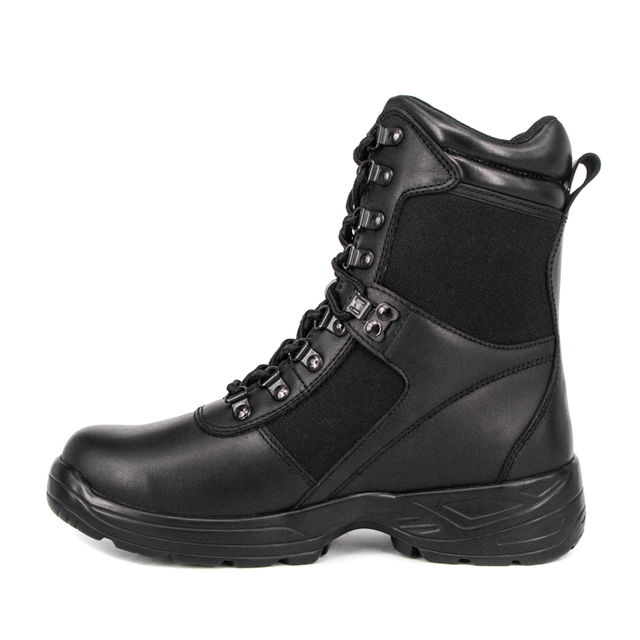
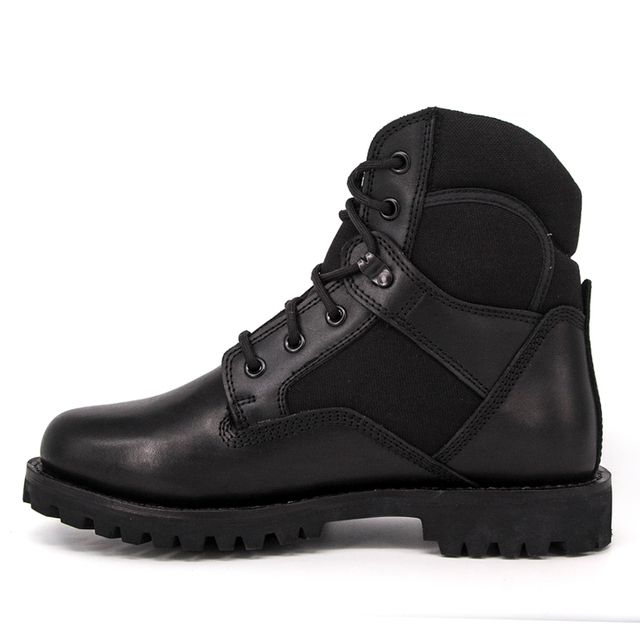
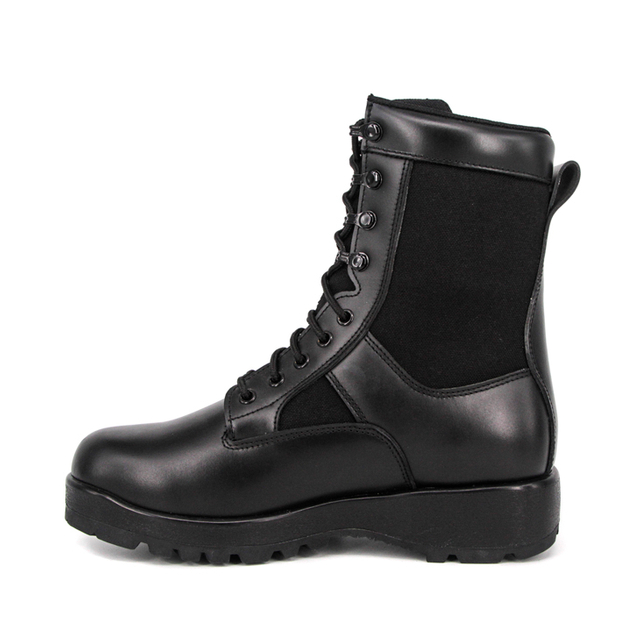
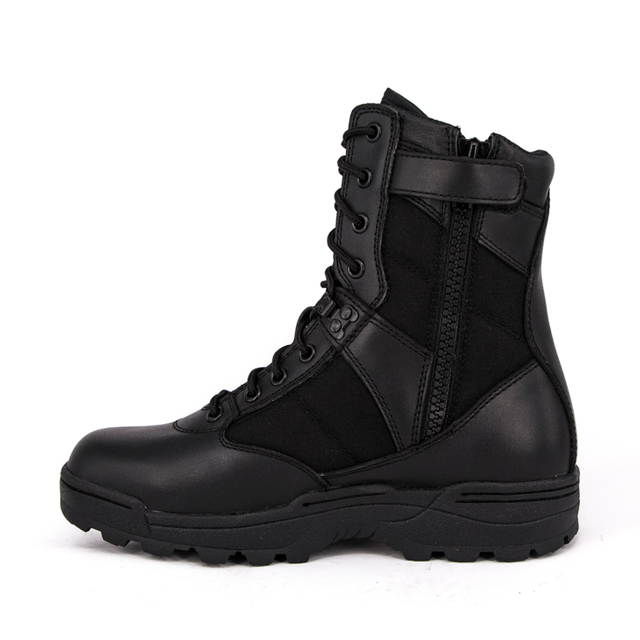
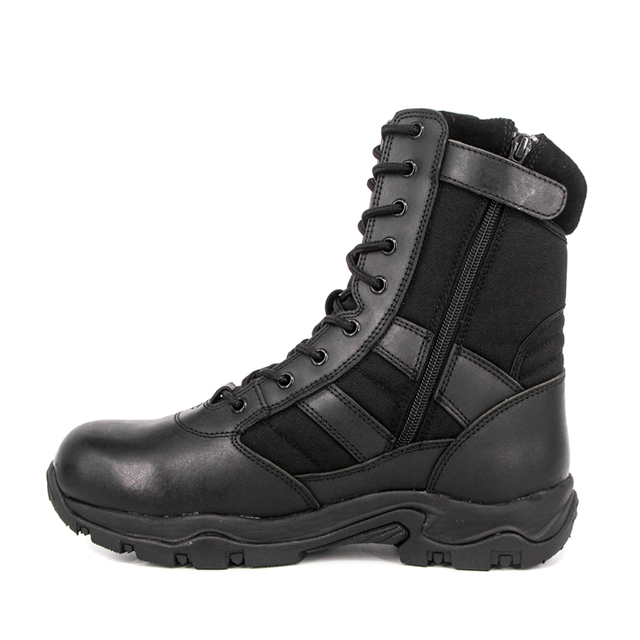
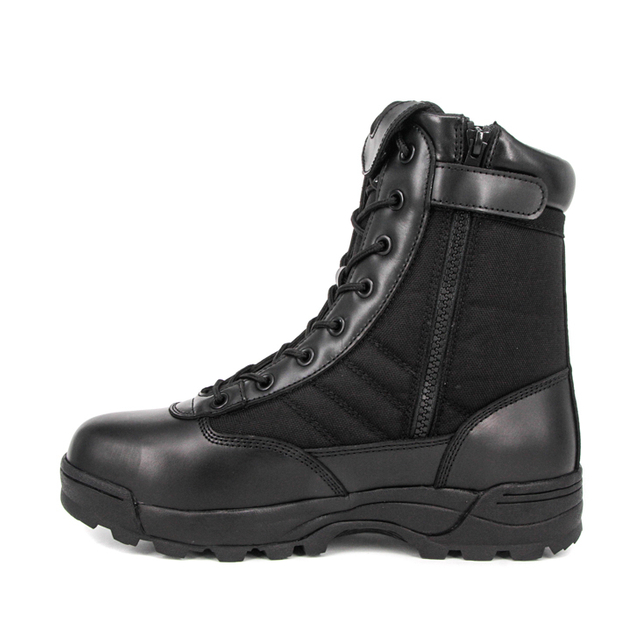
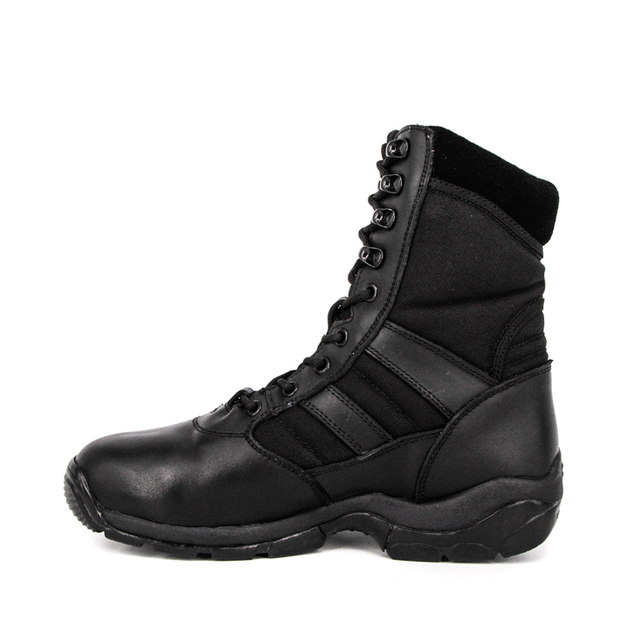
Footwear failure severely compromises mission success. It impacts shift endurance and occupational safety directly. Blisters and trench foot halt operations rapidly. Severe overheating stops highly trained professionals instantly. You simply cannot afford equipment failing during critical field tasks.
Buyers constantly face a frustrating dilemma. You must balance external weather protection against internal moisture management. Brands heavily promote boots blocking rain while letting sweat escape. Reality rarely matches these bold marketing claims. We designed this guide to dismantle the hype surrounding do-it-all footwear.
We provide a strict, evidence-based evaluation framework. You will learn how to evaluate membrane science accurately. You will assess your primary operational environments systematically. Ultimately, you will select the right tactical boots based on physical realities, not clever advertising.
Key Takeaways
The Physical Trade-off: No material is 100% waterproof and 100% breathable. Membranes that block liquid water inherently restrict airflow, increasing internal temperatures.
Environment Dictates Choice: Waterproofing is critical for cold, static, or shallow-water environments. Breathability and rapid drainage are superior for hot, humid, or high-output scenarios.
Moisture Origin Matters: Evaluate whether your primary threat is external moisture (rain, snow, puddles) or internal moisture (excessive foot sweat from exertion).
Maintenance Realities: Waterproof boots require specific care to maintain membrane integrity, while breathable boots demand proper sock pairings to maximize wicking.
The "Waterproof and Breathable" Marketing Myth
Many manufacturers advertise footwear as fully waterproof and highly breathable. Science reveals a much more complicated story. PTFE (Polytetrafluoroethylene) membranes, like Gore-Tex, rely on complex microscopic pores. These pores are incredibly small. They are about 20,000 times smaller than a water droplet. However, they remain larger than individual water vapor molecules. Manufacturers claim they block external rain while letting sweat vapor escape effortlessly.
Unfortunately, this physical process relies entirely on a temperature gradient. Breathable membranes only push moisture outward under specific conditions. The interior of the boot must be warmer and more humid than the outside air. In hot or highly humid climates, this gradient completely fails. The surrounding ambient air already holds maximum moisture. Sweat remains trapped inside the shoe. This rapidly raises internal temperatures.
You must set realistic expectations before purchasing gear. Do not chase an impossible hybrid product. Guide your purchasing logic to prioritize your most frequent operational hazard. Decide if external rain or internal sweat poses the greater threat to your daily mission.
Evaluating Waterproof Tactical Boots: Capabilities & Risks
Waterproof models offer complete protection against external liquid penetration. They block rain, snow, and hazardous chemical fluids in specific occupational settings. You need this definitive barrier when environmental exposure directly threatens your health.
Consider these ideal use cases for sealed footwear. Static security details in wet or freezing winter conditions demand absolute waterproofing. Short-duration operations in slush, deep mud, or shallow standing water also require a sealed barrier. Cold-weather patrols serve as another prime example. Wet feet in freezing temperatures cause rapid heat loss. This elevates the severe risk of frostbite.
Yet, implementation carries distinct risks and notable drawbacks. The most significant operational hazard is the sweat trap. Once water breaches the top collar line, your footwear fails. This happens during deep wading or when heavy rain runs down your uniform. Waterproof models cannot drain naturally. They act like buckets holding water against your skin. They will take days to fully dry in ambient conditions. Additionally, extra membrane layers add weight and rigidity. This decreases natural ankle flexibility and accelerates physical fatigue over long shifts.
When reviewing spec sheets, look for specific engineering features. Seek out fully gusseted tongues to block debris and water entry. Demand seam-sealed construction and robust full-grain leather uppers. Always verify the presence of established, tested waterproof membranes like Gore-Tex or eVent. Never settle for generic waterproof coatings.
Best Practices and Common Mistakes
Mistake: Wearing cotton socks. Cotton holds moisture, accelerating blister formation inside a sealed boot.
Mistake: Forced heat drying. Placing wet waterproof boots too close to a campfire melts the internal membrane.
Best Practice: Use mechanical boot dryers circulating ambient air to preserve seam tape integrity.
Evaluating Breathable Tactical Boots: Capabilities & Risks
Breathable models prioritize internal climate control above all else. They deliver maximum airflow to regulate your internal temperature. More importantly, they provide the crucial ability to drain and dry rapidly if submerged.
These boots excel in very specific, demanding scenarios. Jungle, desert, and peak-summer urban environments require maximum ventilation. High-output tactical operations generate immense body heat. Rucking and prolonged foot pursuits demand superior airflow. Multi-day wilderness excursions also heavily favor breathability. Your gear will inevitably get wet crossing streams or walking through morning dew. Overnight drying becomes a strict operational necessity.
However, these models carry notable vulnerabilities you must acknowledge. They offer absolutely zero external weather protection. Your feet will get wet immediately upon stepping in deep puddles. Unrestricted airflow also leads to rapid freezing in sub-zero temperatures. Wind easily cuts through mesh panels. This steals vital body heat instantly.
Examine the product spec sheet for clear ventilation indicators. Look for medial drainage vents or dedicated instep holes. Prioritize unlined suede or specialized synthetic uppers. High-denier nylon mesh panels allow excellent air circulation. Ensure the interior features moisture-wicking linings to pull sweat away from your skin. Sourcing high-quality tactical boots requires evaluating these structural details closely.
Best Practices and Common Mistakes
Mistake: Applying heavy wax or waterproofing sprays to mesh panels. This ruins the boot's primary function.
Mistake: Assuming they offer pathogen protection. Unlined boots cannot protect against chemical or biological hazards.
Best Practice: Remove insoles nightly in the field. This accelerates the drainage and drying process significantly.
Choosing the right gear requires mapping features to operational realities. We use three critical variables to guide this exact selection process. Let's break down the decision matrix step by step.
First, analyze your expected activity level. Are your tasks static or kinetic? High-movement tasks generate heavy sweat. We strongly recommend breathable options here. They prevent blister-causing friction caused by damp skin rubbing against wet socks. Conversely, static duties generate very little body heat. Guard duties in winter require waterproof models. They excel in these static roles by blocking ambient cold and environmental moisture.
Second, carefully assess your primary climate and terrain.
Climate & Terrain | Recommended Boot Profile | Operational Rationale |
Arid / Hot / Humid | Unlined, highly breathable models | Maximizes heat dissipation. Allows rapid sweat evaporation to prevent trench foot. |
Wet / Cold / Urban Winter | Membrane-lined, waterproof models | Traps necessary body heat. Completely blocks external freezing water and slush. |
Third, consider your average shift length and available logistics. An 8-hour shift ending in a dry locker room makes waterproof boots highly viable. You can mechanically dry them post-shift using heated boot dryers. However, a 72-hour field operation changes the math entirely. Breathable footwear becomes the mathematically safer choice. A wet waterproof boot in an austere field environment quickly becomes a serious operational liability.
Shortlisting Logic & Next-Step Actions
Moving from theory to actual purchase requires a structured shortlisting process. Follow these actionable steps to narrow down your final choices.
Assess Boot Height
Match the shaft height to your operational demands. Standard 6-inch profiles offer excellent mobility and lighter weight for urban patrols. Traditional 8-inch profiles deliver essential ankle support under heavy loads. They also provide greater depth tolerance for potential water exposure before flooding occurs.
Factor in Sizing and Sock Systems
Never underestimate the integrated sock system. Ensure your boot sizing accommodates high-quality Merino wool or advanced synthetic blend socks. Cotton completely negates the benefits of both waterproof and breathable designs. Cotton absorbs and holds moisture against the skin. Proper socks actively wick moisture away. They manage the critical microclimate around your foot flawlessly.
Examine Sole and Tread Design
Pair your upper material choice with the correct outsole geometry. Urban environments demand slip-resistant, oil-resistant treads to handle concrete. Muddy or rugged field use requires aggressive, deep lugs for reliable dirt traction. Your outsole must match your terrain exactly as your upper matches your climate.
Check Occupational Compliance
Always verify specific safety ratings before completing your purchase. Many agencies require strict, documented compliance standards. You may need AR670-1 compliance for military applications. Law enforcement often demands ASTM-certified slip resistance or specific bloodborne pathogen resistance. These institutional mandates often force a waterproof choice. They entirely override personal preference. When selecting agency-approved tactical boots, compliance remains absolutely non-negotiable.
Conclusion
Tactical footwear remains highly specialized equipment. It is not a generic commodity. Your feet require precise tools engineered for distinct environmental challenges. You cannot solve every problem with a single piece of gear.
Make your final selection based heavily on the 80% rule. Buy the boot tailored to the specific conditions you face 80% of the time. Do not compromise your daily comfort and safety by planning for the rare 20% exception. Prioritize your most common daily threat.
Take immediate action today. Review specific product technical data sheets thoroughly. Consult your agency procurement guidelines and uniform regulations before finalizing any purchase. Proper research prevents painful, costly field failures.
FAQ
Q: Can I make my breathable tactical boots waterproof with sprays?
A: No. DWR sprays add water resistance to shed light rain, but will not seal mesh panels or drainage holes. Over-application destroys breathability.
Q: Do waterproof boots make your feet sweat more?
A: Yes. The membrane restricts airflow. Proper moisture-wicking socks are mandatory to manage the internal microclimate.
Q: How long does it take for breathable tactical boots to dry?
A: Depends on ambient temperature and airflow, but typically overnight if insoles are removed, compared to 24-48+ hours for soaked waterproof boots.
Q: What is the difference between water-resistant and waterproof tactical boots?
A: Define the threshold. Water-resistant handles light moisture/dew via treated materials; waterproof withstands submersion via a sealed internal membrane up to the gusset line.