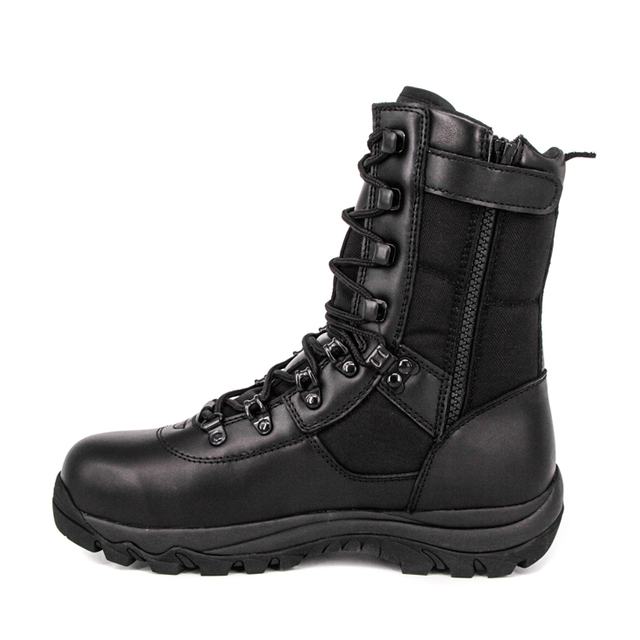
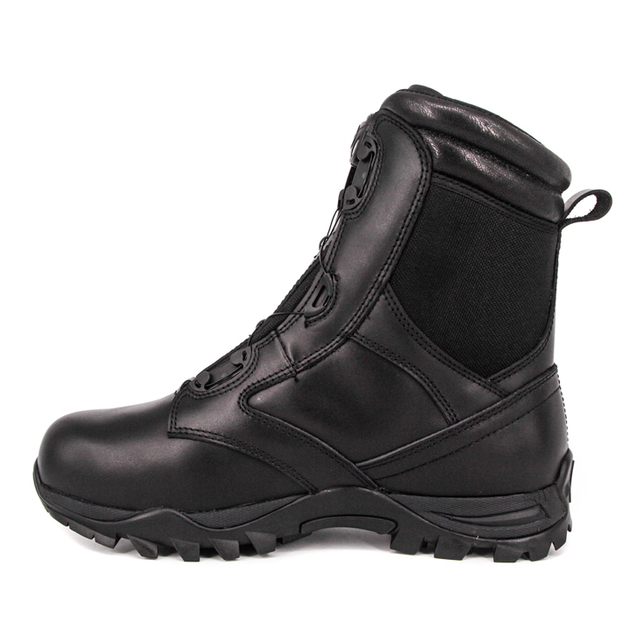
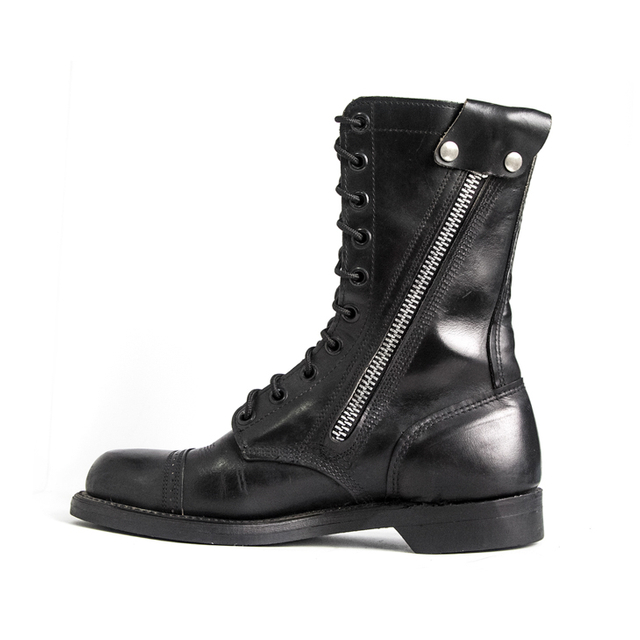
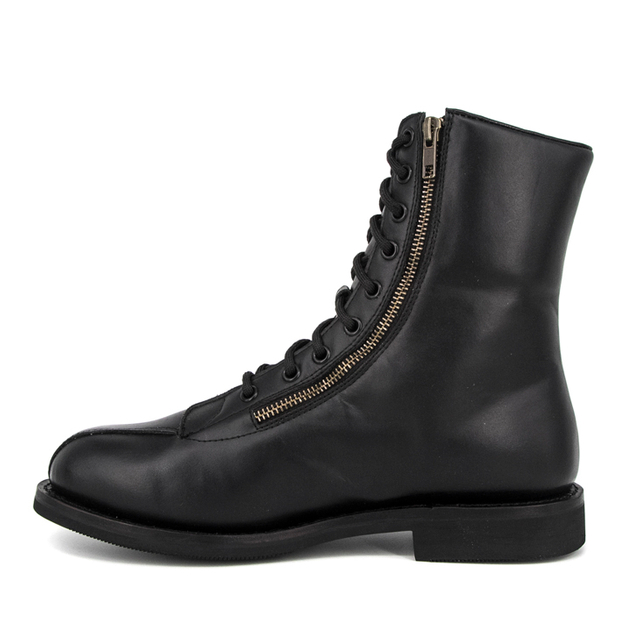
Military boots are designed to withstand the rigors of military operations, but their lifespan can vary depending on several factors. In this article, we will explore the factors that affect the lifespan of military boots, the average lifespan of different types of military boots, and how to properly care for and maintain military boots to extend their lifespan.
Factors affecting the lifespan of military boots
The lifespan of military boots can be influenced by a variety of factors, including the type of terrain they are used on, the frequency and intensity of use, and the quality of the materials and construction.
Terrain
Military boots are designed to provide support and protection on a variety of terrains, including rocky, muddy, and sandy surfaces. However, the type of terrain can have a significant impact on the lifespan of the boots. For example, rocky terrain can cause the soles of the boots to wear down more quickly, while muddy terrain can cause the boots to become saturated and lose their waterproofing properties.
Frequency and intensity of use
The frequency and intensity of use can also affect the lifespan of military boots. Boots that are used daily for long periods of time are likely to wear out more quickly than boots that are used less frequently or for shorter periods of time. Similarly, boots that are used for intense activities such as running or climbing are likely to wear out more quickly than boots that are used for less intense activities.
Quality of materials and construction
The quality of the materials and construction used in military boots can also have a significant impact on their lifespan. High-quality materials such as full-grain leather and Vibram soles are more durable and long-lasting than lower-quality materials. Similarly, boots that are well-constructed with reinforced seams and sturdy eyelets are likely to last longer than poorly constructed boots.
Proper fit
Wearing boots that do not fit properly can cause excessive wear and tear on the boots, as well as discomfort and injury to the wearer. Boots that are too tight can cause the soles to wear down more quickly, while boots that are too loose can cause the soles to separate from the upper part of the boot.
Climate
The climate in which military boots are used can also affect their lifespan. Boots that are used in hot and humid climates are likely to wear out more quickly due to the heat and moisture, while boots that are used in cold and dry climates are likely to last longer.
Average lifespan of military boots
The average lifespan of military boots can vary depending on the type of boot and the factors mentioned above. However, as a general rule, military boots can last anywhere from 6 months to 2 years with proper care and maintenance.
Combat boots
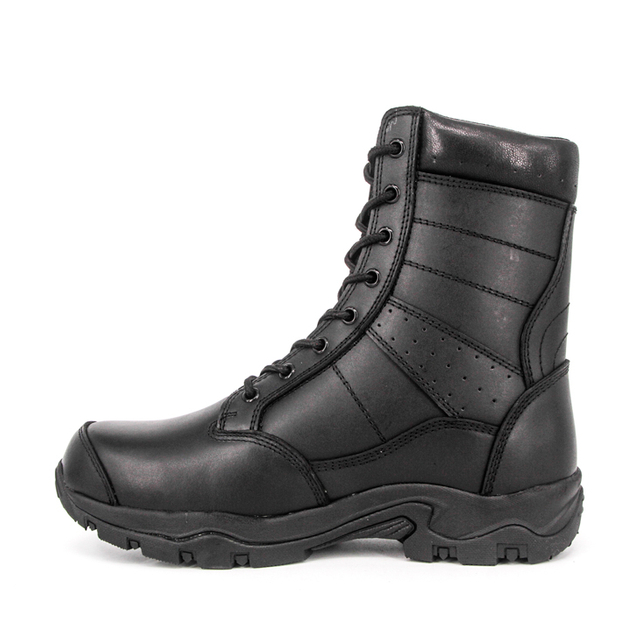
Combat boots are designed for rugged terrain and intense use, and can last anywhere from 6 months to 1 year with proper care and maintenance. These boots are typically made of high-quality leather and have reinforced soles and ankle support to withstand the rigors of combat.
Desert boots
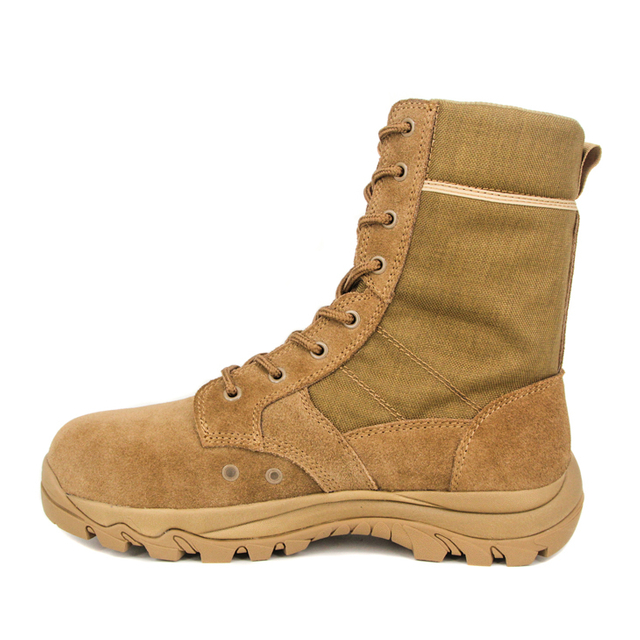
Desert boots are designed for hot and dry climates, and can last anywhere from 6 months to 1 year with proper care and maintenance. These boots are typically made of lightweight materials such as canvas or suede, and have breathable linings to keep the feet cool in hot weather.
Jungle boots
Jungle boots are designed for wet and humid climates, and can last anywhere from 6 months to 1 year with proper care and maintenance. These boots are typically made of waterproof materials such as Gore-Tex, and have drainage holes to allow water to escape.
Paratrooper boots
Paratrooper boots are designed for airborne operations, and can last anywhere from 1 to 2 years with proper care and maintenance. These boots are typically made of high-quality leather and have reinforced soles and ankle support to withstand the rigors of parachuting.
Specialized boots
Specialized boots, such as mountaineering boots or cold weather boots, can last anywhere from 1 to 2 years with proper care and maintenance. These boots are designed for specific environments and activities, and are typically made of high-quality materials such as Gore-Tex or Thinsulate.
Types of military boots
Military boots come in a variety of types, each designed for specific environments and activities. Here are some of the most common types of military boots:
Combat boots
Combat boots are the most common type of military boot and are designed for rugged terrain and intense use. They are typically made of high-quality leather and have reinforced soles and ankle support to withstand the rigors of combat.
Desert boots
Desert boots are designed for hot and dry climates, and are typically made of lightweight materials such as canvas or suede. They have breathable linings to keep the feet cool in hot weather, and may also have sandproof features to prevent sand from entering the boot.
Jungle boots
Jungle boots are designed for wet and humid climates, and are typically made of waterproof materials such as Gore-Tex. They have drainage holes to allow water to escape, and may also have anti-fungal treatments to prevent foot infections.
Paratrooper boots
Paratrooper boots are designed for airborne operations, and are typically made of high-quality leather. They have reinforced soles and ankle support to withstand the rigors of parachuting, and may also have features such as quick-release laces.
Specialized boots
Specialized boots, such as mountaineering boots or cold weather boots, are designed for specific environments and activities. They are typically made of high-quality materials such as Gore-Tex or Thinsulate, and may have features such as crampon attachments or insulation.
How to care for and maintain military boots
Proper care and maintenance is essential to extend the lifespan of military boots. Here are some tips on how to care for and maintain military boots:
Cleaning
Regular cleaning is important to remove dirt and debris that can cause damage to the boots. Use a soft brush or cloth to remove dirt, and a damp cloth to wipe down the surface. For stubborn stains, use a mild soap and water solution.
Conditioning
Conditioning the leather is important to keep it supple and prevent cracking. Use a high-quality leather conditioner and apply it evenly to the surface of the boot. Allow the conditioner to soak in before wiping off any excess.
Waterproofing
Waterproofing is essential to keep the feet dry in wet conditions. Use a high-quality waterproofing spray or cream, and apply it evenly to the surface of the boot. Allow the waterproofing to dry before wearing the boots.
Storage
Proper storage is important to prevent damage to the boots. Store the boots in a cool, dry place away from direct sunlight. Use boot trees or crumpled newspaper to help maintain the shape of the boots.
Repairs
Regular inspections of the boots can help identify any areas that need repair. Replace worn out laces and eyelets, and have any cracks or holes repaired by a professional cobbler.
Conclusion
In conclusion, the lifespan of military boots can vary depending on several factors, including the type of terrain, frequency and intensity of use, and the quality of materials and construction. However, with proper care and maintenance, military boots can last anywhere from 6 months to 2 years. It is important to choose the right type of military boot for the specific environment and activity, and to follow proper cleaning, conditioning, waterproofing, storage, and repair procedures to extend the lifespan of the boots.