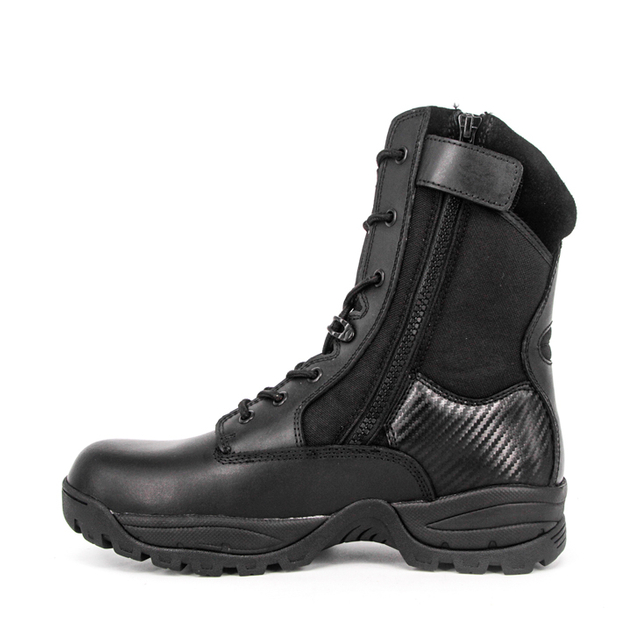
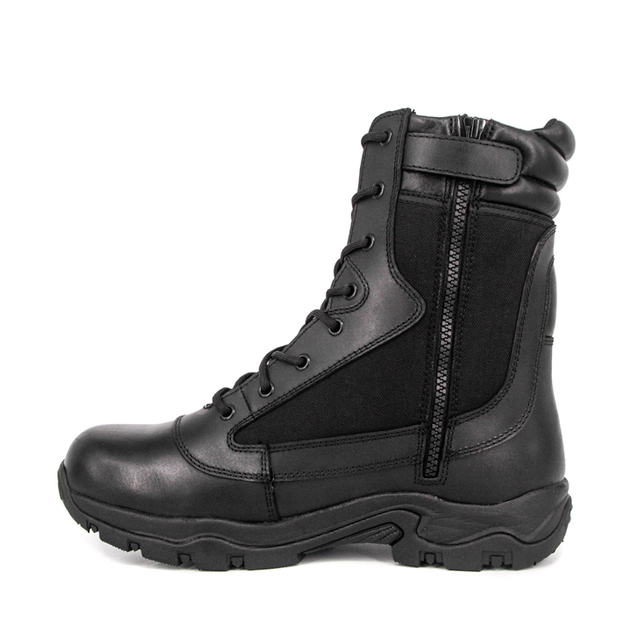
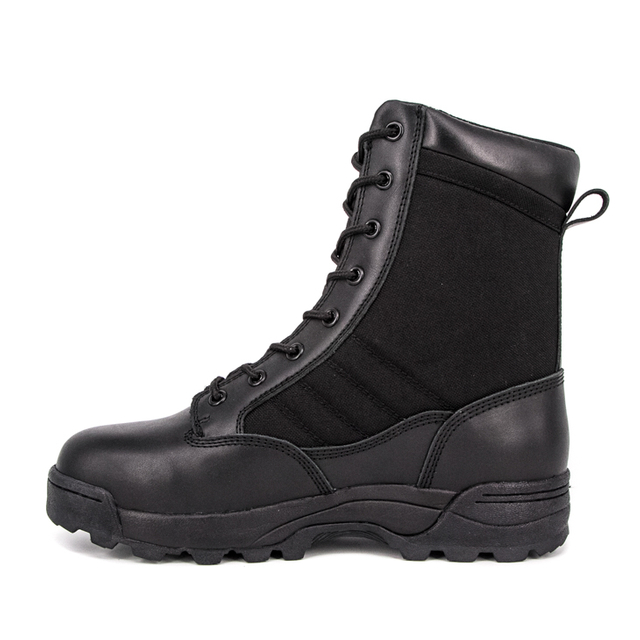
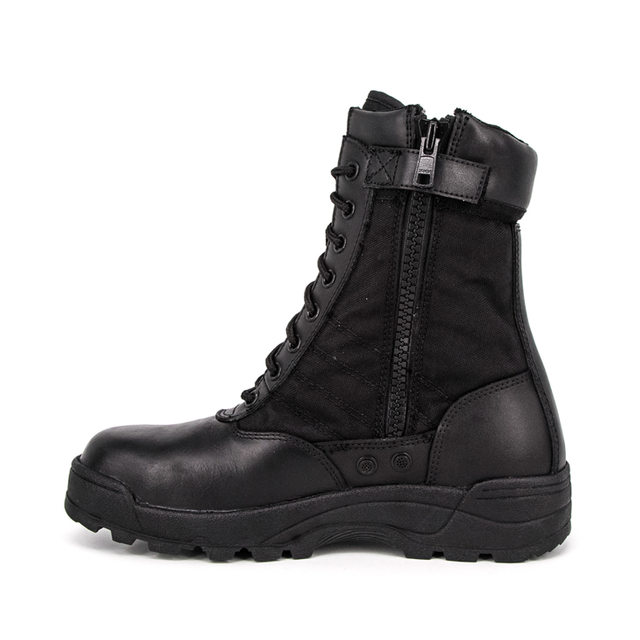
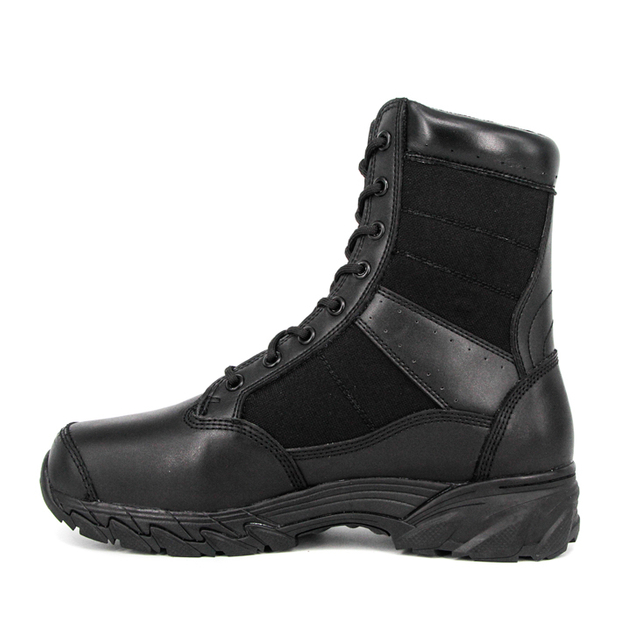
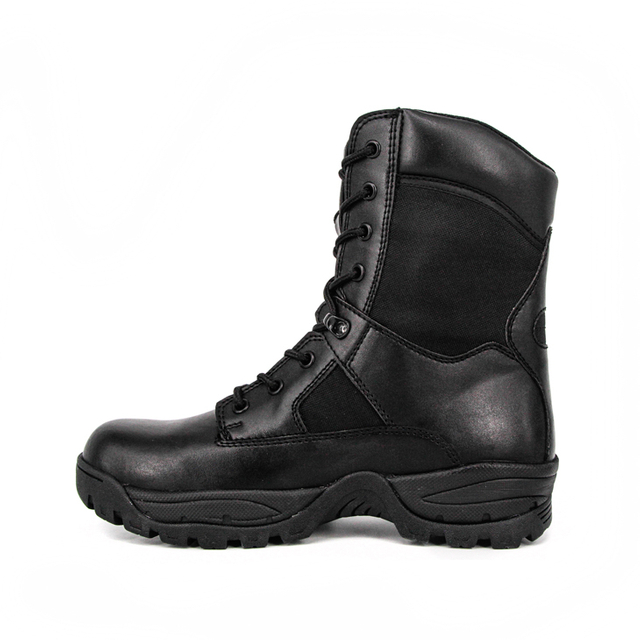
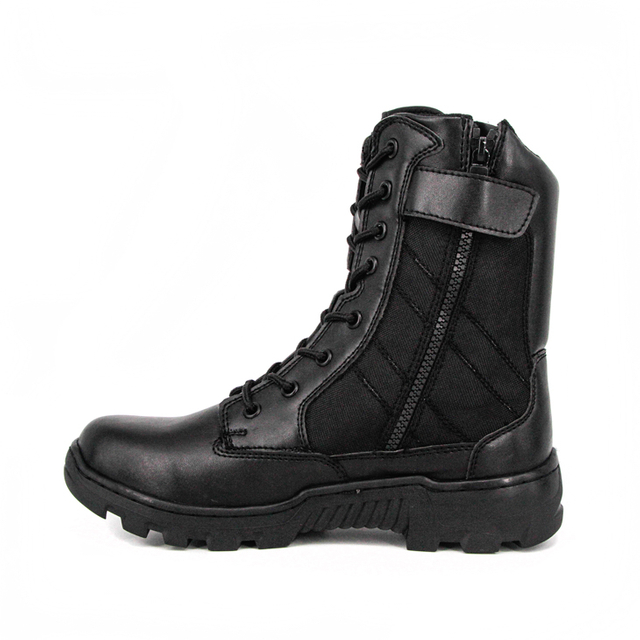
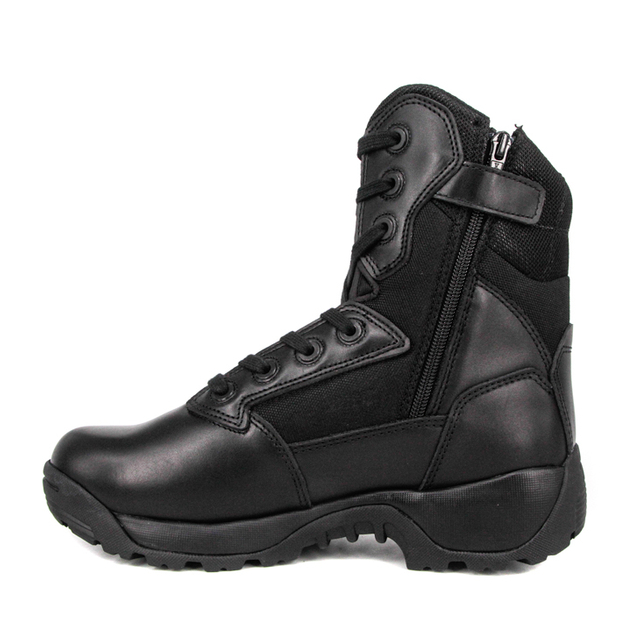
"Quality" often serves as an overused buzzword in footwear manufacturing. This term frequently masks deep inconsistencies across production lines. B2B buyers rightfully approach new suppliers with heavy skepticism. In mass production, true quality is not an abstract concept. We define it rigidly by minimizing batch variance and eliminating catastrophic failures at scale. You cannot afford sole detachment or membrane leaks when outfitting entire operational units. These failures shatter brand reputations. They also jeopardize lucrative government contracts and institutional tenders.
We want to open the black box of our manufacturing facility. Our goal is to show you exactly how we operate behind closed doors. You will learn the specific Standard Operating Procedures (SOPs) governing our assembly lines. We will detail the rigorous testing frameworks and compliance benchmarks guiding every order. By unpacking these highly controlled methods, we reveal how you can protect your supply chain. You will see how our processes guarantee flawless performance for your end-users.
Key Takeaways
Consistent bulk production requires moving past the "toughest materials" myth and focusing on engineered trade-offs (e.g., durability vs. weight).
Our in-line quality control directly prevents high-frequency return issues, such as "fake waterproofing" and sole separation, common in poorly managed factory lines.
Every batch of bulk tactical boots undergoes rigorous destructive testing aligned with MIL-PRF-32243, EN ISO 20345, and ASTM F2413 standards.
Scaling from a prototype to full production relies on a controlled 6-step QA scale-up process, ensuring the 10,000th pair performs exactly like the approved sample.
Procurement officers and brand owners rarely switch suppliers over minor aesthetic preferences. They leave because inconsistent manufacturing directly damages their bottom line. When a factory takes unseen shortcuts, return rates inevitably skyrocket. You face severe financial penalties and permanently damaged client trust. A single flawed production run can instantly ruin years of hard-won brand equity. This makes supplier selection a high-stakes decision.
Let us look at the genuine voice of the end-user. Tactical operators frequently complain about boots pinching wide feet. They suffer through non-breathable interiors feeling like "wet sponges" during intense physical exertion. These field complaints directly translate into catastrophic B2B procurement failures. If a soldier or law enforcement officer cannot perform comfortably, the purchasing agency will not renew your contract. End-user discomfort always travels upstream to the buyer.
Our manufacturing mandate tackles these exact risks head-on. We build every production line around absolute predictability. We enforce strict dimensional tolerances across all shoe sizes and widths. You receive verifiable compliance data for every single production run. This strict mandate ensures you deliver reliable gear to professionals relying on it.
Raw Material Verification: Engineering the Right Trade-Offs
Pre-production quality assurance begins long before materials reach the cutting floor. We rigorously inspect inbound shipments for absolute consistency. Leather hides undergo strict thickness and blemish checks using digital gauges. Fabrics face intense tensile strength evaluations. We reject any batch failing our baseline metrics. This prevents defective materials from ever entering the assembly phase.
Many buyers fall into the dangerous "tough boot" trap. Blindly selecting the thickest leather creates rigid, unwearable footwear. These overbuilt boots cause painful blisters and severely restrict agile movement. Instead, we carefully engineer specific material trade-offs. We balance high-denier nylon for crucial breathability against top-quality suede or full-grain cowhide for heavy abrasion resistance. This hybrid approach ensures maximum flexibility without sacrificing the boot's lifespan.
Waterproofing membranes also require intense laboratory scrutiny. We subject incoming PTFE membranes to strict hydrostatic and breathability tests. They must allow sweat vapor to escape rapidly during heavy exertion. Failing to vent moisture creates a dangerous "greenhouse effect" inside the footwear. Our inbound checks prevent this entirely. Operators stay dry from both outside rain and internal sweat accumulation.
Component | Common Misconception | Our Engineered Trade-Off | Verification Method |
Upper Material | Thicker full-grain leather is always better for durability. | Hybrid design: High-wear zones use suede/leather; low-wear zones use 1000D nylon to reduce weight. | Tensile strength testing and digital thickness gauging. |
Waterproof Lining | Completely sealed plastic linings keep water out best. | PTFE membranes trap liquid water but allow microscopic vapor (sweat) to vent. | Hydrostatic head testing and moisture vapor transmission rate (MVTR) checks. |
Outsole Compound | Hardest rubber prevents tread wear permanently. | Blended compounds offer grip on wet surfaces while maintaining acceptable longevity. | Abrasion resistance drums and SRA/SRB slip testing. |
In-Line Production Controls for Bulk Tactical Boots
Process supervision separates reliable factories from highly inconsistent ones. We implement strict quality gates across all major molding techniques. Whether using Cement construction, Goodyear welt, or Mold Pressing, mid-production checks remain mandatory. This is how we confidently produce bulk tactical boots for global clients.
Eliminating Sole Detachment (Cement & Pressing)
Sole separation remains a primary cause of tactical footwear failure. We eliminate this major defect by enforcing precise temperature and humidity controls on the factory floor. Polyurethane (PU), SBS adhesives, and chloroprene rubber bonding agents require exact environmental conditions to cure properly. We monitor these climate variables continuously.
Surface preparation acts as the foundation of strong adhesive bonding. We meticulously clean and rough the upper material before applying any chemical primer. Workers apply primer and cement in highly controlled, even layers. Skipping these crucial preparation steps causes immediate delamination in the field. Our in-line SOPs prevent these specific assembly shortcuts entirely.
Stitching and Structural Integrity
High-stress seams demand robust reinforcement. We require double or triple stitching along all critical flex points. This prevents blowouts during demanding tactical maneuvers. We regularly check stitch-per-inch (SPI) counts to maintain uniform thread tension.
Maintaining uniform fit across thousands of units poses a major challenge. We strictly control toe box dimensions and heel drop parameters. Every operator receives the exact same anatomical support. A predictable fit reduces field injuries and virtually eliminates sizing-related returns. Our quality inspectors measure random samples from the line using precision calipers.
Destructive Testing and Global Compliance Standards
Evidence-oriented testing replaces subjective marketing claims. A tactical boot is only as reliable as its strictly measurable failure point. We rely on hard laboratory data to validate our manufacturing process. We want you to see the exact numbers proving our footwear's resilience.
We utilize rigorous physical tests to verify maximum durability across all batches.
Sole Adhesion Strength Testing: We pull-test outsoles using specialized hydraulic machinery. This measures the exact kilogram-force required to separate the sole from the upper.
Flexing Resistance: We bend the footwear thousands of cycles on a machine. This simulates harsh terrain movement. It exposes premature upper cracking or hidden midsole failures long before shipment.
Slip & Waterproofing Audits: We perform extensive dynamic submersion tests. We also evaluate traction across varied surfaces, simulating oil, water, and loose terrain environments.
Regulatory Benchmarks
Our testing aligns strictly with global military and occupational safety standards. We manufacture bulk tactical boots fully compliant with demanding MIL-PRF-32243 and AR 670-1 regulations. We also meet EN ISO 20345 and ASTM F2413 requirements for protective safety features. This alignment ensures your order clears customs effortlessly. It guarantees you meet strict end-user safety mandates without any compliance friction.
Standard / Benchmark | Region / Sector | Key Testing Focus |
MIL-PRF-32243 | US Military | Combat boot specifications, structural integrity, and material durability. |
AR 670-1 | US Army | Uniform compliance, exact height requirements, and specific color/material codes. |
EN ISO 20345 | European Union | Occupational safety, toe protection (200 Joules impact), and slip resistance. |
ASTM F2413 | North America | Protective footwear performance, impact resistance, and electrical hazard defense. |
From Prototype to Volume: The Controlled Scale-Up
B2B buyers often fear the common scalability trap. The first 50 sample pairs look absolutely perfect, but the next 5,000 cut critical corners. We address this scalability reality through a meticulously engineered transition. You will never experience a quality drop between your prototype and your final container load.
Our transition SOP moves orders smoothly from the 7-10 day sample approval phase into controlled mass production. We do not just flip a switch and run the machines. We implement a deliberate, multi-stage scale-up process.
Material standardization and bulk procurement verification.
Calibration of cutting dies and heavy molding equipment.
Pilot run production limited to exactly 100-200 pairs.
Intensive in-line QA auditing of the entire pilot run.
Adjustment of primer curing times and mechanical stitch tensions.
Full volume rollout with continuous station monitoring.
Tooling and last consistency play crucial roles during this phase. We aggressively manage mold wear and tear. The shoe last must maintain its exact anatomical shape over thousands of compression cycles. This strict consistency proves crucial for accommodating wide feet. It provides proper arch support throughout the entire production run.
Conclusion
Partnering with a transparent manufacturer mitigates severe supply chain risks. Engineered precision and verified data always outperform exaggerated marketing claims. You need a factory operating strictly on hard metrics and repeatable processes. When you minimize batch variance, you protect your brand's reputation.
Before signing any high-volume contract, buyers should implement a strict shortlisting framework. Demand to see comprehensive laboratory testing logs. Request exact material certifications for leathers and membranes. Review the factory's in-line QA SOPs directly to ensure they actually exist.
Procurement teams can securely source bulk tactical boots by partnering with us. We invite you to review our extensive compliance documentation. Request a technical sample today, or schedule a comprehensive facility audit to see our quality controls in action.
FAQ
Q: How do you ensure consistency across different outsole materials (Rubber vs. PU vs. TPR) in a single bulk order?
A: We program our production machinery differently for each specific compound. We detail specific curing times and adhesion QA protocols tailored to each polymer's unique chemical properties. Rubber requires different primer application and drying phases compared to Polyurethane or TPR. Our line supervisors continuously monitor ambient factory temperatures to prevent bonding failures.
Q: Can we customize compliance standards for specific regional markets?
A: Yes. We maintain the engineering capacity to adjust critical safety features to meet localized EN or ASTM requirements. We can seamlessly integrate composite safety toes, puncture-resistant midsoles, or anti-static properties into your specific design. Our development team ensures the final product clears your regional customs and safety audits.
Q: Does scaling to bulk tactical boots negatively impact the waterproof reliability?
A: No. We address scaling risks by implementing automated seam-sealing checks on the assembly line. Our hydrostatic testing prevents scale-up defects in waterproof linings like Gore-Tex or our proprietary breathable membranes. Every batch undergoes randomized dynamic water submersion tests before we approve the lot for final packaging.
Q: Do you support third-party QC inspections before shipment?
A: Absolutely. We maintain a highly transparent policy welcoming external auditing firms like Pro QC or SGS. These inspectors can freely verify dimensional tolerances, visual defects, and functional testing prior to final container loading. We believe verifiable data builds long-term trust with our B2B procurement partners.