Views: 5 Author: Site Editor Publish Time: 2022-11-24 Origin: Site
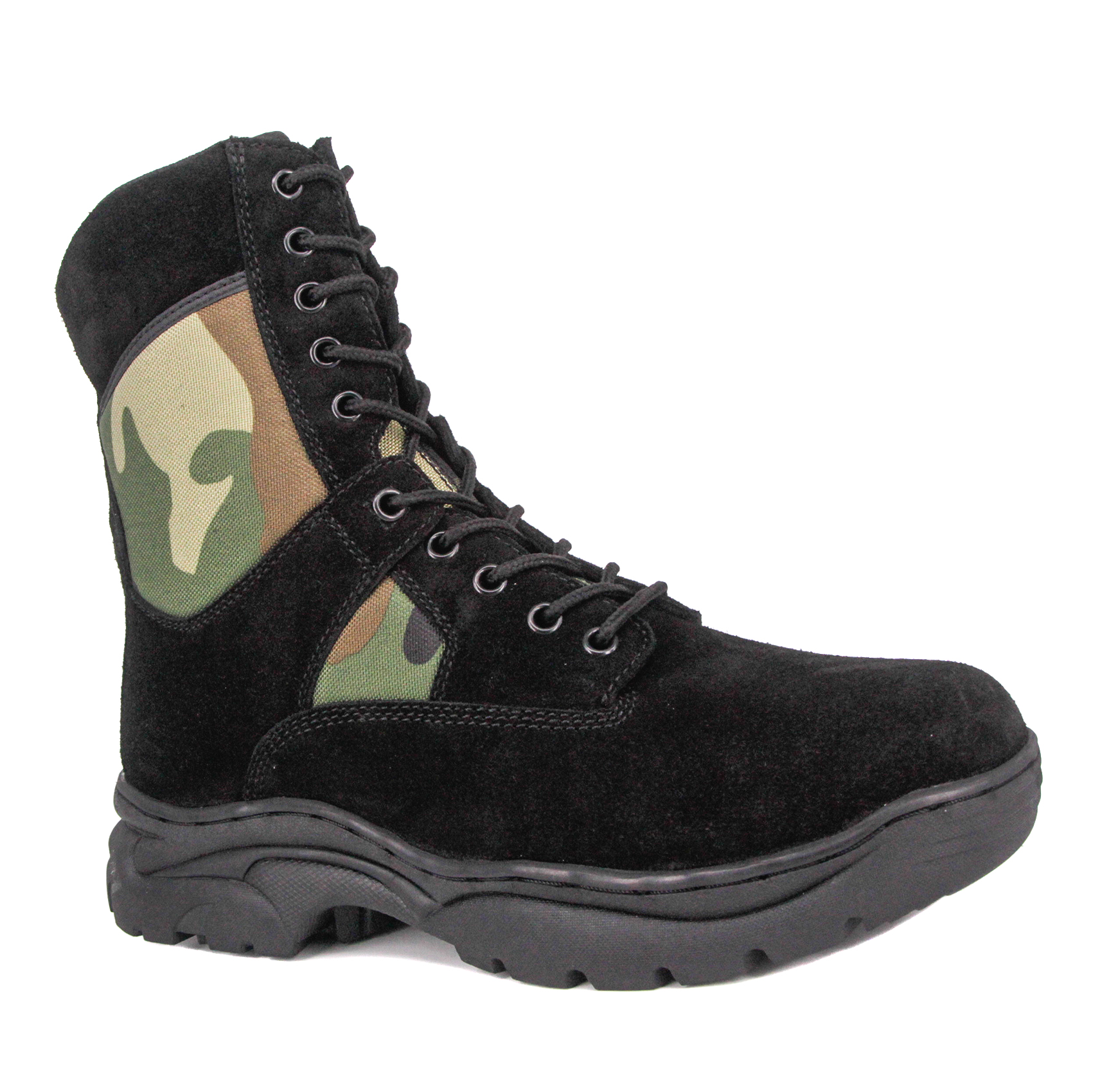
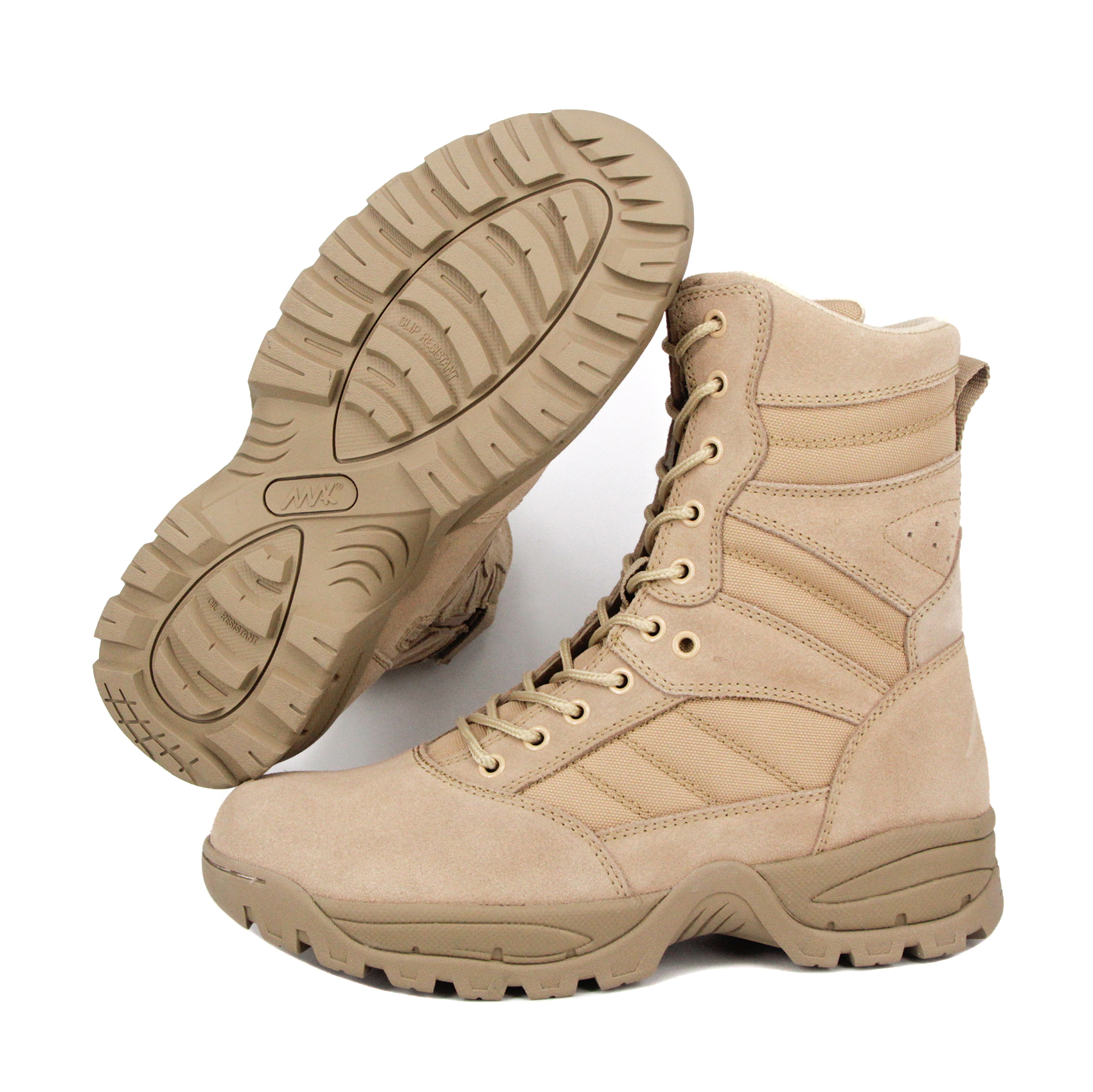
Military boots are very heavy. Why do soldiers choose military boots instead of comfortable sneakers?

Military boots look bulky, but they are very useful. The intensity of training in the army is very large, and there are also some difficult movements.So Military boots play a very important role in protecting our soldiers' ankles.
Secondly, the training of soldiers is not only on land, but also on water. The military boot can not only play the role of waterproof, but also its upper is high. The water can not enter the boots. This will provide a dry environment for soldiers' feet.
When during training or performing tasks, soldiers will enter the forest or some places with lush vegetation. There are many mosquitoes and snakes in these places. So military boots can also protect soldiers from mosquitoes or snakes. So military boot is the best choice for soldiers.

Prolonged standing during ceremonies, inspections, and daily administrative duties takes a severe physical toll on the body. Static standing on hard surfaces like concrete parade decks transfers immense pressure through the lower extremities.
Procuring tactical footwear at scale carries immense operational stakes. Substandard boots directly impact personnel safety, mission readiness, and long-term budget efficiency.
Deploying into tropical environments guarantees your feet will get wet. Moisture acts as a constant operational hazard, not an occasional inconvenience. You face a strict footwear dilemma: try to block water from entering, or let it drain out fast.
Aviation environments present unique hazards that standard tactical footwear cannot mitigate, making the selection of specialized footwear a mandatory safety and compliance decision.
Procuring footwear for government agencies requires balancing strict budgets against the demand for high-performance gear. Institutional buyers and quartermasters navigate a fragmented market filled with complex compliance standards and fluctuating supply chains.
Foot health dictates officer safety, endurance, and focus during grueling 10- to 12-hour shifts. The persistent dilemma involves selecting footwear that blocks external moisture versus footwear that vents internal heat.
Law enforcement and first responder footwear has shifted heavily toward rapid-deployment designs over the last decade. Patrol officers, paramedics, and security personnel increasingly rely on side-zip models to meet demanding shift requirements.
Law enforcement patrol work physically breaks down the human body over time. You spend 12-hour shifts standing on asphalt, running through unpredictable terrain, and carrying 20 to 30 pounds of gear on your duty belt and vest.