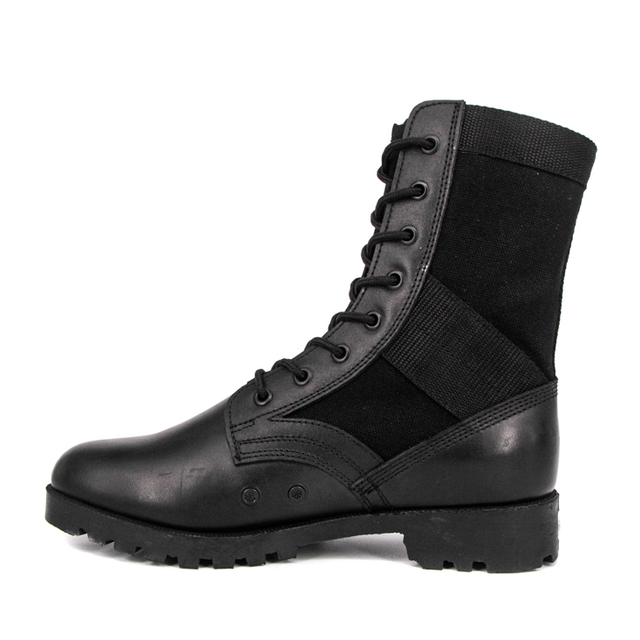
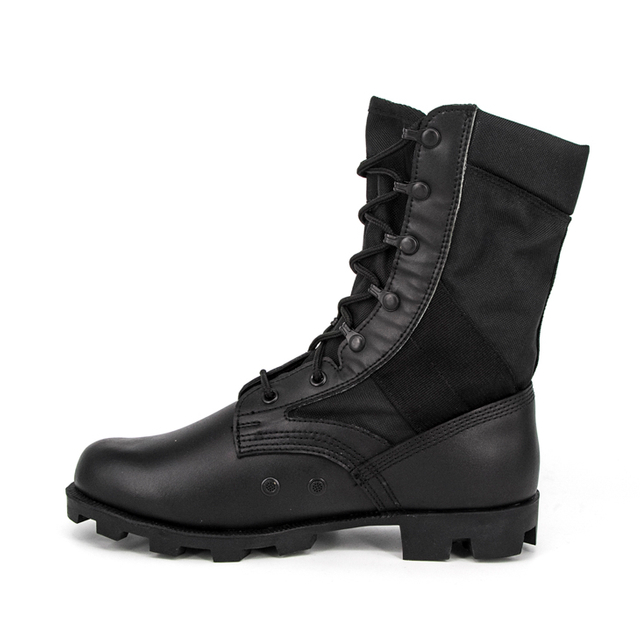
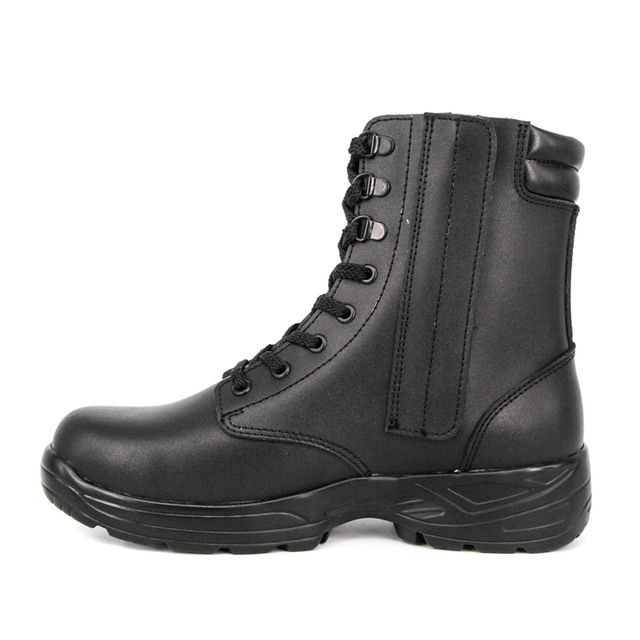
The equipment of the special forces, including the clothes to be worn, is exquisite, and everyone is a bit curious about these small details. For example, there are a lot of special forces sports. Why not wear sports shoes to exercise, and wear military boots that are stuffy and heavy?
Most soldiers or police officers wear military boots. Do military boots have any special effect?
Military boots have been widely equipped in the military and police teams and become the basic configuration of combat personnel. Generally speaking, they are set according to different operational environment needs. For example, special police tactical boots are designed for use in urban environments. The target of military boots are special forces. Because the missions of special forces are mostly hidden and high-risk, the special boots are mostly soft materials, and the boots are also more Fine, this design is mainly for the following reasons.
One is to eliminate sound.
The second is to prevent slipping on the flat ground. On the wet land with water, the water on the ground is quickly discharged to the two sides through wide grooves of texture. The wear resistance of the bottom of the military boots is far more than that of ordinary boots.
In addition, the special police's mission environment is far from the mission environment of the special forces, so the police boots have a sponge lining in the boots to increase comfort, but the military boots are different, wading at any time, so the military boots are mostly single-layer (lower Cost), and the permeability is also better, for the military boots, the first use and economy (because of the harsh operating environment, consider the life of the military boots)!
In addition, someone has misunderstanding of the military boots, and thinks that wearing military boots will run faster. In fact, military boots are not suitable for violent sports, especially fast running. Mainly to provide a fairly complete protection for the soldiers' feet, such as anti-twist, anti-puncture, insect bite and so on. Of course, Milforce developed military boots suitable for violent sports based on new technologies. Welcome to contact.
Some people have misunderstood that military boots will put steel plates in them in order to better protect the soldiers' feet!
In fact, there is no steel plate inside. The boots with steel plates are labor insurance shoes. The combat boots that the troops distribute are mostly the first layer of cowhide. The part of the boot is made of high-density refractory nylon material. The interlayer is Kevlar material. Layered fabric, the sole is a rubberized outsole with a cast inner body, the inner sole is made of cowhide material, and the inner bottom heel has three nails.
Prolonged standing during ceremonies, inspections, and daily administrative duties takes a severe physical toll on the body. Static standing on hard surfaces like concrete parade decks transfers immense pressure through the lower extremities.
Deploying into tropical environments guarantees your feet will get wet. Moisture acts as a constant operational hazard, not an occasional inconvenience. You face a strict footwear dilemma: try to block water from entering, or let it drain out fast.
Aviation environments present unique hazards that standard tactical footwear cannot mitigate, making the selection of specialized footwear a mandatory safety and compliance decision.
Procuring footwear for government agencies requires balancing strict budgets against the demand for high-performance gear. Institutional buyers and quartermasters navigate a fragmented market filled with complex compliance standards and fluctuating supply chains.
Foot health dictates officer safety, endurance, and focus during grueling 10- to 12-hour shifts. The persistent dilemma involves selecting footwear that blocks external moisture versus footwear that vents internal heat.
Law enforcement and first responder footwear has shifted heavily toward rapid-deployment designs over the last decade. Patrol officers, paramedics, and security personnel increasingly rely on side-zip models to meet demanding shift requirements.
Law enforcement patrol work physically breaks down the human body over time. You spend 12-hour shifts standing on asphalt, running through unpredictable terrain, and carrying 20 to 30 pounds of gear on your duty belt and vest.