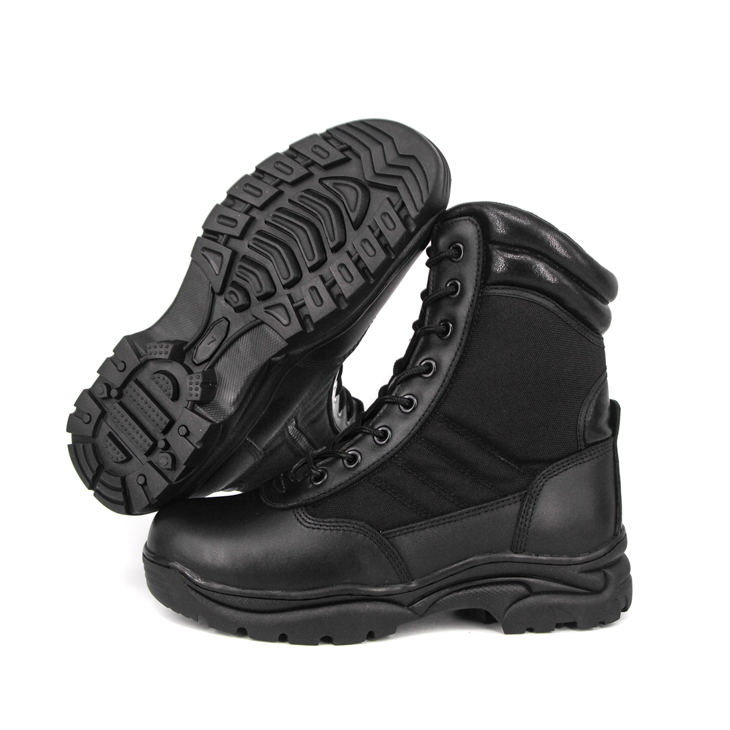
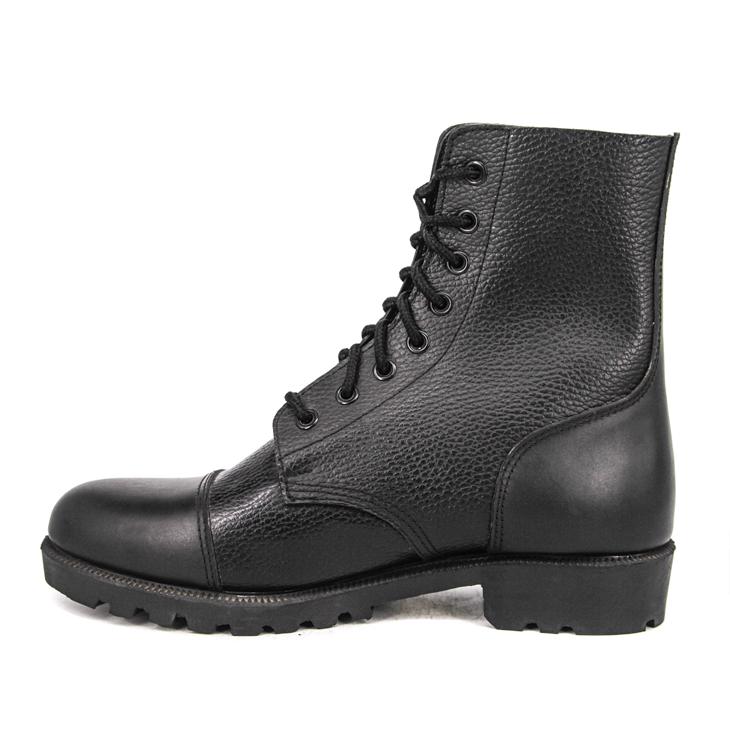
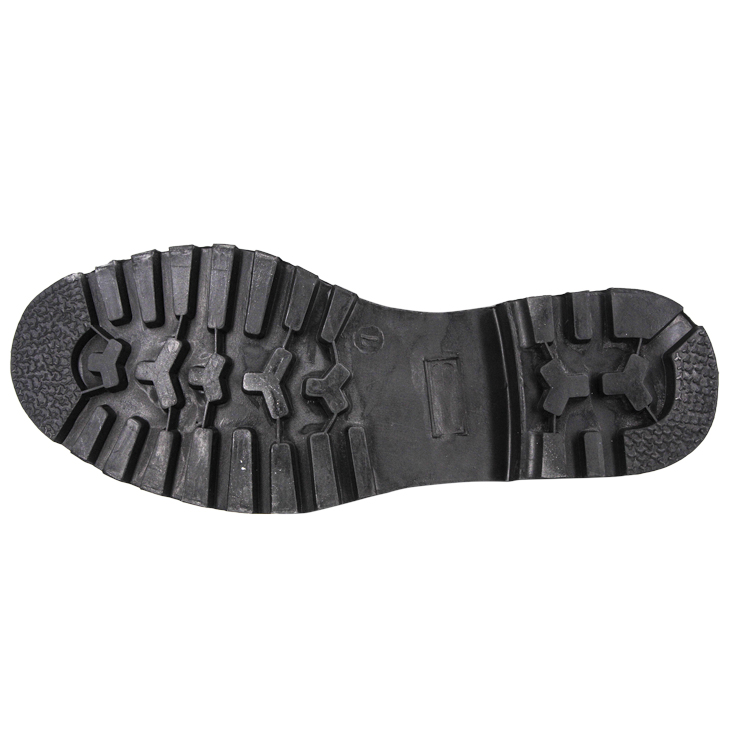
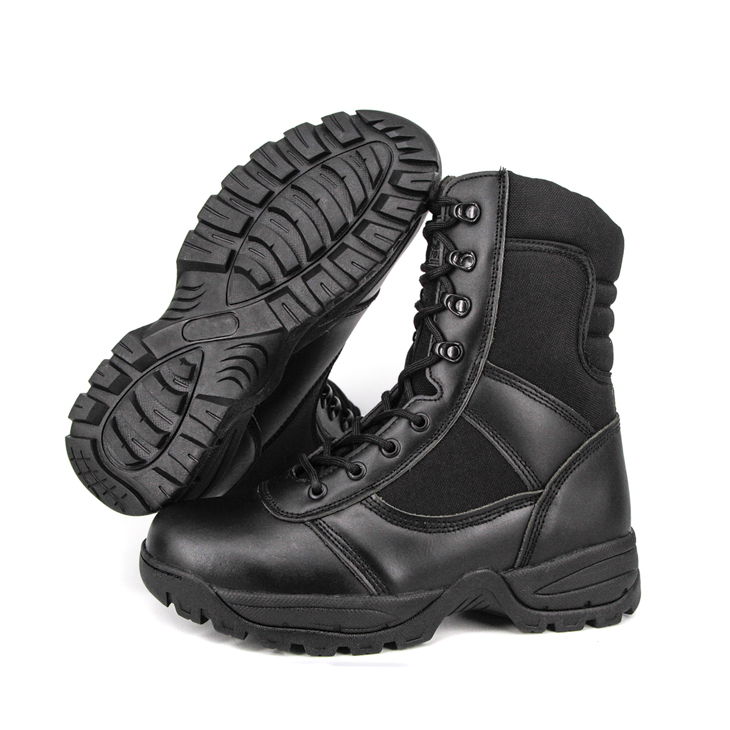
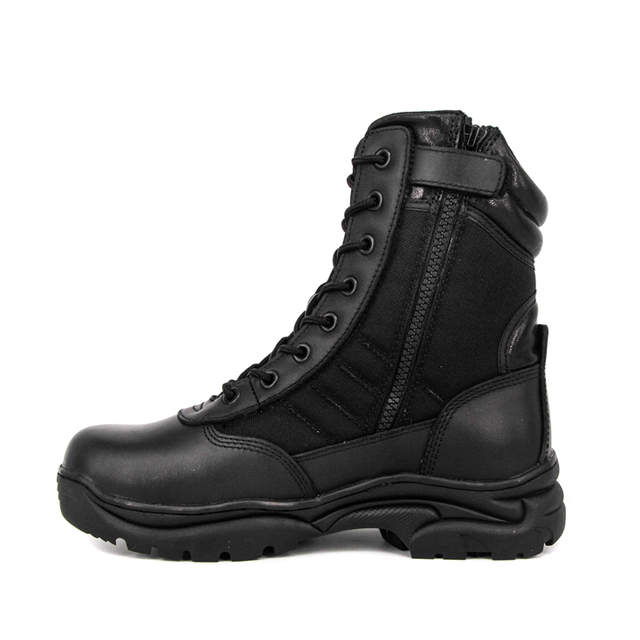
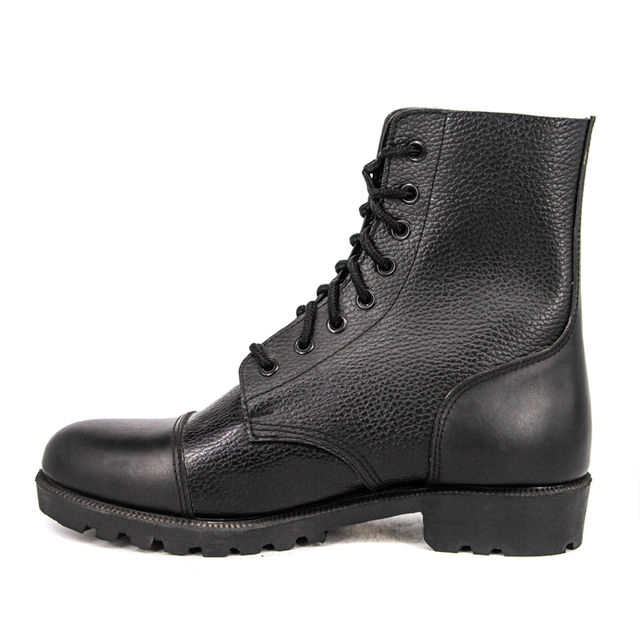
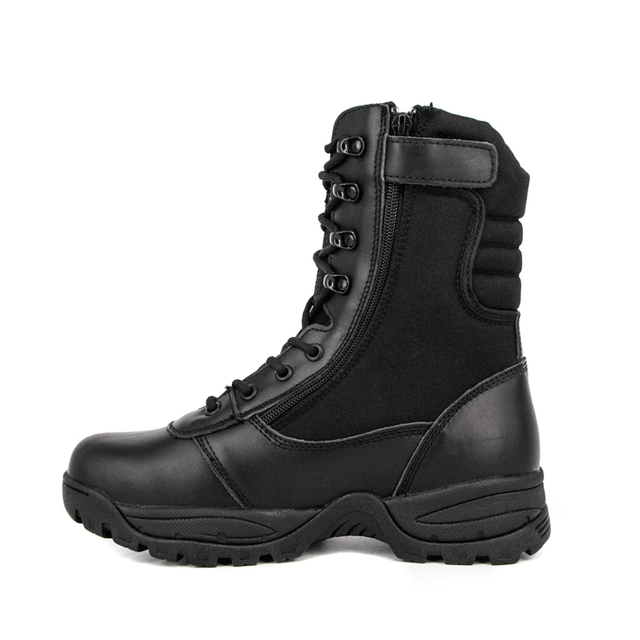
The structure of military boots soles is rather complicated. In general, it can include all the bottom materials, such as the outsole, the middle sole and the heel. The common characteristics of the sole material should be wear-resistant, water resistant, oil resistant, high temperature resistant, pressure resistant, impact resistant, elastic, easy to fit the foot type, deformation resistance, moisture absorption and so on. At the same time, it is more necessary to cooperate with the middle bottom. The most common military boots sole is rubber, PU, TPR, MD.
PU is the abbreviation of polyurethane, it is a kind of polymer material, it is made of A/B/C polyester material, and it is divided into two kinds of oil and water. It is a new organic polymer material. It is known as "the fifth largest plastic" and is used to produce high-grade leather shoes, sports shoes and travel shoes. Its advantages: low density, soft texture, good elasticity, comfortable and light, good oxidation resistance, excellent wear resistance, high hardness; excellent damping and skid resistance; good temperature resistance; good chemical resistance; perishable and environmentally friendly, not easy to wrinkle. Disadvantages: strong water absorption, yellowing, easy to break, poor elongation, poor ventilation.
RB is the abbreviation of rubber. Hot compression molding, divided into natural rubber and reclaimed rubber. Hot pressing plastic forming technology is generally used in rubber. Many buyers choose the picture, because of rubber sole. Advantages: good abrasion resistance, skid resistance, elasticity, no breakage, good softness, good elongation, stable shrinkage, good hardness, good bending property and waterproof. But people who like agility don’t buy the boots owned rubber sole. Rubber sole is heavy, not easy to corrode, not hard, easy to be pierced, oil soaking, should not be in the car gas station and other places to contact oil. To solve the problem of rubber weight, we have introduced composite sole called MD.
MD sole also called PHYLON sole, commonly known as Combined sole, is a kind of shoe sole material, is light, elastic and good sock absorption, hardness is controlled by the foaming temperature. Look at the right side picture, 4201 black tactical boots can be used for a long time, old man, young man, child can choose the MD sole, they have no fatigue after long time and their spine can be protected. In our order, customers who choose the shoe sole of MD is the most proportions. Our factory sews at the toe and heel parts to keep the fastness of MD sole. With the progress of the times, the shoe sole of TFR has been forgotten gradually.
Police, soldier, warrior, common people all can choose above three soles. For the elderly, we suggest MD sole is the best choice. If the boots in front of you have the design you want, near perfect radiance, and the most fashionable color, light and reasonable price, you just love it at first sight. Unfortunately, the sole material is not good, we advise you to choose to brush past. Choosing soft and elastic soles can disperse impact force evenly. How far we can go on the road, it depends on the comfort and wear resistance of the soles. Milforce was established in 1984. It's a long history to make comfortable and wonderful boots. If you are looking for the right military boots, desert boots, and so on, we are the ones you can consider.
Procuring footwear for government agencies requires balancing strict budgets against the demand for high-performance gear. Institutional buyers and quartermasters navigate a fragmented market filled with complex compliance standards and fluctuating supply chains.
Foot health dictates officer safety, endurance, and focus during grueling 10- to 12-hour shifts. The persistent dilemma involves selecting footwear that blocks external moisture versus footwear that vents internal heat.
Law enforcement and first responder footwear has shifted heavily toward rapid-deployment designs over the last decade. Patrol officers, paramedics, and security personnel increasingly rely on side-zip models to meet demanding shift requirements.
Law enforcement patrol work physically breaks down the human body over time. You spend 12-hour shifts standing on asphalt, running through unpredictable terrain, and carrying 20 to 30 pounds of gear on your duty belt and vest.
Choosing the right military desert boots is essential for users who operate in hot, dry, and challenging environments. Unlike ordinary outdoor footwear, military desert boots need to provide a balance of breathability, durability, traction, protection, and long-term wearing comfort.
Waterproof military desert boots may sound unusual at first. Desert environments are often associated with heat, sand, dust, and dry weather, so many buyers assume that waterproof protection is unnecessary. In reality, military and tactical users may face more complex conditions than pure dry sand.
Military desert boots used in the Middle East and Saudi Arabia need to handle more than high temperatures. These regions can include open desert, rocky ground, fine sand, dry roads, temporary camps, vehicle areas, and occasional wet or muddy surfaces.