With the release of various military films in China, the concept of tactics and Special Forces has become a new fashion for many people to dress up. How to dress up is enough tactics? just as the old saying goes:There are a thousand Hamlets in a thousand people's eyes. This fixed answer is hard to have, but the definition of tactics has never changed. : Give the equipment more professional protection, that is, "professional things are reserved for professional people."
Today we will briefly introduce the two classic Milforce combat boots: 7214 and 4244.
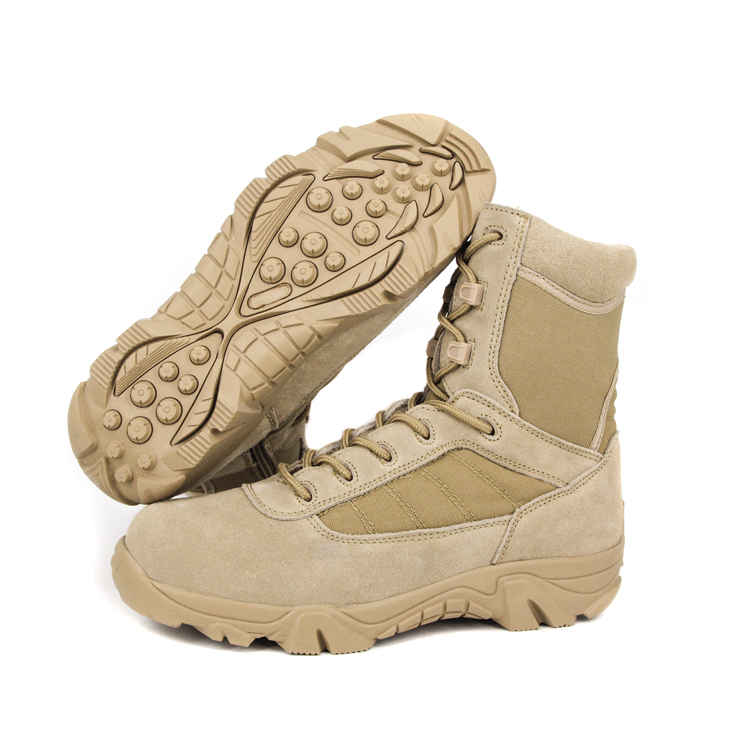
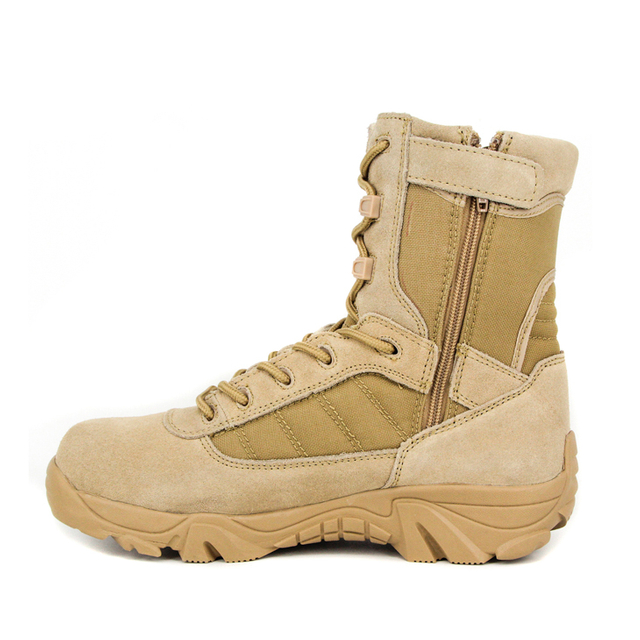
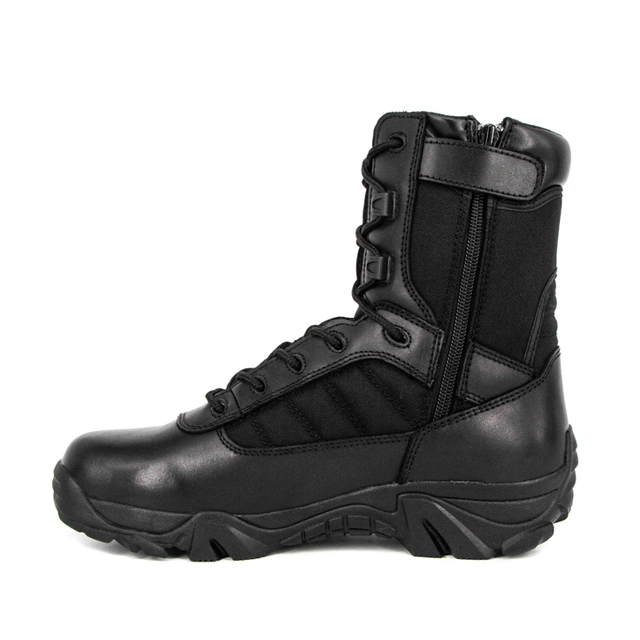
Black and sand are the two most common colors in military boots. These two tactical boots are basically the same in color except for the different colors. The black leather uses the top grain leather and the sand color is suede.
These two shoes are classic models in Milforce. The 8-inch high-top style is also the style of typical American boots. The benefits of high-top shoes can protect the ankles to the utmost extent, but it will also increase the weight of the shoes. The tactical boots, the two biggest benefits are the use of the strongest 1000D tear-proof nylon fabric, the internal use of waterproof coating and warm fabric, can effectively keep the soles dry, breathable filling material warm function is also very good, positive Suitable for the cold areas of the majority of the country.
The main part of the upper part is designed with waterproof cowhide and nylon material. With the advantages of solid leather and texture, it is matched with breathable and wear-resistant nylon fabric, which can greatly ensure the development of various sports. And those who have a little wearing experience know that compared to the 5, 6-inch body, the most difficult thing about the 8-inch high-top is the wearable and portable. This is obviously the Milforce with many years of military and police boots. Have mature thinking. Of course, this is also the way most of the 8-inch high-top boots are taken, that is, the side is provided with a zipper to ensure that it can be worn quickly.
In order to prevent accidental zipper untie, 7214 and 4244 are equipped with zipper shackles to protect the zipper head in a covered form. The front side is the binding design of the conventional shoe rope perforation. The military standard rope ensures the strength of the shoe rope, and the black body has a hook to make the loose shoes and the tight shoes easier.
The most important thing about boots, or all the military boots, is the wear-resistant anti-slip of the sole. In mountaineering and combat boots, the support of the sole and the protection of the soles should be strengthened. Through the anti-slip design of the forefoot and the forefoot, the forefoot can achieve the purpose of anti-slip after grasping the back palm, and the same bumped nail is beneficial for better stability. Also in response to tactical movements, Milforce has a non-slip texture on the heel to ensure that the heel climbs, abuts, and even plays better on the heel. This kind of protection for the heel can be seen in the big tactics. The biggest advantage is that the protection heel receives unnecessary damage. After all, the obstacles in front of him can be avoided, but there is no eye behind.
Based on the American round toe cap, Milforce is lined with a non-metallic reinforcing material on the toe cap to support the toe cap to prevent bruises on the forefoot. The upturned structure of the sole can protect the forefoot in climbing, kicking, mortgage, etc., and can also increase the wear resistance of the boot.
The 8-inch upper protects the ankle and the lower leg from injury. At the same time, the back side is too high and the wearing is increased. The two shoes are sponge-filled in the ankle and fine leather on the outside. The retaining ring is also more convenient for wearing.
Today's two classic boots evaluations are here, I hope to give you a reference to the experience, See you next time!
Prolonged standing during ceremonies, inspections, and daily administrative duties takes a severe physical toll on the body. Static standing on hard surfaces like concrete parade decks transfers immense pressure through the lower extremities.
Deploying into tropical environments guarantees your feet will get wet. Moisture acts as a constant operational hazard, not an occasional inconvenience. You face a strict footwear dilemma: try to block water from entering, or let it drain out fast.
Aviation environments present unique hazards that standard tactical footwear cannot mitigate, making the selection of specialized footwear a mandatory safety and compliance decision.
Procuring footwear for government agencies requires balancing strict budgets against the demand for high-performance gear. Institutional buyers and quartermasters navigate a fragmented market filled with complex compliance standards and fluctuating supply chains.
Foot health dictates officer safety, endurance, and focus during grueling 10- to 12-hour shifts. The persistent dilemma involves selecting footwear that blocks external moisture versus footwear that vents internal heat.
Law enforcement and first responder footwear has shifted heavily toward rapid-deployment designs over the last decade. Patrol officers, paramedics, and security personnel increasingly rely on side-zip models to meet demanding shift requirements.
Law enforcement patrol work physically breaks down the human body over time. You spend 12-hour shifts standing on asphalt, running through unpredictable terrain, and carrying 20 to 30 pounds of gear on your duty belt and vest.