Since the arrival of the means of transportation, the troops should not consider the liberation of the blood circulation of the legs, but the comprehensive protection of the legs!Since the early days of the military war were mainly based on the battlefields in Europe, the environment faced by the soldiers was shrubs, mire swamps, ice and snow, gravel, and barbed wire. These are very easy to cause damage to the feet and calves.Therefore, military boots can play a good role in keeping out the cold, water and protection.But considering its cumbersome attributes, senior officers generally use special materials, such as lighter and thinner boots made of calfskin, just for wearing breeches.In addition to mechanized infantry, tanks, assault artillery, paratroopers and other arms do not use high-top leather boots, but special lace-up high waist or low waist combat boots.
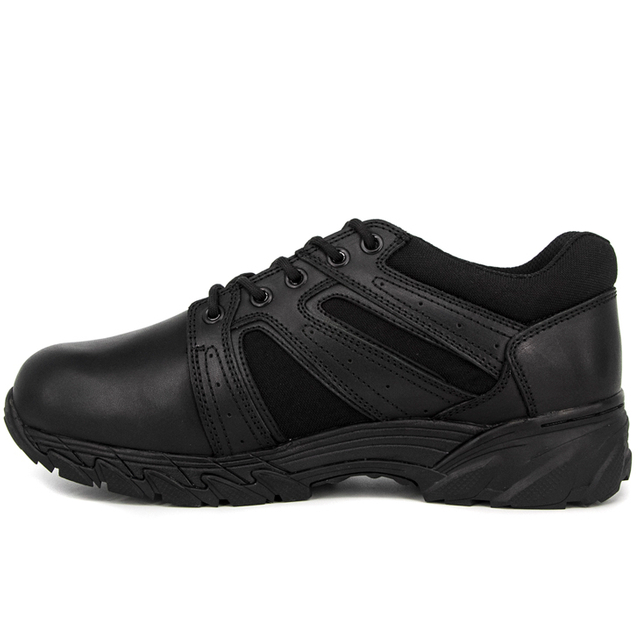
4109 is a pair of tactical bootswhich weight is 1.1 kg.The weight of these military boots is like a pair of sneakers.This pair of tactical boots is SWAT new design, new MD bottom, Compound of EVA and Rubber has characteristics of sock mitigation and protecting people’s spine.The feeling of the ethereal and ethereal feeling brought by these pair of military boots is also impossible for high-top shoes, liberating the ankles and letting them break through.
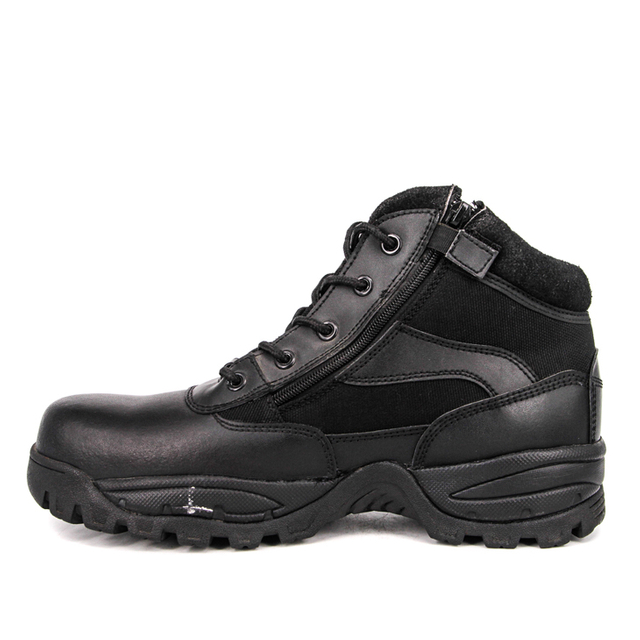
4121 is a pair of tactical ankle boots which weight is 1.2kg.The pair of tactical ankle boots is also light in terms of weight because of MD sole.The zipper design next to it is also very distinctive, the design is not ordinary, and the position where the zipper is located is the biggest highlight.The magic buckle exists to hide the zipper head and keep it beautiful. Tactical ankle boots collar tilts downward in the angle.Exquisite manual wiring not only helps to fit the foot shape, but also facilitates more flexible activities of the calf.The design of these ankle shoes is very popular among French people.
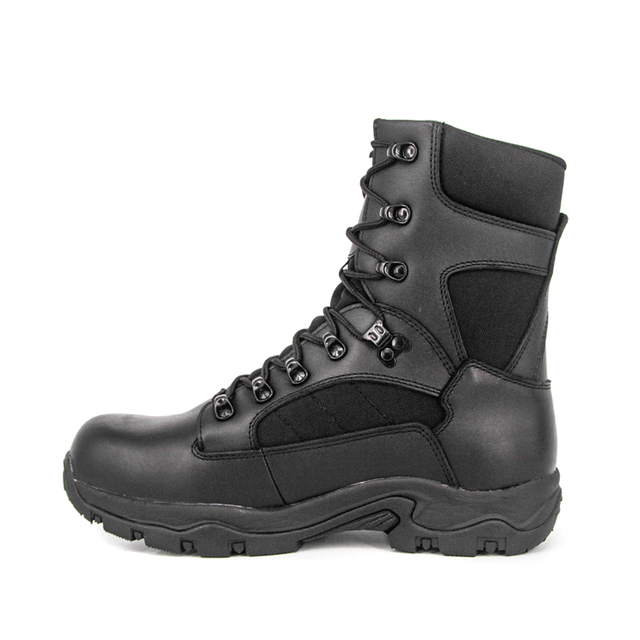
4264 is a pair of tactical Mid-calf boots which weight is 1.39kg.This kind of middle boots is heavier than the above two, because the height of the shoe is higher, and the material is more, the leather fabric is increased, the nylon fabric is increased, and the natural weight is heavy.If the composite bottom is completely turned into a rubber sole, the weight is increased by 0.1kg. Some army needs a very wear-resistant sole. Naturally, they will choose a rubber sole, but the soldiers do not want to choose a rubber sole in some activities. This double MD is perfect choice.
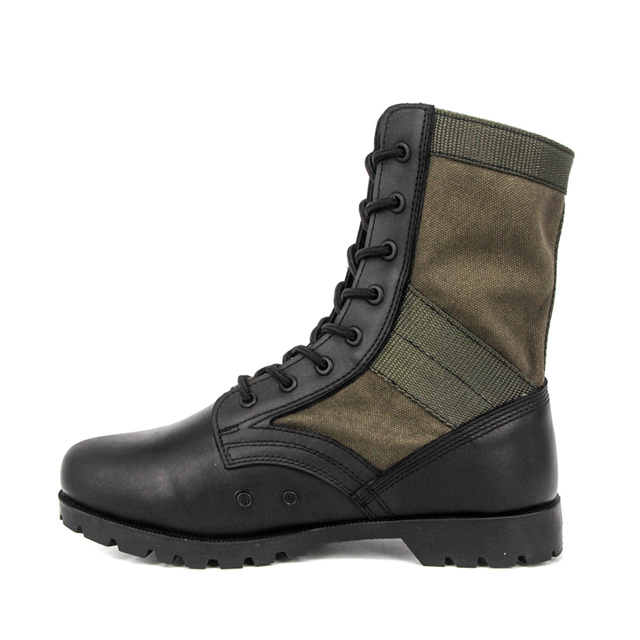
5212 is a pair of tactical Mid-calf jungle boots which weight is 1.38kg.The weight of these military boots is mainly determined by the panama rubber sole. This design enhances the comfort of the muddy terrain, without the large amount of mud on the shoes like the general sole, which increases the weight of the boots.These pair of military boots are wear-resistant, non-slip, and have self-cleaning patterns. They are easy to adapt to various jungles, deserts and other terrain camouflage single-layer fabrics are designed to be ventilated, and different camouflage cloths can be customized to increase wearing comfort. This is a Goodyear crafts, the shoes are more breathable and not stinky.
From the hot deserts of North Africa to the ice and snow, there are shadows of military soldiers.In order to adapt to the environment of different combat areas, the use of different military boots is also distributed to the troops fighting overseas.The weight of the military boots is also one of the necessary conditions for the purchaser to consider.
Prolonged standing during ceremonies, inspections, and daily administrative duties takes a severe physical toll on the body. Static standing on hard surfaces like concrete parade decks transfers immense pressure through the lower extremities.
Deploying into tropical environments guarantees your feet will get wet. Moisture acts as a constant operational hazard, not an occasional inconvenience. You face a strict footwear dilemma: try to block water from entering, or let it drain out fast.
Aviation environments present unique hazards that standard tactical footwear cannot mitigate, making the selection of specialized footwear a mandatory safety and compliance decision.
Procuring footwear for government agencies requires balancing strict budgets against the demand for high-performance gear. Institutional buyers and quartermasters navigate a fragmented market filled with complex compliance standards and fluctuating supply chains.
Foot health dictates officer safety, endurance, and focus during grueling 10- to 12-hour shifts. The persistent dilemma involves selecting footwear that blocks external moisture versus footwear that vents internal heat.
Law enforcement and first responder footwear has shifted heavily toward rapid-deployment designs over the last decade. Patrol officers, paramedics, and security personnel increasingly rely on side-zip models to meet demanding shift requirements.
Law enforcement patrol work physically breaks down the human body over time. You spend 12-hour shifts standing on asphalt, running through unpredictable terrain, and carrying 20 to 30 pounds of gear on your duty belt and vest.