Outdoor activities can be dangerous or can be harmful to your feet. Outdoor activities, whether camping, backpacking, hiking or leisure hiking are not a gentle hobby. Every hiker or outdoor enthusiast knows that two things will determine the outcome of your trip: the first is the experience, you can only get it through your own experience. The second is security. Inexperience is understandable because we are beginners at some point, but there is no reason why you should lack knowledge. Always be prepared and ensure that you have the right equipment because it complements the outdoor safety experience.
Proper equipment and gear is critical, to say the least. Nothing screams rookie as much as someone who goes hiking with casual shoes, trail running with slipping soles, or camping with non-waterproof sandals. In fact, not only will the wrong shoes make you look like a rookie; chances are they'll leave you injured or highly disappointed as well. One of the most important outdoor gear is your shoes. Depending on the situation, it may be the only device you can't go wrong with.
There are many styles in military boots that are very suitable for outdoor sports, because the battlefield and outdoor sports environment have many similarities, and the requirements for shoes are similar too.
The first is sole:
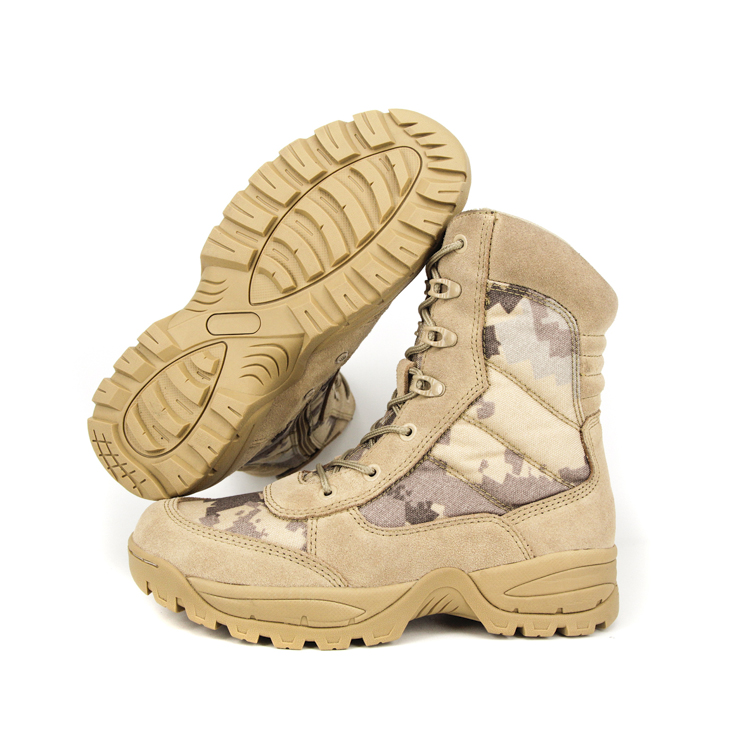
The outsole is one of the most important parts of an outdoor shoe, especially for hiking. Unlike ordinary shoes, many outdoor activities require a particular kind of outsole. Hiking shoes must have a thick rubber outsole to for decent performance in off-road terrains. Materials other than rubber (or derivate) are not recommended for hiking shoes .The best hiking shoes have an adherent or sticky" rubber component that maximizes contact between the outsole and any surface. This kind of technology is what you should be looking for in an outdoor shoe. There's a significant difference between the grip of a basic running shoe's outsole and a hiking shoe's outsole. For starters, the quality of the grip on the best hiking shoes is much, much superior. The outsole of an outdoor shoe must be able to grip to rocks, uneven surfaces, mud, dirt, and more. When going hiking, you want to make sure you can completely rely on your outsole. MILFORCE's boots that EVA military tactical boots midsole and rubber outsole that meet the requirements of climbing. It has excellent grip and wear resistance and can be used as the best choice for outdoor climbing.
Followed is protection
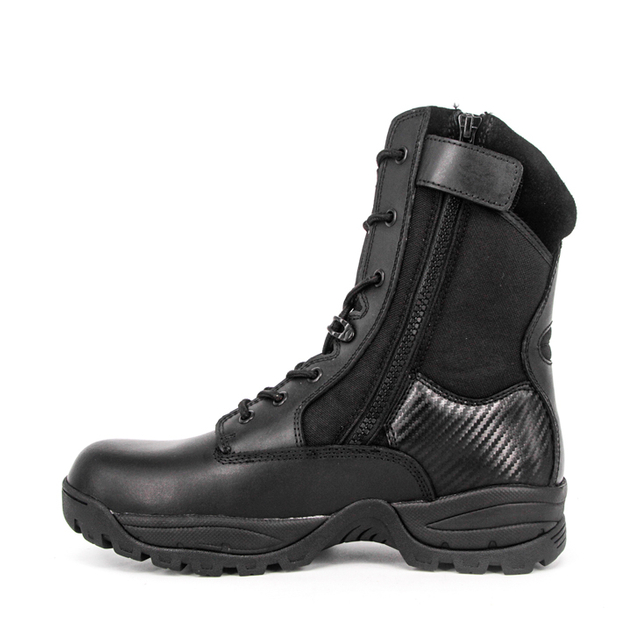
Trekking, hiking, and trail running are unquestionably rough activities. This goes for both our feet and our shoes. lt's important that the materials are sturdy enough to protect the pump from degrading. However, it's even more important to protect our feet. Multiple factors have an impact on the protection the shoe provides to our feet. There are three kinds of outdoor shoes: low cut, mid cut, and high cut. The most protective of them all is unquestionably the high cut. It covers up to the shin, offering maximum protection. Though the cut you need depends on the activity you are looking to perform. For something versatile like trail running, high boots are the last option on the list. For something like backpack trekking or hiking, consider taking mid or high cuts. Like this one 4203 tactical boots , it is made of sturdy cow leather and pull-resistant nylon cloth. Thick material wraps your ankles to protect it from injury.
The last is comfortable
This is underrated in all kind of performance shoes. We can’t say it enough; uncomforting shoes will never let you reach optimal performance. Some people make the mistake of forcing themselves into uncomforting shoes. If a shoe feels uncomfortable, it means there's something wrong. Uncomfortable shoes are not an option for outdoor activities. Off-road events alone are harsh for our feet imagine adding hours of unpleasant experience on top of that.
Comfort is directly related to your technique. The more comfortable you are the best you'll do. Various things mark the level of comfort ability in a shoe. Cushioning is the first one. An outdoor shoe must have enough cushioning to support comfortable motions; especially trail running ones. Most shoe brands apply their own cushioning and shock absorption technologies on their designs. For instance, MILFORCE EVA Midsole diminishes impact, increases comfort and offers more stability.
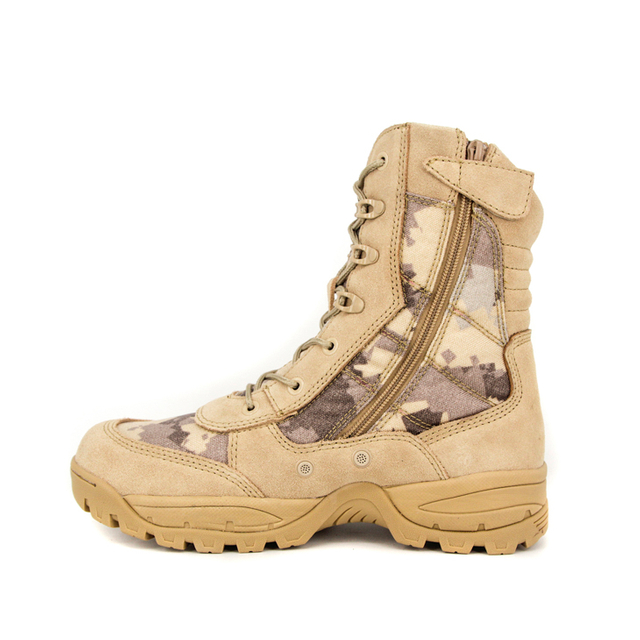
The materials are another factor. If the shoe materials are completely stiff, any motion became uncomfortable. Don’t get us wrong outdoor boots must be firm. However, there's a difference between firm and inflexible. Flexibility is a must to execute motions in a natural manner. A shoe should never become an obstacle to your motions. The best outdoor shoes will flex as your feet require it, resembling their movement as naturally as possible. Depending on the location and weather, you should be looking for a breathable shoe or one that retains heat. A breathable shoe is the last thing you want in winter. Look for something that seals your feet away from the cold, as it's important to keep them warm. In hot locations it's the whole opposite; heat should not accumulate on the inner shoe. desert boot(7236) are a good choice for hot places. They have venting holes and breathable linings to keep your feet dry.
Prolonged standing during ceremonies, inspections, and daily administrative duties takes a severe physical toll on the body. Static standing on hard surfaces like concrete parade decks transfers immense pressure through the lower extremities.
Deploying into tropical environments guarantees your feet will get wet. Moisture acts as a constant operational hazard, not an occasional inconvenience. You face a strict footwear dilemma: try to block water from entering, or let it drain out fast.
Aviation environments present unique hazards that standard tactical footwear cannot mitigate, making the selection of specialized footwear a mandatory safety and compliance decision.
Procuring footwear for government agencies requires balancing strict budgets against the demand for high-performance gear. Institutional buyers and quartermasters navigate a fragmented market filled with complex compliance standards and fluctuating supply chains.
Foot health dictates officer safety, endurance, and focus during grueling 10- to 12-hour shifts. The persistent dilemma involves selecting footwear that blocks external moisture versus footwear that vents internal heat.
Law enforcement and first responder footwear has shifted heavily toward rapid-deployment designs over the last decade. Patrol officers, paramedics, and security personnel increasingly rely on side-zip models to meet demanding shift requirements.
Law enforcement patrol work physically breaks down the human body over time. You spend 12-hour shifts standing on asphalt, running through unpredictable terrain, and carrying 20 to 30 pounds of gear on your duty belt and vest.