If you live in a rainy country, there is constant rain all year round. Whether it is military training or outdoor exploration, some outdoor activities are still in the wild. If you encounter muddy roads, you can highlight the importance of a pair of waterproof military boots. Wearing it in the rain, the soldiers do not need to avoid any puddles, the dirty rain water will not have any impact on the boots, and the rain cannot affect the progress of the soldiers. Waterproofing is also the main function of many boots today. Many brands have launched their own waterproof series. So where can you buy waterproof boots? MILFORCE will introduce you about some waterproof military boots designed by our designers.
The two ways of waterproof military boots are to choose some waterproof materials, or waterproof socks made of waterproof and breathable membrane. The first way is that the waterproof function will gradually lose with the extension of wearing time. The second way needs regular maintenance, if it is soaked for a long time, it will also be permeable.
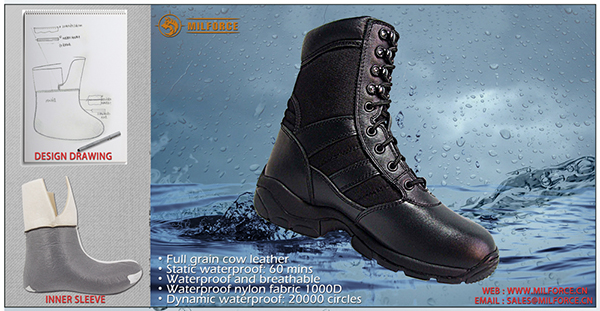
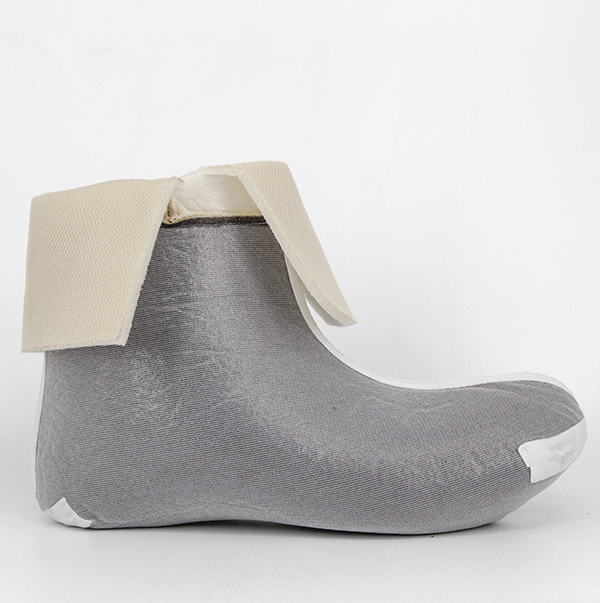
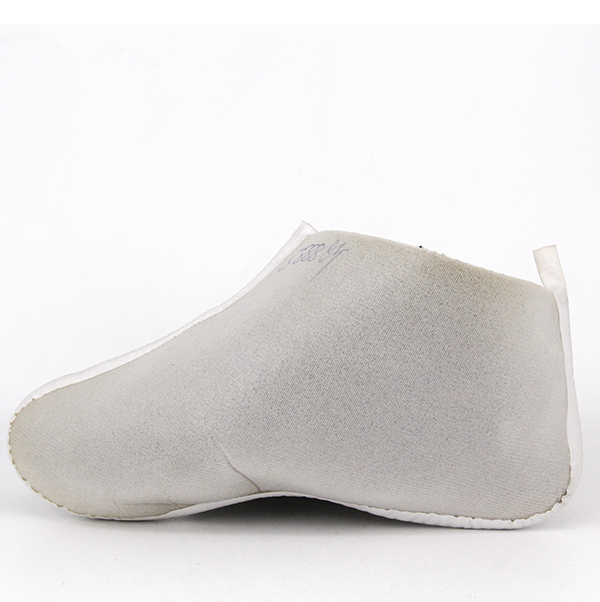
Waterproof sock is a waterproof and breathable cover for outdoor shoes.
It is made of waterproof and breathable membrane. It is made of synthetic textile fabric. It is light in weight and contains waterproof molecules to prevent water from immersing in the shoes. At the same time, the material needs to be breathable to keep the skin on the feet dry. The waterproof performance of professional waterproof military boots is mainly based on waterproof socks, so it can be divided into three types: non-waterproof socks, semi-waterproof socks and full waterproof socks. The full sock is a waterproof and breathable membrane throughout the shoe. The half-sock is a waterproof and breathable membrane around the shoes and not at the bottom. The following socks’ static waterproof is 60 minutes and dynamic waterproof is 20000 circles.
The use environment is related to the height of the water surface. If the water surface is lower than the waterproof cover, the waterproof effect is absolutely acceptable. If the water surface is close to the top line of the waterproof cover, after the boot is soaked for a period of time, the water on the leather surface and the waterproof cover layer will cause a siphon phenomenon and penetrate into the shoe. If the water level is higher than the top line of the waterproof cover, the water will quickly penetrate into the shoe. In fact, waterproof military boots are used for cold areas, or above the snow line. In order to prevent snow from entering the shoes, soaked shoes and socks will cause the feet to quickly lose temperature and frostbite. When faced with deep snow or leeches, you must use professional waterproof boots.
MILFORCE will tell you about production steps of waterproof socks.
Firstly, our factory sews the cut tarpaulin, and press the waterproof strip at the car line to prevent the water from leaking into the seam. Secondly, press a whole piece of waterproof strip at the bottom. Thirdly, everyone will have to do a waterproof test. Fourthly; the waterproof socks without problems will be dried for use. Finally, and our factory stitches the good waterproof socks and uppers of the boot together. After the molding, the waterproof shoes will be done. The whole process of the socks should not be tied by hard objects to avoid water leakage.
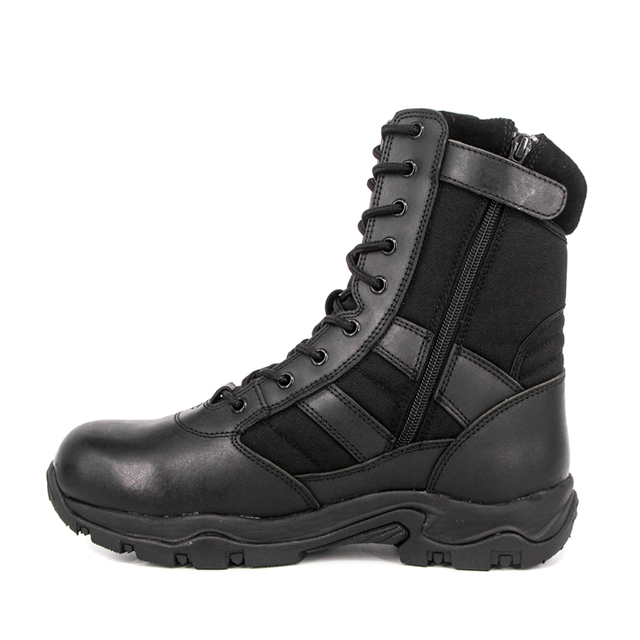
Lightweight waterproof military tactical boots has beautiful style, elegant curved arc and are beautiful and domineering. Waterproof material ensures comfortable and dry feet. Boots from MILFORCE have a unique aesthetic, to show different colors and different styles. The inside is designed with waterproof socks, which makes the exhaust volume larger and drier. Military boots with strong durability have good waterproof performance, can effectively block the invasion of rain and is not afraid of moisture, and is deeply loved by military fans.
Procuring footwear for government agencies requires balancing strict budgets against the demand for high-performance gear. Institutional buyers and quartermasters navigate a fragmented market filled with complex compliance standards and fluctuating supply chains.
Foot health dictates officer safety, endurance, and focus during grueling 10- to 12-hour shifts. The persistent dilemma involves selecting footwear that blocks external moisture versus footwear that vents internal heat.
Law enforcement and first responder footwear has shifted heavily toward rapid-deployment designs over the last decade. Patrol officers, paramedics, and security personnel increasingly rely on side-zip models to meet demanding shift requirements.
Law enforcement patrol work physically breaks down the human body over time. You spend 12-hour shifts standing on asphalt, running through unpredictable terrain, and carrying 20 to 30 pounds of gear on your duty belt and vest.
Choosing the right military desert boots is essential for users who operate in hot, dry, and challenging environments. Unlike ordinary outdoor footwear, military desert boots need to provide a balance of breathability, durability, traction, protection, and long-term wearing comfort.
Waterproof military desert boots may sound unusual at first. Desert environments are often associated with heat, sand, dust, and dry weather, so many buyers assume that waterproof protection is unnecessary. In reality, military and tactical users may face more complex conditions than pure dry sand.
Military desert boots used in the Middle East and Saudi Arabia need to handle more than high temperatures. These regions can include open desert, rocky ground, fine sand, dry roads, temporary camps, vehicle areas, and occasional wet or muddy surfaces.