Views: 408 Author: Site Editor Publish Time: 2019-06-21 Origin: Site
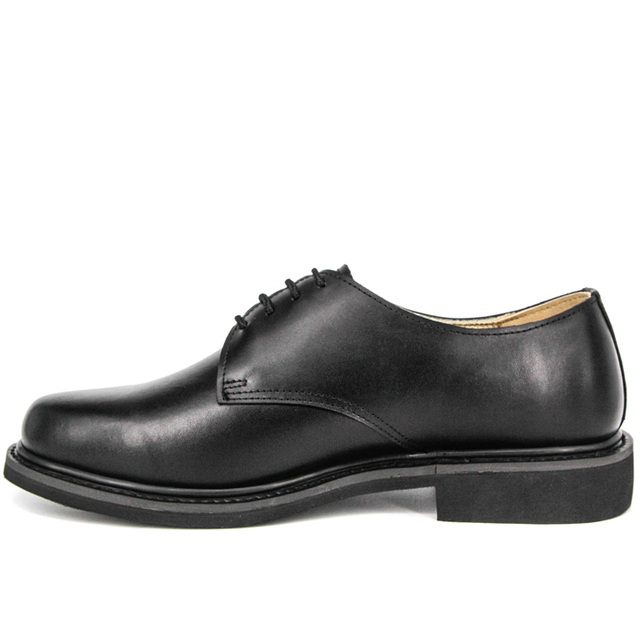
Today is to introduce another popular shoe in the US market - Office shoes, or Uniform shoes/Oxford shoes.
Just as the military boots we introduced before.
Office shoes also has his own customer base.
As we all know, oxford shoes and suits are the best partner, your manager may have 50 suits, but only 2 pairs of office shoes.
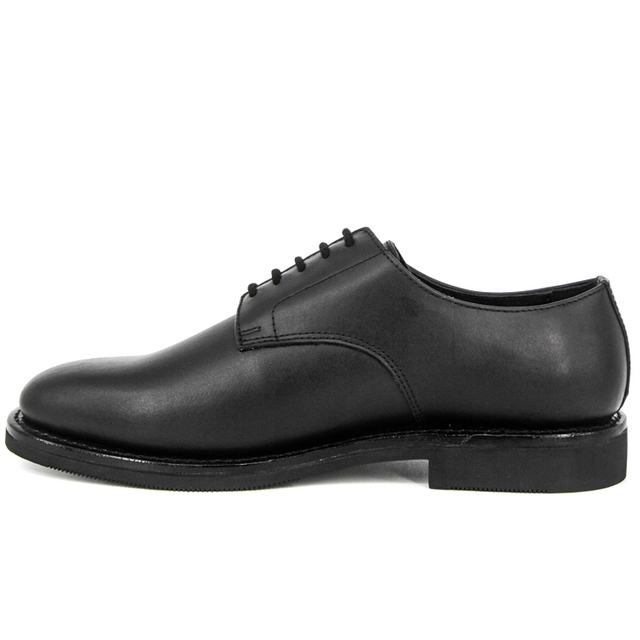
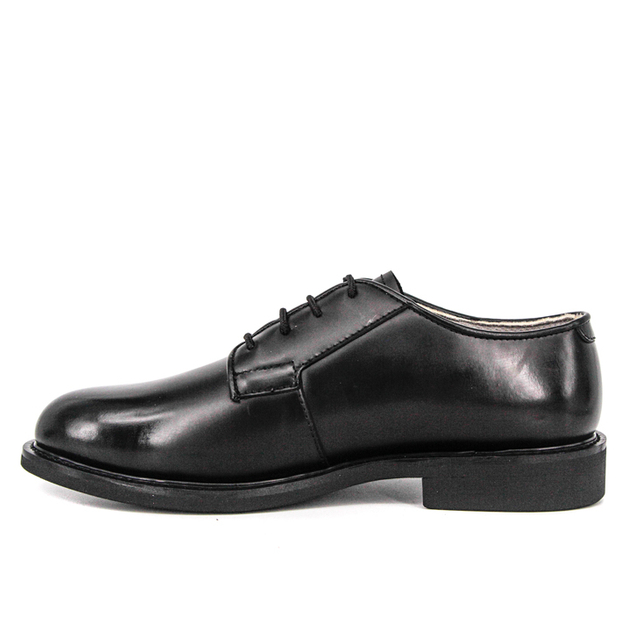
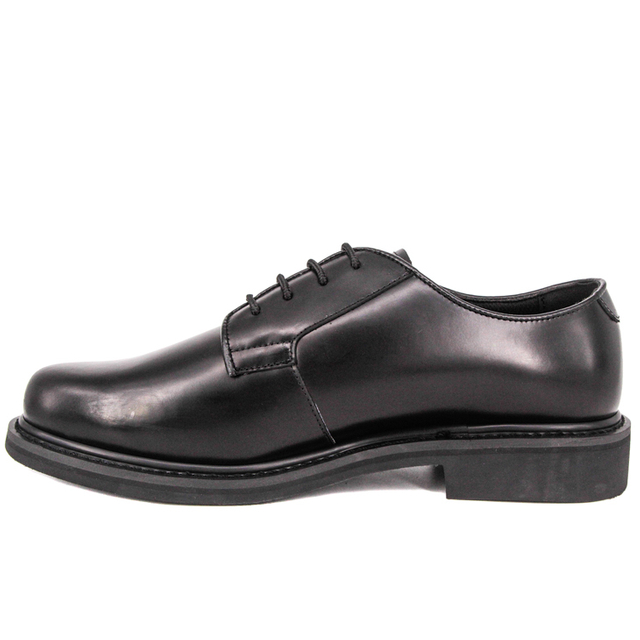
The black office shoes can be paired with a variety of dark suits, and the patterned oxford shoes are perfect for casual suits.
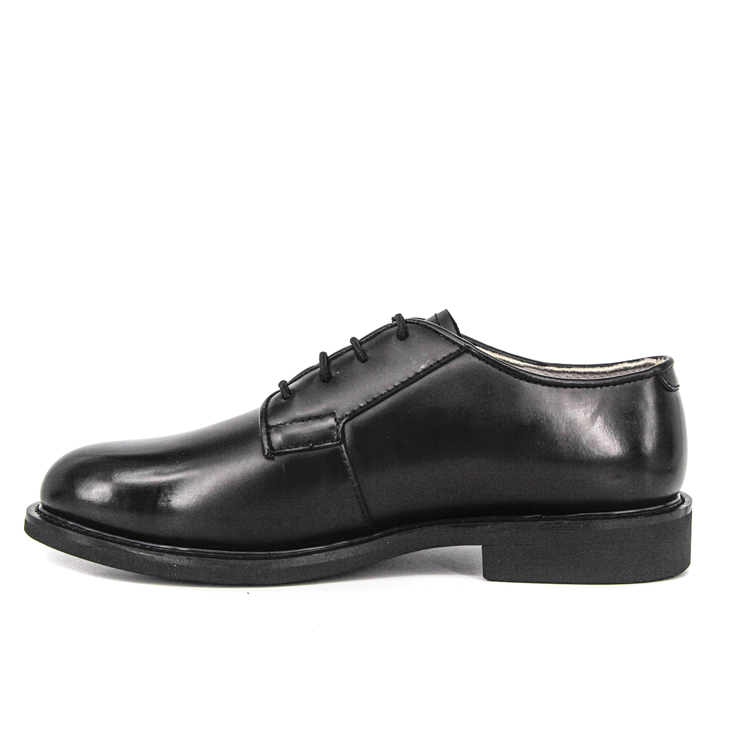
The black classic oxford shoes is the best choice for meetings.
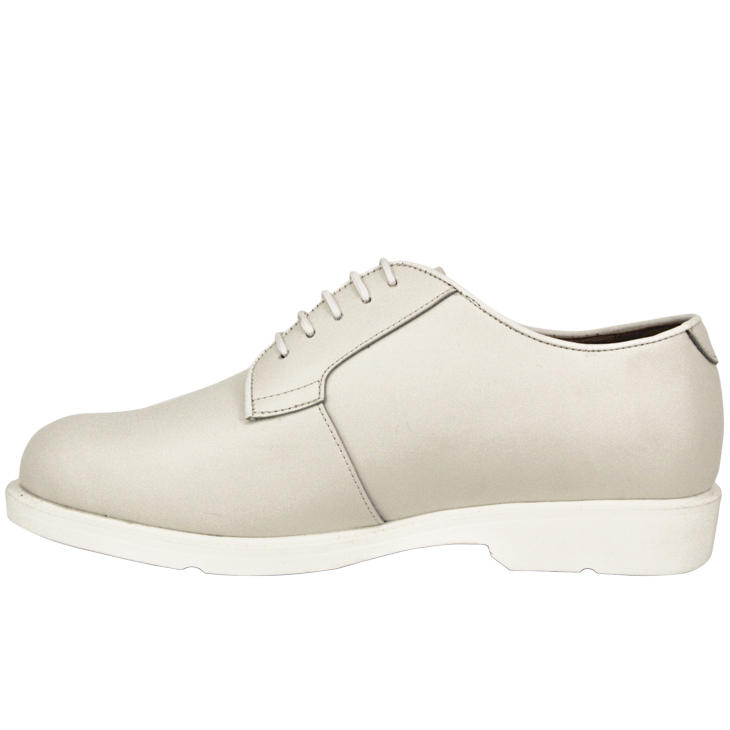
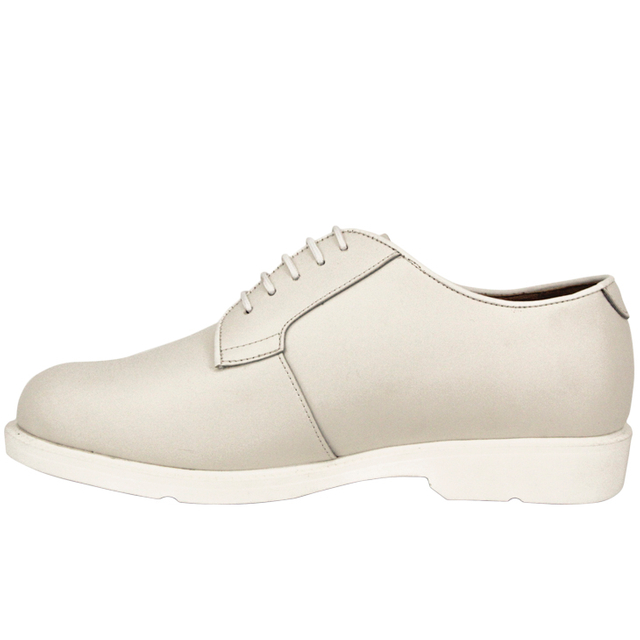
In addition, you may have seen white office shoes, white shoes with a white suit, at the wedding and the ball, the elegant white suit makes you more popular with women.
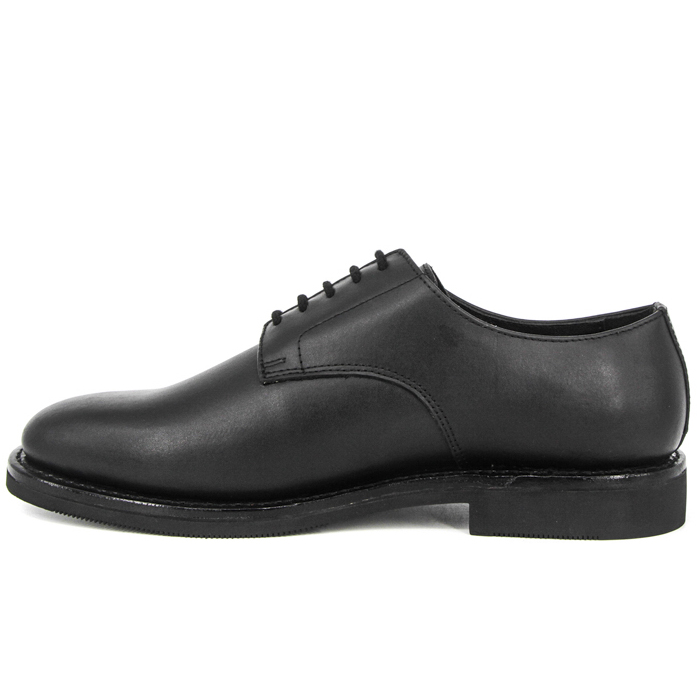
In the aristocratic times, this kind of shoes was very popular.
Today, the improvement of materials and craftsmanship has made him still popular in the US market.
The traditional oxford shoes is a seaming process.
In the past, there was no glue, no machine shoes, and gentlemen and nobles wore hand-stitched leather shoes.
This tradition continues to this day.
So far, the elite class still loves to wear handmade stitching shoes.
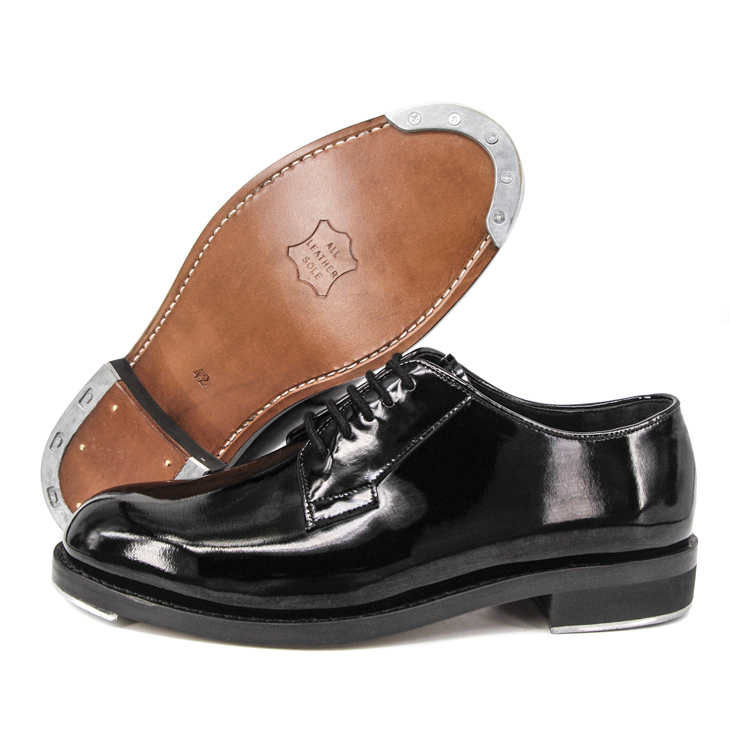
The sole of a traditional stitching craft shoe is generally a leather sole.
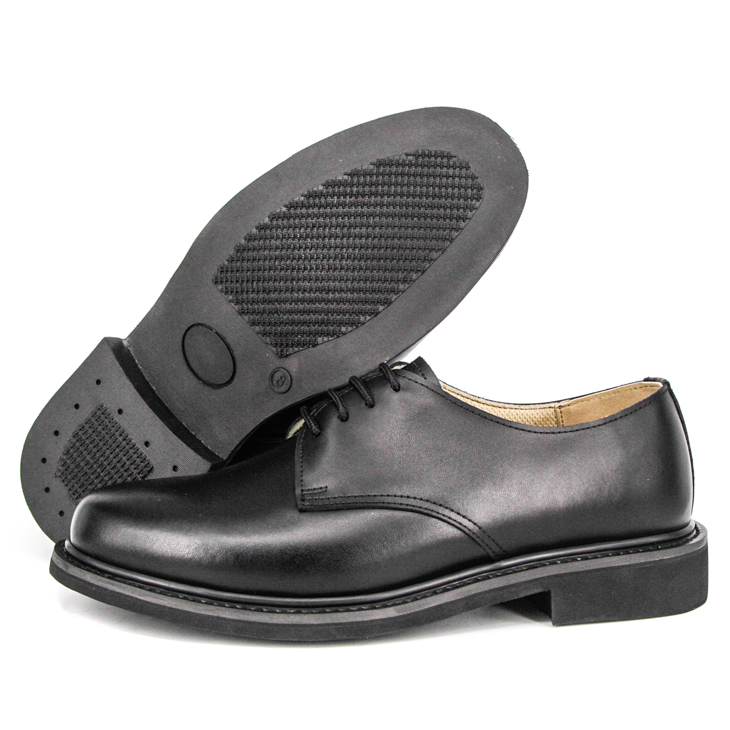
Most of the current office shoes use a glued process.
Compared with the seam, the cost of the adhesive shoe is lower and the production cycle is shorter.
The upper is made of different quality leather, and the sole is rubber sole.
Compared with traditional handmade leather shoes, the rubber sole is more wear-resistant and light.
It is very suitable for white-collar workers who need to wear him by subway and walk the streets every day.
It is a daily commute.
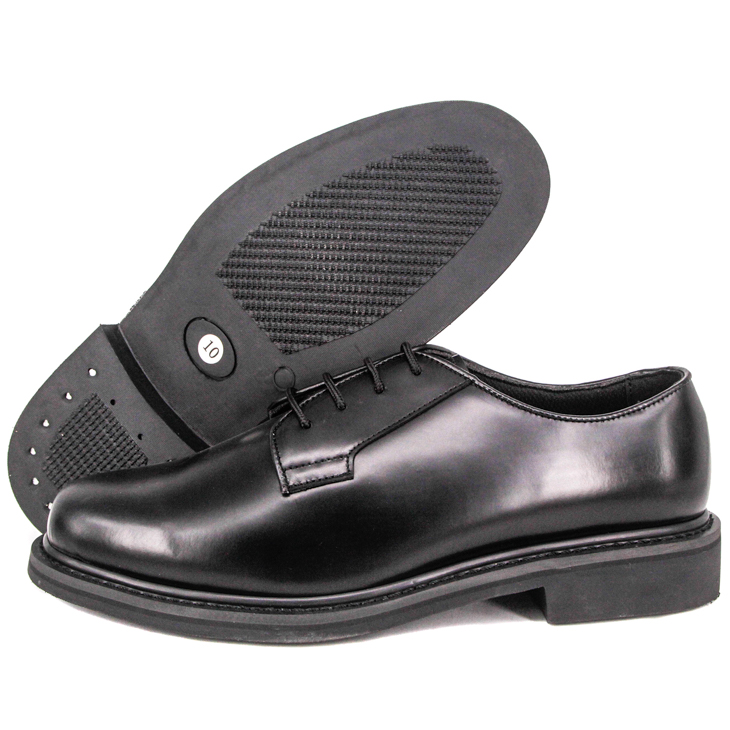
Office shoes are generally made of genuine leather.
According to the quality of the skin, it is divided into the top layer and the second layer.
The quality of the top layer is better, soft and comfortable, and the price is higher than the two layers.
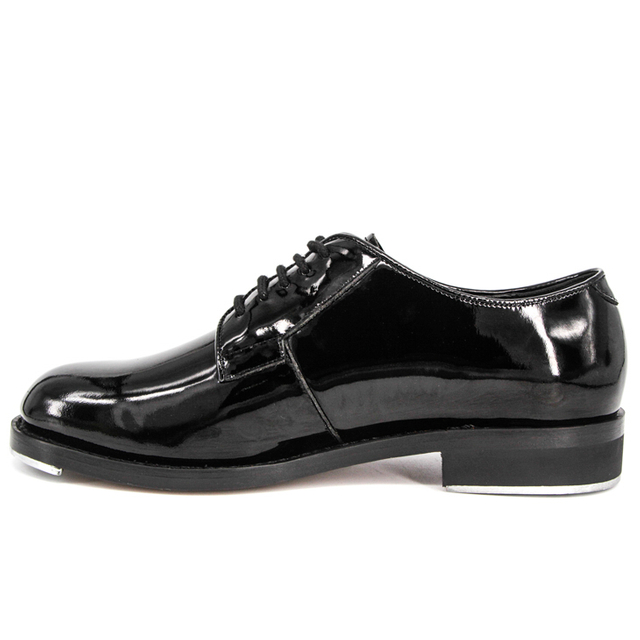
The surface of the skin of office shoes needs to be specially treated, and some leathers are processed into High gloss, which is conspicuous and eye-catching in a bright environment.

Foot health dictates officer safety, endurance, and focus during grueling 10- to 12-hour shifts. The persistent dilemma involves selecting footwear that blocks external moisture versus footwear that vents internal heat.
Law enforcement and first responder footwear has shifted heavily toward rapid-deployment designs over the last decade. Patrol officers, paramedics, and security personnel increasingly rely on side-zip models to meet demanding shift requirements.
Law enforcement patrol work physically breaks down the human body over time. You spend 12-hour shifts standing on asphalt, running through unpredictable terrain, and carrying 20 to 30 pounds of gear on your duty belt and vest.
Departmental uniform inspections demand pristine aesthetics, while daily law enforcement duties require rugged, unpredictable physical performance.
Choosing the right military desert boots is essential for users who operate in hot, dry, and challenging environments. Unlike ordinary outdoor footwear, military desert boots need to provide a balance of breathability, durability, traction, protection, and long-term wearing comfort.
Waterproof military desert boots may sound unusual at first. Desert environments are often associated with heat, sand, dust, and dry weather, so many buyers assume that waterproof protection is unnecessary. In reality, military and tactical users may face more complex conditions than pure dry sand.
Military desert boots used in the Middle East and Saudi Arabia need to handle more than high temperatures. These regions can include open desert, rocky ground, fine sand, dry roads, temporary camps, vehicle areas, and occasional wet or muddy surfaces.
Sand color military boots are widely used in desert, dry, and hot-weather environments. Compared with black or dark brown combat boots, light-colored desert footwear is better suited for sandy terrain, high temperatures, dusty ground, and military-style uniforms used in arid regions.