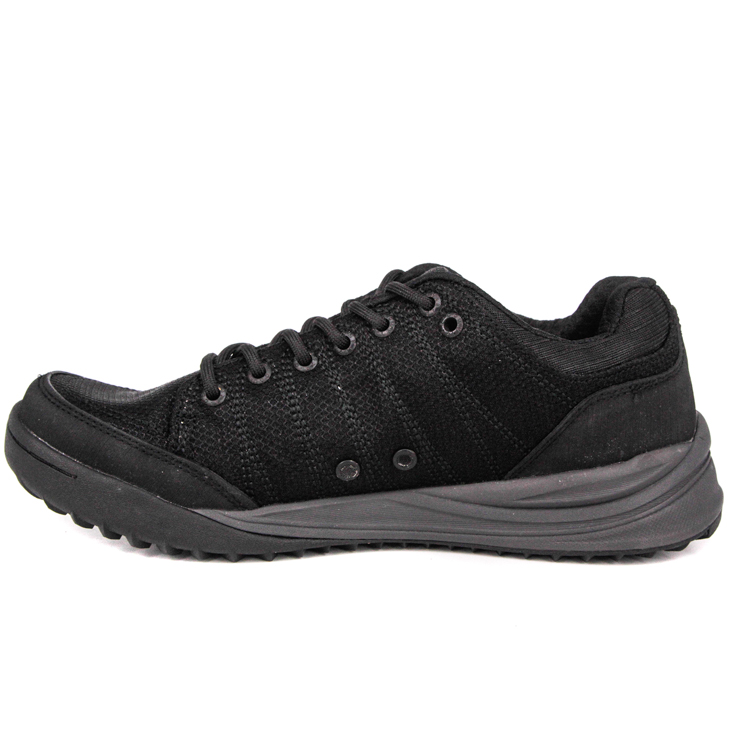
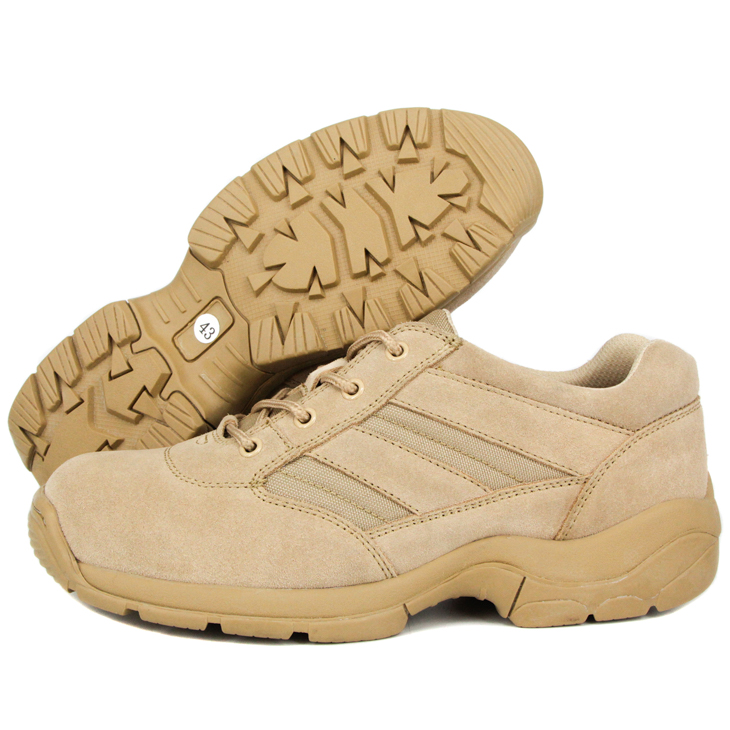
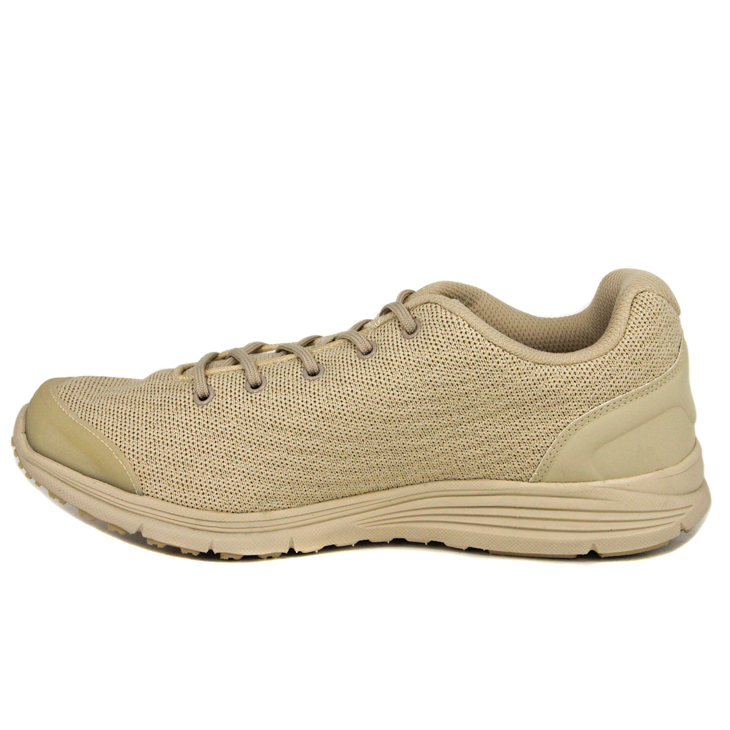
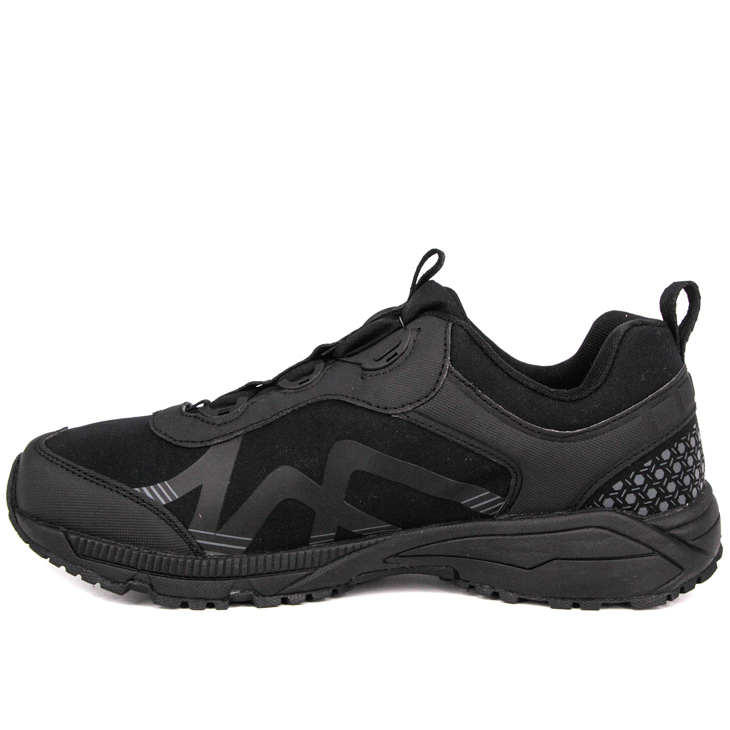
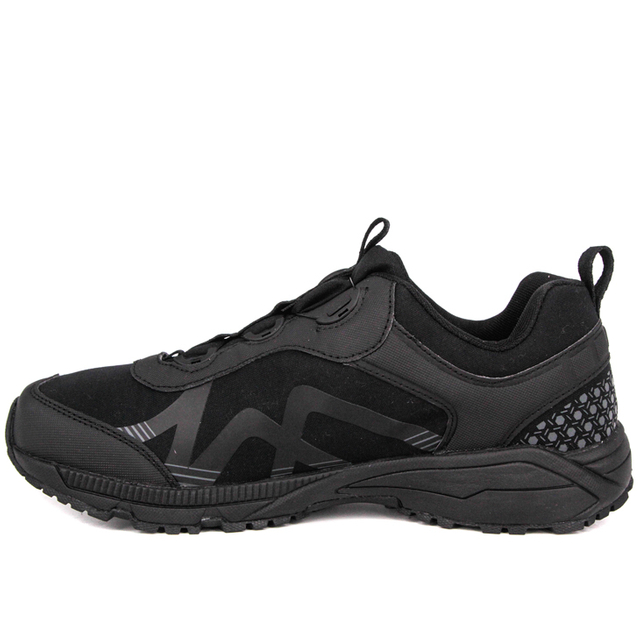
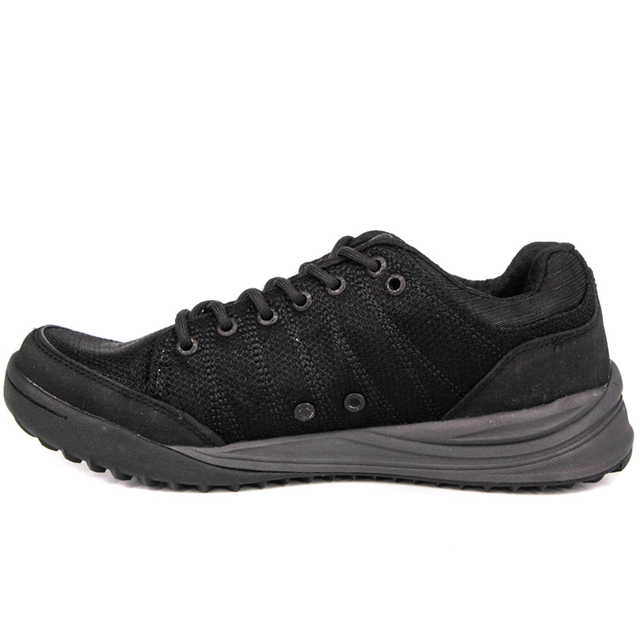
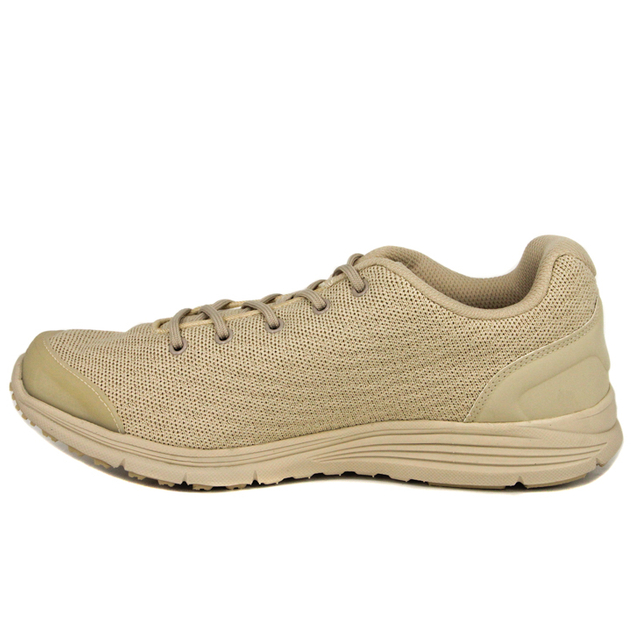
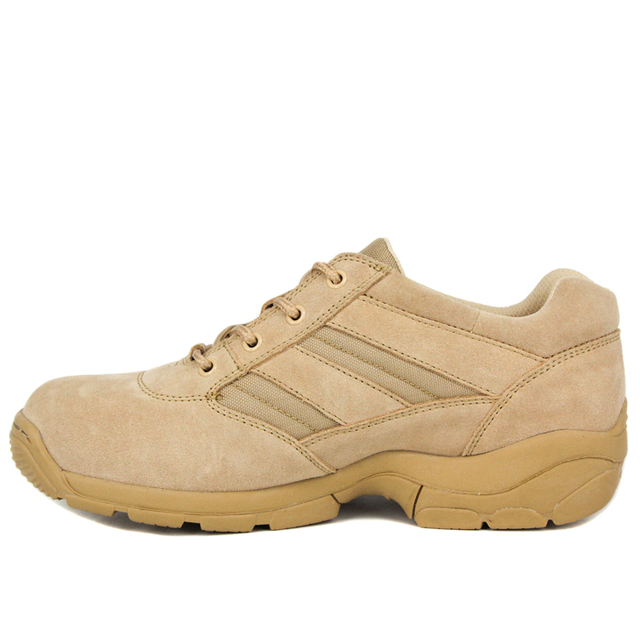
Several kinds of boots introduced before are very popular in American market.
As well as known, military boots culture has notable characteristics in USA.
The whole world knows Americans love sports, just like hiking, running, outdoor sports...
In the outdoor sports equipment, a pair of good outdoor military boots can bring you a lot of protection and convenience.
American hikers often encounter such problems: long walks make the feet heavy, some parts will be blistered.
Unsuitable walking shoes will make the sport more unbearable.
A good pair of hiking shoes should have the following three conditions: lightweight, non-slip and as soft as possible soles; breathable and comfortable upper material; a design fit foot style.
The material usually used sole for hiker shoes is the eva.
Compared with rubber, it has better shock absorption effect, and the weight is lighter, which makes the walking people more comfortable.
In terms of wear resistance, eva is a little worse than rubber.
In order to maximize the sole, MD sole that made of EVA+Rubber is the best choice for many hiking shoes.
The fabric of outdoor shoes is genuine leather + breathable fabric, the anti-tear effect of the leather is very good, and has a certain waterproof function.
The function of the breathable fabric is to allow air to circulate freely in the shoe and keep the feet dry.
The different combinations of these two fabrics determine the environment in which the boots are suitable for use.
Outdoor shoes with more leather are suitable for uneven mountain roads, while shoes with soft fabrics are suitable for flat urban roads.
In general, such travel boots and climbing boots have high-top and low-boot styles.
High-top boots are better enough to protect the ankles, but low-top boots are more flexible. You can choose according to your needs.
The outdoor environment in the United States requires boots to have adequate protection functions such as puncture prevention, anti-skid, etc.
In addition, the boots are designed to fit the American foot, and the size options are wide and narrow.
The details of a good pair of durable boots must be good enough.
Procuring footwear for government agencies requires balancing strict budgets against the demand for high-performance gear. Institutional buyers and quartermasters navigate a fragmented market filled with complex compliance standards and fluctuating supply chains.
Foot health dictates officer safety, endurance, and focus during grueling 10- to 12-hour shifts. The persistent dilemma involves selecting footwear that blocks external moisture versus footwear that vents internal heat.
Law enforcement and first responder footwear has shifted heavily toward rapid-deployment designs over the last decade. Patrol officers, paramedics, and security personnel increasingly rely on side-zip models to meet demanding shift requirements.
Law enforcement patrol work physically breaks down the human body over time. You spend 12-hour shifts standing on asphalt, running through unpredictable terrain, and carrying 20 to 30 pounds of gear on your duty belt and vest.
Choosing the right military desert boots is essential for users who operate in hot, dry, and challenging environments. Unlike ordinary outdoor footwear, military desert boots need to provide a balance of breathability, durability, traction, protection, and long-term wearing comfort.
Waterproof military desert boots may sound unusual at first. Desert environments are often associated with heat, sand, dust, and dry weather, so many buyers assume that waterproof protection is unnecessary. In reality, military and tactical users may face more complex conditions than pure dry sand.
Military desert boots used in the Middle East and Saudi Arabia need to handle more than high temperatures. These regions can include open desert, rocky ground, fine sand, dry roads, temporary camps, vehicle areas, and occasional wet or muddy surfaces.