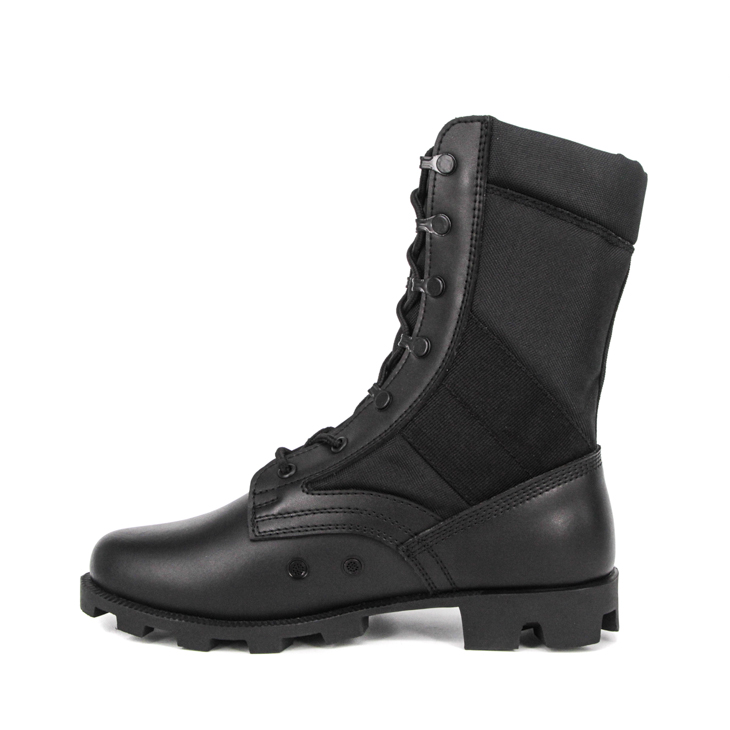
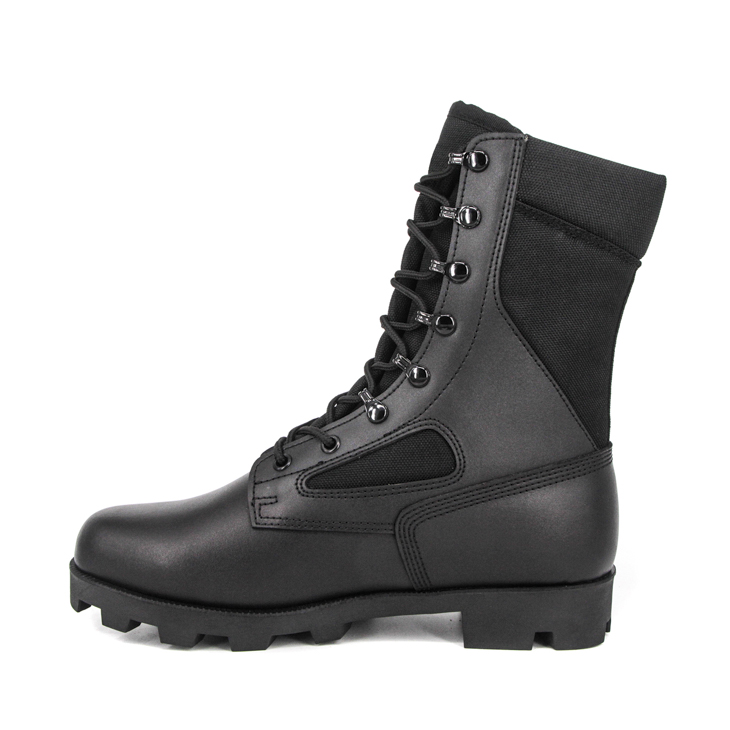
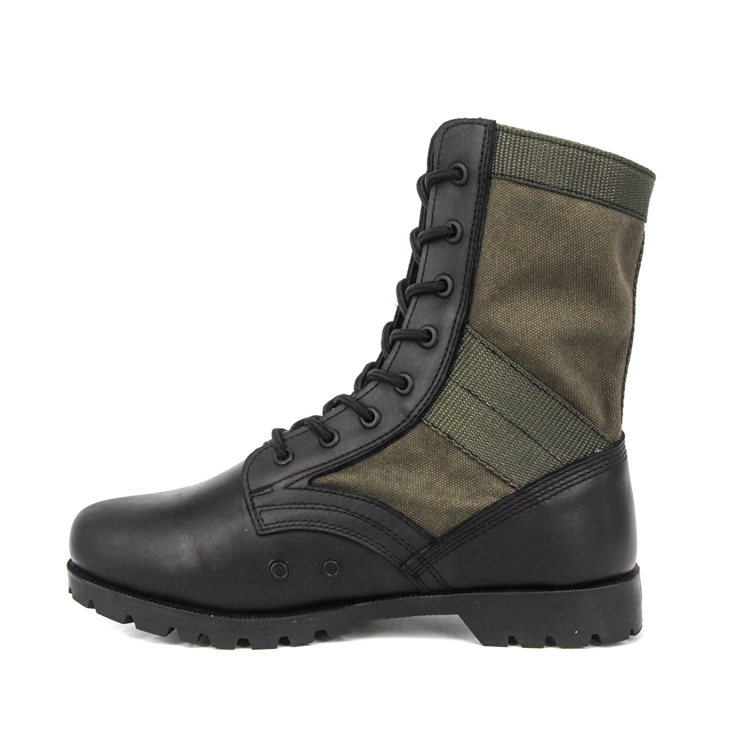
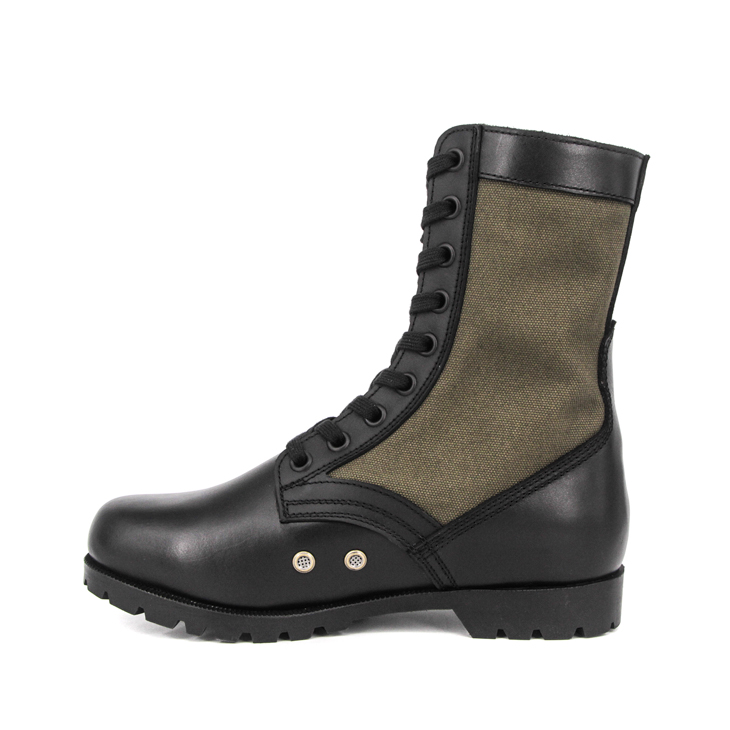
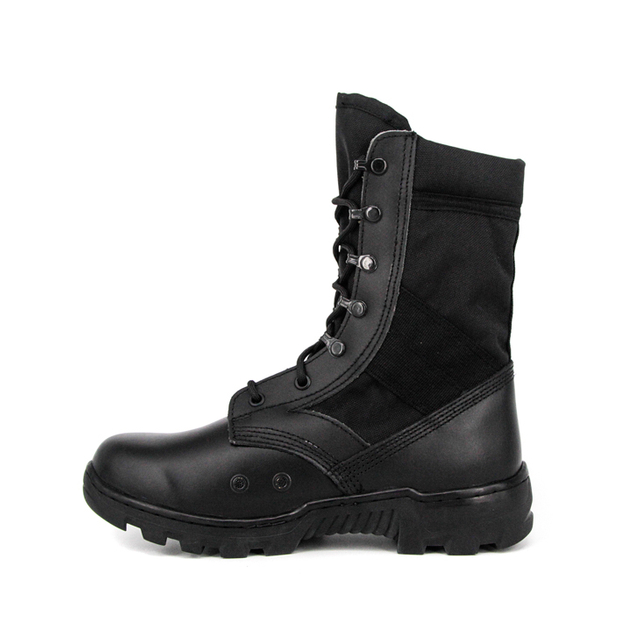
Today I want to introduce a kind of boots that are excellent in function and useful in military boots - jungle boots.
The boots designers invented the boots before the Second World War and issued boots for the jungle or hot weather to American soldiers serving in Panama at the time.
Because it is difficult to achieve waterproofing in the jungle and marsh environment, that is, it is necessary to give priority to the breathability, drainage and drying speed inside the breathable jungle boot.
Combat jungle boot have rubber soles, whether Vibram or Panama, usually canvas uppers with vents on the instep to drain and maintain good air circulation.
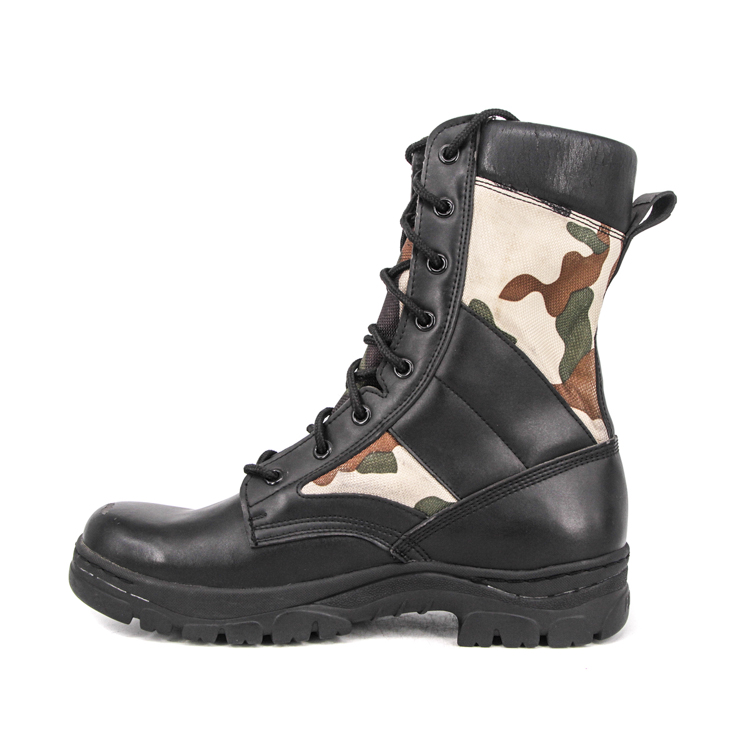
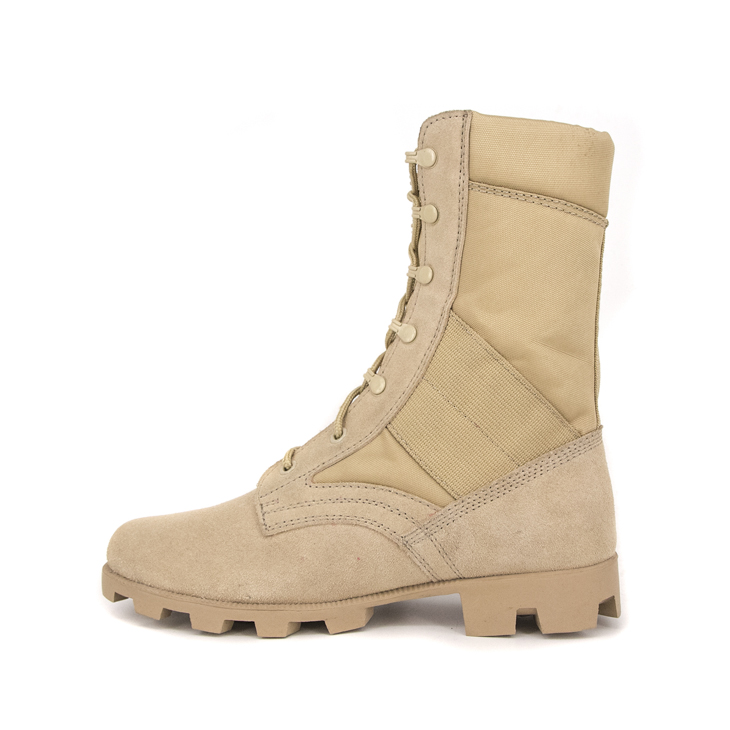
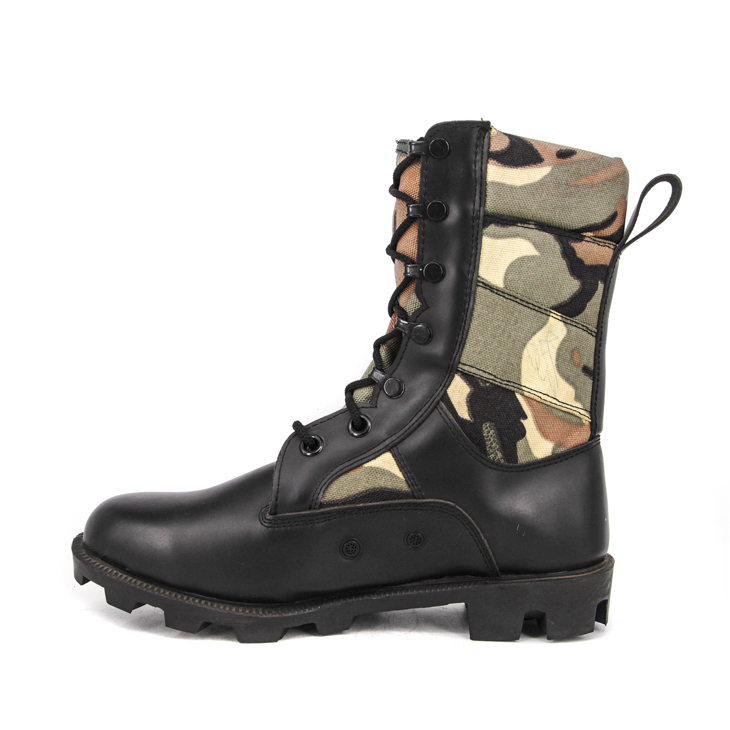
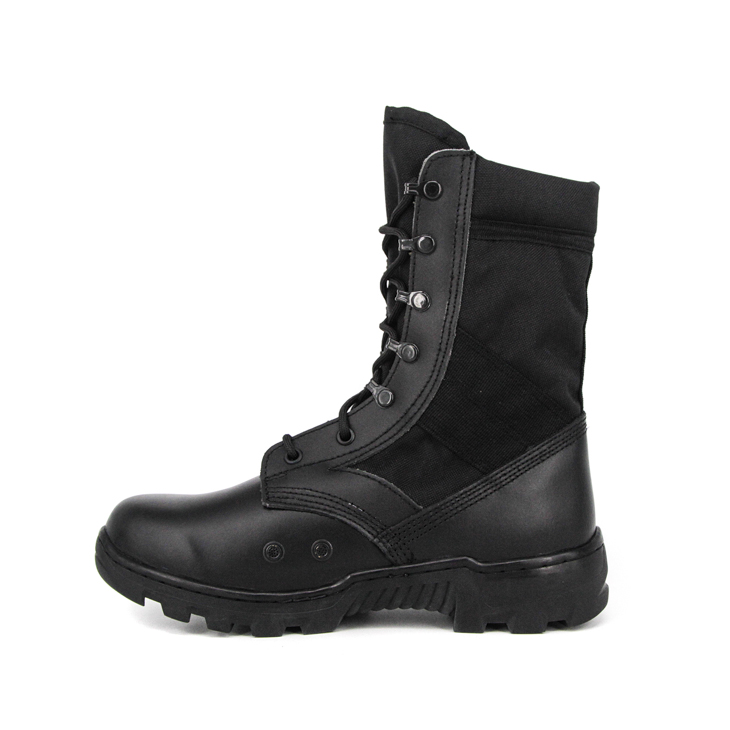
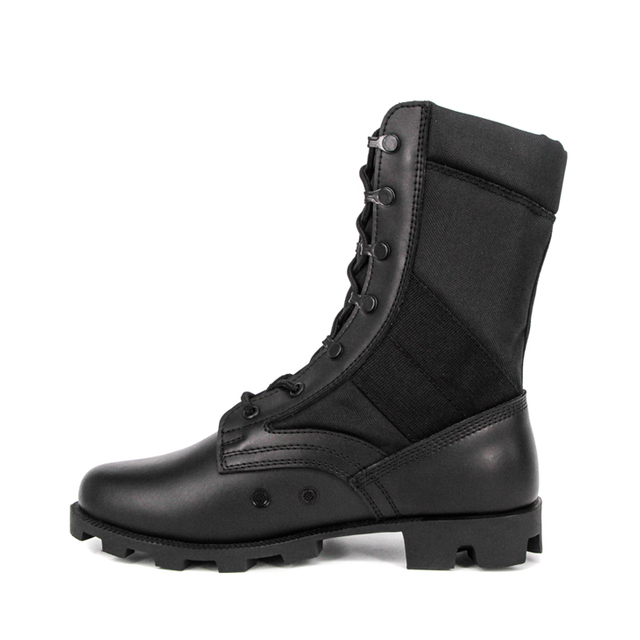
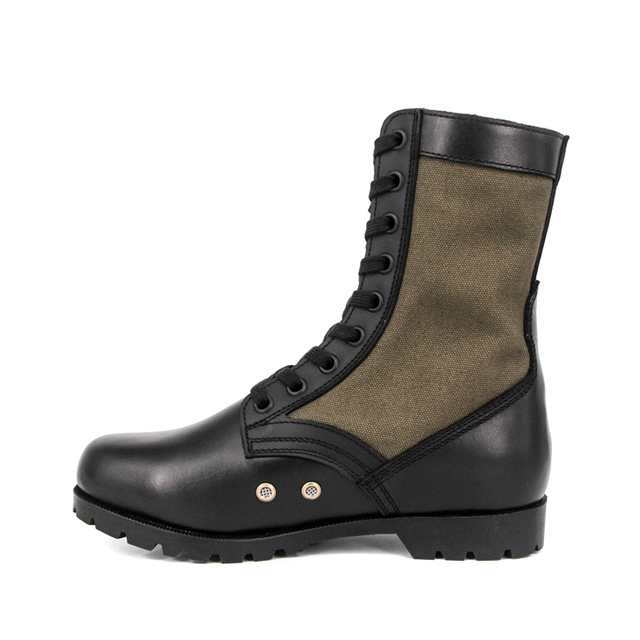
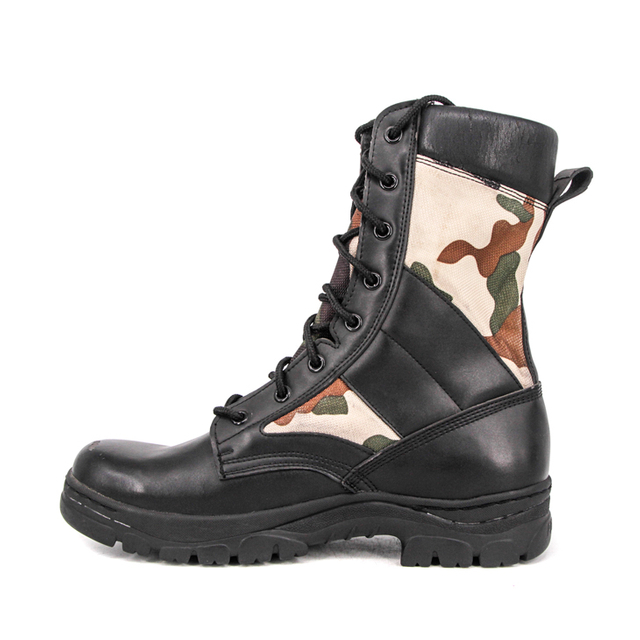
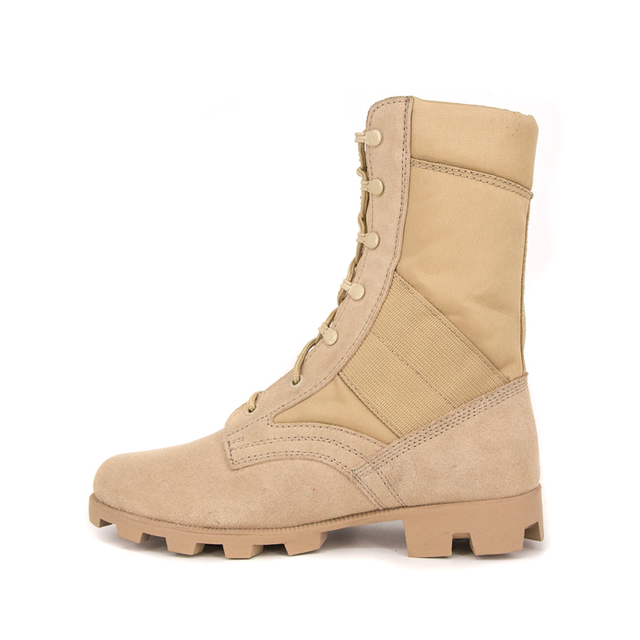
Milforce's jungle boots have the following colors: black, green, camouflage, and sand.
Their structure is not much different, they are nylon cloth uppers with rubber soles.
Black jungle boots are more common, black canvas with a black Panama rubber outsole.
The green combat jungle boot replaces the black nylon cloth with green, and the green is more suitable for use in marshes and other places.
It has the same color as the ground plants and has better concealment.
The camouflage hot weather jungle boots are suitable for use in the jungle, with a full set of camouflage suits to become camouflage suits.
Last but not least, sand color is also one of the color schemes of jungle boots.
Others are black leather with nylon fabrics of various colors.
Desert jungle boots are sanded suede leather with sand nylon.
They also have moisture wicking lining and antibacterial treatment, which is more suitable for use in dry and hot areas.
hot weather jungle boots generally have a very high upper, you can put your pants in to prevent damage from leeches, mites and ants in wet conditions.
Some shoes have a reinforced leather connector on the toe and heel for extra protection.
Many shoes have a stainless steel plate inside the sole that protects the wearer's foot and prevents sharp objects from piercing the sole.
Thanks to their design, jungle boots are well protected against grooves, blisters and other problems caused by long legs in wet shoes.
From the soles, the panama rubber jungle boot feature a specially designed rubber sole with a wide groove, which we generally call the Panama sole.
This design prevents the mud from getting stuck on the shoes and can be used in deserts, pebbles and other terrain.
The most important feature of jungle boots is the strong breathability provided by the vents and canvas upper.
This is why he is different from other styles of military boots.
Although he is called "Jungle Boots", it is suitable for many places because it can dry quickly.
Today, jungle boots are also used by military personnel and enthusiasts who are camping or hiking in hot, humid environments.
Foot health dictates officer safety, endurance, and focus during grueling 10- to 12-hour shifts. The persistent dilemma involves selecting footwear that blocks external moisture versus footwear that vents internal heat.
Law enforcement and first responder footwear has shifted heavily toward rapid-deployment designs over the last decade. Patrol officers, paramedics, and security personnel increasingly rely on side-zip models to meet demanding shift requirements.
Law enforcement patrol work physically breaks down the human body over time. You spend 12-hour shifts standing on asphalt, running through unpredictable terrain, and carrying 20 to 30 pounds of gear on your duty belt and vest.
Choosing the right military desert boots is essential for users who operate in hot, dry, and challenging environments. Unlike ordinary outdoor footwear, military desert boots need to provide a balance of breathability, durability, traction, protection, and long-term wearing comfort.
Waterproof military desert boots may sound unusual at first. Desert environments are often associated with heat, sand, dust, and dry weather, so many buyers assume that waterproof protection is unnecessary. In reality, military and tactical users may face more complex conditions than pure dry sand.
Military desert boots used in the Middle East and Saudi Arabia need to handle more than high temperatures. These regions can include open desert, rocky ground, fine sand, dry roads, temporary camps, vehicle areas, and occasional wet or muddy surfaces.
Sand color military boots are widely used in desert, dry, and hot-weather environments. Compared with black or dark brown combat boots, light-colored desert footwear is better suited for sandy terrain, high temperatures, dusty ground, and military-style uniforms used in arid regions.