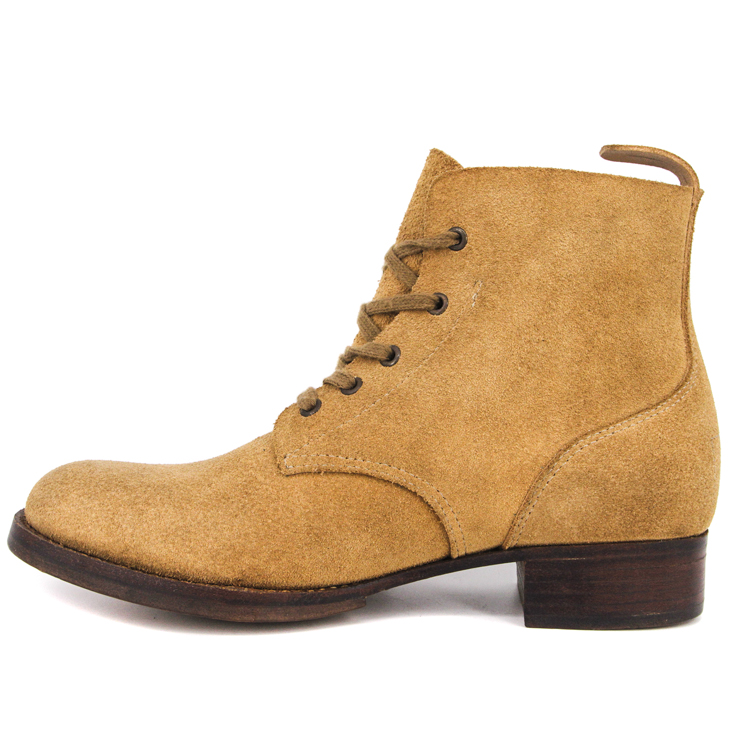
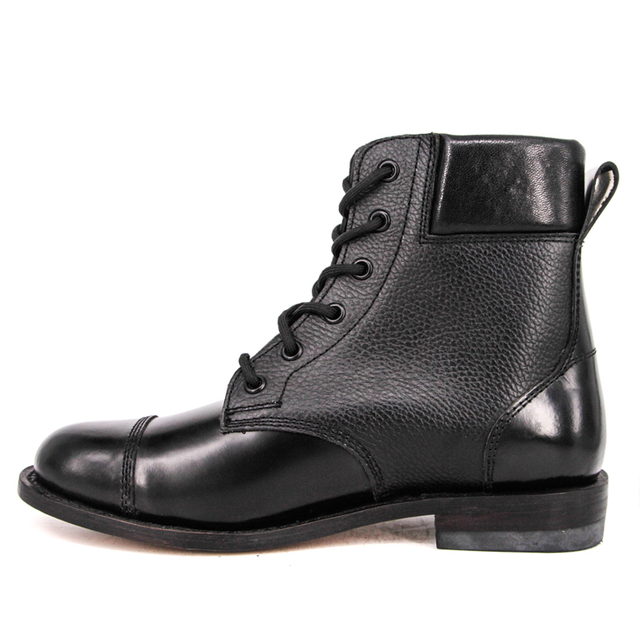
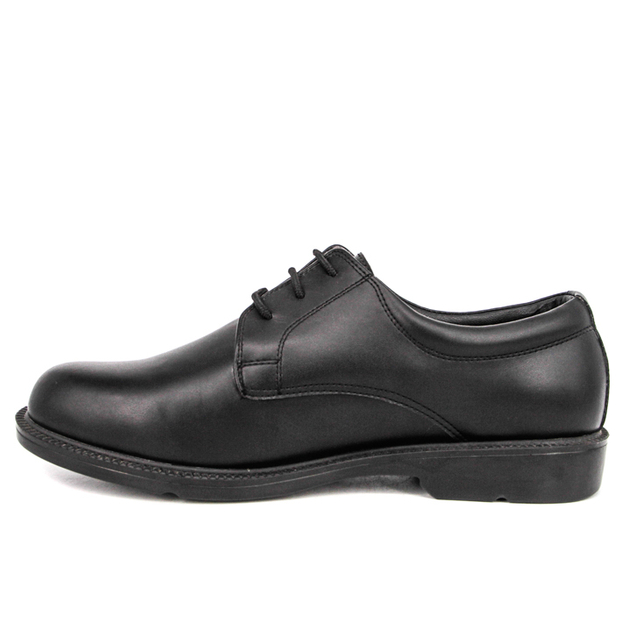
Work boots were first worn by workers in the western United States. As work boots, it need to be strong, durable, and warm, so they are generally used in cowhide, suede material, beef tendon bottom, rubber sole and so on.
At first, the work leather boots were not the shoes that were sought after. When the phenomenal figure superstar James Dean wore the work boots to create a super tough guy in front of the screen, people suddenly realized that he was a bit rebellious and a bit rough. How is it so cool? Then the work boots jumped from the workers to the fashion items.
Just like the denim jacket from the American gold digger at the time, the work boots, which is quite male with gender characteristics, has become a classic. Especially in the winter, work boots have become a magic weapon for men, because he can maintain his personality, and there is no feeling of being too casual. No matter what you wear, and where to go, the work boots can be perfectly matched.
Good work boots have some very important features
The first is the process. Good work boots are made using Goodyear sewing, which is a method of sewing the sole. The general shoe is that the sole is stitched to the upper, and Goodyear is very complicated and complicated. The production process is more than 300 processes. This sewing method has a history of more than 200 years and belongs to the world's top footwear technology. Goodyear's shoes are more secure and can be replaced with a large sole that is very durable. Because the outsole and the midsole are two parts, it is very convenient to change the soles. It only needs to remove the sutures of the outsole, it does not affect the rest of the shoes, and the shoes are made by various stitches. Naturally it is much better than glued. Goodyear puts softwood chips in the space between the midsole and the strips. It absorbs moisture and shocks. After wearing for a long time, it will become more and more fit because the inner bottom of the shoes is moderately sinking, and it is breathable and shock-absorbing.
In terms of materials, the work boots are made of cowhide or suede, so the excellent degree of the leather affects the quality and look of the shoes.
Good leather boots are shiny and the color is smooth. Even if it is worn out, it has creases, it is still delicate, and even more years of taste, it looks textured. If you ask for higher leather, you can choose leather from Horween in the US, CFS in the UK, iLcea in Italy, Annonay in France, Du Puuy in France, and Freudenberg in Germany, all of which are good products. If you use such a high the quality of the leather, the seller will definitely mark it.
What is the first choice for buying shoes in autumn and winter?
Procuring footwear for government agencies requires balancing strict budgets against the demand for high-performance gear. Institutional buyers and quartermasters navigate a fragmented market filled with complex compliance standards and fluctuating supply chains.
Foot health dictates officer safety, endurance, and focus during grueling 10- to 12-hour shifts. The persistent dilemma involves selecting footwear that blocks external moisture versus footwear that vents internal heat.
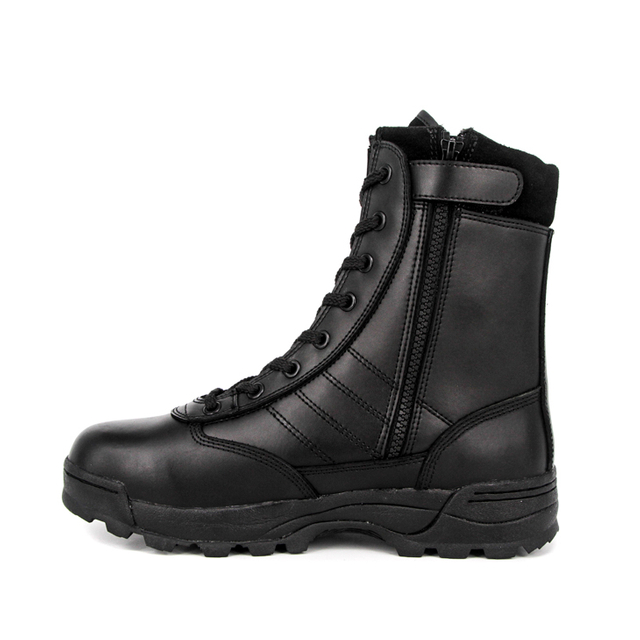
Law enforcement and first responder footwear has shifted heavily toward rapid-deployment designs over the last decade. Patrol officers, paramedics, and security personnel increasingly rely on side-zip models to meet demanding shift requirements.
Law enforcement patrol work physically breaks down the human body over time. You spend 12-hour shifts standing on asphalt, running through unpredictable terrain, and carrying 20 to 30 pounds of gear on your duty belt and vest.
Choosing the right military desert boots is essential for users who operate in hot, dry, and challenging environments. Unlike ordinary outdoor footwear, military desert boots need to provide a balance of breathability, durability, traction, protection, and long-term wearing comfort.
Waterproof military desert boots may sound unusual at first. Desert environments are often associated with heat, sand, dust, and dry weather, so many buyers assume that waterproof protection is unnecessary. In reality, military and tactical users may face more complex conditions than pure dry sand.
Military desert boots used in the Middle East and Saudi Arabia need to handle more than high temperatures. These regions can include open desert, rocky ground, fine sand, dry roads, temporary camps, vehicle areas, and occasional wet or muddy surfaces.