If the boots on your feet make you feel awkward, you are not alone.
Everyone seems to be worried that they are wearing prohibited boots, but no one seems to be able to say the reason for authorizing the boots.
Here is some information you need to know about military authorized boots.
Although the military-designated boots list is not comprehensive, it can also help you make informed shoe purchase decisions.
"Boots Cost Money"
Boots are worth your money... Of course, you can save and wear only the boots issued by the Army.
But as we all know, a boot is not suitable for all environments.
It is important that your boots must be properly matched, which is why you are looking for an excellent military boots brand.
In fact, any shoe is like this: a brand's number 10 may not be the same as another brand's number 10.
Some may be wider, or the toe of a particular brand may be slightly wider.
You all know the brand you like, now it's time to find out if it is authorized.
If you find that your boots are not in the "Authorized Boots" list below, you need to be cautious enough to buy them.
As a soldier, your boots are just as important as any equipment... the way the feet work will affect everything else.
What is DA Pam 670-1? What does the update mean about the authorization launch?
In this case, the source is a document called AR 670-1.
This document refers to a document called DA PAM 670-1.
DA PAM 670-1 is the main content of the rules for the development of boots, it is 303 pages long.
Of course, they are hard to make compliance easy!
Now, the rules for boots in these two documents have been around for a long time...
As far as the boots are concerned, nothing has changed or added.
If some soldiers find that a pair of boots they have worn for years is unauthorized, the boots that carried you through actual combat may not be compliant with the regulation.
So, what kind of boots are authorized boots?
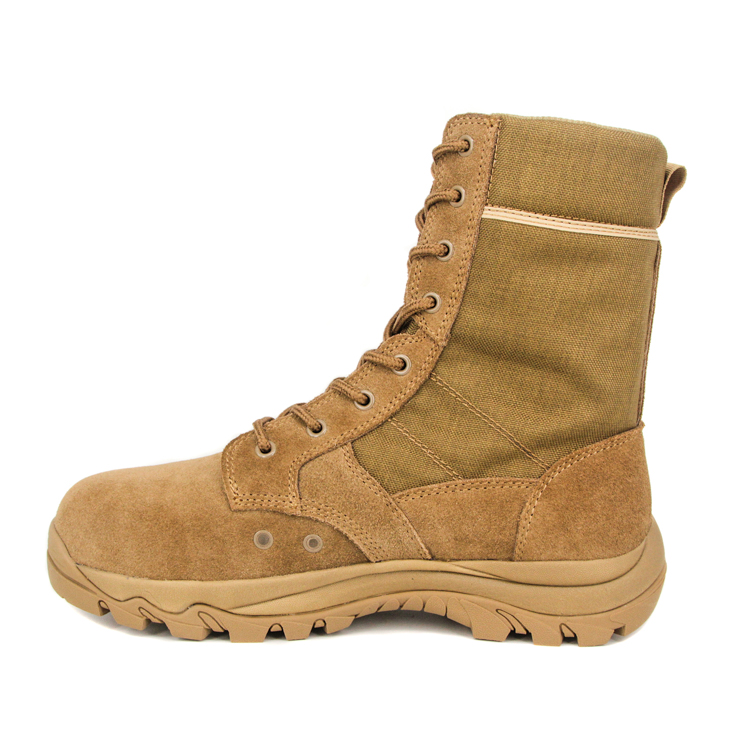
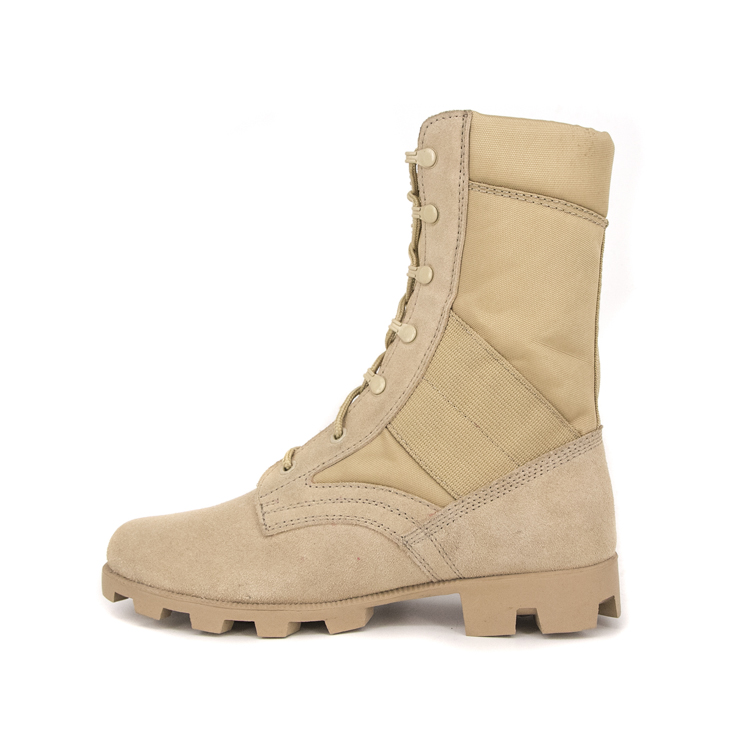
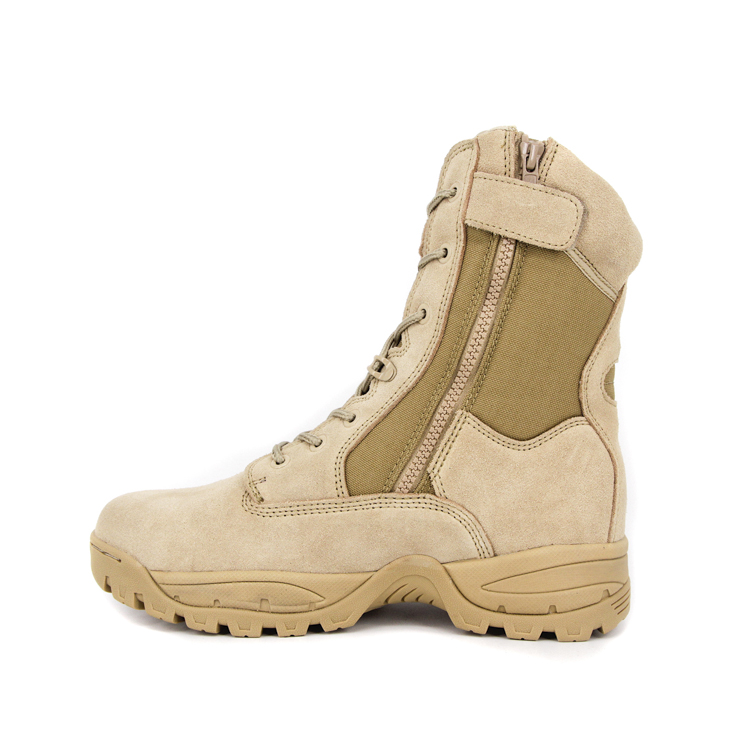
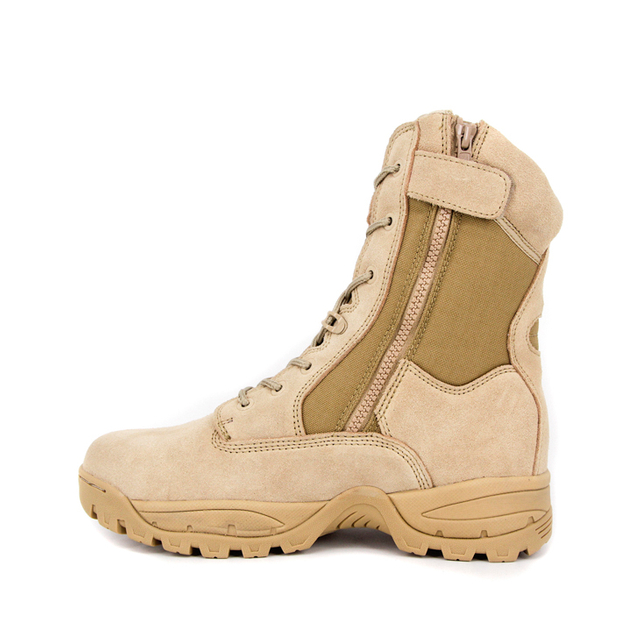
The following is an excerpt from the boots from DA PAM 670-1:
"The height of the boots must be between 8 and 10 inches."
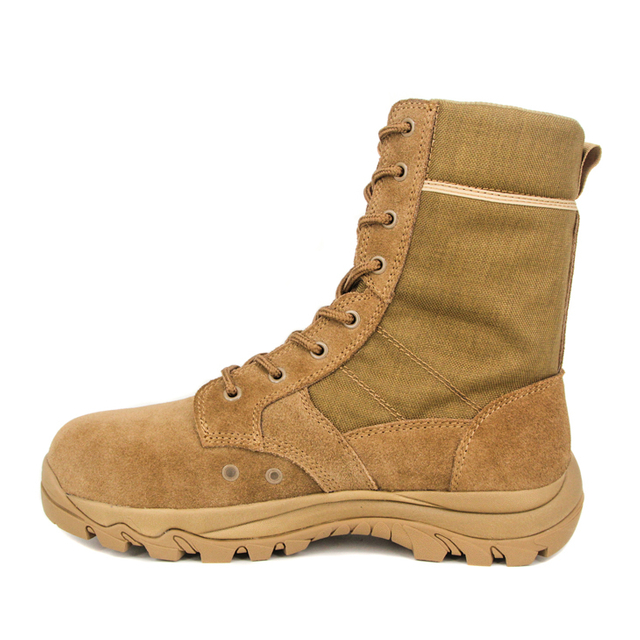
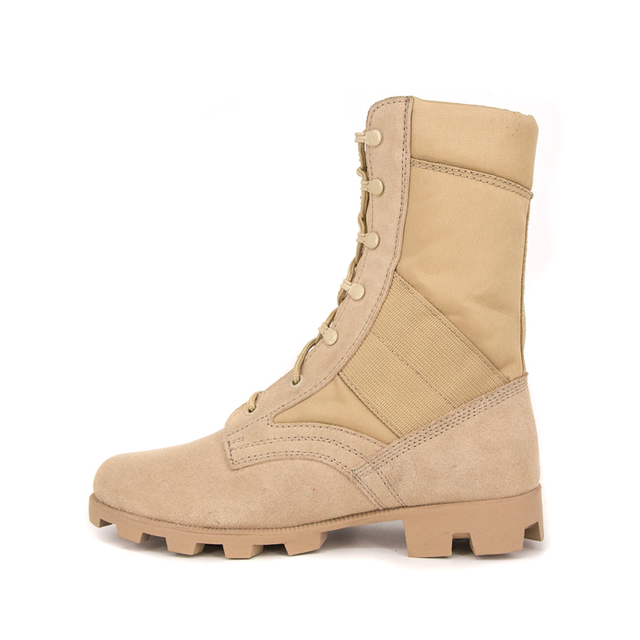
The men desert boot made of tan flesh-side out cattle hide leather, with a plain toe and a soling system matching the color of the tan upper materials.

Rubber and polyether polyurethane are the only authorized outsole materials.
The outer part of the boot will not contain mesh, but will be made of all leather or a combination of leather and non-mesh. ”
If you want to determine if your boots are authorized, please ask the following questions:
Are they made of synthetic materials? If so, they are not.
The upper cannot be made of synthetic leather, synthetic suede or "Wolverine Warrior Leather".
Your military desert boots must be made of cow/cow leather.

Is the leather flesh side out?
This means that the leather lining is actually facing outwards.
The flesh side is soft and is often referred to as "suede leather".
Is the sole and fashion desert boots the same color? it should be.

Is the outsole made of rubber or polyether polyurethane? Good.
The height of the sole is equal to or less than 2 inches.
Will the sole bend on the toes or on the heel? Bad.
Is the upper part leather or a combination of leather and non-mesh? Good.
Is the boots 8 to 10 inches tall? Good.
If the above questions are answered well, then these boots are worth your money.