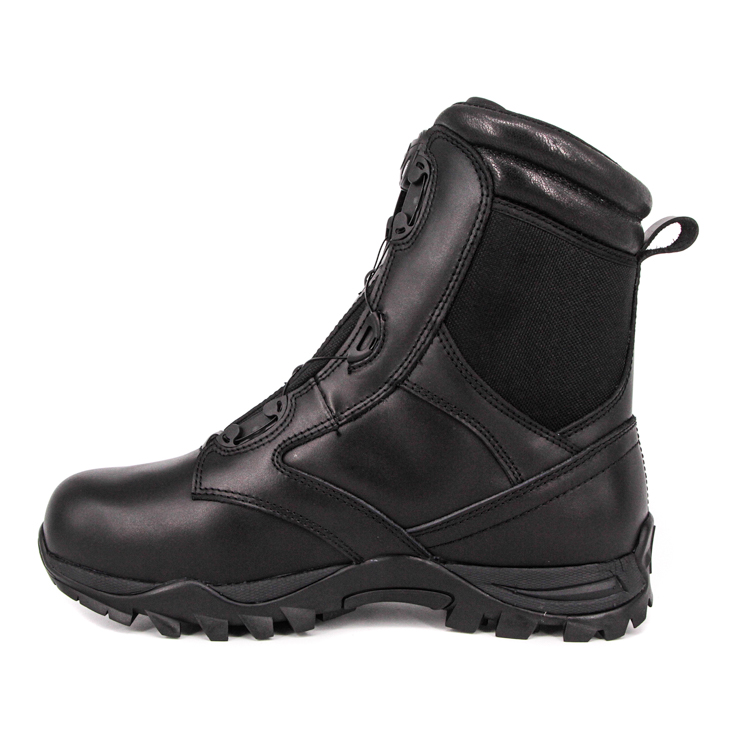
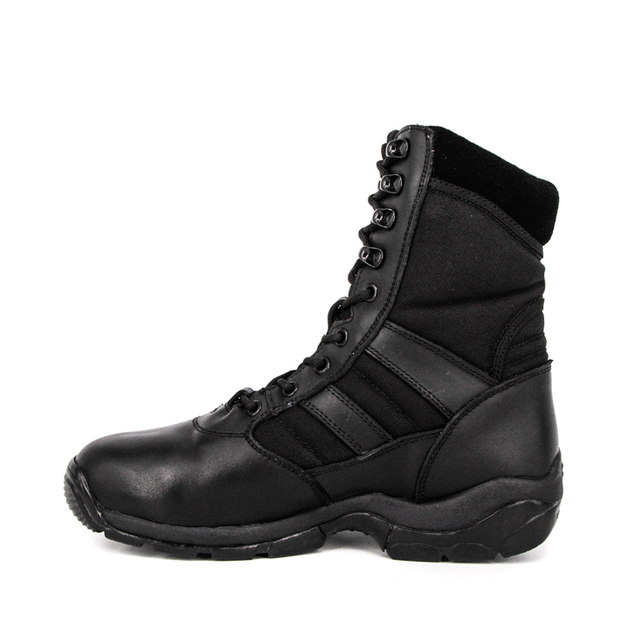
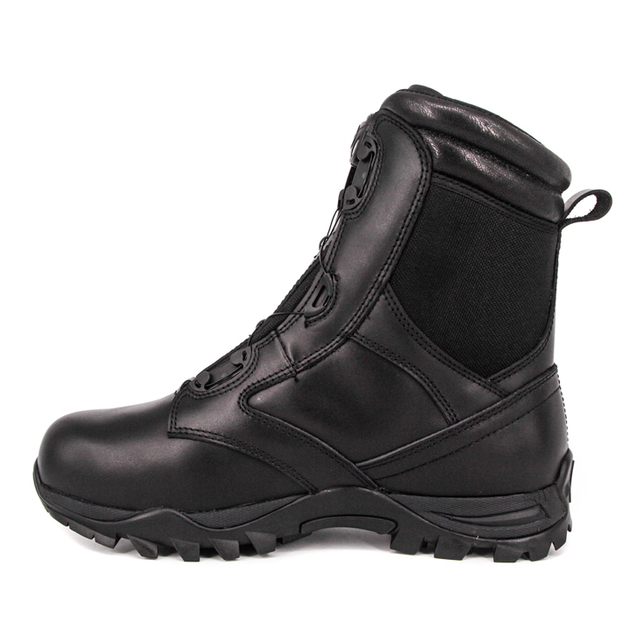
There are two ways to buy military boots now: buy directly into the store and buy online. Both of these methods can be used to identify the value of these tactical boots before purchase is not worth it.
If you are not ordering online, here are some things you need to do:
√ Pay attention to the connection during the entire startup process. How is the sole and upper connected? Gluing, welding, sewing? Does the connected part look firm? If it is a suture, does the suture appear to be strong or loose? If it is glued, press it with your hand to see if it sticks tightly to prevent the glue from opening.
√ Twist your tactical police military boots, just like twisting a towel. If they are easily twisted, it means that the midsole does not have enough rigidity, indicating that the middle support is bad. On the contrary, if you need some effort, it means the middle of the pair of boots. The bottom is enough to support you.
√ Press the outsole with both hands (one inside the combat army military boots and the other on the outsole). If you feel like they can easily come close, the soles of these shoes are very poor and can't give you enough foot protection.
√ Remember to check if the upper surface of the heel is soft. We need it to be stable and very stiff so that you can protect your ankles.
√ If you bought it online, please take some time to read the comments on the boots. Now the online shopping environment is different from the previous one. You can get a lot of information through many ways before making a decision. Which information source you think is the most Reliable, you can refer to him to make a purchase choice. At the moment, I think the most effective and reliable way is to take the time to read other people's comments on tactics or combat boots in the comments, especially to read the "small characters" about fit. Be diligent and find someone who is exactly the same size as you. If they have to say the fit and comfort of the military police boots, read on. If you work on tasks and get information from reliable sources, there are very few ways to go wrong.
When you are officially ready, you can choose the best tactical boots based on your own ideas.
Prolonged standing during ceremonies, inspections, and daily administrative duties takes a severe physical toll on the body. Static standing on hard surfaces like concrete parade decks transfers immense pressure through the lower extremities.
Deploying into tropical environments guarantees your feet will get wet. Moisture acts as a constant operational hazard, not an occasional inconvenience. You face a strict footwear dilemma: try to block water from entering, or let it drain out fast.
Aviation environments present unique hazards that standard tactical footwear cannot mitigate, making the selection of specialized footwear a mandatory safety and compliance decision.
Procuring footwear for government agencies requires balancing strict budgets against the demand for high-performance gear. Institutional buyers and quartermasters navigate a fragmented market filled with complex compliance standards and fluctuating supply chains.
Foot health dictates officer safety, endurance, and focus during grueling 10- to 12-hour shifts. The persistent dilemma involves selecting footwear that blocks external moisture versus footwear that vents internal heat.
Law enforcement and first responder footwear has shifted heavily toward rapid-deployment designs over the last decade. Patrol officers, paramedics, and security personnel increasingly rely on side-zip models to meet demanding shift requirements.
Law enforcement patrol work physically breaks down the human body over time. You spend 12-hour shifts standing on asphalt, running through unpredictable terrain, and carrying 20 to 30 pounds of gear on your duty belt and vest.