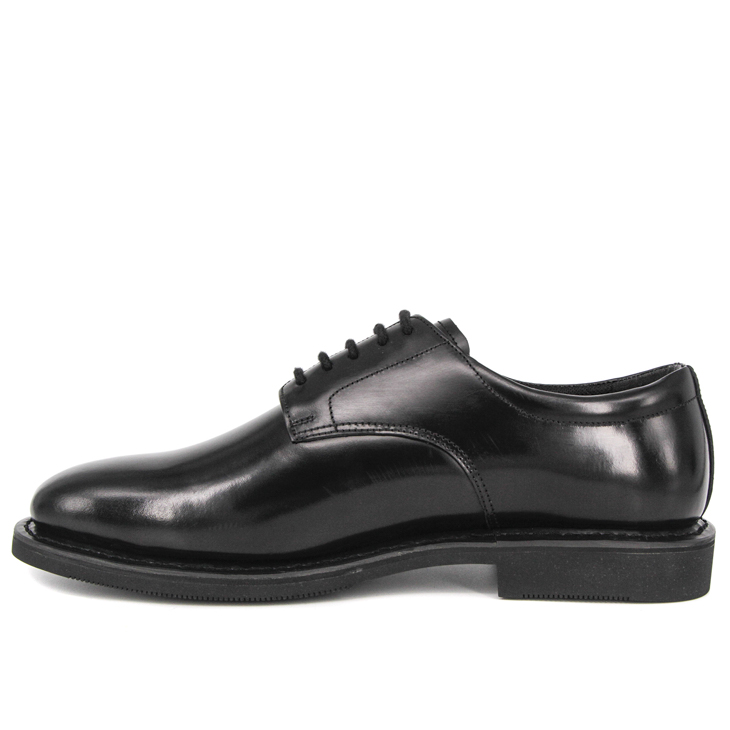
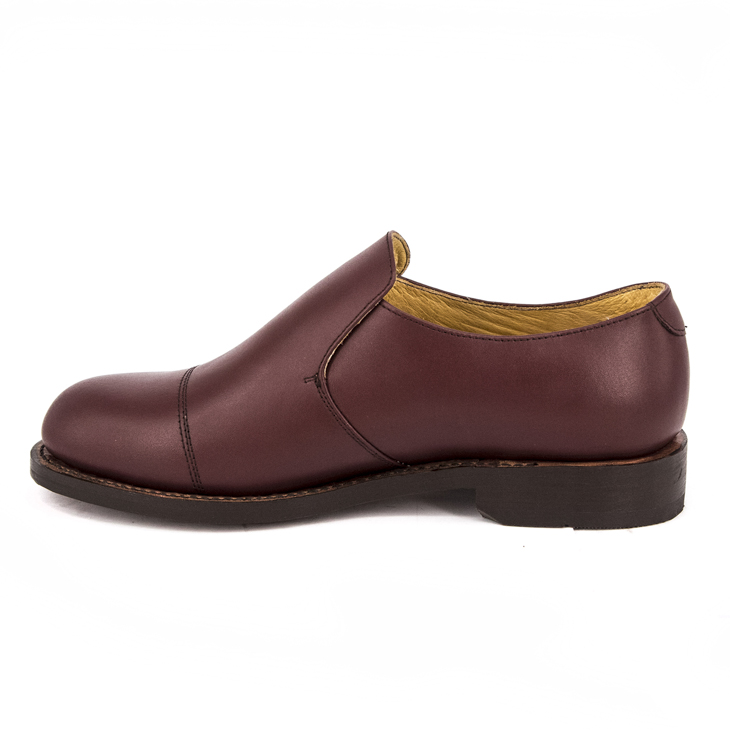
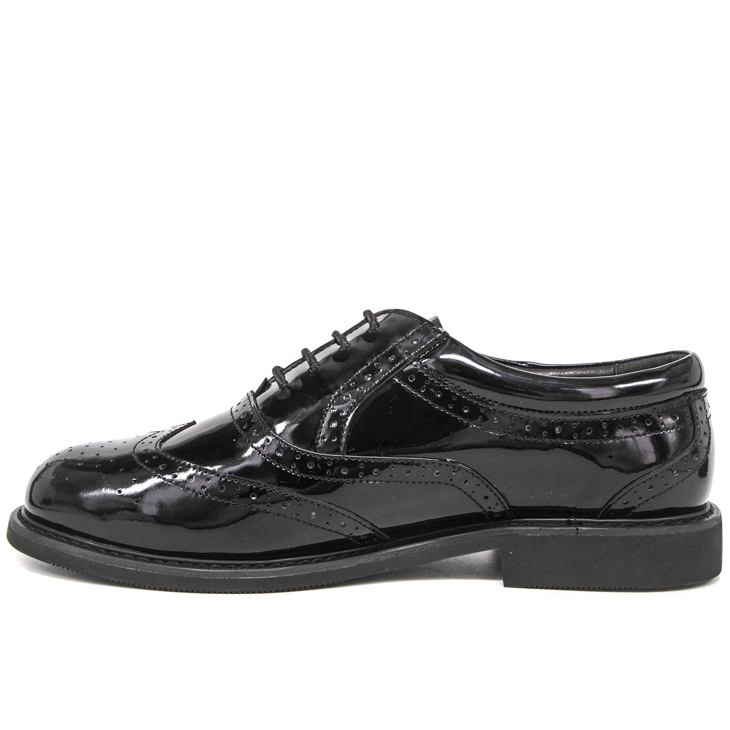
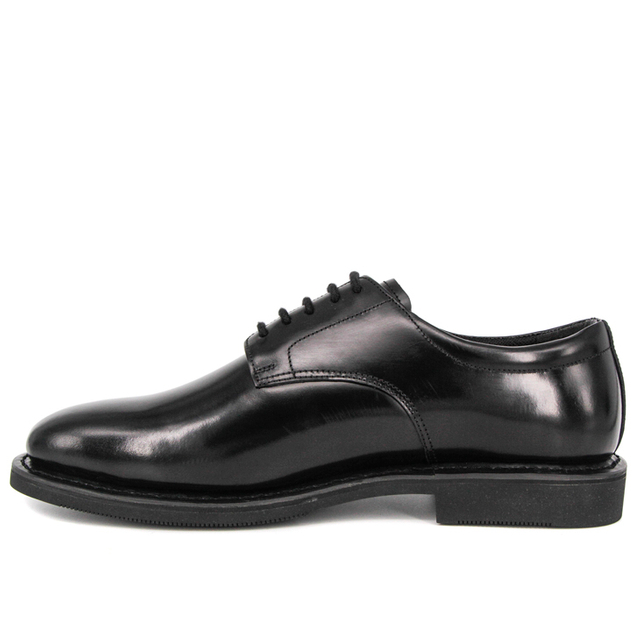
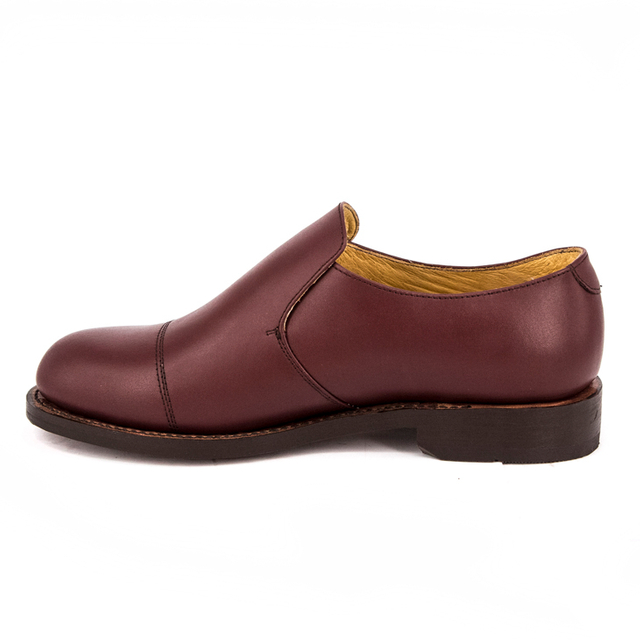
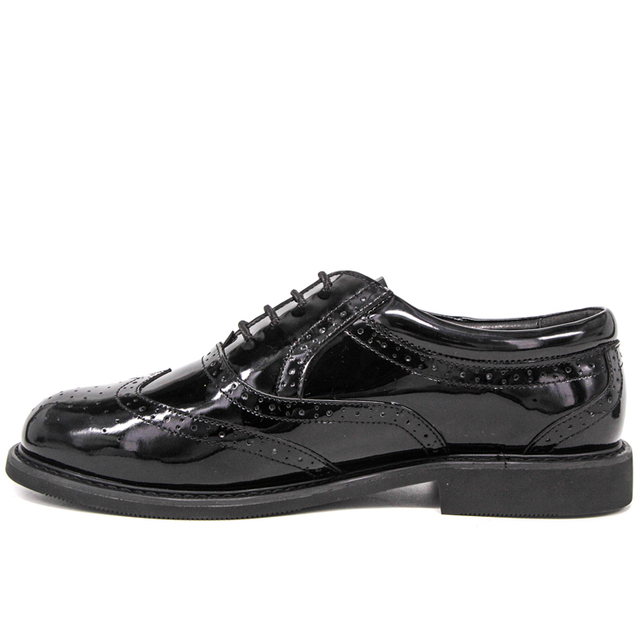
A pair of exquisite office shoes is a must-have partner for many occasions. However,whether you’re a formal shoe newbie with your first pair or an old pro with a closet full of fancy footwear, the myriad rules about what socks you’re not supposed to wear with dress shoes can be a bit mystifying and overwhelming. MILFORCE has put together some rules for how to wear dress shoes with socks so that you can participate in a variety of occasions.
The most formal black office shoes(not Brock), such as black square-heels office shoes of the picture, generally the most suitable with dark cotton socks, or dark blue dark brown dark gray, the closest black color . It is worth noting that you should never try white socks. White socks just don’t look good with dress shoes of any color. Even light brown dress shoes, which you might be tempted to wear with white socks, are cheapened by the presence of plain white socks. And always avoid the ultimate fashion sin at all costs: white socks with black shoes and black pants.
But brown office shoes which is made of full grain cow leather can't be paired with black socks. We’ve talked a bit before about the poor pairing that is black and brown in close proximity. If you add patterns to the mix, that can change things a little, but as a rule you should just avoid this combination. It’s infinitely easier to mess up than it is to pull off. Attempting the black and brown pairing is for master class fashion, and if you’re not superbly confident in your understanding of color theory, it’s just simpler to avoid it entirely.
Carved leather shoes can be matched with the socks which have a variety of colors, the style has a thoughtful design. You can choose a simple bright color, jump color brightening effect, such as high saturation orange, electro-optic blue, or cherry red. Super bright, solid-color socks are a statement. They say clearly, hey, I’ve got some personality! Don’t mistake me for a nine-to-fiver! Traditional patterns encompass things like argyle, stripes, and small dots, and are easy enough to find in multi-packs of nice thin dress socks in a variety of base colors.
I don't know if you have the feeling that changing a pair of socks is like changing a pair of office shoes. I hope this article can help you choose the right socks for a better match with office shoes.
Prolonged standing during ceremonies, inspections, and daily administrative duties takes a severe physical toll on the body. Static standing on hard surfaces like concrete parade decks transfers immense pressure through the lower extremities.
Deploying into tropical environments guarantees your feet will get wet. Moisture acts as a constant operational hazard, not an occasional inconvenience. You face a strict footwear dilemma: try to block water from entering, or let it drain out fast.
Aviation environments present unique hazards that standard tactical footwear cannot mitigate, making the selection of specialized footwear a mandatory safety and compliance decision.
Procuring footwear for government agencies requires balancing strict budgets against the demand for high-performance gear. Institutional buyers and quartermasters navigate a fragmented market filled with complex compliance standards and fluctuating supply chains.
Foot health dictates officer safety, endurance, and focus during grueling 10- to 12-hour shifts. The persistent dilemma involves selecting footwear that blocks external moisture versus footwear that vents internal heat.
Law enforcement and first responder footwear has shifted heavily toward rapid-deployment designs over the last decade. Patrol officers, paramedics, and security personnel increasingly rely on side-zip models to meet demanding shift requirements.
Law enforcement patrol work physically breaks down the human body over time. You spend 12-hour shifts standing on asphalt, running through unpredictable terrain, and carrying 20 to 30 pounds of gear on your duty belt and vest.