For the soldiers, a pair of suitable military boots is one of its most important equipment. The military boots can not only ensure their long-distance marching, but also effectively prevent the occurrence of such diseases. In the past, the first recruits of the Chinese army recruits The lesson is that the veteran teaches him how to play sandals, while the Russian army teaches how to wrap the cloth. American soldiers are much better in this respect. Due to the abundant supplies, the military boots worn by American soldiers are the best in terms of workmanship and quality.
The United States is the gathering place for all kinds of excellent military boots manufacturers in the world. Some of the famous military boots brands we know, such as Magnum, Bates, Danner, etc., are from the United States. These brands of hot-selling military boots are also popular in the world.
French military boots are famous for their thick knee pads. American military boots also have many features. Jungle combat boots and black full leather combat boots are the most classic styles of American military boots. In the later Desert Storm operation, the US military has developed Dedicated to desert combat boots, the world's first desert boots were born. These three boots are the most classic type of American military boots, and they are also the most used in the United States.
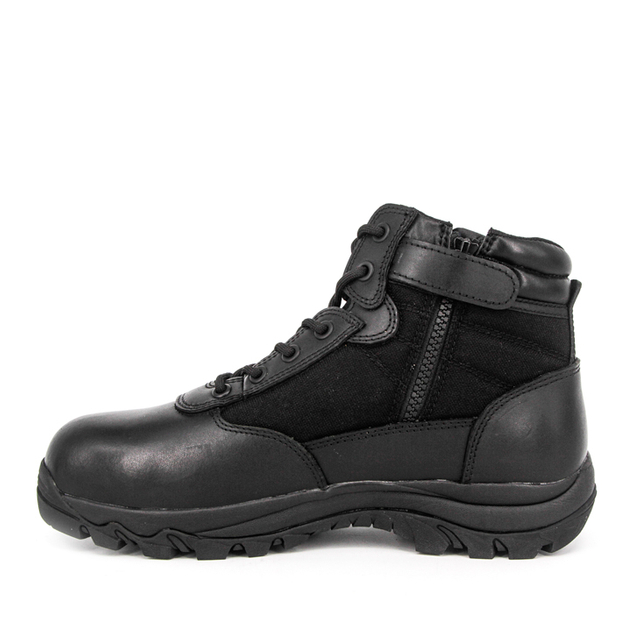
This low-cut leather boot is a classic jungle boot style with a lightweight composite sole and a breathable sturdy leather and nylon finish. The general jungle boots have a zipper and a zipper to protect the zipper. This design is convenient for wearing and removing, and it can better ensure the breathability inside the shoe. In the Vietnam campaign, this boots played a very big role.
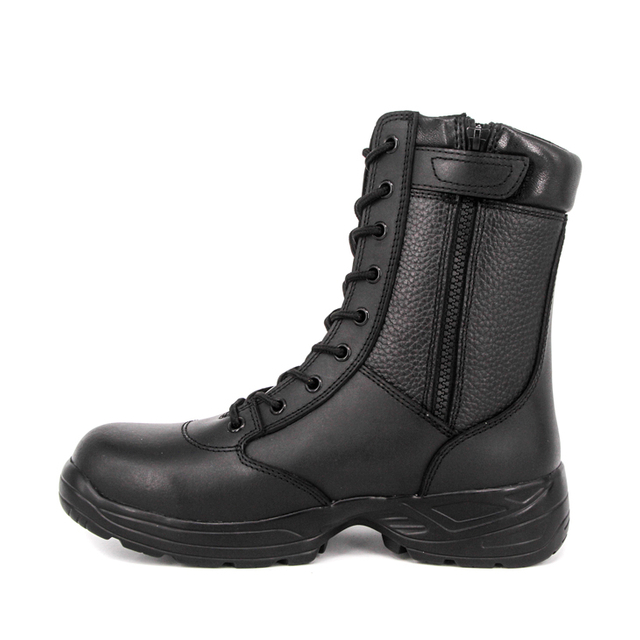
Does this black combat boot look very handsome? Yes, this is the high-top full leather combat boots that swept the US military during World War I. During the First World War, because the British and French coalition military shoes were low-cut, there were a lot of people who had "wars and squats" in the trenches, and the Germans used high-top military boots in the Bismarck era, so there was much less to fight. The US military learned the lesson and improved the boots in time, greatly reducing the probability of disease. The full-body combat boots have a solid surface that is not easily penetrated, and the sole has a good anti-slip performance. It is a very powerful combat boot.
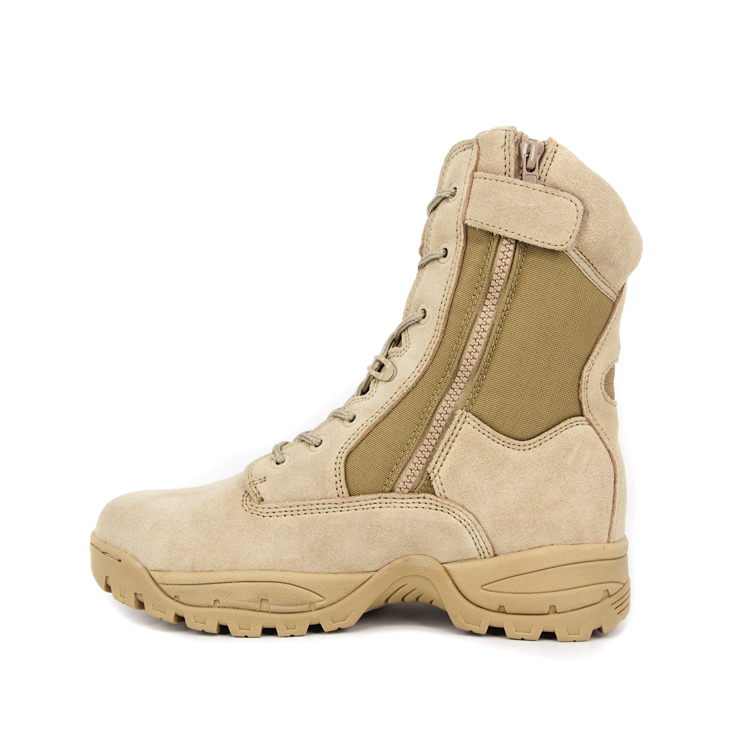
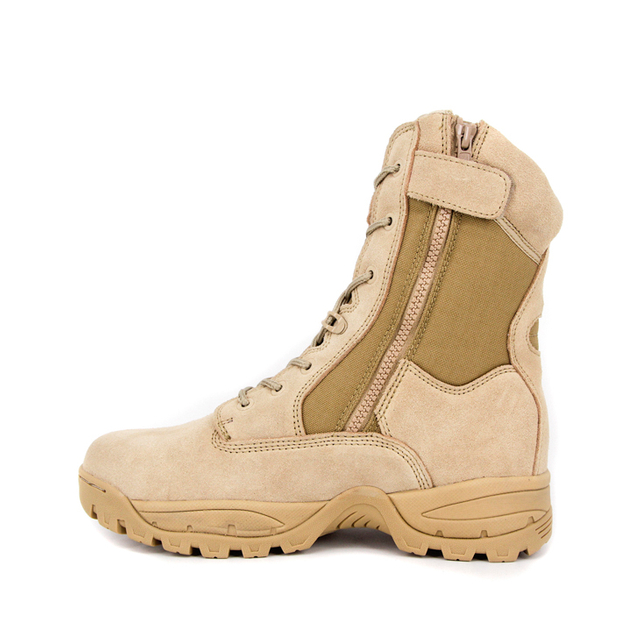
In the end, this is a desert boot that was researched by the US military through layer selection and rigorous testing. Its shape and design philosophy continues the style of jungle combat boots to a large extent, but it uses a desert yellow fur leather upper, a nylon upper, nylon laces and a thick sole. The desert combat boots are light, stable, breathable, and can prevent sand particles from entering, do not need to wipe oil, have a certain lightning protection capability, and are very suitable for desert operations.
The above three models are the most popular military boots in the United States. Do you understand?
Procuring footwear for government agencies requires balancing strict budgets against the demand for high-performance gear. Institutional buyers and quartermasters navigate a fragmented market filled with complex compliance standards and fluctuating supply chains.
Foot health dictates officer safety, endurance, and focus during grueling 10- to 12-hour shifts. The persistent dilemma involves selecting footwear that blocks external moisture versus footwear that vents internal heat.
Law enforcement and first responder footwear has shifted heavily toward rapid-deployment designs over the last decade. Patrol officers, paramedics, and security personnel increasingly rely on side-zip models to meet demanding shift requirements.
Law enforcement patrol work physically breaks down the human body over time. You spend 12-hour shifts standing on asphalt, running through unpredictable terrain, and carrying 20 to 30 pounds of gear on your duty belt and vest.
Choosing the right military desert boots is essential for users who operate in hot, dry, and challenging environments. Unlike ordinary outdoor footwear, military desert boots need to provide a balance of breathability, durability, traction, protection, and long-term wearing comfort.
Waterproof military desert boots may sound unusual at first. Desert environments are often associated with heat, sand, dust, and dry weather, so many buyers assume that waterproof protection is unnecessary. In reality, military and tactical users may face more complex conditions than pure dry sand.
Military desert boots used in the Middle East and Saudi Arabia need to handle more than high temperatures. These regions can include open desert, rocky ground, fine sand, dry roads, temporary camps, vehicle areas, and occasional wet or muddy surfaces.