Views: 255 Author: Site Editor Publish Time: 2019-04-23 Origin: Site
To make sure the new boots are right, the boots should not be too tight and the front of the shoes should be able to move the toes. When you walk, the heel should be fixed, do not slide up and down or back and forth to avoid painful blisters. Each part of the shoelace can be adjusted to make the entire upper fit to your feet.
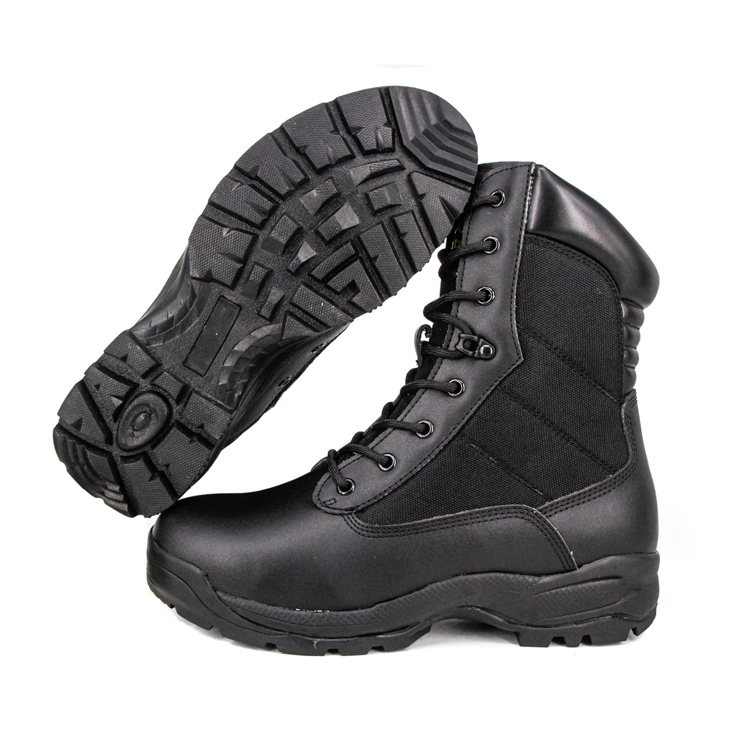
A pair of unsuitable combat army military boots can cause a lot of problems in your feet, so how to properly wear military boots to ensure long-term comfort is essential. Here are some tips to make sure you can wear tactical police military boots comfortably.
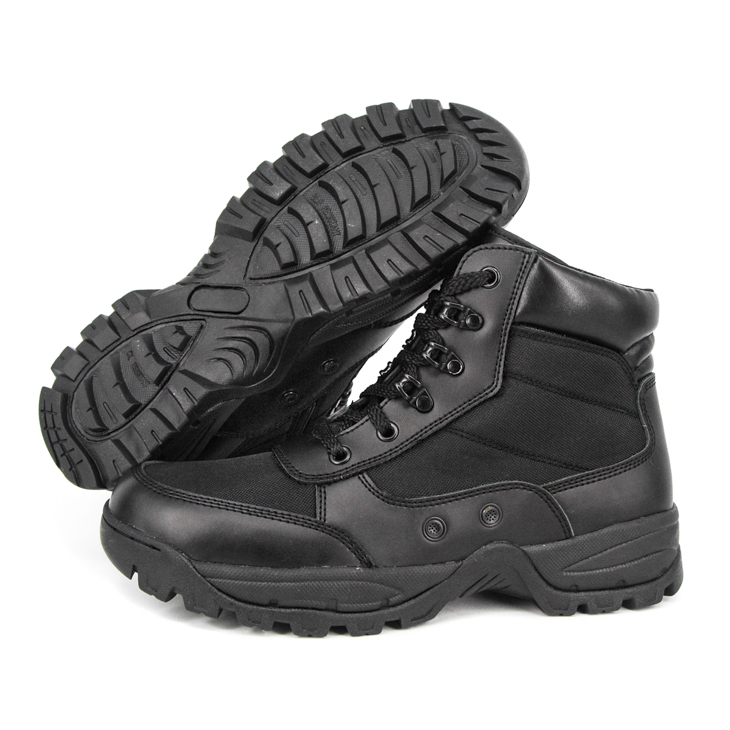
Wearing socks must wear socks
When wearing military boots, you must wear special military boots so that you can get the most comfortable wearing experience. Boots are thicker than sports socks and provide extra padding in the heel and toe areas. This pad reduces the possibility of grinding the foot out of the blisters during exercise. Comfortable military boots need to keep the feet dry, so moisture dissipation is important. Choosing a pair of boots with moisture wicking is very important in the hot summer climate.
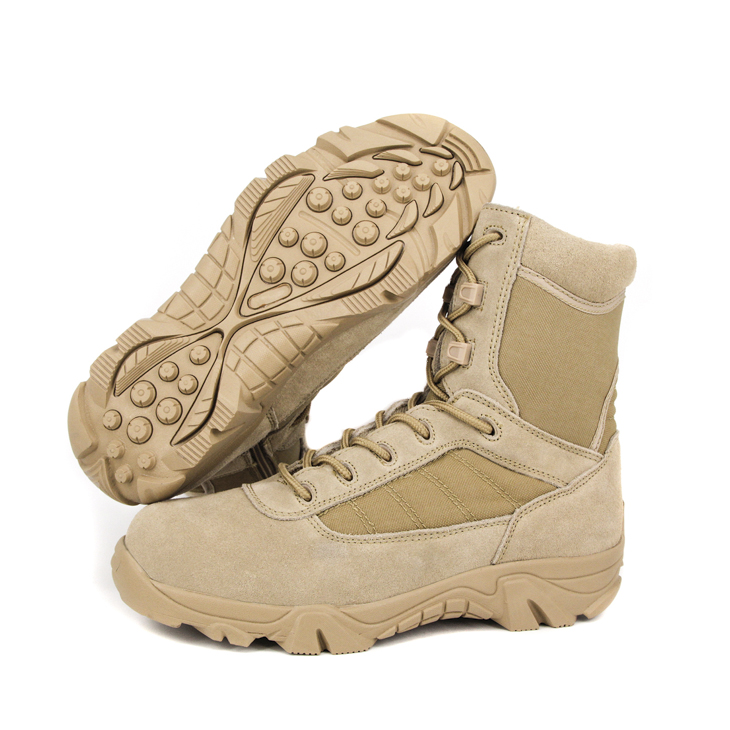
The front end of the military boots needs to have enough space
There should be a little space in front of the boots to move your toes. Your toes need plenty of space because your feet will naturally swell during the day. How to determine if your reserved space is sufficient? You can slide your foot all the way to the front of the boot, and the width of the finger behind your heel should be approximate. If this width is exceeded, then these boots are a bit too big for you; if they are not wide enough, the boots are too small.
Always try on before buying
After looking at a pair of boots, you should take two steps on the carpet to wear new boots, in case you need to return or exchange. Be careful when you walk around the curved boots and feel any friction or hot spots. If there are hot spots, they may get worse over time and cause blistering. Boots may require a slight "run-in" period. If you don't feel uncomfortable wearing boots at first, then you are advised not to buy it. You can continue to try different sizes, styles or brands to find the right boots for you. Because everyone's feet are different, please note that your favorite friend's favorite combat tactical full leather boots may not be for you.
Try to choose classic military/tactical boot styles
Classic military and tactical boots can be worn by both men and women. He can not only provide you with various protections but also suit any occasion.